
Your Essential Guide to the 12 Week Old Puppy
Welcome to one of the most exciting times in your puppy's journey! At 12 weeks old, that tiny furball is bursting with personality, curiosity, and a whole lot of energy. This is your puppy’s pre-teen phase—they're testing the waters, figuring out the world, and their unique character is starting to shine through.
Understanding Your 12-Week-Old Puppy
Your 12-week-old is a far cry from the sleepy newborn you first brought home. Their brain is working overtime, and every single sight, sound, and smell is a brand-new adventure. It's why they seem to get their nose into absolutely everything!
This explosion of curiosity comes with a big boost in confidence. Your pup is starting to feel out their place in the family and the world. You’ll see a mix of adorable antics and some early boundary-pushing, which is a perfectly normal part of them growing up and learning the ropes.
The Power of Socialization
Right now, at 12 weeks, your puppy is in the home stretch of their critical socialization period. This window, which usually starts closing between 12 to 16 weeks, is when their brain is most open to new experiences. Think of their mind as a sponge, soaking up every bit of information that will shape the dog they become.
Positive experiences during this time are the foundation for a confident, well-adjusted adult dog. The goal is to gently expose them to the world so they learn that new things are exciting, not scary.
This period is absolutely essential for preventing fear and anxiety down the road. Puppies who are properly socialized are far less likely to develop behavioral problems. The trick is to keep these introductions positive and controlled, so your pup always feels safe and secure.
The Puppy's Rule of 12
A fantastic guideline to follow is the "Puppy's Rule of 12," a concept that vets and humane societies often recommend. The idea is simple: by 12 weeks of age, try to introduce your puppy to a wide variety of experiences. It’s not a strict checklist, but it’s a brilliant way to ensure they get well-rounded exposure. This early work can lower the chances of future behavioral issues like aggression or anxiety by a whopping 40-60%.
You can learn more about puppy growth timelines and why this stage is so foundational for their development.
Here’s a look at what the "Rule of 12" might include:
- 12 Different Surfaces: Safely let them walk on grass, carpet, wood floors, pavement, and even a wobbly cushion or two.
- 12 Different People: In a calm setting, let them meet people of all different ages, appearances, and sizes.
- 12 Different Locations: Take them on safe trips to a friend's house, a pet-friendly store, or a quiet corner of a park.
- 12 Different Sounds: Get them used to everyday noises like a vacuum cleaner, the doorbell, or traffic from a safe, comfortable distance.
By understanding what’s driving your 12-week-old puppy's behavior, you can give them exactly what they need. This guide will help you navigate their big developmental leaps and tackle common challenges, setting you both up for a happy life together.
It can feel like your 12 week old puppy is growing right before your very eyes—and you aren't imagining things! This period is an explosion of physical change. One minute they're a tiny, clumsy ball of fluff, and the next they seem a little taller and lankier.
Keeping an eye on this growth is more than just a fun way to mark the time; it’s a crucial part of monitoring their health. Think of it as a child's growth chart at the pediatrician's office. It helps you and your vet make sure they're on the right track for their specific breed and size.
Your Puppy's Awkward (But Normal!) Growth Rate
At this age, puppies are in a state of rapid-fire, and sometimes uneven, development. It’s pretty amazing to watch. By 12 weeks, most puppies have shot up to about 50-60% of their adult height but only weigh a fraction—around 15-25%—of their final adult weight.
This mismatch explains that classic gangly, awkward look. Their legs are simply growing faster than their bodies can fill out! This physical growth spurt is paired with an explosion of energy as they hit a pre-adolescent phase.
A Look at Different Breed Sizes
How fast your puppy grows depends almost entirely on their breed. A pint-sized Chihuahua and a lanky Great Dane puppy will have wildly different growth curves.
To give you a clearer picture, here’s a quick snapshot of what you might expect for different breed sizes at the 12-week mark.
12 Week Puppy Growth Snapshot by Breed Size
| Breed Size Category | Example Breeds | Estimated Weight at 12 Weeks | Key Milestone |
|---|---|---|---|
| Toy | Chihuahua, Pomeranian | 2-4 lbs | Nearing the end of their most rapid growth phase. |
| Small | Beagle, French Bulldog | 8-15 lbs | Steady growth; may reach adult size around 12 months. |
| Medium | Australian Shepherd, Border Collie | 15-30 lbs | Noticeable "lanky" stage as height outpaces weight. |
| Large | Golden Retriever, German Shepherd | 25-45 lbs | Still in a significant growth period; will grow for many more months. |
| Giant | Great Dane, Mastiff | 40-60 lbs | Just getting started! Can take up to two full years to finish growing. |
Remember, these are just estimates! Every puppy is an individual, but this chart gives you a good general idea of where your little one might be. You can discover more insights about the fascinating journey of puppy development from birth to adulthood and see just how much these timelines can vary.
More Than Just Getting Bigger
Beyond just their size, your puppy's body is hard at work building crucial systems. Their coordination, balance, and motor skills are getting better by the day, even if they’re still far from graceful.
Those sudden, frantic bursts of energy around the house—what we all lovingly call the "zoomies"—are actually a fantastic sign. It shows your puppy's muscles and coordination are developing as they learn to control their fast-growing body.
You'll definitely still notice a wobbly gait, and they might trip over their own paws more than you'd think is possible. This clumsiness is completely normal for a 12 week old puppy. It’s all part of the fun of them figuring out how their new, longer limbs actually work.
Here are a few key physical changes to watch for:
- Improving Coordination: While they still stumble, you’ll see them get better at navigating around furniture and playing with more control.
- Changing Body Shape: Their proportions will shift constantly. They might look like they're all legs one week, then have a stockier body the next, before everything finally evens out.
- Increased Stamina: They can play for a little longer before collapsing into a nap, though sleep is still absolutely vital for their growth.
The Teething Tornado Begins
Right around the 12-week mark, you'll run headfirst into one of the biggest physical milestones: teething. Your puppy’s sharp little baby teeth will start to fall out to make way for their permanent adult set, and this process can be pretty uncomfortable for them.
You’ll likely notice them chewing more intensely on everything in sight—toys, furniture, and yes, even your hands. This isn't your puppy being naughty; it's their way of trying to soothe their sore gums. Providing plenty of safe and appropriate chew toys is non-negotiable during this phase. It’s the best way to protect both your pup’s mouth and your belongings
Nutrition Strategies for a Growing Puppy
Fueling your 12 week old puppy is one of the most important jobs you have as a new pup parent. Their tiny bodies are working overtime, building everything from strong bones and muscles to a resilient immune system. But this crucial task can get real frustrating, fast, if you suddenly find yourself with a picky eater who turns their nose up at every meal.
A growing puppy’s nutritional demands are massive. They have small stomachs but burn through energy like you wouldn't believe, thanks to their speedy metabolisms. This is exactly why a consistent feeding schedule is non-negotiable for their health and happiness.
How Much and How Often to Feed
For a 12 week old puppy, the golden rule is to offer food three to four times per day. Try to space their meals about four hours apart. This helps keep their digestion on an even keel and stabilizes their energy levels, preventing those wild mood swings that can lead to a cranky (and often destructive) pup.
Think of it like keeping a high-performance engine running. You wouldn't just dump a week's worth of fuel in all at once; you provide a steady, reliable supply to keep it humming along smoothly. The same idea applies to your puppy's rapidly developing body.
Of course, the exact amount of food will vary based on their breed, expected adult size, and just how much they zoom around the house. A great starting point is always the feeding guide on your high-quality puppy food bag, but a quick chat with your vet will give you the most personalized advice.
Tackling the Picky Eater Problem
It’s incredibly common for puppies to hit a fussy stage with their food right around this age. They’re testing boundaries with everything in their new world, and mealtime is no exception. This is where getting a little creative can save your sanity.
Instead of making drastic changes to their main food—which can easily trigger an upset stomach—you can simply make their current meal more enticing. And that's where a meal enhancement like ChowPow becomes a total game-changer.
Important: ChowPow is a nutritional booster or supplement, not a replacement for your puppy’s main kibble. Its purpose is to add targeted nutrition and irresistible flavor to their existing balanced diet, ensuring they get the extra support they need.
ChowPow is made from simple, whole-food ingredients, with dehydrated beef heart as the star of the show. Beef heart is a true superfood for dogs, absolutely packed with the high-quality protein and essential amino acids that are vital for a growing puppy.
By sprinkling just a small amount over their regular kibble, you can transform a plain bowl of food into a meaty feast they can't wait to dig into. This simple step can put an end to mealtime battles and give you peace of mind that they're getting all the nutrients they need to thrive.
A Simple Trick for Hydration and Flavor
Here’s another fantastic way to use a meal topper that also boosts your puppy's hydration. A lot of puppies just don't drink enough water on their own, and this little trick can make a big difference.
- Measure out your puppy's kibble into their bowl like you normally would.
- Sprinkle the recommended amount of ChowPow right over the top.
- Add a splash of warm water and give it a quick stir to create a savory gravy.
This does two amazing things at once. First, it releases the rich, meaty aroma of the beef heart, making the food even more appealing. Second, it sneakily gets more water into your pup with their meal. This simple gravy turns feeding time into a delicious experience that even the pickiest 12 week old puppy will find hard to turn down.
By focusing on making their existing food better rather than constantly switching brands, you build consistency while still adding excitement. To learn more about how toppers can benefit your young dog, check out our guide on the best dog food toppers for puppies. Using a high-quality meal enhancement helps you win the picky eater war and ensures your puppy is getting everything they need during this incredible period of growth.
Mastering Puppy Training and Socialization
At 12 weeks, your puppy’s brain is a super-absorbent sponge, soaking up every lesson you can offer. This is a golden opportunity to lay the groundwork for a confident, well-behaved companion. The goal isn’t just teaching commands; it’s about building a rock-solid, trusting bond that will last a lifetime. Think of it as turning training into a fun game you both get to enjoy.
This timeline breaks down the main priorities for your puppy right now: wrapping up socialization, starting basic training, and consistently redirecting those classic puppy antics.
As you can see, while socialization is still front and center, this is the perfect moment to introduce foundational skills and build good habits through redirection.
Making the Most of the Socialization Window
Your 12 week old puppy is in the final, critical weeks of their main socialization period. This is your last best chance to introduce them to new sights, sounds, and friendly faces in a positive way. The experiences they have now will literally shape their reactions to the world for years to come.
Think quality over quantity here. A calm, positive meeting with one new, well-behaved dog is far better than a chaotic trip to a crowded, overwhelming place.
While you're working on building their confidence in the world, it's also smart to watch for early signs of dog separation anxiety, a common issue that can pop up as they find their independence.
Part of socialization is teaching your pup how to safely interact with other dogs. While a dog park might sound like a great idea, it’s vital to weigh the risks. If you're on the fence, our article on the pros and cons of dog parks can help you decide what's best for your little one.
Positive Reinforcement: The Secret to Fun Training
Forget old-school, rigid training methods. The fastest, most effective, and kindest way to teach a puppy is through positive reinforcement. It simply means rewarding the behavior you want to see, which makes your puppy excited to do it again!
The whole idea behind positive reinforcement is making learning a game. When your puppy sits, they get a tasty treat. When they come when called, they get tons of praise. This turns training from a chore into a highlight of their day.
Start with short, fun sessions—just a few minutes at a time is perfect for a puppy's short attention span. Focus on foundational commands that build a strong partnership.
- "Sit": Hold a high-value treat over their head and move it slightly back. As their head goes up, their bottom will naturally go down. The second they sit, say "Yes!" and give them the treat.
- "Come": Use an excited, happy tone of voice. When they start moving toward you, praise them enthusiastically and reward them with a treat or favorite toy when they get to you. Never call your puppy for something they won't like, such as a bath or nail trim—that’s a quick way to poison the cue!
Redirecting Unwanted Puppy Behaviors
Nipping, jumping, and chewing are all completely normal behaviors for a 12 week old puppy. They aren't being "bad"—they're just exploring the world with their mouths and trying to get your attention. Your job is to gently but firmly show them what you'd like them to do instead.
The key is redirection. Think of it like steering a car; you don't just slam on the brakes, you guide it in the right direction.
Strategies for Common Issues
| Unwanted Behavior | The Puppy's Reason | Your Redirection Strategy |
|---|---|---|
| Nipping/Bitey Play | Teething discomfort and learning how to use their mouth gently. | Immediately stop play. Let out a high-pitched yelp ("Ouch!") and offer a chew toy instead. |
| Jumping on People | Pure excitement and a plea for attention. | Turn your back and ignore them. Reward them with attention only when all four paws are on the floor. |
| Leash Biting | Frustration, over-excitement, or just plain boredom on a walk. | Bring two leashes. If they start to tug on one, just drop it and hold the other. A tug-of-war is no fun if there's no resistance! |
By redirecting these behaviors consistently, you're not just stopping an unwanted action. You're teaching your puppy a better way to communicate and interact with their world. This builds a foundation of good manners that will stay with them for life.
Navigating Your Puppy’s Health: Vaccinations and Teething
Keeping your 12 week old puppy healthy and out of harm's way is job number one. This age is a total whirlwind of vet visits and new milestones, from crucial vaccines to the dreaded (but completely normal) teething phase. Let's walk through this wellness checklist so you can feel confident and ready for what's next.
Think of puppy vaccinations as their invisible shield against some really nasty illnesses. By 12 weeks, your little one has likely had their first round of shots and is now due for the second set. This isn’t just a friendly suggestion—it’s a vital step in building up their long-term immunity.
For your 12 week old puppy, sticking to the recommended dog vaccine schedule is absolutely essential for their future health. It ensures they stay protected just as the natural immunity they got from their mom starts to wear off.
The 12-Week Vaccination Milestone
At this next vet appointment, your pup will get their second "combo" shot. This vaccine is a true powerhouse, protecting against several major diseases all at once.
- Canine Distemper: A serious and often fatal virus that attacks the respiratory, digestive, and nervous systems.
- Parvovirus: A highly contagious and dangerous virus for young puppies, causing severe vomiting, diarrhea, and life-threatening dehydration.
- Adenovirus: Protects against two viruses, one that causes infectious hepatitis and another that contributes to respiratory illness (kennel cough).
- Parainfluenza: Another common culprit behind kennel cough.
Your vet will also chat with you about other vaccines based on your pup’s lifestyle and where you live, like Bordetella (for kennel cough) or Leptospirosis. This visit is the perfect opportunity to ask all those burning questions you have about their health and growth.
The Teething Marathon Begins
If you’ve suddenly noticed your puppy is chewing on everything in sight—and I mean everything—congratulations, you’ve entered the teething phase. Right around 12 weeks, those sharp little baby teeth start to loosen and fall out to make way for their 42 permanent adult teeth. Chewing is their natural way of soothing those sore and achy gums.
This isn’t just about teeth, though. Your pup's vision and hearing are now almost fully developed, their coordination is getting better by the day, and their unique personality is really starting to shine. While their fluffy puppy coat is still there, those incoming adult teeth are the main event.
Your job during this time isn't to stop the chewing, but to teach them what is okay to chew on. It's all about redirection.
Stock up on a variety of safe, puppy-specific chew toys. You’ll want a mix of textures—soft rubber, tough nylon, and even toys you can pop in the freezer. A frozen toy can feel incredibly soothing on inflamed gums, almost like a little ice pack for a toothache.
First Grooming Experiences
While vet visits and teething toys are top of mind, 12 weeks is also the perfect time to introduce basic grooming in a super positive way. These early moments will shape how they feel about being handled for the rest of their life.
Keep these first sessions short, sweet, and happy:
- Bathing: Their first bath should be quick and calm. Use a gentle shampoo made for puppies and shower them with praise and treats to make it a great experience.
- Brushing: Get them used to the feel of a soft brush on their coat, even if they don't have much fur to groom yet.
- Handling Paws: Gently touch and hold their paws for a few seconds every day. Trust me, this will make future nail trims so much less stressful for both of you.
By focusing on these health and wellness milestones, you’re doing more than just caring for your 12 week old puppy today—you’re setting the foundation for a lifetime of good health and happy habits.
Your Daily Puppy Care Checklist and Routine
If there’s one thing a puppy loves almost as much as you, it’s predictability. For your 12 week old puppy, knowing what’s coming next is a huge source of comfort. It helps them feel secure, cuts down on anxiety, and honestly, makes house training so much easier for you.
Think of it like creating a simple rhythm for their day. This structure helps regulate everything from their tiny bladders to their wild bursts of energy, which makes life far more manageable. A good routine is flexible enough for your life but consistent enough for your puppy’s peace of mind.
A Sample Daily Routine for Your Puppy
This schedule is a great place to start. Don't be afraid to tweak it to fit your own day, but try to keep the basic flow the same: wake, potty, eat, play, sleep, repeat. At 12 weeks old, your little one will likely need a potty break every 2-3 hours.
- 7:00 AM (Wake & Potty): First thing’s first. Before any snuggles or morning greetings, carry your puppy straight outside to their designated potty spot. Business before pleasure!
- 7:15 AM (Breakfast Time): Time to serve up their first meal. To make it irresistible, sprinkle some ChowPow over their kibble and add a little warm water. It creates a savory gravy they’ll gobble right up.
- 7:30 AM (Potty & Play): Right after they finish eating, it’s back outside for another potty break. Follow that up with a short, supervised play session or a quick walk around the yard.
- 8:00 AM (Nap Time): Your puppy needs a ton of sleep—about 18-20 hours a day. It's time to enforce a nap in their crate or a quiet playpen so they can recharge.
- 10:00 AM (Wake & Potty): The moment they wake up, you guessed it—straight outside again.
- 10:15 AM (Training Session): Keep it short and sweet. Spend just 5-10 minutes on fun, positive training, working on basics like "sit" or "come."
- 12:00 PM (Lunch & Potty): Time for their midday meal, followed immediately by a trip outside.
- 1:00 PM – 4:00 PM (Nap & Quiet Time): This long afternoon nap is crucial for their development (and your sanity!). You can give them a safe chew toy in their crate to keep them occupied.
- 4:00 PM (Wake, Potty & Play): Once they're up, head outside for a potty break. Afterwards, you can engage in some interactive play or take them on a small socialization outing.
- 5:30 PM (Dinner Time): Serve up their final meal of the day. A little ChowPow on top will help ensure they clean their bowl and get all the nutrients they need.
- 6:00 PM – 8:00 PM (Family & Settle Time): After their post-dinner potty break, it’s time for them to relax with the family. This is a perfect window for some gentle brushing or quiet cuddles on the floor.
- 8:00 PM – 10:00 PM (Final Potty Breaks & Bedtime): Pull up their water bowl about an hour before bed. Take them out for one last potty break right before tucking them into their crate for the night. Don't be surprised if you still need to take them out once overnight.
Your Daily Puppy Care Checklist
This checklist isn't about being perfect; it’s about being consistent. Use it to help turn your good intentions into solid habits that build your puppy's confidence and your bond.
A checklist isn't about perfection; it’s about creating a framework for success. It takes the guesswork out of your day and ensures your puppy's most important needs are consistently met, building their confidence and your bond.
Daily Must-Dos:
- Feed 3-4 Scheduled Meals: A consistent meal schedule is key for regulating their digestion and energy levels.
- Offer Fresh Water: Always keep their water bowl clean and full, but remember to pull it up an hour or so before bedtime.
- Provide Potty Breaks Every 2-3 Hours: Take them out after waking up, after eating, and after every play session—no exceptions!
- Conduct 2-3 Short Training Sessions (5 mins each): Keep sessions fun, positive, and focused on just one or two skills.
- Engage in Supervised Playtime: Use interactive toys to burn off that puppy energy and strengthen your connection.
- Enforce Scheduled Naps: An overtired puppy is often a bitey, destructive puppy. Naps are non-negotiable.
- Provide Safe Chew Toys: This is essential for navigating the teething phase and teaching them what they can chew on.
Having a solid routine is also a huge part of being prepared for the unexpected. To make sure you’re ready for anything, it’s wise to build a dog-specific first-aid kit. You can find out exactly what to pack by reading our guide on the 8 essential items you should have in your dog's emergency kit. Taking this step will bring even more peace of mind to your new life together.
Got Questions? We’ve Got Answers.
Bringing home a 12 week old puppy is an adventure, and it’s totally normal to have a million questions swirling around. You're not alone! Let's tackle some of the most common concerns that pop up right around this exciting (and sometimes baffling) stage.
How Much Sleep Does a 12 Week Old Puppy Really Need?
A whole lot more than you think! It's perfectly normal for your 12-week-old puppy to sleep for 18 to 20 hours a day. This isn't laziness—it's essential work. All that rest is fueling incredible brain development, building a strong immune system, and helping their little body grow.
Don't be surprised to see them play with wild abandon for 30 minutes, only to suddenly collapse into a deep two-hour nap. Helping them stick to a nap schedule in a quiet crate or pen is a great idea. It prevents them from getting overtired, which is often the real culprit behind cranky, nippy behavior.
Is the Dog Park a Good Idea Right Now?
It’s tempting, but hold off for just a little while longer. Most vets will tell you to wait on public dog parks until your puppy is fully vaccinated, usually around 16 to 18 weeks old. At 12 weeks, your puppy's immune system is still a work in progress, leaving them wide open to serious illnesses like parvovirus that can lurk in shared public spaces.
The goal right now isn't just socialization—it's safe socialization. Building your pup's confidence without risking their health is the top priority.
Instead of the dog park, try these safer alternatives:
- Set up one-on-one playdates with adult dogs you know are healthy, friendly, and fully vaccinated.
- Look for a well-run puppy socialization class. A good one will always require proof of age-appropriate vaccinations from every single puppy in the room.
Help! My Puppy is So Picky. What Can I Do?
First, take a deep breath. A picky eating phase is incredibly common as puppies start to feel a bit more independent and test the waters. Your first move should always be a quick trip to the vet just to make sure there isn't a health issue causing the hunger strike.
Once you get the all-clear, it’s time to make mealtime more exciting. A simple meal supplement like ChowPow can work wonders. Remember, it’s not about replacing their balanced kibble, but about boosting its nutritional value and making it irresistible.
Just a sprinkle of ChowPow adds a powerful, meaty flavor that can tempt even the most stubborn puppy. For an extra trick, try mixing the powder with a little warm water to create a savory gravy. It makes their dinner delicious and sneakily adds a bit of extra hydration to their day.
Ready to win the mealtime battle? Give your puppy's kibble a boost with the nutrient-dense goodness of ChowPow. Made with simple, whole-food ingredients, it's the easiest way to support your growing pup's health and happiness. Explore ChowPow today.
-
Product on sale
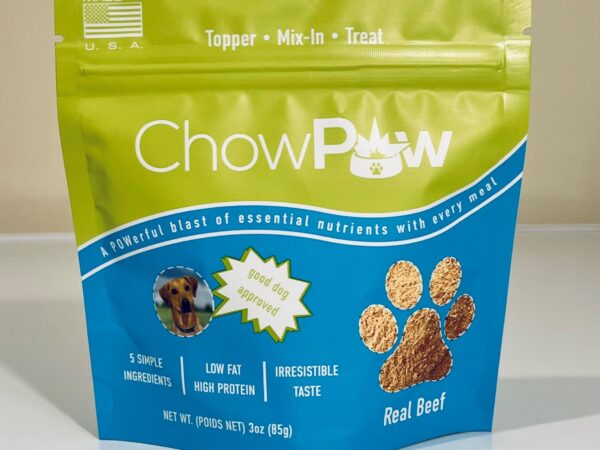 Dog Food Topper - Beef HeartOriginal price was: $14.99.$10.95Current price is: $10.95. - or subscribe and save up to 20%