
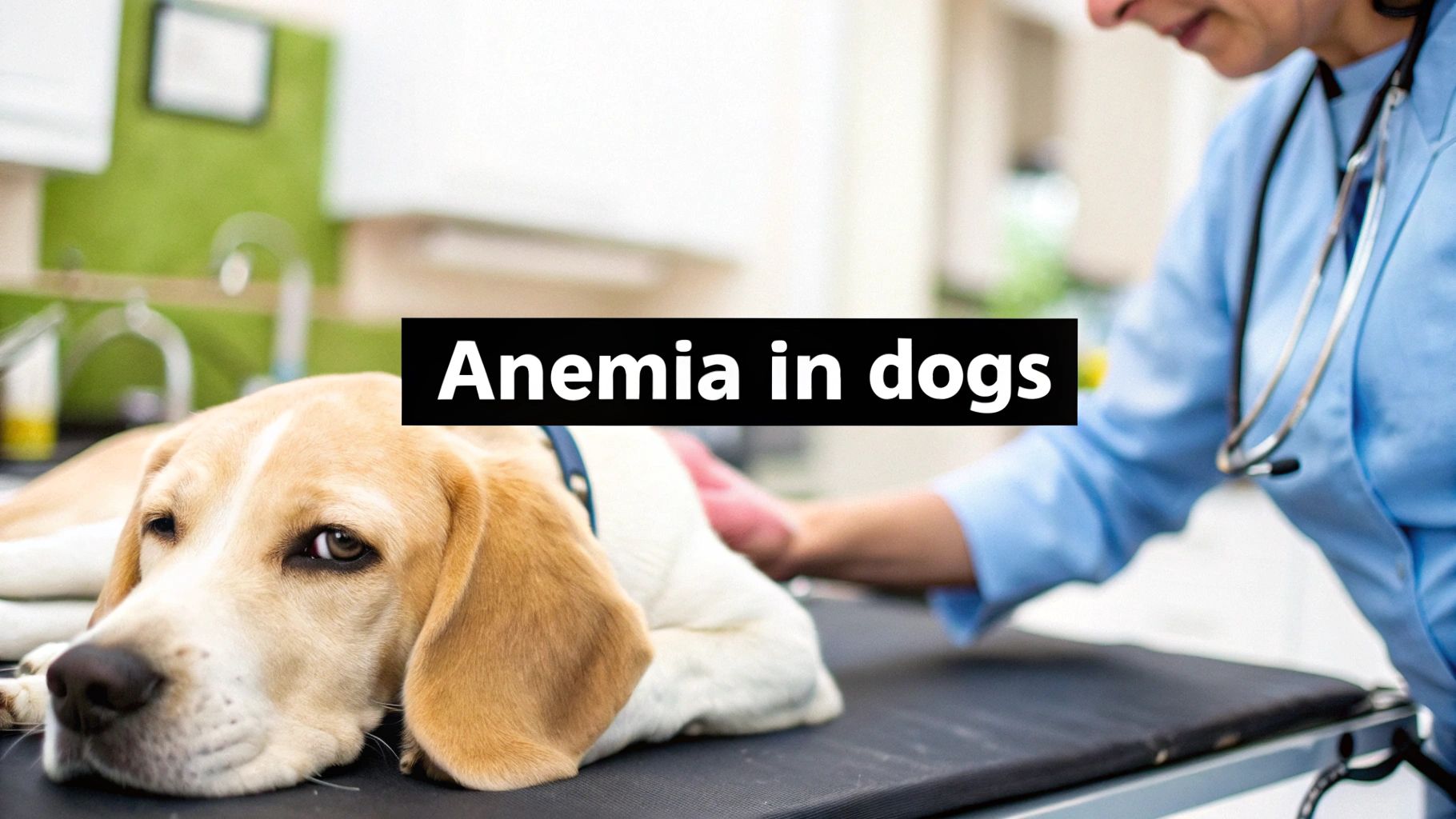
Anemia in Dogs: A Complete Guide for Worried Pet Owners
That sinking feeling you get when the vet says your dog is anemic is something no pet parent wants to experience. But taking a deep breath and understanding what's actually happening is the first step toward getting them back on their paws. The key thing to remember is that anemia in dogs isn't a disease itself. Think of it more like a warning light on your car's dashboard—it's a critical signal that something else under the hood needs immediate attention.
Simply put, an anemic dog has a shortage of healthy red blood cells.
Decoding Anemia in Your Dog
To really get what this means, picture your dog’s bloodstream as a super-busy highway. The red blood cells are the delivery trucks, and their precious cargo is oxygen. These little trucks are constantly on the move, rushing oxygen to every part of the body—the brain, the muscles, the heart—fueling everything your dog does.
When a dog has anemia, there’s a major breakdown in this delivery system. Maybe there aren't enough trucks on the road, or the ones that are there are damaged. Sometimes, the trucks are being destroyed or lost faster than the "factory" (the bone marrow) can build new ones. This oxygen shortage is exactly why the classic signs of anemia are weakness, exhaustion, and a sudden disinterest in their favorite game of fetch.
To help you keep the most important points straight, here’s a quick-glance guide.
Quick Guide to Understanding Canine Anemia
| Key Aspect | What It Means for Your Dog |
|---|---|
| What It Is | A lack of healthy red blood cells, not a disease itself. It's a symptom of an underlying issue. |
| Main Job of Red Blood Cells | To carry oxygen from the lungs to all tissues and organs, providing energy. |
| Core Problem | An oxygen shortage in the body due to too few or faulty red blood cells. |
| Common Signs | Lethargy, weakness, pale gums, rapid breathing, and a general lack of energy. |
| Why It Happens | Can be caused by blood loss (injury/parasites), destruction of red blood cells, or poor production (illness/nutrition). |
This table covers the basics, but it's important to remember that every dog's situation is unique, and your vet is your best resource for a specific diagnosis and treatment plan.
The Role of Nutrition in Blood Health
Just like you can't build a sturdy house with flimsy materials, your dog's body can't produce healthy red blood cells without the right nutritional building blocks. Good nutrition is the absolute foundation of a healthy circulatory system.
A few key players are essential for the red blood cell production line:
- Iron: This is the star of the show. Iron forms the core of hemoglobin, the special protein inside red blood cells that grabs onto oxygen and carries it around the body.
- B Vitamins (especially B12 and Folate): These guys are like the foremen at the bone marrow factory, overseeing the production and proper development of new red blood cells.
- High-Quality Protein: The amino acids from protein provide the fundamental structure for both the red blood cells themselves and the hemoglobin within them.
If your dog is deficient in any of these crucial nutrients, the entire production process can grind to a halt, either causing or seriously worsening certain types of anemia.
Why This Condition is So Common
Anemia is one of the most frequently diagnosed blood disorders in veterinary medicine. It's especially prevalent in areas where vets see a lot of cases tied to parasites and infectious diseases.
In fact, one eye-opening retrospective study that analyzed blood samples from dogs at various clinics found that a shocking 79.6% showed signs of anemia. You can learn more about this research on canine blood disorders in the full study here.
This just goes to show how vital it is for every dog owner to recognize the signs. While the prognosis for anemia is often good, successful treatment hinges entirely on finding and fixing the root cause—whether that's an injury, an infection, or a nutritional gap.
Supportive care during this time is a game-changer, and that includes making sure your dog keeps eating. When a dog feels sick, their appetite is often the first thing to go. For those struggling with their meals, a nutrient-dense meal enhancement like ChowPow can make their regular kibble irresistible again. This helps them get the vital nutrients needed to rebuild their strength. Remember, ChowPow is a supplement designed to boost their current food, not replace it, giving them that extra support to start feeling like themselves again.
Recognizing the Subtle Warning Signs of Anemia
Your dog can’t tell you when they’re feeling off, so it’s up to you to play detective. Anemia in dogs isn't a disease itself but a red flag that something else is wrong. Catching the early, often subtle, changes in their behavior is the first step. Think of these signs as your dog’s way of letting you know their internal "oxygen delivery system" is struggling.
Learning what to look for can help you tell the difference between a lazy afternoon nap and a sign that your dog needs a vet, stat.
The Most Obvious Clue: Pale Gums
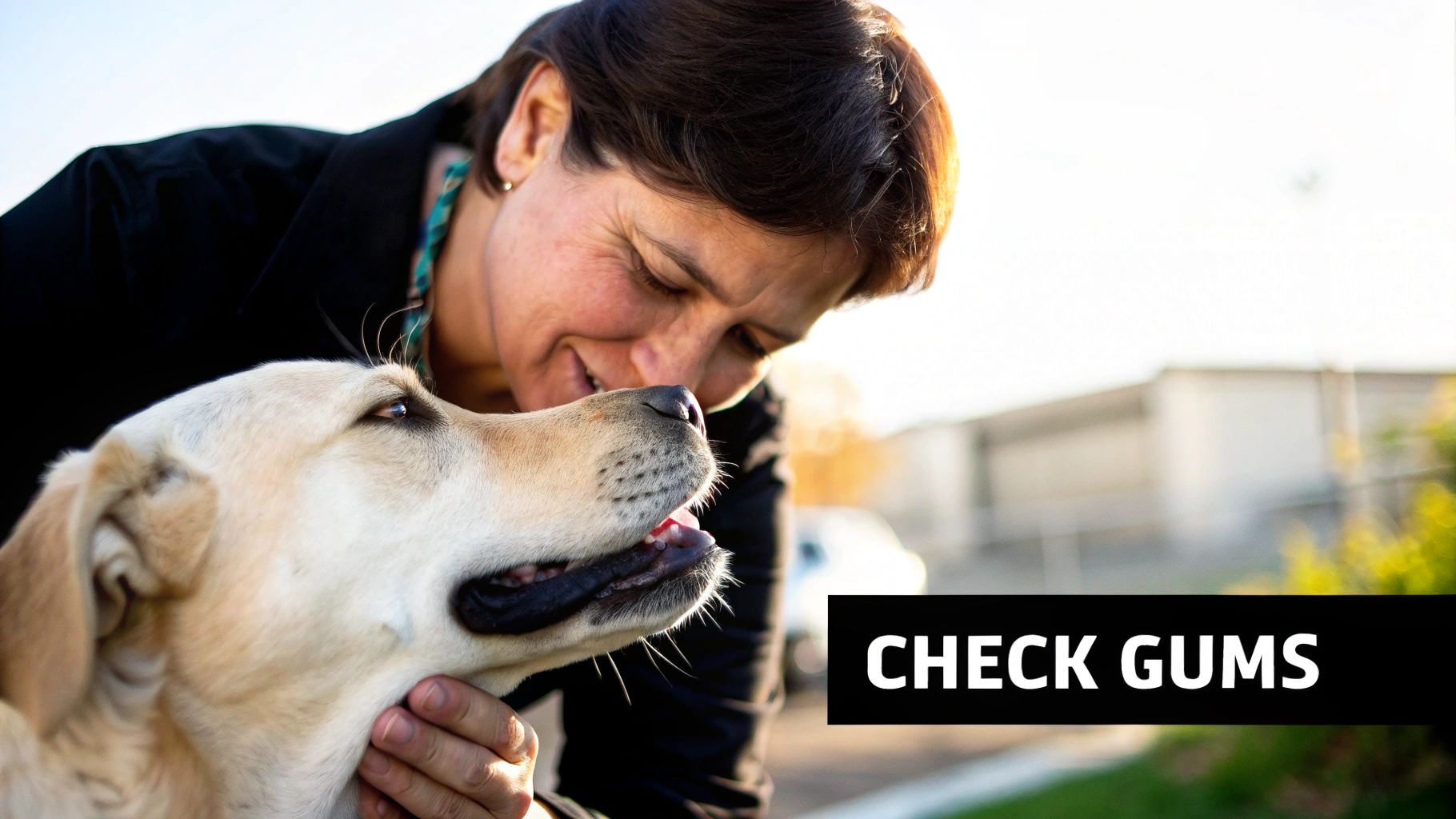
One of the quickest and most direct signs of anemia is a change in the color of your dog's gums. This is an easy check you can do at home right now to see what's normal for your pup.
Gently lift your dog's lip. Healthy gums should be a healthy, bubblegum-pink. If they look pale pink, white, or even have a slightly bluish tint, that’s a major warning sign.
This paleness, known as pale mucous membranes, is a direct result of fewer red blood cells circulating near the surface. With fewer "oxygen delivery trucks" on the road, there's less of that rich, red color that signals healthy blood. It's a clear visual cue that something is amiss inside.
Beyond the Gums: What to Watch For
While pale gums are a classic symptom, other signs often creep in as the oxygen shortage starts affecting your dog’s entire body. These can be easy to brush off if you don’t know they're connected.
Keep an eye out for these key changes in behavior and energy:
- Unusual Lethargy or Weakness: Is your usually playful pup suddenly wiped out after a short walk? Are they having trouble hopping on the couch? This isn't just laziness; their muscles literally aren't getting the oxygen they need to work properly.
- Rapid Breathing: You might notice your dog panting more, even when they’re just resting. Their body is desperately trying to pull in more oxygen to make up for the shortfall in their blood.
- Decreased Appetite: A sudden lack of interest in food, also called anorexia, is a common sign of almost any illness, including anemia. This can quickly spiral into weight loss and even more weakness.
- Pica (Eating Non-Food Items): In some cases, anemic dogs might start eating strange things like dirt or rocks. This is an instinctual attempt to find minerals like iron that their body is craving.
Together, these symptoms paint a picture of a body struggling to meet its most basic energy needs.
When Symptoms Point to a Deeper Problem
The signs of anemia can be broad and overlap with many other health issues. As research shows, the root causes can be incredibly varied. One comprehensive study found that anemic dogs presented with a wide range of problems, from anorexia and tick infestations to vomiting and skin lesions. The study underscores that anemia can stem from anything—blood loss from an injury, poor red blood cell production from kidney disease, or even infections causing red blood cells to break down. To see the full scope of findings, you can explore the research on canine anemia etiologies here.
If you notice any combination of these signs, it's time to call your vet. Quick action is the key to figuring out the underlying cause and getting the right treatment. While your vet is working on a diagnosis, your support at home becomes critical, especially with nutrition. A poor appetite can make recovery much harder, which is where a high-quality meal enhancement like ChowPow can be a huge help. It’s a supplement designed to make their regular food irresistible—not replace it—so they get the crucial nutrients needed to start feeling better.
The Three Main Reasons a Dog Becomes Anemic
When your vet diagnoses your dog with anemia, their job immediately shifts into detective mode. The big question isn't what is wrong—it's why. Think of it like a leaky bucket; you can keep adding water (red blood cells), but unless you find and plug the hole, you'll never solve the problem.
Vets group the causes of anemia in dogs into three main buckets. Figuring out which bucket your dog’s condition falls into is the first step toward creating a targeted, effective treatment plan. The three core causes are blood loss, a slowdown in red blood cell production, and the outright destruction of existing red blood cells.
Cause 1: Blood Loss
This is the most straightforward cause of anemia. Quite simply, your dog is losing blood faster than their body can produce it. But it's not always about a dramatic, obvious injury. While a major accident is a clear culprit, slow, hidden leaks are far more common and can be just as dangerous over the long haul.
This kind of blood loss can be incredibly sneaky. For example, internal bleeding from stomach ulcers or tumors can cause a gradual but steady drop in red blood cells. Parasites are another major offender; a heavy infestation of hookworms or even fleas can literally drain the blood from a dog, which is especially risky for puppies and smaller breeds.
Cause 2: Decreased Red Blood Cell Production
The second major cause points to a problem at the source: the red blood cell "factory." Your dog’s bone marrow is responsible for manufacturing a constant supply of new red blood cells to replace old ones. If this factory slows down production or shuts down completely, anemia is the inevitable result.
Several underlying conditions can sabotage this crucial production line.
| Primary Causes of Anemia in Dogs |
| :— | :— | :— |
| Type of Cause | How It Happens | Common Examples |
| Blood Loss | Red blood cells are physically leaving the body, either quickly or slowly over time. | • Trauma or injury
• Internal bleeding (ulcers, tumors)
• Parasites (hookworms, fleas) |
| Decreased Production | The bone marrow "factory" isn't producing enough new red blood cells. | • Chronic kidney disease
• Nutritional deficiencies (iron, B12)
• Bone marrow diseases (cancer, infections) |
| Red Blood Cell Destruction | Existing red blood cells are being destroyed prematurely within the body. | • Immune-Mediated Hemolytic Anemia (IMHA)
• Tick-borne diseases (Babesia)
• Toxins (onions, zinc) |
Let's look a little closer at what can bring that factory to a halt.
- Chronic Kidney Disease: Healthy kidneys produce a hormone that essentially tells the bone marrow, "Hey, time to make more red blood cells!" When kidney function declines, this signal weakens, and production plummets.
- Nutritional Deficiencies: The factory needs specific raw materials to operate. A lack of key nutrients like iron, copper, and certain B vitamins can bring the assembly line to a screeching halt. Vitamin B12 is especially vital, and you can learn more by checking out our guide on whether your dog needs more B12.
- Bone Marrow Diseases: Sometimes the factory itself is damaged. Cancers or certain infections can invade the bone marrow, severely impairing its ability to create any new cells.
Cause 3: Red Blood Cell Destruction
The final category, called hemolysis, is perhaps the most complex. This is when your dog’s red blood cells are being actively destroyed inside the body. Instead of lasting their normal lifespan, they are being attacked and broken down way too soon. It’s like the delivery trucks are being dismantled on the highway before they can even complete their routes.
Often, this destruction is caused by the body's own immune system, which mistakenly identifies red blood cells as foreign invaders and attacks them. This condition, known as Immune-Mediated Hemolytic Anemia (IMHA), can be a primary disease or triggered by something else entirely.
Tick-borne diseases are a notorious trigger for red blood cell destruction. They introduce parasites into the bloodstream that either directly attack red blood cells or provoke the immune system into doing so, leading to severe anemia.
In fact, some tick-borne illnesses are devastatingly effective at causing this problem. One study focusing on babesiosis, a disease spread by ticks, found that an astounding 77.7% of infected dogs were anemic. This really highlights just how quickly a seemingly small infection can spiral into a life-threatening blood condition. You can discover more insights about these findings from the study.
Other causes of hemolysis include certain toxins (like those found in onions or zinc), specific cancers, and other infectious agents.
How Your Vet Will Diagnose and Treat Anemia
A trip to the vet is never fun when your dog is feeling sick, but knowing what to expect can make the process a little less stressful. If you suspect your dog has anemia, your veterinarian will basically become a detective, piecing together clues to figure out what's really going on.
The whole process kicks off with a thorough physical examination. Your vet will check your dog's gums for that classic pale color, listen to their heart and lungs, gently feel their abdomen for anything unusual, and look for tiny signs of bleeding or bruising you might have missed. This hands-on check-up provides the first critical pieces of the puzzle.
The Power of Blood Work
After the physical exam, the next move is almost always blood work. Your vet will recommend a Complete Blood Count (CBC), which is the absolute gold standard for diagnosing anemia in dogs. Think of it like a detailed inventory of your dog’s entire "oxygen delivery truck" fleet.
A CBC does more than just count red blood cells. It measures their size, shape, and how much hemoglobin they're carrying. The results tell your vet if the anemia is regenerative (meaning the body is trying its best to make new red blood cells) or non-regenerative (the bone marrow isn't kicking into gear). This is a huge clue that points them in the right direction.
To help narrow down the cause, this chart shows the three main pathways a vet will consider.
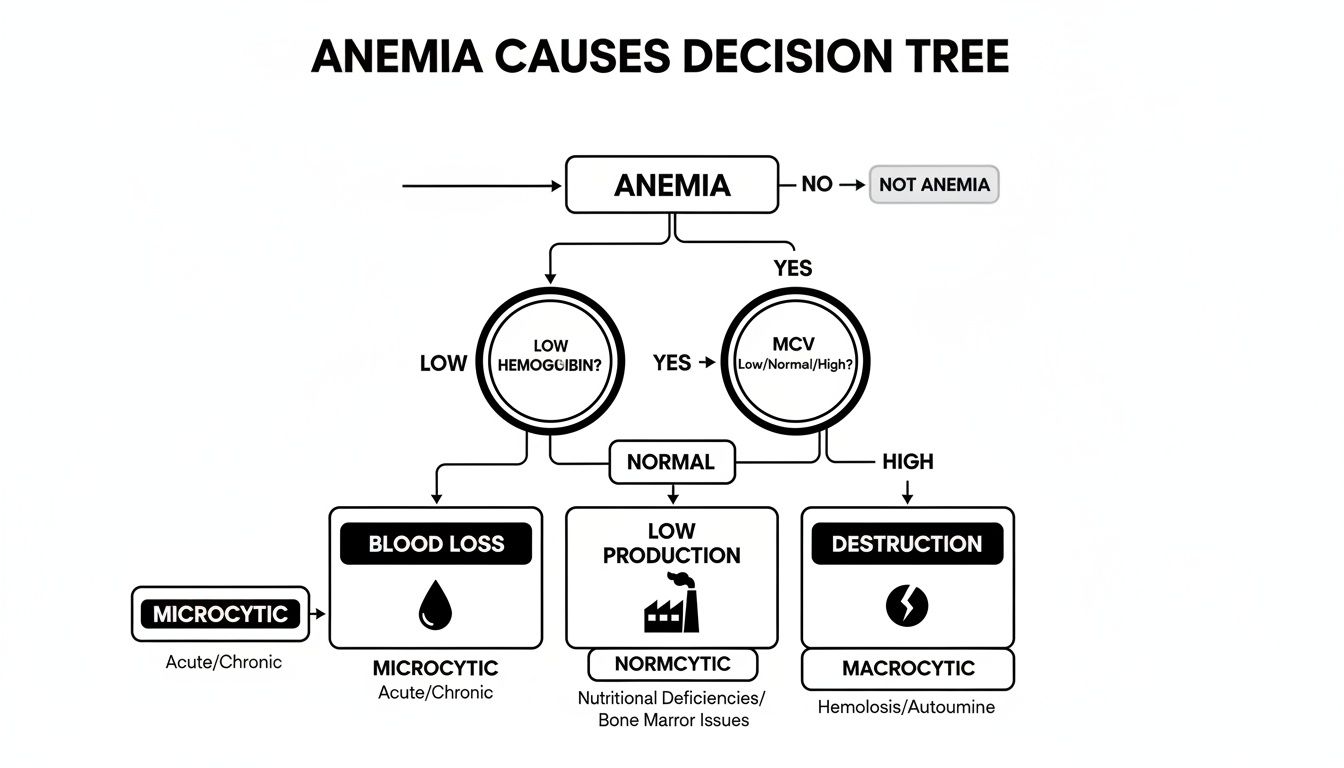
As you can see, once the vet knows whether the anemia is from losing blood, not making enough of it, or having it destroyed, the path to a diagnosis gets much clearer.
Tailoring Treatment to the Cause
Once they have a diagnosis, the treatment plan is built specifically to fix the source of the problem. You can't just "treat" anemia; you have to treat what's causing it. There’s no one-size-fits-all pill here.
The goal is always to address the root cause, which in turn resolves the anemia. Simply managing the symptom without fixing the core issue is not a long-term solution.
Here are a few common scenarios showing how different causes lead to different treatments:
- Parasite Infestations: If nasty hookworms or a severe flea problem are the culprits, the fix involves effective dewormers or flea and tick medications to get rid of the blood-sucking parasites.
- Autoimmune Disease: For conditions where the body is mistakenly attacking its own red blood cells (like IMHA), vets often prescribe immunosuppressive drugs to calm down that overactive immune response.
- Severe Blood Loss: In an emergency, like after an accident or from a ruptured tumor, a blood transfusion is often necessary. This stabilizes your dog and buys the vet precious time to stop the bleeding.
In some complex cases, your vet might recommend more advanced therapies, like a veterinary hyperbaric chamber, which helps flood the body's tissues with oxygen. Whatever the situation, your vet will walk you through the best options for your specific dog.
Boosting Your Dog's Recovery with Nutritional Support
Once your vet has a treatment plan locked in, your role in your dog's recovery journey becomes absolutely vital. Bringing them home is a massive step, and the supportive care you provide can make all the difference in the world. A recovering body is working overtime, and it desperately needs the right fuel and building blocks to start manufacturing new, healthy red blood cells.

But here's the catch, and it's a big one for many pet owners: a poor appetite. When a dog feels crummy, the first thing to go is their interest in food. This makes it incredibly tough to get them the calories and nutrients they need to heal.
Why Appetite Is a Hurdle in Recovery
A lack of appetite—or anorexia, as it’s clinically known—is a classic sign in dogs suffering from anemia and its many underlying causes. This kicks off a frustrating cycle: the body needs more nutrients to get better, but the dog feels too sick to even look at their food bowl. Forcing them to eat is a no-go; it can create a negative association with food, making the problem even worse.
This is where you can step in with some loving, practical support. Instead of trying to overhaul their entire diet (which should always be done with your vet's guidance), you can focus on making their existing food more appealing.
Enhancing Their Diet Without Replacing It
The solution isn't to abruptly switch foods, especially if your vet has prescribed a specific therapeutic diet. The real goal is to enhance what they’re already eating. This is where a high-quality, nutrient-dense meal topper becomes one of the most valuable tools in your toolkit.
A thoughtfully formulated meal enhancement supplement like ChowPow is designed to pull double duty:
- Boost Palatability: Made from dehydrated beef heart, its rich, meaty aroma is practically irresistible to most dogs. It's designed to tempt even the pickiest or most nauseous pup to take an interest in their food again.
- Increase Nutritional Value: It adds a concentrated shot of high-quality protein and essential nutrients right on top of their regular kibble, giving their body extra resources to work with.
ChowPow is not a replacement for your dog's food; think of it as a powerful supplement to boost their existing diet. By simply sprinkling it over their regular meals, you can make their vet-approved food more enticing and nutrient-rich, helping them get what they need to heal.
Key Nutrients for Building Red Blood Cells
When a dog is recovering from anemia, their body is screaming out for specific nutrients that are directly involved in creating red blood cells. A good meal topper helps deliver these critical building blocks in a highly digestible form.
- Iron: This mineral is the absolute cornerstone of hemoglobin, the protein that lets red blood cells carry oxygen. Without enough iron, the body simply can't produce functional red blood cells. You can dive deeper into the vital role of iron in a dog's diet [https://chowpownow.com/is-iron-good-for-dogs-the-vital-role-of-this-mineral/] in our detailed guide.
- B Vitamins: Vitamins like B12 and folate are essential for the maturation of red blood cells inside the bone marrow. A deficiency can lead to improperly formed cells, making the anemia worse.
- High-Quality Protein: The amino acids from protein are the fundamental materials used to build the red blood cells themselves.
By encouraging your dog to eat their balanced diet with an appealing topper, you ensure they're getting these critical components. For more comprehensive support, you might also look into options like finding the best multivitamin for dogs to cover all the bases. Just be sure to run any new supplement by your vet first.
This simple act of enhancing their meal gives you a practical, loving way to support their healing journey right when they need you the most.
Answering Your Questions About Anemia in Dogs
When you’re facing a diagnosis like anemia in your dog, it’s completely normal to have a million questions swirling around. Getting clear, straightforward answers can make a world of difference, helping you feel more in control and confident as you care for your best friend.
Let's tackle some of the most common questions we hear from worried dog parents.
Can I Prevent My Dog From Getting Anemia?
That's the million-dollar question, isn't it? While you can't wrap your dog in bubble wrap and prevent every possible illness, you absolutely can take powerful, proactive steps to dramatically lower their risk. Think of it as building a strong defense against the most common culprits.
Here’s what that defense strategy looks like:
- Year-Round Parasite Control: This one is non-negotiable. Keeping your dog on a high-quality flea and tick preventative is your front line. It stops blood loss from a nasty infestation and blocks the transmission of tick-borne diseases that love to destroy red blood cells.
- A Solid Deworming Schedule: Don't forget the inside intruders! Internal parasites like hookworms are infamous for causing anemia, especially in young puppies. Stick to the deworming schedule your vet recommends.
- A Balanced, Nutritious Diet: Good health starts in the food bowl. A complete and balanced diet gives your dog's body the essential building blocks—we're talking iron, protein, and B vitamins—needed to produce healthy red blood cells day in and day out.
- Routine Vet Check-Ups: Those annual wellness exams are more than just shots. They are your vet’s best opportunity to spot underlying problems like chronic kidney disease or hidden tumors early on, well before they escalate into severe anemia.
How Long Does It Take for a Dog to Recover?
The honest answer? It truly depends. The recovery timeline for anemia is all over the map because it’s tied directly to the reason for the anemia and how severe it is. There's no one-size-fits-all schedule.
For example, a dog with anemia from a simple flea infestation might start bouncing back within a couple of weeks once the parasites are gone. You'll see their energy return and their gums pink up as their body gets busy making new red blood cells.
But for a dog battling a complex condition like Immune-Mediated Hemolytic Anemia (IMHA) or recovering from anemia caused by chronic disease, the road is much longer. This journey can take weeks, or even months, of dedicated treatment and careful monitoring.
Sometimes, a dog has lost so much blood that their body is in crisis. In these critical situations, a blood transfusion is an immediate, life-saving measure that buys the veterinary team precious time to diagnose and treat the root cause.
Your veterinarian is your best source for a realistic timeline. They can give you a clearer picture based on your dog's specific diagnosis and how they're responding to treatment.
Should I Give My Anemic Dog an Iron Supplement Like ChowPow?
This is a fantastic and important question, but one that requires a big dose of caution. It is absolutely critical to talk to your vet before adding any new supplement to your dog's diet, especially when they're sick.
Why? Because not all anemia is caused by an iron deficiency. Giving extra iron when it isn’t needed won't help and could potentially cause harm.
ChowPow is a nutritional meal enhancement supplement, not a high-dose iron treatment. Its main benefit is boosting your dog's appetite and adding a layer of high-value nutrition to their meals. This is a game-changer because one of the biggest hurdles in recovery is getting a sick, tired dog to eat. If they won't eat, they can't heal.
If you’re struggling to get your pup interested in their food, our guide on how to get a sick dog to eat has some great tips.
Always run it by your vet before adding a meal supplement like ChowPow. They can ensure it’s a safe and smart addition to your dog’s specific treatment plan.
At ChowPow, we know that good nutrition is the bedrock of good health. If your dog needs a little encouragement to clean their bowl during recovery, our beef heart topper can make their food irresistible. It's a supplement that helps ensure they get the vital nutrients they need to get back on all four paws by boosting the value of their existing kibble. Find out more about how we can support your dog on their journey back to health at https://chowpownow.com.
-
Product on sale
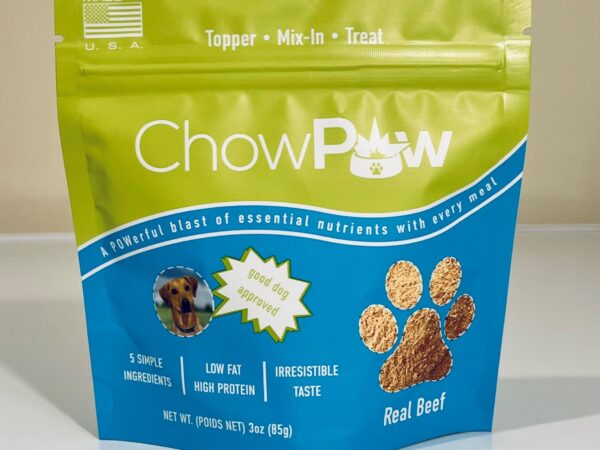 Dog Food Topper - Beef HeartOriginal price was: $14.99.$10.95Current price is: $10.95. - or subscribe and save up to 20%