
Are Cough Drops Bad for Dogs? a Vet-Reviewed Guide
Yes, cough drops can be very dangerous for dogs, but the level of risk depends entirely on the ingredients. If your dog just ate one, check the package right away for xylitol or benzocaine, because those ingredients can turn a simple mistake into an emergency.
A lot of owners end up here in the same moment. There's a torn wrapper on the floor, your dog looks pleased with themself, and you're trying to figure out whether this is a minor problem or a rush-to-the-vet situation. The hard part is that cough drops don't all pose the same risk.
Some are mostly an irritation issue. Others can affect blood sugar, the liver, oxygen delivery, or create a choking or blockage problem if the candy or wrapper was swallowed. That's why the fastest way to move from panic to a plan is to identify exactly what your dog got into.
Your Dog Ate a Cough Drop What Now
First, take a breath and slow the moment down. Panic makes it harder to notice the details your veterinarian will need.
Start with three immediate checks:
- Look in your dog's mouth. If you can do it safely, remove any remaining pieces of cough drop or wrapper.
- Find the package. The ingredient list matters more than the brand name.
- Estimate what happened. Try to figure out how many drops are missing and whether wrappers were swallowed too.
If your dog grabbed the cough drop from a purse, coat pocket, or nightstand, search that area for extra wrappers or loose drops. Dogs often find more than one. A hard candy can be risky even before you get to the ingredient list, especially if your dog gulped it whole.
What matters most in the first few minutes
The key question isn't just, “Are cough drops bad for dogs?” It's, “Which cough drop was it?”
A sugar-free label should make you extra cautious, because some formulations contain xylitol. If you see medication-related ingredients such as benzocaine, that raises concern too. If the package is missing, look for the same product online or check purchase history, but don't delay calling your vet while you search.
Practical rule: If you don't know the ingredients, treat the situation as potentially urgent until a veterinary professional tells you otherwise.
A calm response helps your dog more than a rushed one. Keep your dog in one room, prevent more scavenging, and have your phone, the package, and your dog's rough weight ready before you call.
It also helps to keep emergency supplies and important numbers in one place. If you don't already have that set up, this guide to a dog emergency kit checklist is worth saving for later.
What not to do
Don't offer random home remedies. Don't assume “just one” means safe. And don't wait for symptoms if you suspect the drop contained a higher-risk ingredient.
Some dogs look completely normal right after ingestion. That doesn't always mean the danger has passed.
Decoding the Dangers in a Cough Drop
A cough drop is a little like a recipe. One ingredient may be irritating, another may be dangerous, and another may add a physical hazard because the candy is hard and easy to swallow whole.

The ingredients that change the level of risk
Pet toxicology sources warn that cough drops can contain multiple ingredients that are problematic for dogs, including sugar, menthol, eucalyptus oil, flavorings, and sometimes xylitol or benzocaine. Pet Poison Helpline notes that xylitol exposure can cause hypoglycemia and liver damage, while the ASPCA notes that benzocaine can lead to methemoglobinemia, a rare but life-threatening condition that reduces oxygen delivery to tissues, as explained in Pet Poison Helpline's cough drop warning.
That's why ingredient checking comes first. The danger doesn't come from the words “cough drop” by themselves. It comes from what's inside that specific product.
Here's a simple way to think about the common troublemakers:
| Ingredient | Commonly Found In | Symptoms in Dogs |
|---|---|---|
| Xylitol | Sugar-free cough drops | Hypoglycemia, weakness, vomiting, possible liver injury |
| Benzocaine | Medicated throat or numbing drops | Reduced oxygen delivery from methemoglobinemia, weakness, fast breathing |
| Menthol | Many medicated cough drops | Oral and GI irritation, vomiting, diarrhea, lethargy, reduced coordination |
| Eucalyptus oil | Herbal or menthol-style drops | Stomach irritation and upset |
| Sugar and wrappers | Standard hard candy cough drops | GI upset, choking, or obstruction risk |
Why labels can be confusing
Owners often get tripped up by words like “herbal,” “natural,” or “soothing.” Those labels don't tell you whether the drop is safe for a dog. A product can sound gentle for people and still be a poor fit for a pet.
The ASPCA explains that cough drops are clinically risky because different formulations contain agents with different mechanisms of harm. Menthol and eucalyptus may act more like irritants, while xylitol can affect blood sugar and the liver, and benzocaine can affect oxygen delivery, as described in the ASPCA's overview of cough drop toxicity in pets.
If the ingredient list includes xylitol or benzocaine, don't try to “watch and wait” at home unless your veterinarian specifically tells you to.
That one step, reading the label carefully, often turns a vague scare into a clear next move.
Cough Drop Toxicity Signs and Symptoms
Some signs show up fast. Others are easy to miss at first because they can look like simple stomach upset or stress.

If your dog swallowed a cough drop, watch both for chemical effects and for physical problems from the candy itself. A dog that swallowed several at once, or swallowed wrappers too, may be at risk for choking or obstruction.
Signs you might notice early
Pet Poison Helpline notes that menthol-containing drops can irritate the oral and GI tract, with symptoms such as vomiting, diarrhea, abdominal pain, lethargy, and reduced coordination often appearing within about an hour. The same guidance warns that cough drops can also create a choking or obstruction risk, especially if several candies or wrappers were ingested, in their guidance on menthol exposure in dogs.
Watch for these changes:
- Vomiting or diarrhea: Common with GI irritation.
- Weakness or unusual tiredness: This can signal more than a simple upset stomach.
- Fast breathing: A concerning sign that deserves prompt veterinary attention.
- Reduced coordination: Stumbling, wobbling, or seeming “off.”
- Abdominal pain: Restlessness, a tense belly, or reluctance to move.
- Swelling of the face or jaw: Reported as a possible symptom after ingestion.
- Jaundice: Yellowing of the gums, eyes, or skin tone where visible.
- Trouble swallowing, gagging, or repeated retching: These can point to choking or a lodged wrapper.
A short visual refresher can help you spot subtle distress signals:
When “seems fine” is not reassuring enough
Dogs don't always show immediate, dramatic symptoms. Some stay bright and alert right after swallowing something they shouldn't.
A normal-looking dog can still need urgent care if the ingredient list includes a known high-risk ingredient.
That's why your timeline matters. If your dog ate the drop recently, tell the clinic when it happened, what signs you've seen so far, and whether anything has changed since the first few minutes.
Your Emergency Action Plan Step by Step
When there's any doubt, your safest move is to act as if the cough drop could be medically important until a veterinary professional says otherwise.

The five-step response
Secure your dog and the area
Move your dog away from the spill, bag, purse, or nightstand. Pick up all remaining drops and wrappers.Keep the packaging with you
Bring the bag, box, or wrapper when you call. If it's sugar-free or medicated, mention that immediately.Call your veterinarian right away
Time matters most when risky ingredients may be involved. Be ready to share the ingredient list, how many drops may be missing, whether wrappers were swallowed, and your dog's approximate size.Follow professional instructions exactly
Different ingredients create different problems, so treatment advice may vary from one product to another.Monitor for changes while you wait or travel
Pay attention to breathing, energy level, vomiting, coordination, and signs of choking.
One thing you should not do at home
Do not induce vomiting unless a veterinary professional specifically instructs you to do so. Pet poison guidance warns against home vomiting attempts because care may require professional decontamination and monitoring.
The ASPCA's toxicology guidance emphasizes that these products are risky because they may combine ingredients with different mechanisms of harm. That's why checking the label and seeking prompt professional help is the right response, not guessing based on whether the drop looked “mild” for humans.
If you're wondering whether another over-the-counter product might help after an upset stomach, be careful with that too. Human medications can create their own problems. This article on whether dogs can have Pepto-Bismol gives a helpful example of why it's smart to check first rather than improvise.
Bring the packaging, not just the brand name. Two products from the same brand can have very different ingredient lists.
How to Prevent a Future Scare
Most cough drop accidents happen in ordinary places. A purse on the floor. A jacket pocket hanging off a chair. A bedside table your dog can reach with one determined stretch.
Prevention works best when you treat cough drops the same way you treat prescription medicine. They aren't candy for pets, even if they smell sweet or fruity.
Habits that make a real difference
- Store them high and closed up: Use a cabinet, drawer, or zippered bag your dog can't access.
- Check pockets before laundry day: Loose drops often stay hidden in hoodies, coats, and backpacks.
- Watch guest belongings: Visitors may leave bags on the floor without realizing your dog is a scavenger.
- Do a quick floor scan: After a cold, travel day, or family visit, check under beds, couches, and car seats.
- Teach one household rule: Human medicine stays out of paw reach, every time.

Why prevention matters more than guessing later
Once a dog swallows a cough drop, you're left reconstructing the scene. Which product was it? How many were eaten? Was there a wrapper? Did the dog chew it or gulp it whole?
It's much easier to prevent the problem than to answer those questions under stress. Small storage habits remove a surprising number of household risks.
Safer Soothing and Smart Medication Tips
If your dog is coughing, a human cough drop isn't the answer. Dogs cough for many reasons, including airway irritation, infection, heart-related issues, kennel cough, collapsing airway, or something stuck in the throat. The right treatment depends on the cause, so the first step is calling your veterinarian.
For mild irritation, your vet may suggest simple supportive care such as humidity or rest, depending on the situation. What matters is that the plan comes from a dog-specific diagnosis, not from the medicine cabinet.
Making prescribed medicine easier
A lot of owners run into a second problem after the vet visit. The dog needs medication, but won't take the pill or turns away from food.
There are a few practical ways to help:
- Ask about approved hiding methods: Your vet can tell you whether the medication can be given with food.
- Use a small food topper if allowed: A topper can help mask taste and boost interest in the meal.
- Keep portions small around the pill: You want the dog to eat the dose, not pick around it.
- Stay consistent: Same routine, same bowl, and a calm tone help many dogs accept meds more easily.
If your veterinarian says it's appropriate to mix medication with food, ChowPow can be used as a meal enhancer over your dog's current kibble to make food more appealing or help disguise medicine. It's a topper, not a replacement for your dog's regular diet. If pill time is a struggle in your house, this guide on how to give a dog a pill with ease is a practical next read.
The big takeaway is simple. Human cough drops are for people. Dog coughing needs dog-specific care.
If you want a simple way to make your dog's regular food more appealing during recovery, picky phases, or medication time, ChowPow is a dehydrated beef heart topper you can sprinkle over kibble as a nutritional boost, not a meal replacement.
-
Product on sale
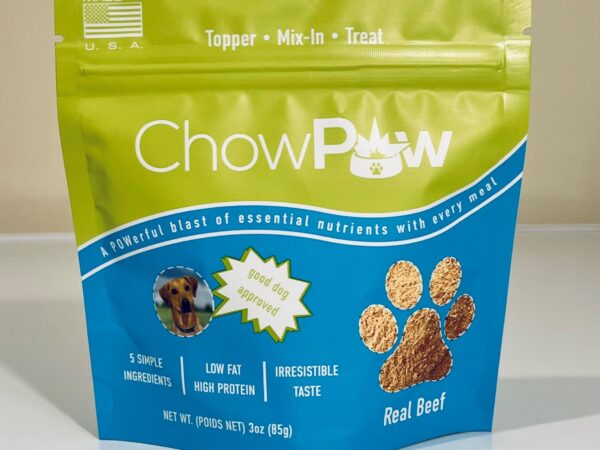 Dog Food Topper - Beef HeartOriginal price was: $14.99.$10.95Current price is: $10.95. - or subscribe and save up to 20%