

Are Cucumbers Good for Dogs? A Vet-Approved Guide
Thinking about sharing a crunchy snack from your salad bowl with your dog? When it comes to cucumbers, you can absolutely go for it. In fact, many vets give them a thumbs-up as a healthy, safe, and hydrating treat—a fantastic alternative to those fatty, store-bought biscuits.
Think of them as nature's crunchy water sticks for your pup.
The Short Answer: Yes, but With a Few Rules
It's a common question: "Is it okay to give my dog a slice of this?" For cucumbers, the answer is a big, resounding "yes," but you'll want to follow a few simple guidelines to make sure it's a great experience for your dog.
They're an amazing, guilt-free snack, especially for dogs who need a little help managing their weight.

What makes them so great? Unlike a lot of other treats, cucumbers are incredibly low-calorie, packing just 8 calories per half-cup of slices. Plus, they're made of about 96% water, making them the perfect snack to help keep your dog hydrated on a hot day or after a good run in the park.
You can feel good knowing they're completely non-toxic and a fun way to mix things up in your dog's snack routine. For a deeper dive into their nutritional profile, the AKC offers some great insights.
Cucumbers for Dogs: At a Glance
To make it even simpler, here's a quick breakdown of the good and the "good-to-know" before you start chopping. This little summary shows why this green veggie is such a great treat and what to keep in mind.
| Benefit or Risk | Key Details | What It Means for Your Dog |
|---|---|---|
| Benefit | Low in Calories | An excellent treat for weight management without adding extra pounds. |
| Benefit | High Water Content | Helps keep your dog hydrated, supporting kidney function and overall health. |
| Benefit | Packed with Nutrients | Provides small amounts of vitamins like K and C, which support bone and immune health. |
| Risk | Digestive Upset | Overfeeding can lead to an upset stomach or diarrhea due to the high water and fiber content. |
| Risk | Choking Hazard | Large, uncut pieces can be a choking risk, especially for small dogs or fast eaters. |
When it comes down to it, the key takeaways are simple: moderation is your friend, and proper preparation is everything. Get those two things right, and your dog has a new favorite healthy snack.
The Real Health Benefits Hiding in Cucumbers
Sure, cucumbers are a safe, crunchy snack, but they're also hiding a surprising number of health perks for your dog. Don't just think of them as a treat; they're a small, green powerhouse of hydration and nutrients.
The biggest win here is their incredible water content. Since they're made of 96% water, a few cucumber slices are basically like giving your dog a refreshing drink in a solid, crunchy form. This makes them an absolutely fantastic snack during those hot summer months or after a good run at the park, helping to top up their fluids and keep their kidneys happy.
A Nutrient-Rich Low-Calorie Snack
When you stack them up against many commercial dog biscuits that are often packed with calories and fillers, cucumbers are a brilliant choice for weight management. A half-cup of slices has only about 8 calories, so you can treat your dog without stressing about adding extra pounds.
This makes them an ideal reward for pups on a diet or those breeds that tend to gain weight easily. But it’s not just about what they don't have; it's also about what they bring to the table. Cucumbers contain a few important vitamins and minerals that support your dog's health:
- Vitamin K: This essential vitamin is a big player in blood clotting and helps build strong bones. A little boost can go a long way in supporting your dog’s skeletal health and resilience.
- Potassium: An important mineral that helps keep your dog’s heart, nerves, and muscles functioning just right.
- Fiber: Cucumbers contain a modest amount of fiber, which helps keep things moving smoothly in the digestive tract. To get the full scoop on how it works, you can read our guide on the benefits of fiber for canine digestion.
By offering a low-calorie treat rich in water and essential nutrients, you're not just giving your dog a snack—you're contributing to their hydration, helping manage their weight, and supporting vital bodily functions all at once.
Now, while cucumbers have these great benefits, they aren't a complete meal. They're missing the high-quality protein and essential amino acids your dog needs for muscle development and energy. That’s where their regular balanced diet comes in.
This is exactly why pairing a healthy snack like cucumber with a nutrient-dense supplement can be so effective. Adding a sprinkle of a high-quality meal enhancement like ChowPow not only makes the treat more exciting (especially for picky eaters) but also fills in those nutritional gaps. Just remember, ChowPow is designed to boost the nutritional value of your dog’s current kibble or healthy snacks, not replace their core meals. It’s a simple way to ensure they get the best of both worlds—a delicious, hydrating treat and the vital nutrients they need to thrive.
How to Prepare Cucumbers for Your Dog
Serving cucumbers to your dog is super simple, but a little bit of prep work goes a long way in keeping it a safe and fun snack. Just a few quick steps will make sure your pup gets all the crunchy goodness without any of the risks.
First thing’s first: wash the cucumber thoroughly. Just like any fruit or veggie you'd grab for yourself, the skin can have pesticides or bacteria hanging around. A good rinse under cool running water is all you need to get it clean and ready.
Next up, you have to decide whether to peel it or not. While the skin isn't toxic, it can be pretty tough and fibrous. For dogs with sensitive tummies, little puppies, or senior dogs, peeling the cucumber is always the safest bet to head off any potential digestive issues.
Creating Choke-Proof Pieces
Once it’s washed and (maybe) peeled, it’s time to chop. The whole point is to cut pieces that are just the right size for your dog to avoid any choking hazards. Knowing some various types of vegetable cutting techniques can be surprisingly helpful here to create safe, bite-sized morsels that match your dog's size.
Here’s a quick guide to get you started:
- For small breeds (like a Yorkie or Chihuahua): Think tiny. Dice the cucumber into small cubes, maybe a quarter-inch thick, so they're easy to chew and swallow safely.
- For medium breeds (like a Beagle or Corgi): You can go a bit bigger. Thin, round slices or half-inch cubes usually work great.
- For large breeds (like a Golden Retriever or German Shepherd): They can handle more. Sturdy spears or thicker, coin-shaped slices are perfect for their larger mouths.
This infographic breaks down the main benefits you unlock by preparing this simple veggie for your dog.

As you can see, a little prep work makes it easy to tap into the cucumber's value for hydration, nutrition, and healthy weight management.
A Critical Rule: Never Break It
Here’s one thing you should never, ever give your dog: a pickle. Pickles are just cucumbers that have been soaked in a salty, vinegary brine, often with spices that are toxic to dogs, like garlic and onions. The incredibly high sodium content alone can cause serious problems, from dehydration to sodium ion poisoning. Just stick to fresh, plain cucumbers.
If you're on the hunt for other safe and healthy fruit options, check out our guide on whether apples are good for dogs.
Turning a simple, healthy snack into a powerhouse treat is easy. While cucumbers provide hydration, they lack protein and essential amino acids. Sprinkling a bit of ChowPow over the slices fills this gap, creating a nutrient-dense reward that even the pickiest dogs can't resist.
Remember, ChowPow is a meal enhancement designed to boost the value of your dog's kibble or healthy snacks—it's not a meal replacement. This simple addition makes snack time both exciting and exceptionally nutritious, supporting your dog's overall wellness one crunchy bite at a time.
Finding the Right Portion Size for Your Dog
Figuring out just how much cucumber to give your dog can feel like a guessing game, but it really doesn't have to be. The secret to safely sharing this crunchy, hydrating snack comes down to one simple guideline that veterinarians swear by: the 10% Rule.
This is a foundational principle in canine nutrition, and it’s pretty straightforward. It just means that treats—of any kind—should never make up more than 10% of your dog’s total daily calories.
Think of it this way: your dog’s daily kibble is their main course, carefully balanced with all the essential nutrients they need to thrive. Treats, including fresh veggies like cucumber, are the occasional side dish. They're a fun bonus, not a meal replacement. Sticking to this rule is the best way to prevent weight gain and ensure their core diet isn't thrown out of whack.
This is especially important because going overboard on any treat, even a healthy one, can lead to a bit of tummy trouble. Piling on too much water and fiber from cucumbers all at once might cause an upset stomach, gas, or diarrhea. The best approach is always to start small. Offer a single piece and see how your dog's system handles it before making cucumbers a regular part of their snack routine.
A Simple Serving Guide Based on Weight
To take the guesswork completely out of the equation, you can just follow some simple size-specific recommendations. This helps you dole out a safe amount every single time and minimizes the risk of gastrointestinal issues. After all, overfeeding is one of the most common reasons a dog might get an upset stomach when trying a new food.
Here's a practical breakdown you can use as your guide:
Daily Cucumber Serving Guide by Dog Weight
To make things crystal clear, this table shows you exactly how many bite-sized pieces of cucumber are appropriate for your dog's weight.
| Dog Size (Weight) | Daily Serving Recommendation (Bite-Sized Pieces) |
|---|---|
| Extra-Small (2-10 lbs) | 1-2 small pieces per day |
| Small (11-20 lbs) | 2-3 pieces per day |
| Medium (21-50 lbs) | 3-4 pieces per day |
| Large (51-90 lbs) | 4-5 pieces per day |
| Extra-Large (91+ lbs) | 5-6 pieces per day |
Sticking to these amounts is a great way to safely incorporate fresh veggies into their diet. For a deeper dive, you can learn more about these serving guidelines and general safety on Chewy.com.
Remember, these are guidelines for the total amount of treats per day. If you’re also giving your pup a dental chew or some training treats, you’ll need to cut back on the cucumber to stay within that crucial 10% limit.
Even a healthy treat can be made better. While cucumbers are fantastic for hydration, they don't offer much in the protein department. Sprinkling a bit of ChowPow on top adds a welcome boost of high-quality protein and other essential nutrients, turning a simple snack into a more complete and satisfying reward. Just remember that ChowPow is a supplement meant to enhance your dog’s meals or healthy snacks, not replace them.
Let's Talk Potential Risks: What Every Dog Owner Should Know
While cucumbers are an overwhelmingly safe and healthy snack for most pups, being a responsible pet parent means knowing what to watch out for. Problems are pretty rare, but it's always smart to understand the potential downsides before adding any new food to your dog's bowl.
The most common issue really just comes down to overdoing it. Think of your dog's digestive system as a finely tuned machine; suddenly flooding it with a high-water, high-fiber food can throw things off balance. This can sometimes lead to a bit of temporary tummy trouble.
Digestive Discomfort from Overfeeding
You know the saying—too much of a good thing. Because cucumbers are about 96% water, giving your dog too many slices at once is like having them chug a big glass of fiber-rich water. For some dogs, especially those with sensitive stomachs, that sudden influx can be a bit much for their gut to handle.
Overfeeding cucumbers can definitely trigger some digestive upset. If portions get too big, you might see symptoms like diarrhea, vomiting, or gas. In fact, studies and vet reports suggest that too much watery fiber can disrupt the stomachs of 20-30% of sensitive dogs, particularly pups who are new to the veggie or already have known tummy issues. You can find more insights about cucumber safety for dogs on phys.org.
The key signs to watch for are pretty straightforward:
- Gas or Bloating: A rumbly, gurgly tummy might be the first sign they've had a few too many.
- Loose Stools or Diarrhea: This is the most common symptom of overindulgence.
- Vomiting: It’s less common than diarrhea, but it can happen if their stomach is particularly sensitive.
The fix is simple: stick to the 10% Rule and follow the portion sizes we recommended for your dog's weight.
Allergic Reactions (Though Rare)
First off, true food allergies in dogs aren't as common as many people think, and an allergy to cucumbers is exceptionally rare. But, it's not impossible. An allergic reaction is just the immune system getting confused and mistakenly identifying something harmless—in this case, cucumber—as a threat.
While an allergic reaction to cucumbers is highly unlikely, affecting less than 1% of dogs, it's important to know the signs. Always introduce new foods one at a time so you can easily pinpoint the cause if any adverse reaction pops up.
Symptoms of a potential allergic reaction can range from mild to more severe. Keep an eye out for any of these signs after giving your dog cucumber for the first time:
- Itching or excessive scratching
- Hives or red, irritated patches on the skin
- Swelling around the face, lips, or ears
- Vomiting or diarrhea (which, remember, can also just be from overfeeding)
- Difficulty breathing (this is a rare but serious sign)
If you spot any of these symptoms, stop feeding cucumbers immediately and give your veterinarian a call for guidance. By understanding these small but possible risks, you can feel confident sharing this healthy treat, knowing exactly what to look for to keep snack time safe and fun.
Elevate Snack Time with a ChowPow Boost
Cucumbers are a fantastic, hydrating snack with a satisfying crunch, but on their own, they aren't exactly a nutritional powerhouse for your dog. Think of them as a healthy, hydrating base, kind of like a plain salad for us. It's good, but it could be so much more. This is where a simple sprinkle of ChowPow can turn a basic snack into a super-treat.
While cucumbers bring some great vitamins to the table, they're missing the high-quality protein and essential amino acids your dog needs for strong muscles and steady energy. That's the exact nutritional gap ChowPow was created to fill.

Creating a Nutrient-Dense Reward
Just sprinkle our dehydrated beef heart topper over some fresh cucumber slices, and you've created a perfectly balanced, high-value reward. The savory, meaty flavor of the beef heart instantly makes those cucumbers way more interesting, even for picky eaters who might normally turn their noses up at plain veggies.
This simple combo delivers:
- Essential Protein: For muscle maintenance and repair.
- Vital Amino Acids: Crucial for their overall health and well-being.
- Irresistible Flavor: To boost your dog's appetite and make healthy snacking fun.
It’s important to remember that ChowPow is a meal enhancement, not a full meal replacement. Its job is to amp up the nutritional value of their regular kibble or healthy snacks like cucumbers, making sure they get the most out of every single bite.
Pairing the cool hydration of cucumbers with the protein punch of ChowPow creates a synergistic snack. It's a combo that supports appetite, energy, and overall vitality in dogs of all ages.
This is the perfect way to add more substance to their treats without piling on unnecessary calories or fillers. You can learn more about how our dehydrated dog food toppers can improve your dog's daily nutrition. Whether you've got a senior dog, a fussy eater, or you just want to give your best friend an extra wellness boost, this simple combination is a fantastic addition to their routine.
Still Wondering About Cucumbers?
Let's wrap things up by tackling some of the most common questions that pop up when dog owners consider this crunchy green snack. Getting quick, clear answers helps you feel totally confident before you start sharing. Think of this as a final check-in on all the key safety tips we've covered.
Can My Puppy Eat Cucumbers?
Yes, puppies can absolutely have cucumbers, but remember that their little digestive systems are still under construction and can be extra sensitive. The key is to start small. Offer just a tiny, bite-sized piece and see how they handle it. Most importantly, make sure those pieces are chopped up small enough to be completely choke-proof for their little mouths.
Are Cucumber Seeds and Skin Safe?
The soft, tiny seeds you find inside a cucumber are perfectly fine for dogs to eat—no need to scoop them out. The skin, however, can be a bit fibrous and tough for some dogs to break down. To play it safe, especially if you have a dog with a sensitive stomach or a senior pup, we recommend simply peeling the cucumber before you slice it up.
Can I Feed My Dog Cucumbers Every Day?
You bet! As long as you're following the 10% Rule—where treats make up no more than 10% of their daily calories—and serving the right portion for your dog's size, cucumbers can be a fantastic daily treat. They're a brilliant low-calorie option for adding a bit of variety, hydration, and a satisfying crunch to their day without piling on the pounds.
A simple cucumber slice is a great hydrating treat, but it's missing the protein your dog needs to truly thrive. You can easily fix that. By adding just a sprinkle of ChowPow, you transform this healthy snack into a nutritionally complete powerhouse. This simple boost makes every crunchy bite more valuable for their health. Learn more about how to elevate your dog's meals at https://chowpownow.com.
-
Product on sale
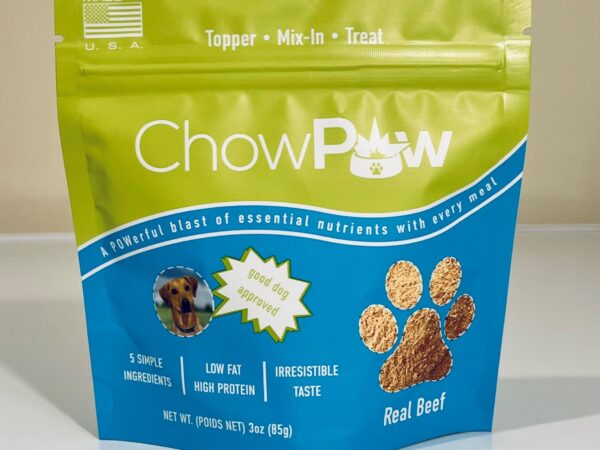 Dog Food Topper - Beef HeartOriginal price was: $14.99.$10.95Current price is: $10.95. - or subscribe and save up to 20%