Are Grapes OK for Dogs to Eat? The Unsafe Truth
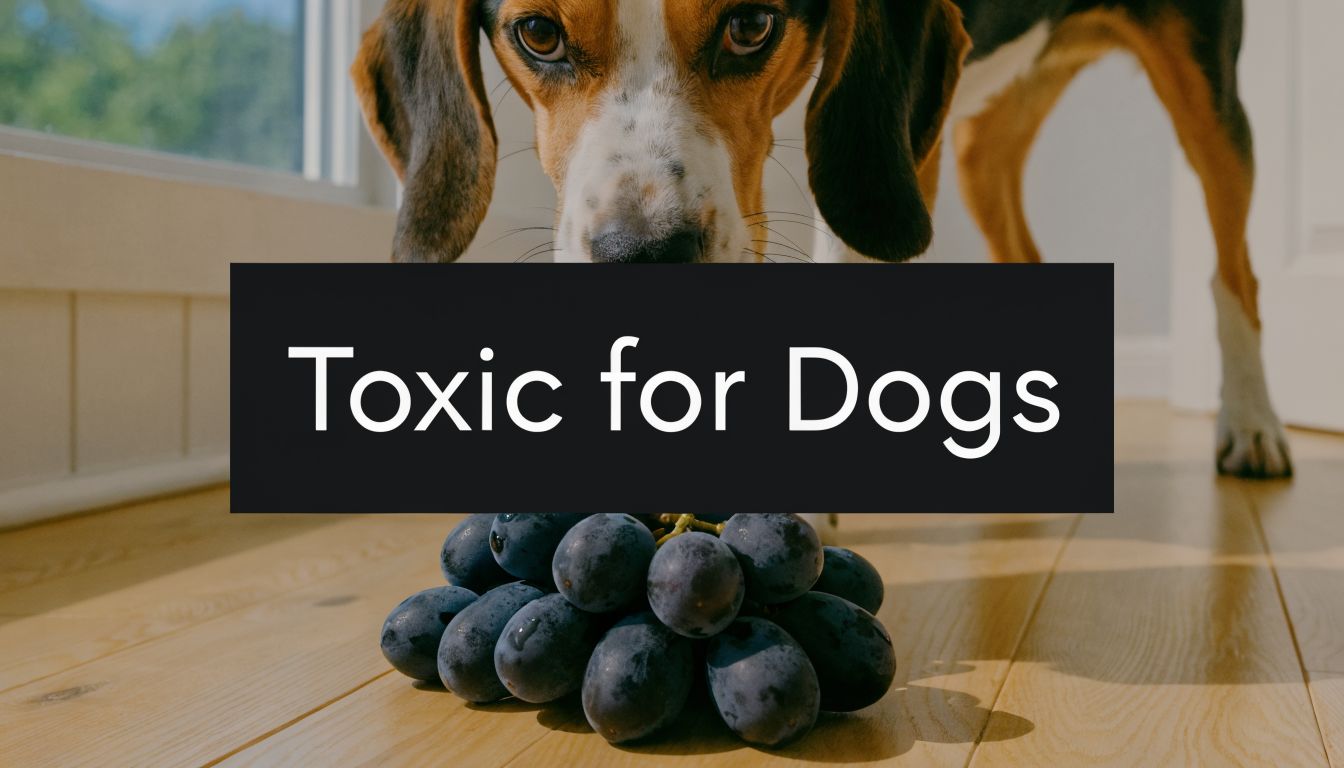
No. Grapes and raisins are highly toxic to dogs and can cause acute kidney injury, even in small amounts, and more than one grape or raisin per 10 pounds of body weight can be enough to trigger renal failure in sensitive dogs. If your dog just ate a grape off the floor, out of a lunchbox, or from a child’s snack cup, treat it like a real emergency and act quickly.
A lot of loving dog owners ask this question because grapes seem so harmless to us. They’re soft, sweet, and often marketed as healthy. That’s exactly why they catch people off guard. A single dropped grape in the kitchen can turn into a frightening situation fast.
The good news is that panic isn’t helpful, but a clear plan is. If you understand why grapes are dangerous, what symptoms to watch for, and what to do right away, you’ll be in a much stronger position to protect your dog.
The One-Word Answer Every Dog Owner Needs to Hear
If you’re searching “are grapes ok for dogs to eat,” the answer is still the same. No.
That answer applies to puppies, seniors, large breeds, small breeds, mixed breeds, athletic dogs, couch dogs, and dogs that have eaten grapes before and “seemed fine.” Grapes aren’t a risky treat. They’re a known toxin.
Many owners first realize there may be a problem in a very ordinary moment. A grape rolls off the counter. A child shares a snack. A dog noses into a lunch bag or grabs something from a charcuterie board. None of that feels dramatic in the moment, which is why grape exposure can be so easy to miss.
What makes this especially serious is the kind of damage grapes can cause. The concern isn’t mild stomach upset alone. The concern is acute kidney injury, which can become life-threatening.
Practical rule: If a dog may have eaten grapes or raisins, assume it matters and contact a veterinarian right away.
You don’t need to guess whether your dog ate “enough” to justify concern. You also don’t need to wait for symptoms before taking action. Early treatment gives veterinarians the best chance to reduce harm.
Owners often feel guilty after accidents like this. Try not to stay stuck there. Your dog needs a calm response more than a perfect one.
Why Grapes Are a Hidden Danger in Your Kitchen
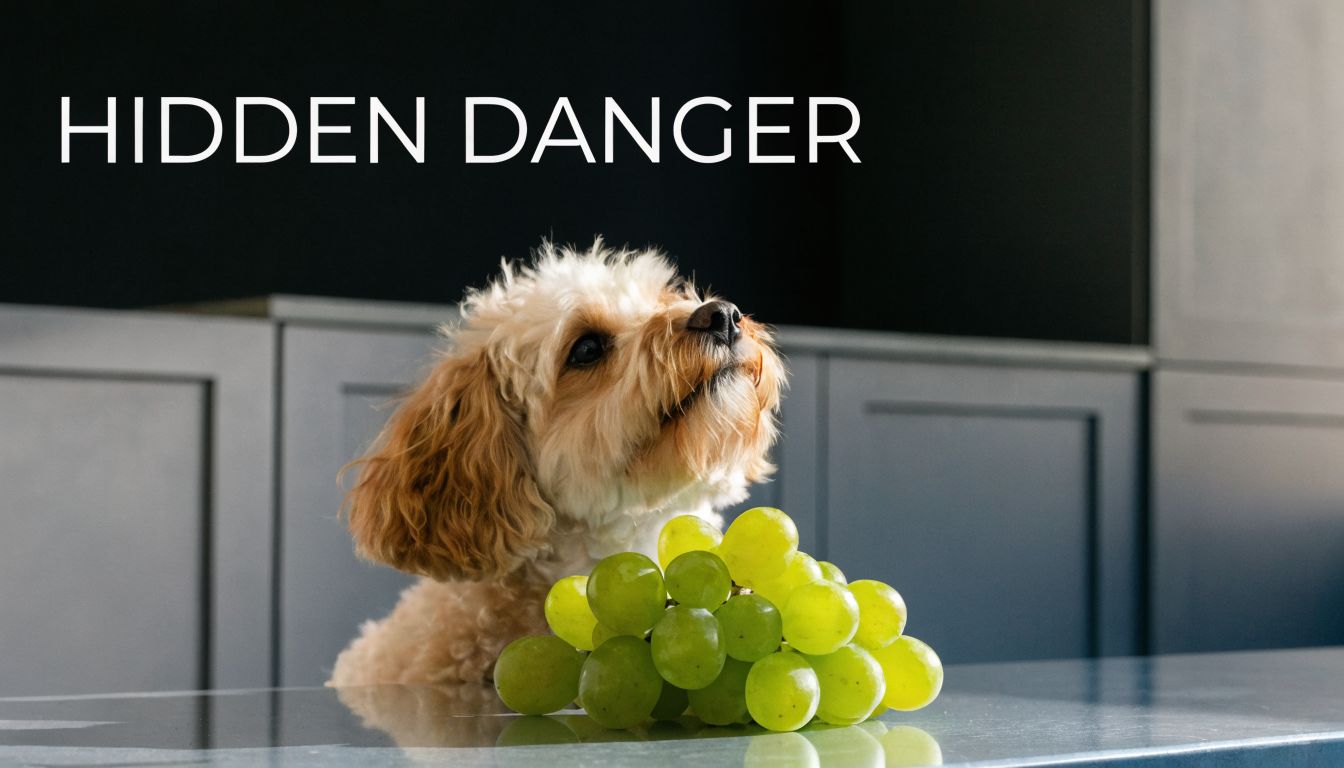
A lot of dangerous foods for dogs look obviously dangerous. Grapes do not. They sit in lunch bags, fruit bowls, and snack trays looking fresh and harmless, which is part of what makes them so risky in a busy home.
Veterinarians now believe tartaric acid is the main reason grapes and raisins can poison dogs. In plain terms, tartaric acid is a natural substance in grapes that some dogs cannot tolerate safely. The kidneys are often the organs that take the hit.
That helps explain why grape poisoning feels so confusing to owners. Two grapes can look identical, but the amount of tartaric acid can differ from one batch to another. Dogs also do not all respond the same way. A large dog is not automatically protected, and a small dog is not the only one at risk. Seniors, dogs with existing kidney stress, and picky eaters who grab unusual foods can be especially worrying cases because they may have less room for error.
The danger is broader than a bowl of fresh grapes
Fresh grapes are only part of the problem. The same concern applies to foods made from them or packed with them.
That includes:
- Red, green, seeded, and seedless grapes
- Raisins, currants, and sultanas
- Trail mix, baked goods, cereal, granola, and lunchbox snacks
- Dropped fruit from snack boards or kitchen prep
Raisins deserve special attention because drying shrinks the fruit but concentrates what is inside it. A small amount can represent several grapes.
Why owners cannot calculate a "safe" amount
Many caring owners often face a dilemma. They want to know whether one grape is different from several, or whether a bigger dog gets a pass. The practical answer is that grapes are not a food you can measure out safely for dogs.
The problem works a bit like a medication with an unknown strength in each pill. If the amount varies and the patient's sensitivity varies too, guessing becomes unsafe. With grapes, appearance does not tell you how risky a piece is. Size does not settle the question either.
So "he only ate one" is not useful reassurance. It is still an exposure that deserves action.
Why kitchens are the most common trouble spot
Dogs rarely get grapes because an owner intentionally offers them as a treat. More often, a grape rolls off the counter, a child shares a snack, a lunch bag gets raided, or the trash is left open for five minutes too long.
That is why I tell owners to treat grapes as a household hazard, not a treat-choice debate. Store them high up, clean spills right away, and check ingredient labels on snack foods that might contain raisins or currants. If your dog is a counter surfer or scavenger, review other common ingredients to avoid in dog treats and human foods too.
If you want to add safe variety to your dog's diet, use options made for dogs or fruits with a better safety profile. This guide to fruits dogs can and can't eat can help you sort risky foods from safer choices. For older dogs, sensitive stomachs, or picky eaters, safe bowl boosters matter even more. They should add nutrition, not uncertainty. Products like ChowPow fit naturally into that approach because they help improve the bowl without introducing grape-related risk.
Recognizing the Signs of Grape Poisoning

You glance at your dog after a suspected grape theft, and he looks almost normal. That is what makes this toxin so deceptive. The first signs can be mild, easy to dismiss, and completely out of proportion to what may be happening inside the body.
Grape poisoning often starts in the stomach, then shifts to the kidneys. A helpful summary from Ziwi Pets on grape toxicity in dogs explains that stomach upset may appear within hours, while signs of acute kidney injury can develop over the next couple of days. In some dogs, urine output later drops sharply or stops.
That pattern fits the suspected cause discussed earlier. Tartaric acid appears to hit some dogs much harder than others, and the kidneys are one of the organs that can suffer the most. The result is a timeline that can feel confusing to owners. Early mess. Quiet period. Then a much sicker dog.
Early signs that can look "not too bad"
Many dogs begin with ordinary stomach upset.
Watch for:
- Vomiting
- Diarrhea
- Drooling
- Loss of appetite
- Low energy
- Restlessness or visible discomfort
A dog may also seem clingy, subdued, or less interested in food than usual. Senior dogs can be harder to read because lower energy may already be part of daily life. Picky eaters can fool owners too, since skipping one meal may not look unusual at first.
Why the middle stage can fool people
Some dogs stop vomiting and seem calmer. Owners naturally hope the danger has passed.
It may not have.
The stomach can settle while the kidneys are still being injured. A practical way to picture it is a kitchen pipe that has started to clog. The sink may look fine for a while, but waste is not moving through the way it should. In a dog, that means the body can start struggling to clear toxins and maintain fluid balance.
During this phase, look for:
- More drinking than usual
- More urinating than usual at first
- Dry gums
- A painful or tense belly
- Marked tiredness
- Weakness that seems out of character
This is also the point where preparation helps. Keeping your dog’s normal medical information, clinic numbers, and transport supplies in one place can save precious minutes. A simple dog emergency kit checklist for pet owners makes that easier.
If you know or strongly suspect your dog ate grapes, do not wait for symptoms to "prove" it was serious.
Later signs suggest kidney injury
As the kidneys lose their ability to filter waste, the whole dog can start to look unwell.
Look for:
- Very small amounts of urine
- No urine
- Severe lethargy
- Dehydration
- Bad breath
- Collapse
- Major behavior changes
At that stage, the body is struggling to do basic cleanup work. Waste products build up instead of leaving through the urine. That is why breath can smell different, energy can crash, and the dog may seem profoundly weak.
A simple home timeline
This is not a rulebook, but it gives owners a useful frame of reference.
| Time after ingestion | What you might see | What it may mean |
|---|---|---|
| First several hours | Vomiting, diarrhea, drooling, food refusal | Early stomach irritation |
| Later that day | Low energy, discomfort, thirst changes | Toxic effects may be progressing |
| Over the next 1 to 3 days | More drinking, then less urinating, weakness, dehydration | Kidney injury becomes a serious concern |
| Severe stage | Little or no urine, collapse, foul breath, profound illness | Medical emergency |
Dogs do not all read from the same script. One may vomit right away. Another may only seem quiet. Another may show very little until the kidneys are already under strain.
So trust the exposure history. If you saw the grape disappear, found raisin crumbs, or know a snack bag was raided, that information matters more than a brief period where your dog still looks fairly normal.
Your Emergency Plan If Your Dog Eats a Grape
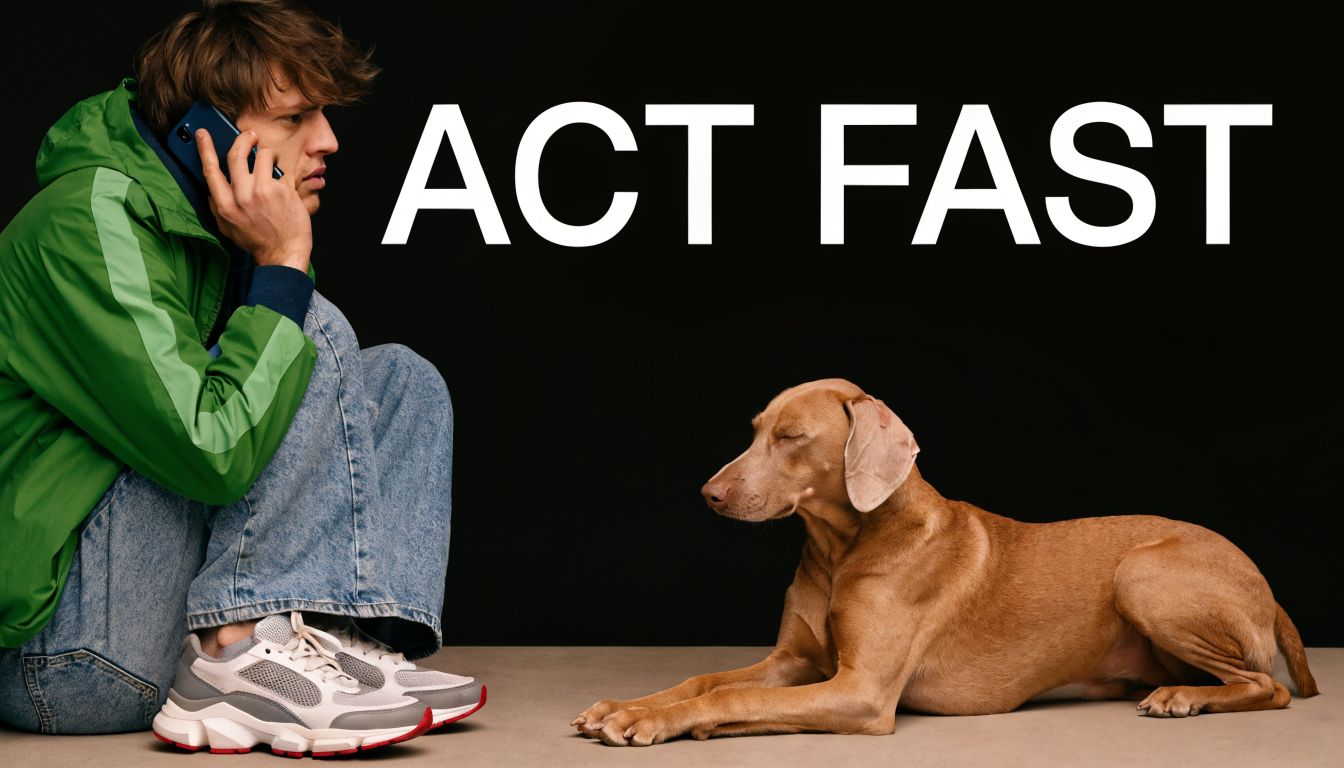
You turn around for a second, and the grape is gone.
Maybe it was one grape from a lunch plate. Maybe it was a raisin from a trail mix bag. Either way, treat it like an urgent medical problem, even if your dog looks completely normal right now. Grapes and raisins can start a chain reaction that puts stress on the kidneys, and early treatment gives your veterinarian the best chance to interrupt that process before real damage sets in.
First, make the call
Call your veterinarian, an emergency veterinary clinic, or a pet poison hotline right away.
Have these details ready so the person helping you can make a fast decision:
- Your dog’s weight
- Your dog’s age and any health problems, especially kidney disease
- What was eaten
- How much may have been eaten
- About when it happened
- Whether your dog has vomited or shown any signs yet
If the exposure came from a snack bar, baked good, cereal, or trail mix, bring the package. Hidden raisins are easy to miss, and labels help the veterinary team judge risk more quickly.
Why speed matters
As noted earlier, tartaric acid is the leading explanation for why grapes can be so dangerous to dogs. The problem is not just stomach upset. The primary concern is what happens after the fruit leaves the stomach and the kidneys have to deal with what was absorbed.
A useful way to picture it is a spill on a kitchen floor. The sooner you clean it up, the less chance it has to soak in and cause damage. Veterinary treatment works on the same principle. If your dog is seen early enough, the team may be able to remove some of the toxin before the kidneys take the hit.
That is why waiting to see whether symptoms appear is such a risky choice.
Do not try random home fixes
Do not give bread, milk, oil, or extra food. Do not assume water will flush the problem out. Do not make your dog vomit unless a veterinarian or poison expert tells you to and explains how.
Home remedies can delay proper care. In some dogs, they can also make the situation less safe, especially if the dog is becoming sleepy, weak, or nauseated.
What the veterinary team may do
Treatment depends on timing, the amount eaten, your dog’s size, and your dog’s overall health. Seniors and dogs with less kidney reserve may need especially careful monitoring, because they have less room for error if the kidneys come under strain.
Your veterinarian may recommend:
Inducing vomiting if the exposure was recent and your dog is a safe candidate
This may help remove grapes or raisins before more toxin is absorbed.Activated charcoal in selected cases
Some veterinarians use it to reduce further absorption, depending on the situation.IV fluids
Fluids support circulation to the kidneys and help the body handle the toxic exposure.Bloodwork and urine checks
These tests help the team look for early kidney changes, even before your dog appears seriously ill.Observation in the hospital
Some dogs need monitoring because grape toxicity does not always follow a predictable script.
If you want to be better prepared for moments like this, it helps to keep a few basics ready ahead of time, including the items to keep in your dog’s emergency kit.
A short video can also help you feel steadier in the moment:
What to do on the way to care
Keep the plan simple.
- Remove any remaining grapes, raisins, or suspicious food
- Keep your dog as calm and quiet as possible
- Bring the food package, container, or a photo of the ingredients
- Note the time you think the exposure happened
- Tell the clinic if more than one pet may have gotten into it
If your dog is a picky eater, very small, elderly, or already has health issues, mention that during the call. Those details can change how aggressively the veterinary team wants to act.
If you feel guilty, that is normal
Owners often blame themselves in the car ride over. I understand that feeling. Set it aside for the next hour.
Your job right now is straightforward. Call promptly, follow instructions, and get your dog seen. Fast action is the part that helps most.
The Truth About Dogs Who Seem Tolerant to Grapes
The most common dangerous story I hear sounds like this: “He ate one before and nothing happened, so I thought he was okay with grapes.”
That conclusion makes sense emotionally. It just isn’t medically reliable.
Purina’s dog feeding guidance states that there is no breed, age, or size predictor for the dogs that will react severely, no safe dosage has ever been identified, and the ASPCA reports over 200 cases annually with 5 to 10% mortality in its article on whether dogs can eat grapes.
Why one uneventful exposure doesn’t prove safety
Some dogs show no obvious signs after an exposure. That doesn’t mean the fruit was safe. It means that on that occasion, visible illness didn’t happen, or didn’t happen in a way the owner recognized.
A few factors can change from one episode to the next:
- The grape itself may contain a different amount of tartaric acid
- The amount eaten may be slightly different than the owner realized
- The dog’s health status may have changed since the last time
- Age and underlying kidney reserve may be different now
That’s why “he’s always stolen grapes and been fine” should never be used as a feeding rule.
Hidden exposures are part of the problem
Many owners think only of whole grapes in a fruit bowl. In real life, exposure often comes from foods that don’t immediately stand out as dangerous.
Common examples include:
- Trail mix
- Raisin bread
- Oatmeal raisin cookies
- Bagels or cereal with raisins
- Holiday dishes and lunchbox leftovers
If your dog is a counter surfer, bag inspector, or crumb cleaner under the high chair, these foods deserve special attention.
A dog that seemed tolerant once is not protected next time. Tolerance is not immunity.
What about long-term damage
Owners naturally focus on the obvious emergency, but there’s another reason not to test your luck repeatedly. A dog doesn’t need to collapse for a food to be unsafe. Kidney injury can be a serious consequence, and subtle changes aren’t always visible at home.
That concern matters even more for senior dogs, dogs recovering from illness, and dogs with any question of reduced kidney reserve. These are the dogs that need predictable nutrition and fewer surprises, not more.
The safest mindset is simple. If a food is known to have unpredictable, potentially severe toxicity, remove it from the dog’s world rather than trying to measure your personal dog’s “tolerance.”
Safe and Delicious Ways to Boost Your Dog's Bowl
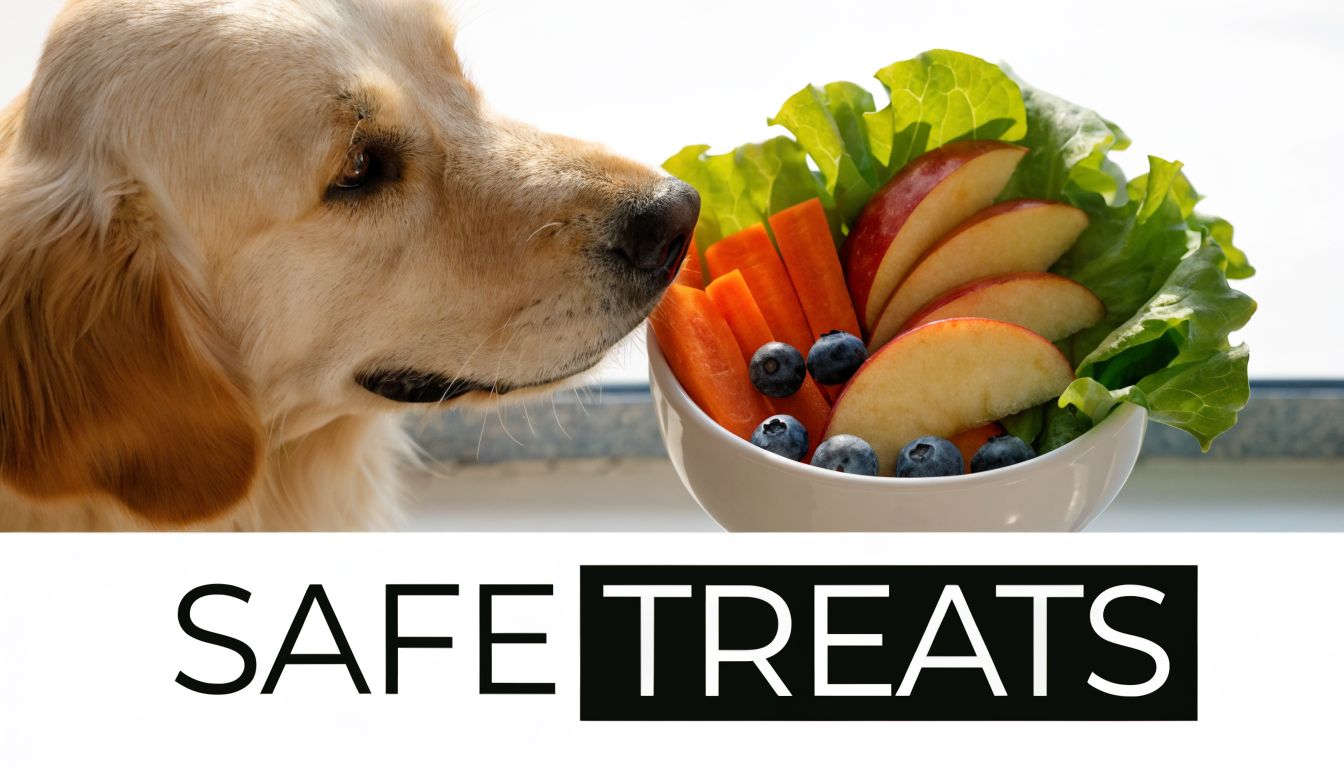
A lot of people ask about grapes because they’re trying to do something kind. They want to add freshness, variety, hydration, or interest to the bowl. That instinct is a good one. It just needs a safer outlet.
WebMD’s veterinary guidance notes that owners should also avoid tamarinds because they contain tartaric acid, and lists blueberries, pineapple, and cranberries as safer fruit alternatives for dogs in its overview of why dogs can’t eat grapes.
Safe vs. unsafe foods for your dog
Here’s a practical comparison you can keep in mind when choosing extras for meals or snacks.
| Food | Safe for Dogs? | Notes |
|---|---|---|
| Grapes | No | Known toxin associated with acute kidney injury |
| Raisins | No | Dried grapes and especially risky |
| Sultanas | No | Same grape family concern |
| Tamarinds | No | Contain tartaric acid |
| Blueberries | Yes | Dog-safe fruit option in moderation |
| Pineapple | Yes | Can be a fresh treat in moderation |
| Cranberries | Yes | Another safer fruit option for some dogs |
How to choose extras wisely
When owners add toppers or treats, I encourage them to think in three categories.
Start with known-safe foods
Choose foods with a clear track record for dogs. Blueberries can work well for many dogs. Small amounts of pineapple or cranberries may also fit. Keep portions modest, introduce one change at a time, and skip anything that upsets your dog’s stomach.
Match the food to the dog
A young Labrador who inhales dinner may need something different from an older small-breed dog with dental sensitivity. Seniors often do better with softer meal additions. Picky eaters often respond better to aroma and texture than to sweetness.
Avoid “healthy for me, healthy for my dog” thinking
That shortcut causes a lot of feeding mistakes. Garlic, onions, grapes, raisins, and certain snack foods all catch owners this way. Human nutrition and canine safety overlap sometimes, but not automatically.
A smart topper isn’t the most fashionable ingredient in your kitchen. It’s the one with predictable safety for dogs.
Better ways to add appeal to meals
If your goal is to make kibble more inviting, try approaches that improve interest without introducing risky foods:
- Moisture first by adding warm water to release aroma
- Texture changes for seniors who prefer a softer meal
- Small amounts of safe fruit like blueberries for variety
- Consistent routines so picky dogs don’t hold out for table scraps
If cranberries interest you, this guide on whether dried cranberries are good for dogs offers a practical look at how to think about them.
Why dedicated meal enhancers make sense
Many owners find relief. They don’t want to play ingredient detective every time they freshen the bowl. They want a reliable way to boost taste and nutritional value without worrying that a “healthy snack” could backfire.
A purpose-made meal enhancer is different from random human leftovers. It’s designed for dogs, used to complement an existing diet, and chosen for consistency. That distinction matters for picky eaters, senior dogs, and dogs recovering from illness or surgery, because these dogs often need meals that are both appealing and gentle.
If you use a topper, use it the way it was intended. As a meal enhancer, not a replacement for complete food unless your veterinarian tells you otherwise. The best toppers help your dog eat their regular diet more eagerly and give owners an easier, safer routine.
Choose Safety and Nutrition Every Time
For grapes, the safest rule is absolute. Dogs should not eat grapes, raisins, or related foods. The risk is too serious, the response is too unpredictable, and there isn’t a dependable “small enough” amount.
That can feel frustrating at first, especially if you were just trying to share something fresh and healthy. But this is one of those moments where a clear boundary makes life easier. Once grapes are off the menu, your decisions get simpler. Store them securely, watch for hidden sources in snacks and baked goods, and call for help promptly if exposure happens.
Safety at home also goes beyond food. If you’re building a more dog-conscious household overall, this guide to pet-friendly cleaning products is another useful place to tighten up everyday hazards.
The bigger picture is reassuring. You do not need risky human foods to care well for your dog. Dogs do best when owners choose consistent, dog-appropriate nutrition and avoid the guesswork. That’s especially true for seniors, fussy eaters, and dogs that need extra support during recovery.
Loving your dog doesn’t mean sharing everything on your plate. Often, it means knowing exactly what not to share, and choosing something safer instead.
If you want a simple way to make kibble more appealing without gambling on unsafe human foods, ChowPow is worth a look. It’s a dehydrated beef heart meal enhancer made to boost your dog’s current food, not replace it, which makes it a practical option for picky eaters, senior dogs, and pups who need extra encouragement to eat well.
-
Product on sale
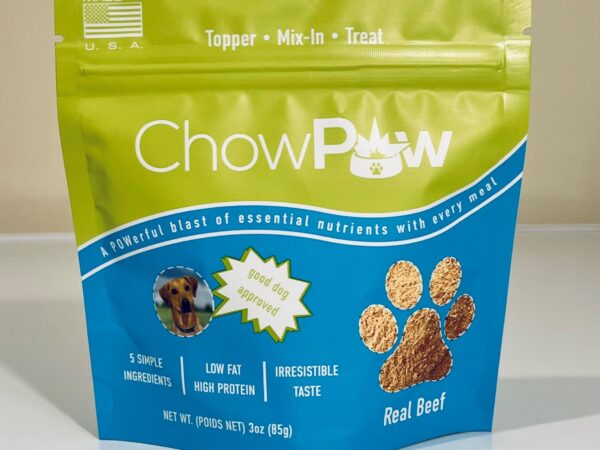 Dog Food Topper - Beef HeartOriginal price was: $14.99.$10.95Current price is: $10.95. - or subscribe and save up to 20%