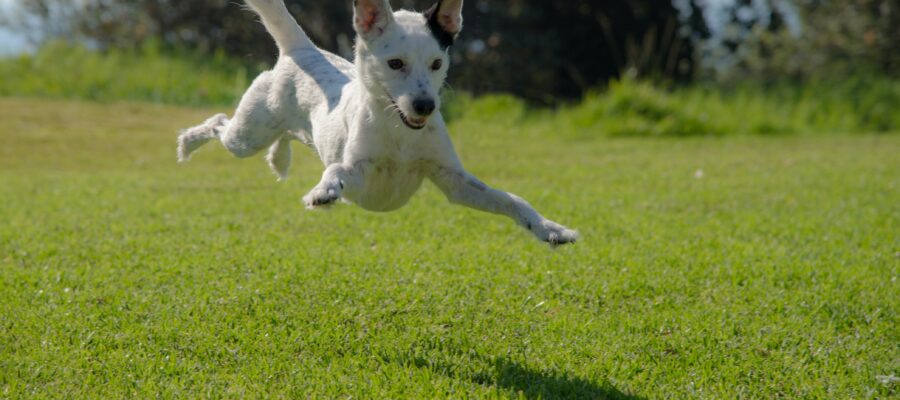

Relieve Arthritis Pain in Dogs with a Practical Guide
It’s tough watching a friend slow down. That new limp, the hesitation before jumping on the couch, or the struggle to get up after a nap—it’s not just your dog “getting old.” More often than not, it’s a clear signal of chronic arthritis pain.
But here’s the good news: while we can’t turn back the clock and cure arthritis, it’s absolutely manageable. With a little know-how and some proactive care, you can make a huge difference in your dog’s comfort and happiness.
Getting a Grip on Your Dog’s Joint Pain
To really help your buddy, you need to understand what’s happening inside their joints. Picture the smooth, protective cartilage in their joints as the brand-new tread on a tire. It’s built to cushion the bones, letting them glide past each other without a problem and absorb all the shock from running, jumping, and playing.
In a dog with arthritis, that cartilage starts to break down. The tire tread, so to speak, gets worn thin and ragged. Without that protective buffer, the bones start grinding against each other with every single step. Ouch. This friction is what causes the inflammation, stiffness, and chronic pain you’re seeing.
Why Is Arthritis So Widespread in Dogs?
This condition, officially known as osteoarthritis (OA), is the number one cause of chronic pain for our canine companions. It’s a degenerative disease, meaning it develops over time from simple wear and tear. But other things can speed it up, like genetics, old injuries, or carrying a few extra pounds.
Just how common is it? It’s estimated that a staggering 20% of adult dogs in the United States—that’s around 14 to 15 million dogs—are dealing with arthritis pain. It’s a massive welfare issue, especially for our senior dogs and larger breeds who naturally put more stress on their joints. You can get more insights into these stats and what they mean for dog health over at Vet Triage.
A Little Bit of Hope Goes a Long Way
Hearing the word “arthritis” from your vet can feel like a gut punch, but it’s far from a hopeless diagnosis. With modern veterinary medicine and some smart changes at home, you can dramatically improve your dog’s quality of life. The whole game shifts from finding a cure to focusing on smart, effective management.
The goal is simple: reduce inflammation, manage pain, and keep them moving. By taking proactive, confident steps, you can bring the joy back into your dog’s life and make sure their golden years are actually golden.
Understanding what’s causing the pain is the first, most powerful step. It lets you move past the worry and into action, teaming up with your vet to build a solid game plan. This usually involves attacking the problem from a few different angles:
- Veterinary Care: Getting the right diagnosis and exploring pain management options.
- Smart Nutrition: Using targeted food and supplements to support their joints from the inside out.
- Home Comforts: Making simple tweaks to your home to make it a safer, more comfortable space.
- Gentle Movement: Sticking to appropriate, low-impact exercise to keep muscles strong and joints lubricated.
Now that you know what arthritis pain in dogs really is, you can start making a real difference. In the next sections, we’ll walk you through how to spot the subtle signs of pain, understand the risk factors, and explore the best ways to support your loyal friend.
How to Spot the Hidden Signs of Joint Pain
Dogs are absolute masters at hiding their pain. It’s a survival instinct hardwired into their DNA from their wild ancestors, where showing any sign of weakness could make them an easy target. Because of this, the first signs of arthritis pain in dogs are often incredibly subtle—so subtle that it’s easy to just write them off as your dog “slowing down” with age.
To really help your best friend, you need to become a bit of a “pain detective.” The most obvious sign, a limp, usually only shows up after the discomfort has already become pretty significant. The real clues are the small, quiet shifts in their day-to-day behavior and routines.
Looking Beyond the Limp
It’s the little hesitations and personality changes that tell the real story of early joint pain. Just think about your dog’s typical day. Has anything changed, even slightly?
- Changes in Movement: Do they pause at the bottom of the stairs before deciding to climb? Are they a bit slower getting up from their bed in the morning? Maybe they aren’t launching themselves onto the couch with the same gusto they used to.
- Behavioral Shifts: A dog in pain might become more irritable or withdrawn. They might grumble when you pet their back or hips, or maybe they just choose to lie in another room instead of right at your feet like they always do.
- Loss of Interest: Has their favorite squeaky toy lost its appeal? Do they seem less excited for walks or a game of fetch? This isn’t always just a sign of getting older; it can be a direct result of pain making playtime too difficult.
For a deeper dive, our comprehensive guide can help you learn how to tell if your dog is in pain with a helpful checklist. Honestly, one of the most important things you can do is trust your gut when you feel like something is just “off.”
This infographic shows just how different a healthy joint is from one affected by arthritis.
As you can see, the breakdown of that smooth, protective cartilage is what leads to the friction and pain causing all those subtle signs you might be noticing.
Early vs. Advanced Signs of Arthritis in Dogs
Learning to spot the difference between the early hints of arthritis and the more advanced signs can help you understand how your dog’s discomfort is progressing. Catching these things early is absolutely crucial for starting a management plan to slow the disease down.
Here’s a breakdown of what to look for as the condition develops.
| Symptom Category | Subtle Early Signs (Might Be Mistaken for Aging) | Obvious Advanced Signs (Indicate Significant Pain) |
|---|---|---|
| Mobility | Hesitation before jumping, taking longer to lie down or stand up, slight stiffness after napping. | Noticeable limping, difficulty with stairs, muscle loss in the affected leg(s). |
| Behavior | Increased licking of a specific joint, slight irritability, less interest in long walks. | Yelping or whimpering when touched, noticeable aggression or withdrawal, reluctance to be handled. |
| Activity | Tiring out more quickly on walks, less enthusiasm for playing fetch or other favorite games. | Refusing to go for walks, sleeping more than usual, inability to get comfortable. |
Noticing even one of these signs is more than enough reason to have a chat with your vet. When it comes to arthritis, early intervention really is everything.
By learning to read these quiet signals, you can move from a place of worry to one of action. Spotting the signs of arthritis pain in dogs sooner rather than later empowers you to get veterinary advice and start a plan that can bring comfort, joy, and mobility back into your best friend’s life. Being proactive can make all the difference in their long-term well-being.
Is Your Dog at a Higher Risk for Arthritis?
Just like some car models are known for wearing out their tires faster, some dogs are simply more likely to develop the joint wear and tear that leads to arthritis. Any dog can be affected, but knowing if your buddy falls into a higher-risk category is the first step toward smart, proactive care.
This isn’t about creating worry. It’s about giving you the knowledge to be your dog’s best advocate. When you know where the potential weak spots are, you can build a much stronger defense against future pain and stiffness.
The Role of Breed and Size
One of the most significant factors in arthritis risk comes down to your dog’s breed and sheer size. Large and giant breeds are majestic, no doubt, but they carry a lot more weight on their frames every single day. This constant pressure puts extra stress on their joints—especially hips, elbows, and knees—which can speed up the breakdown of protective cartilage.
A major UK-based study put some hard numbers to this, finding that certain breeds showed the highest rates of arthritis diagnosis. The top contenders were Golden Retrievers (7.7% of the breed), Labrador Retrievers (6.1%), Rottweilers (5.4%), and German Shepherds (4.9%). It’s a powerful reminder of how much genetics can play a part.
The Impact of Age and Weight
It’s no secret that age is a huge contributor. A lifetime of happy running, jumping, and playing naturally leads to wear and tear. As dogs get into their senior years, their body’s ability to repair cartilage just isn’t what it used to be, making them far more vulnerable to the aches and pains of arthritis.
But here’s the factor you have the most control over: weight. Even a few extra pounds act like a heavy backpack your dog is forced to carry 24/7, dramatically accelerating cartilage erosion. Keeping your dog lean is one of the single most powerful things you can do to protect their joints. Find out more in our guide on why weight management matters for helping your dog achieve a healthy weight.
Maintaining a lean body condition is more than just a diet—it’s a foundational strategy for managing and preventing arthritis pain. Less weight means less daily stress on every joint in your dog’s body.
Past Injuries and Joint Problems
Finally, your dog’s personal medical history is a critical piece of the puzzle. An old injury, like a torn cruciate ligament (the dog version of an ACL tear) or a fracture that involved a joint, can create lasting instability. Even after the injury heals, the joint mechanics are often permanently changed, leading to abnormal wear and an early start for arthritis in that spot.
Similarly, dogs born with congenital joint issues like hip or elbow dysplasia face an uphill battle from the start. These conditions mean the joint socket or hinge didn’t form perfectly, setting the stage for premature cartilage damage. By understanding all these risk factors—breed, age, weight, and past injuries—you can team up with your vet to create a targeted plan for a long, comfortable, and active life.
Your Vet’s Approach to Diagnosing and Treating Pain
Taking your dog to the vet because you suspect they’re in pain can be a nerve-wracking experience. But knowing what to expect can help turn that anxiety into action. Your veterinarian is your best partner in tackling arthritis pain in dogs, and they have a clear, step-by-step process to find the root of the problem and build a plan that truly works.
It all starts with a conversation. Before any tests are run, your vet will want to hear from you. They’ll ask about the specific changes you’ve noticed—is your dog hesitating on the stairs? Do they seem extra stiff in the morning? Have they lost interest in their favorite game of fetch? Your observations are the first and most important clues.
The Hands-On Physical Exam
After your chat, your vet will perform a thorough hands-on physical exam. Think of it like a skilled mechanic carefully checking a classic car for sources of wear and tear. They’ll gently move your dog’s legs through their full range of motion, feeling for any swelling, clicking, or loss of flexibility in the joints.
They’ll also carefully press around the hips, shoulders, and spine to pinpoint any tender spots. One key thing they’re listening and feeling for is crepitus—a subtle grinding or popping sensation that signals worn-down cartilage and bone-on-bone contact. Your dog’s reactions during this exam give your vet invaluable information about where the pain is and just how bad it might be.
Getting a Clearer Picture with X-rays
If the physical exam strongly suggests arthritis, the next step is usually an X-ray. This is the gold standard for confirming a diagnosis because it allows your vet to see exactly what’s happening inside the joint.
An X-ray can reveal tell-tale signs like:
- A narrowing joint space, which is a classic indicator that cartilage has thinned out.
- Bone spurs (osteophytes), which are tiny bony growths the body creates to try and stabilize a wobbly, unhealthy joint.
- Changes in the bone itself, like thickening or cysts that form under the cartilage from the constant stress.
This visual proof doesn’t just confirm arthritis; it helps rule out other potential causes of pain, making sure the treatment plan is aimed at the right target.
Creating a Multi-Faceted Treatment Plan
Once arthritis is confirmed, your vet will explain that managing it isn’t about finding a single magic bullet. Modern veterinary medicine uses a multimodal approach, which simply means using several different therapies at the same time to fight the pain from multiple angles. It’s a much more effective and sustainable way to manage the condition long-term.
This strategy makes sense because arthritis pain in dogs is a complex problem. In the U.S., it’s estimated that around 40% of dogs with arthritis have joint pain severe enough to need medical intervention, a number that climbs as dogs get older or if they belong to at-risk breeds. You can learn more about how pain impacts a dog’s life in the American Animal Hospital Association’s mobility report.
Your vet’s plan will be tailored to your dog’s specific needs, but it will likely include a mix of these core elements:
- Pain and Anti-Inflammatory Medications: This is often the cornerstone of the plan. Non-steroidal anti-inflammatory drugs (NSAIDs) are a go-to for reducing both the pain and the underlying joint inflammation. Sometimes, other types of pain relievers are added for extra support.
- Weight Management: This one is non-negotiable. Extra pounds put constant, unnecessary stress on sore joints. Your vet will help you figure out your dog’s ideal weight and map out a realistic diet and exercise plan to get them there. It’s one of the single most impactful things you can do.
- Physical Therapy and Controlled Exercise: Just like with people, the right kind of movement helps. A canine rehabilitation professional can design specific exercises to strengthen the muscles that support the joints. Your vet will also recommend gentle, low-impact activities like short, slow walks or swimming to keep your dog mobile without making things worse.
This team approach between you and your vet creates a powerful foundation for managing your dog’s arthritis, helping them live their best life with as much comfort and joy as possible.
Boosting Your Dog’s Diet for Better Joint Health
When you’re managing your dog’s arthritis, one of the most powerful tools you have is sitting right in their food bowl. What your dog eats every single day has a direct line to their joint health, how well they move, and their overall comfort. A smart diet strategy works from the inside out, giving their body the building blocks it needs to feel better.
The first, and arguably most important, step is getting them to a healthy, lean weight. Just think about it: every extra pound is like a heavy backpack they’re forced to carry around 24/7. That’s a ton of unnecessary stress on joints that are already sore. Less weight means less daily strain, which translates directly to less pain and slower breakdown of precious cartilage.
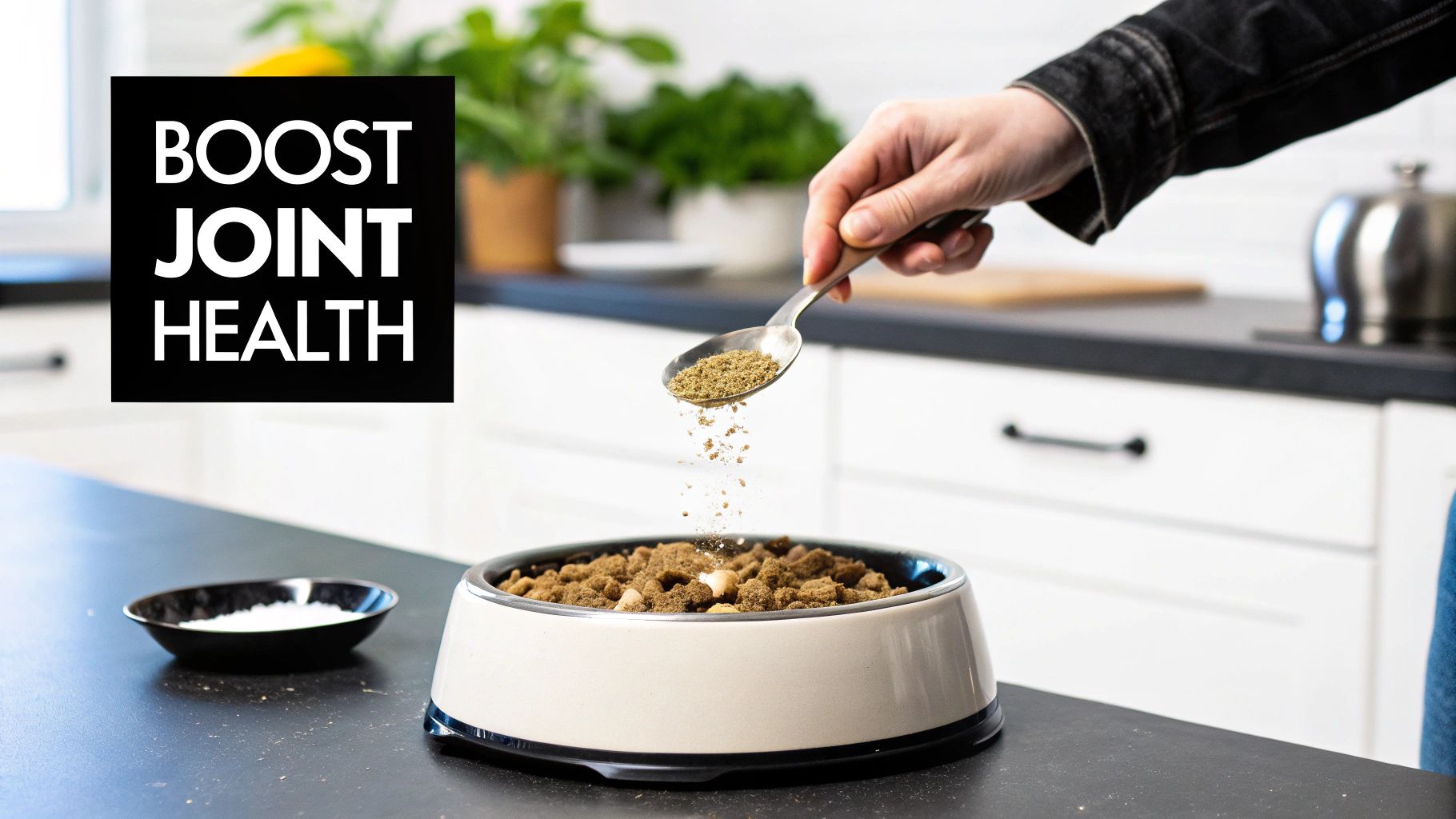
Key Nutrients That Support Aching Joints
Beyond just managing their weight, some real nutritional powerhouses are known for their ability to fight off inflammation and help rebuild healthy cartilage. Getting these into your dog’s diet is a fantastic way to proactively support their joints.
Here are a few of the big players you should know about:
- Glucosamine: This is a natural compound that helps build and repair cartilage. Think of it as supplying the raw materials needed to patch up the worn-down “tire tread” in your dog’s joints.
- Chondroitin Sulfate: Often paired with glucosamine, chondroitin is all about helping cartilage hold onto water. This is crucial for shock absorption and keeping everything lubricated. It also helps block the enzymes that chew up cartilage in the first place.
- Omega-3 Fatty Acids: Found in things like fish oil, these healthy fats are potent anti-inflammatories. They go to work cooling down the fiery inflammation that causes so much of the pain and stiffness tied to arthritis.
While many high-quality dog foods are great, they often don’t contain these key joint-helpers at a therapeutic level—the amount needed to really make a difference for a dog with arthritis. This is where a targeted supplement or meal enhancement becomes a game-changer. For a deeper dive, check out our guide on the best foods for dogs with arthritis to nourish their joints.
Enhancing Kibble for Maximum Impact
This is exactly where a product like ChowPow can make a world of difference. It’s not a replacement for your dog’s kibble. Instead, it’s designed as a powerful meal enhancement—a way to boost the nutritional value of the food they already eat.
It’s kind of like adding a high-potency protein shake to your own diet after a tough workout. Your regular meals are fine, but that shake gives you a concentrated blast of exactly what your muscles need to repair and get stronger.
ChowPow works the same way for your dog’s joints. Sprinkling a scoop over their regular food delivers a concentrated, delicious dose of high-quality protein and nutrients that are specifically chosen to support their body.
This simple approach ensures your dog gets the targeted support they need without you having to completely overhaul their entire diet. It fills the nutritional gaps that even the best kibbles can leave behind when you’re dealing with a chronic condition like arthritis.
The ChowPow Advantage: A Simple Boost
Adding ChowPow to your dog’s bowl is more than just making their meal tastier (though picky eaters definitely love that part). You are actively boosting the nutritional value of their food with high-quality, natural ingredients.
The main ingredient, dehydrated beef heart, is a fantastic source of protein and essential amino acids. These are the fundamental building blocks the body uses to maintain muscle mass around the joints. Think of strong muscles as natural braces, providing stability and taking some of the load off the joints themselves.
This is especially critical for senior dogs, who often struggle with muscle loss as they age. By making sure their diet is rich in easily digestible protein, you’re helping them keep the strength they need to stay active and mobile.
Ultimately, managing arthritis pain in dogs is about using every tool in your toolbox. A high-quality meal enhancement like ChowPow is a simple, practical, and powerful way to fortify your dog’s diet. It gives their body the specific resources it needs to fight inflammation, support cartilage, and move more comfortably—an easy step that can make a huge difference in their daily quality of life.
Simple Home Comforts for Your Arthritic Dog
You have the power to turn your home from an obstacle course into a comfortable sanctuary for your arthritic dog. It’s not about massive renovations; it’s about making small, thoughtful adjustments that can dramatically cut down their daily pain and bring back a little spring in their step.
One of the biggest hurdles for a dog with sore joints is slick flooring. To them, hardwood, tile, or laminate can feel like an ice-skating rink, causing them to slip and splay their legs, which puts even more strain on their already aching joints. The fear of falling alone can make them hesitant to even get up.
An easy fix is to lay down some non-slip rugs or runners in their favorite pathways. This creates a secure trail from their bed to the food bowl, to the backdoor, and back again, giving them the confidence to move without fear. Keeping their nails trimmed short also helps them get a better grip.

Upgrading Their Rest and Routine
Where your dog sleeps matters just as much as where they walk. An old, flattened bed offers almost no support, forcing their joints into awkward positions all night. This is a big reason why you see that classic morning stiffness.
Investing in a good orthopedic bed is a total game-changer. These beds use thick, supportive memory foam that cushions their joints, eases pressure points, and promotes better alignment. They get deeper, more restorative rest and wake up feeling less stiff and sore. Make sure to place the bed in a warm, draft-free spot—cold and dampness can make arthritis pain in dogs feel so much worse.
A few other tools can make their daily routine much less painful:
- Ramps: Getting into the car or hopping onto the couch can be agonizing. A sturdy ramp eliminates the need for jarring jumps, protecting their joints and helping them stay independent.
- Raised Bowls: Bending all the way down to eat can strain a dog’s neck, shoulders, and back. Elevated food and water dishes bring their meals up to a comfortable height, making mealtime a lot more pleasant.
Finding the Right Balance of Exercise
When you see your dog in pain, it’s natural to want to stop all activity. But that can actually backfire, leading to weaker muscles and even stiffer joints. The real secret is finding the “Goldilocks” level of exercise: gentle, consistent, and low-impact.
Gentle movement is like medicine for arthritic joints. It lubricates the joints, strengthens the supporting muscles that act like natural braces, and helps maintain a healthy weight.
Short, slow walks on soft surfaces like grass are perfect. Steer clear of high-impact stuff like intense games of fetch, jumping, or long runs on hard pavement. If you have access to a pool or lake, swimming is a fantastic option. It lets your dog build muscle without putting any stress on their joints at all.
These simple home changes and exercise tweaks are more than just practical tips. They’re simple acts of love that directly tackle your dog’s daily struggles with arthritis pain. By creating a safe and supportive environment, you empower them to move with more confidence and live with far greater comfort.
Your Top Questions About Canine Arthritis, Answered
When you get an arthritis diagnosis for your dog, it’s natural to have a million questions. It can feel overwhelming, but you’re not alone. We’ve put together some straightforward answers to the questions we hear most often, helping you feel more confident about the path ahead.
So, let’s start with the big one: can arthritis be cured? The honest answer is no. Osteoarthritis is a degenerative condition, which is a technical way of saying the joint damage can’t be reversed. But—and this is a big but—it is a highly manageable disease. The goal shifts from a “cure” to controlling pain, slowing down the disease’s progress, and keeping your dog’s quality of life sky-high.
Diet and Supplement Questions
Many folks wonder if they need to switch to a special prescription food. While those can be helpful, the single most important thing you can do with your dog’s diet is to keep them at a lean, healthy weight. Every extra pound puts more stress on those already sore joints. After that, the focus is on adding nutrients that specifically support those joints.
This is where a high-quality meal enhancement can make a real difference. Your dog’s everyday kibble is designed for basic nutrition, but it often lacks the powerful, therapeutic levels of protein and other nutrients needed to truly support aging, arthritic joints.
Think of a meal enhancement like ChowPow not as a replacement for their food, but as a nutritional booster. You’re adding a concentrated dose of top-tier protein and essential amino acids right on top of their daily meal to boost its value.
This one simple step is huge for maintaining the muscle mass your dog needs to support their weak joints—a critical piece of the puzzle for managing arthritis pain in dogs.
Lifestyle and Treatment Concerns
Another question that comes up a lot is about exercise. It seems backward, right? Why would you make a sore dog move more? But gentle, consistent movement is absolutely crucial. Think short, slow walks on soft surfaces or even a bit of swimming. This kind of activity helps lubricate the joints and strengthens the muscles around them without causing more wear and tear.
Finally, owners often ask if their dog will have to be on medication forever. For many dogs with moderate to severe arthritis, long-term pain management guided by a vet is a cornerstone of keeping them comfortable. When you combine that with smart nutrition and a few comforts at home, you’ve got a well-rounded, effective plan to help them live a happy, low-pain life.
By making smart, informed choices, you can give your dog the best support possible. ChowPow is here to help by making top-tier nutrition simple. Boost your dog’s bowl with the natural power of beef heart to support their strength and mobility.
-
Product on sale
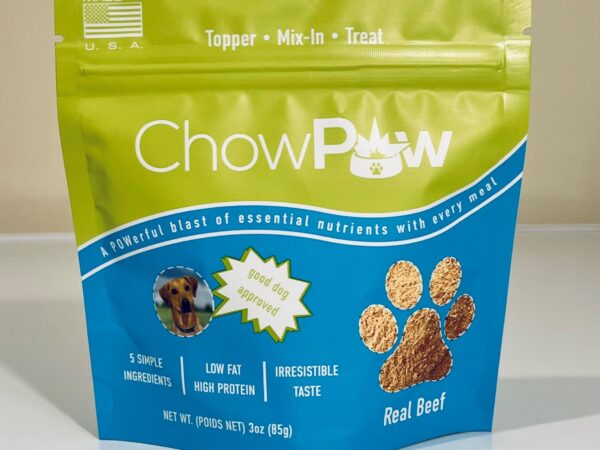 Dog Food Topper - Beef HeartOriginal price was: $14.99.$10.95Current price is: $10.95. - or subscribe and save up to 20%