

Is Asparagus Good for Dogs? A Complete Guide
Dinner is almost ready. You’re trimming asparagus at the counter, and your dog is sitting nearby with that hopeful look that says, “If it’s food, I should probably taste it.”
That question is a good one. A lot of healthy foods for people can work for dogs too, but only if they’re prepared the right way. Dogs don’t eat vegetables the same way we do, and a food that sounds wholesome can still be awkward to chew, hard to digest, or unappealing.
When people ask whether asparagus good for dogs is a real thing, they’re usually asking two questions at once. First, is it safe? Second, is it worth offering, especially if their dog is picky, older, or getting back on track after illness?
Your Dog and That Green Veggie
You might know the moment already. You snap off the woody ends, rinse the spears, and suddenly there’s a nose at your knee. Maybe your Labrador wants anything that hits the cutting board. Maybe your senior dog has become selective and now seems interested only because you’re holding something new. Maybe your recovering pup has been eating lightly, and you’re hoping a fresh food might help.

That instinct to share isn’t wrong. Most caring dog owners want to add variety, nutrients, and a little enjoyment to the bowl. The trick is knowing when a “healthy human food” is a smart extra for a dog, and when it needs more caution than you’d expect.
Asparagus sits right in that middle ground. It isn’t a dangerous food when handled properly, but it also isn’t a grab-and-give snack like many people assume.
Kitchen rule: If you wouldn’t hand it to your dog exactly as it’s cooked for people, pause first. Butter, salt, oils, garlic, and seasonings change the answer fast.
If you like learning which table foods fit safely into your dog’s routine, ChowPow’s guide to the dos and don'ts of human foods for your dog is a useful companion read.
A simple way to think about extras is this. Your dog’s main meal should do the heavy lifting. Add-ins should support that meal, not replace it. Fresh foods can have a place, but only when they match your dog’s chewing ability, digestion, and taste preferences.
So Can Dogs Eat Asparagus?
Yes. Dogs can eat asparagus, as long as it is served in a dog-safe way.
That answer matters a little more for sensitive dogs. A picky eater may ignore it. A senior dog may struggle with the texture. A dog recovering from illness may handle even healthy extras poorly if the portion is too large or the pieces are too tough. So the key question is not only can dogs eat asparagus. It is which dogs do well with it, and how should you serve it?
Asparagus is safe in the basic sense, but it is not one of the easiest vegetables to offer. The stalk can be fibrous, the tips and stems vary in softness, and the whole spear often asks for more chewing than many dogs want to do. Dogs that gulp food or have delicate stomachs usually need more caution here than owners expect.
What makes asparagus tricky
Pet parents often hear “non-toxic” and assume “easy snack.” Those are different things.
Asparagus can be harder to manage than softer vegetables because the texture changes from one end to the other. The tender tip is easier to chew. The lower stalk is often firmer and stringier. For a young, enthusiastic chewer, that may be fine in tiny pieces. For a senior with worn teeth, it can be the food version of handing someone a snack that looks simple but takes too much work to eat comfortably.
A few problem spots come up again and again:
- Raw spears are hard to chew: Many dogs swallow before they break the stalk down well.
- Woody ends are the toughest part: They offer the least benefit and the most chewing trouble.
- Seasoned asparagus is a poor choice: Butter, garlic, onion, salt, and oils can turn a plain vegetable into a stomach irritant or worse.
- Large portions can upset digestion: Fiber helps the gut, but too much too fast can lead to gas, loose stool, or refusal of the next meal.
If your dog already has a touchy stomach, a small amount of plain asparagus may still be more work than reward. A simpler add-in that supports digestion, like a fiber-rich boost for canine digestive health, is often easier to use consistently.
The best quick answer
If you want to try asparagus, keep it very plain and very simple.
- Serve plain asparagus only
- Cook it until soft
- Trim off the woody bottom
- Cut it into very small pieces
- Start with a small taste
- Watch for stomach upset or chewing difficulty
That approach works best for the dogs this article is focused on. Picky eaters often reject asparagus because it has a mild smell and a stringy bite. Seniors do better with softer textures. Dogs recovering from illness usually need foods that are gentle, predictable, and easy to enjoy.
So yes, asparagus can fit. It just does not earn a spot as the most reliable way to support nutrition in every dog. For many sensitive pups, a palatable meal topper such as ChowPow is easier to accept and easier for owners to use regularly without guessing how the next bite will go.
The Healthy Side of Asparagus for Dogs
A lot of vegetables sound healthy in theory. The better question is what they contribute to your dog’s bowl, and whether those benefits are useful for the kind of dog you have at home.
Asparagus does offer some nutritional value. It contains fiber along with vitamins such as A, C, and K, plus several B vitamins and minerals like potassium. In plain terms, that means it can support normal digestion, skin and eye health, immune function, and everyday body maintenance when served in a small, appropriate amount.

What those nutrients actually do
Nutrition labels can read like a long list of promises. It helps to translate them into jobs your dog’s body handles every day.
- Fiber: Helps keep stools regular and supports normal digestive movement.
- Vitamin A: Supports vision, skin, and the lining of the body’s tissues.
- Vitamin C: Acts as an antioxidant and helps the body deal with normal daily cell stress.
- Vitamin K: Helps with normal blood clotting and bone support.
- B vitamins: Help the body use food for energy and support the nervous system.
- Potassium: Helps muscles and nerves work normally.
- Iron and zinc: Support routine body repair and immune health.
That sounds good, and it is. But asparagus is still more like a helpful side dish than a complete nutrition solution. A few bites can add variety. They do not replace a balanced diet.
Why some dogs benefit more than others
This matters most for the sensitive dogs many owners worry about first.
A senior dog may enjoy a soft, moist vegetable more than a dry, crunchy extra. A dog recovering from illness may tolerate a small, simple add-in better than a rich treat. A picky eater may accept a changed texture once in a while if it makes the bowl more interesting.
Even so, the practical side matters just as much as the nutrient list. If a food gets sniffed and left behind, or causes digestive trouble, those nutrients never do much good. That is why asparagus works best as an occasional extra, not the main way you support health in a picky, aging, or recovering dog.
Fiber is a good example. Small amounts can help support the gut, but the right type and amount matter more than the vegetable’s reputation. If you want a clearer picture of how fiber works in a dog’s body, this guide to fiber’s role in canine digestion and stool health explains it in simple terms.
Where asparagus fits, and where it falls short
Asparagus is low in fat and sugar, which makes it appealing to owners who want a lighter treat option. For some healthy dogs, that can be a nice bonus.
Sensitive dogs are a different story. They often need food that is easy to chew, easy to digest, and easy to enjoy consistently. Asparagus can sometimes check one of those boxes, but not all three at once. That is the gap many general guides miss.
For steady nutritional support, a well-made topper is often more reliable than a vegetable that some dogs reject on smell or texture alone. That is especially true for seniors, picky eaters, and dogs getting their appetite back after illness.
Potential Risks and How to Avoid Them
The word “natural” makes people relax. That’s understandable, but it can hide the practical risks. Asparagus is a good example of a food that’s safe in theory and awkward in practice.

The texture problem
Raw asparagus can be stringy and firm. The bottom part of the spear is especially woody. Dogs don’t sit and chew carefully the way we do, so they may swallow larger pieces than they should.
That creates two obvious concerns. First, a piece can be a choking hazard. Second, even if it goes down, it may not go through comfortably.
Older dogs often have a harder time here. They may have weaker chewing, missing teeth, or less patience at the bowl. A younger dog that crunches everything confidently may still do fine with a tiny softened piece, but a senior dog can struggle with the same bite.
The stomach problem
Fiber can help digestion, but too much plant fiber can also push the gut in the wrong direction. The source matters. The amount matters. The dog matters most of all.
The risk is higher for dogs with sensitive digestion and older dogs. As noted by We Feed Raw’s discussion of asparagus for dogs, the high fiber in asparagus can be too much for some dogs, especially seniors with reduced gut motility, making them more prone to gas, bloating, and diarrhea. The same source says that up to 30% of older dogs experience chronic gastrointestinal upset from high-fiber vegetables if those foods aren’t prepared and portioned correctly.
If your dog already has a history of loose stool, that matters. If your older dog gets gassy after dietary changes, that matters too. Even a few bites can be enough to tell you the food isn’t a match.
A practical read for owners dealing with sensitive digestion is ChowPow’s guide on diarrhea in dogs, especially if you’re trying to sort out whether a new food caused the problem.
Signs asparagus didn’t agree with your dog
Watch for these clues after trying it:
- Gas or bloating: Your dog seems uncomfortable, restless, or extra gassy.
- Loose stool: The stool becomes softer than usual or urgent.
- Vomiting: Even one episode after a new food is worth noting.
- Refusal after the first bite: Sometimes dogs tell you quickly that the taste or feel isn’t worth it.
Here’s a helpful visual guide if you want to think about safety and preparation in a more hands-on way.
Avoidable mistakes
Most asparagus problems come from a few common habits:
- Serving it raw: Tougher to chew and harder to digest.
- Offering table scraps: Buttered or seasoned asparagus isn’t appropriate for dogs.
- Giving too much because it’s “healthy”: Healthy doesn’t mean unlimited.
- Ignoring dog-specific factors: Seniors, picky eaters, and recovering dogs often need more caution, not less.
If a food causes repeated gas, loose stool, or mealtime stress, it isn’t a good “healthy extra” for that dog, no matter how nutritious it looks on paper.
Safe Preparation and Serving Guide
Your dog is staring at your plate, and one green spear drops onto the floor. Before you hand it over, it helps to prepare asparagus in a way that is easy on the stomach and easy to chew, especially for seniors, picky eaters, and dogs recovering from illness.
The safest version is simple. Plain, soft, cooled, and cut small.
How to prepare it
Start with fresh asparagus and rinse it well. Cut away the tough woody base because that part is stringy and harder for dogs to chew. Use the tender top and middle portions only.
Cook it until soft. Steaming or boiling works well because both methods soften the fibers without adding anything your dog does not need. A good test is the fork test. If you can press through it easily, your dog has a better chance of handling it comfortably.
Let it cool fully, then chop it into small pieces. For tiny dogs, seniors, and fast eaters, smaller pieces are safer because they lower the chance of gulping or throat irritation.
Keep it plain: No salt, butter, oil, garlic, onion, sauces, or seasoning blends.
How to serve it
Serve asparagus as a small extra, not part of the meal’s nutritional foundation. It works like parsley on a dinner plate. Fine in a little sprinkle, but not something you would rely on to carry the meal.
You can offer a few soft pieces by hand or mix a small amount into your dog’s regular food. Keep the portion modest. A common feeding rule is that treats and extras should stay under about 10% of daily calories. That matters even more with asparagus because too much fiber at once can upset a sensitive stomach.
If you want another example of how fruit and vegetable add-ins fit into a dog’s diet, this guide on strawberries for dogs is a helpful comparison.
Asparagus serving guide by dog weight
| Dog Size | Weight Range | Recommended Serving (Chopped & Cooked) |
|---|---|---|
| Extra-small | 2-20 lbs | 1 teaspoon |
| Small | 21-30 lbs | 2 teaspoons |
| Medium | 31-50 lbs | 2-3 teaspoons |
| Large | 51-90 lbs | 1-2 tablespoons |
Start at the low end, even for a large dog. Sensitive dogs often do better with a taste test than a full serving.
Smart serving habits that help sensitive dogs
Good preparation is only half the job. Timing and context matter too.
- Offer it after the main meal has started: A dog who is already eating calmly is less likely to gulp a new add-in.
- Pick a quiet day for the first try: Travel, boarding, guests, or medication changes can muddy the picture if your dog has a reaction.
- Introduce only one new extra at a time: That makes it easier to spot what worked and what did not.
- Stop after any digestive change: Soft stool, extra gas, or vomiting means asparagus is probably not a good match for your dog.
For dogs with delicate appetites or low energy, asparagus is often more work than reward. Chopping, cooking, and testing tiny portions can be reasonable for curiosity, but it is not always the most reliable way to add nutrition. Many pet parents find that a palatable meal topper such as ChowPow gives steadier support because it is easier to serve consistently and easier for sensitive dogs to accept.
Asparagus for Your Special Pup and Better Alternatives
Not every dog who can eat asparagus will want to. That matters most with the dogs who need nutritional support the most: picky eaters, seniors, and dogs recovering from illness.

Picky eaters may reject it
A lot of owners assume a fresh vegetable will make the bowl more appealing. Sometimes it does. Sometimes the opposite happens.
According to MyWoof’s article on asparagus for dogs, compounds in asparagus such as asparagine can create a bitter taste that may deter up to 40% of picky eaters. That same source notes that an umami-rich, meat-based topper is often more successful for appetite support, and that a powdered topper can also help disguise medication for senior or recovering dogs.
That lines up with what many owners notice at home. A fussy dog often doesn’t want “healthier.” They want “smells better.”
Senior dogs need comfort more than novelty
An older dog may appreciate soft food, but that doesn’t automatically mean asparagus is the best choice. Seniors often do better with additions that are easy to chew, gentle on the stomach, and consistent from day to day.
If your senior dog is already managing reduced appetite, digestive sensitivity, or medication time battles, a strong-smelling topper is usually easier than experimenting with fibrous vegetables. The same idea applies to dogs recovering from surgery or illness. They often need support that’s simple, predictable, and easy to mix into the food they already know.
For pet parents exploring other produce options, this guide to strawberries for dogs from Drake Dog Cancer Foundation & Academy is a helpful example of how different fruits and vegetables come with different tradeoffs.
When a purpose-built topper makes more sense
Fresh asparagus can be an occasional treat. It is not the easiest daily solution for dogs who are selective, older, or physically off their routine.
A dedicated meal enhancer can be more practical because it’s made to do a specific job:
- Boost aroma and interest: Helpful for dogs who ignore plain kibble.
- Mix in evenly: Better for dogs who sort food and leave vegetable pieces behind.
- Work with medication routines: Powdered formats are easier to hide in meals.
- Stay consistent: You don’t need to shop, trim, cook, and portion every time.
That doesn’t make asparagus “bad.” It just means there’s a difference between a safe fresh extra and a reliable feeding tool.
Common Questions About Dogs and Asparagus
Can dogs eat raw asparagus?
It’s better not to serve it raw. Raw asparagus is tougher, stringier, and less comfortable to chew, especially for small dogs, seniors, and fast eaters. Cooked and chopped is the safer route.
Can dogs eat canned asparagus?
Canned vegetables are usually a poor choice for dogs because processed versions often contain added salt or other ingredients that don’t belong in a dog’s bowl. Plain, freshly cooked asparagus is the better option.
Can dogs eat asparagus tips?
The tender tips are usually the easiest part to work with because they’re softer than the bottom stalk. Even then, they should still be cooked plain and cut into small pieces.
Can puppies have asparagus?
Puppies can have a harder time with new foods because their digestion is still adjusting as they grow. If you want to try asparagus, keep it very small, very soft, and very plain. Many owners find it easier to wait and stick with simpler extras first.
What part of asparagus should dogs avoid?
Skip the tough woody bottom end. That part is the least chewable and least useful for dogs.
What if my dog steals asparagus off the floor?
If it was plain and your dog grabbed a tiny piece, watch for coughing, gagging, vomiting, or stool changes. If it was seasoned, buttered, or swallowed in a large chunk, call your veterinarian for guidance.
Questions about your dog’s environment can matter too, especially if your pup spends lots of time outdoors sniffing, grazing, and rolling around between meals. If you’re building a cleaner backyard setup for a food-sensitive dog, this ultimate guide to artificial turf for dogs serves as a practical resource.
As a final takeaway, asparagus good for dogs is true in a careful, limited sense. It can be a safe, nutrient-dense treat when it’s cooked plain, served in small pieces, and matched to the dog in front of you. It’s not the best fit for every stomach, every age, or every picky eater.
If your dog needs more reliable meal support than an occasional veggie can offer, ChowPow is an easy way to boost your dog’s current kibble instead of replacing it. Its dehydrated beef heart topper is made to add aroma, flavor, and nutrient-dense support for picky eaters, seniors, and recovering dogs, all in a form that’s simple to sprinkle, mix, or use for hiding medication.
-
Product on sale
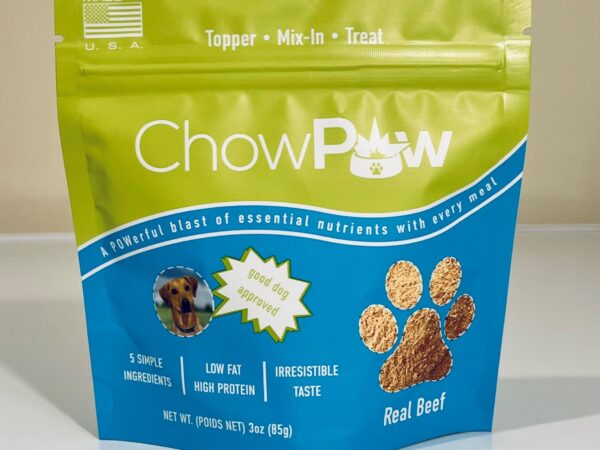 Dog Food Topper - Beef HeartOriginal price was: $14.99.$10.95Current price is: $10.95. - or subscribe and save up to 20%