
Average Lifespan of a Golden Retriever: Tips for Longevity
The average lifespan of a Golden Retriever is 10 to 12 years. That number matters, but what you do during those years can make a real difference in how strong, comfortable, and happy your dog feels as they age.
If you're reading this because your Golden has a little more gray around the muzzle, takes a bit longer to get up, or seems pickier at mealtime than they used to be, you're not alone. A lot of owners reach this stage and ask the same question: Is this just normal aging, or is there something I should be doing now?
The good news is that you can't control everything, but you can influence your dog's healthspan, meaning the quality of their later years. Better nutrition, smart weight management, steady movement, and earlier attention to subtle changes can help your Golden stay more comfortable for longer.
Your Golden Retriever's Journey Through the Years
A Golden Retriever rarely seems old all at once. It usually happens in small moments. Your dog pauses before jumping into the car, naps a little more soundly, or loses interest in a bowl of plain kibble that used to disappear in seconds.
That can feel emotional because Goldens are such joyful, people-focused dogs. You want more than a longer life. You want good years, with tail wags, walks, appetite, and ease of movement.

Why the number isn't the whole story
Inquiring about the average lifespan of a Golden Retriever, people are typically looking for more than a number. They're trying to answer a harder question: "How can I help my dog age well?"
That's the right question.
A lifespan average tells you what's common across the breed. It doesn't predict exactly how your individual dog will do. Daily habits still matter. Food quality matters. Body condition matters. Dental comfort matters. So does catching changes early.
Practical rule: Focus on your Golden's comfort, strength, appetite, and mobility long before old age feels obvious.
What owners can do now
You don't need a complicated routine. Start with simple, repeatable care:
- Watch eating habits closely. A slower appetite can be one of the first signs that something is changing.
- Protect muscle. Senior dogs do better when meals support lean body condition instead of just calories.
- Make movement easier. Rugs, ramps, and supportive bedding reduce daily strain.
- Learn your breed. This Golden Retriever breed spotlight can help you think about your dog's needs in a more breed-specific way.
For many families, the biggest shift is realizing that healthy aging doesn't begin when a dog seems old. It begins earlier, while your Golden still looks mostly the same.
Understanding the Golden Retriever Lifespan Today
The current average lifespan of a Golden Retriever is 10 to 12 years, according to Walkin' Pets' Golden Retriever lifespan overview. That same source notes a striking historical contrast. In the 1970s, Golden Retrievers often lived 16 to 17 years, and many veterinarians now consider a Golden to be a senior around 7 to 8 years old.

That surprises many owners. Goldens still look playful and energetic well into adulthood, so it's easy to assume they stay "middle-aged" for a long time. In reality, the senior phase starts earlier than many people expect.
Why this feels confusing
Part of the confusion comes from how dogs age. They don't age in a straight line. One year your Golden is charging after tennis balls. The next, you notice stiffness after a long nap or less enthusiasm for long outings.
Averages can also create false certainty. 10 to 12 years doesn't mean every dog follows the same path. Some dogs slow down earlier. Others stay bright and active deep into their senior years.
A Golden can look outwardly healthy while their nutritional needs, recovery time, and joint comfort are already changing.
Why early senior care matters
If most vets see the breed as senior around 7 to 8 years old, that means owners shouldn't wait for major decline before adjusting routines. The best time to support an aging Golden is often when the changes are still subtle.
A useful way to think about it is this:
| Life stage idea | What it often means for owners |
|---|---|
| Adult Golden | Keep body weight steady, maintain muscle, build good food habits |
| Early senior Golden | Watch mobility, appetite, digestion, and recovery more closely |
| Older senior Golden | Prioritize comfort, easy eating, home safety, and regular veterinary guidance |
This shift in lifespan also changes how we should think about "normal." If the breed's average has shortened compared with older generations, then proactive care isn't extra. It's part of responsible ownership.
Key Factors That Influence Their Longevity
Some parts of your Golden's lifespan are inherited. Others are shaped by daily routine. Most owners feel better once they separate the two, because it helps them focus energy where it counts.

Genetics sets part of the baseline
Genetics influences structure, disease risk, and how resilient a dog may be over time. Recent consumer coverage summarized by CodaPet's Golden Retriever lifespan article points to a HER4/ERBB4 gene variant associated with nearly two additional years of lifespan in some Golden Retrievers. That same coverage notes that females may live slightly longer than males by less than a year.
Many people assume longevity is mostly about food and exercise. While those are important, biology also plays a serious role.
Health problems can change the picture
Golden Retrievers are known for being friendly and athletic, but they can also face breed-related health burdens. Owners often hear about joint trouble, mobility decline, and serious illness as their dogs age.
You can't rewrite your dog's genes, but you can reduce the wear that builds on top of them. That's where everyday care becomes powerful.
Diet affects what your dog has to work with
Food doesn't guarantee a longer life. It does shape the raw materials your dog gets every day.
A Golden who eats well is in a better position to maintain muscle, support immune function, keep a healthier body condition, and recover from normal aging stress. On the other hand, a diet that a dog barely wants to eat, or one that doesn't seem to satisfy their changing needs, can make aging feel harder.
Think of nutrition as support, not magic. It won't override everything, but it can make the body easier to live in.
Better feeding decisions often help owners notice health changes sooner, because they know what's normal for their dog's appetite, stool, energy, and interest in food.
Lifestyle shapes daily wear and tear
Owners have the most direct hands-on influence. A few examples make the point:
- Exercise quality matters. Long weekend bursts can be harder on an older body than steady daily movement.
- Weight control matters. Extra body weight puts more strain on joints and makes heat, stairs, and standing more tiring.
- Home setup matters. Slippery floors, high jumps, and awkward feeding positions can add stress that dogs can't explain.
- Mental engagement matters. A dog who still gets sniff walks, simple training, and puzzle play often seems more engaged with life.
The goal isn't perfection. It's reducing friction in your dog's everyday routine so their body spends less energy coping and more energy living.
Boosting Longevity with Senior-Focused Nutrition
As Golden Retrievers age, food often becomes more than a routine. It becomes one of the clearest daily opportunities to support comfort and function. Senior dogs may seem hungry one day and uninterested the next. Some still want to eat but struggle with hard textures. Others need meals that work harder nutritionally because they're eating with less enthusiasm.

What changes in an older Golden
Aging dogs don't all need the same bowl, but many need the same kind of thinking. Owners usually do best when they pay attention to these practical shifts:
- Protein becomes more important to preserve. Senior dogs benefit from meals that help support muscle instead of letting them grow softer and weaker.
- Appetite can become less reliable. A nutrient-dense meal is more useful than a bland bowl your dog picks at.
- Digestion may feel less forgiving. Simpler, well-tolerated ingredients are often easier on older dogs.
- Texture starts to matter more. Crunchy food can become less appealing when a dog has a sensitive mouth or tired teeth.
That doesn't always mean changing your dog's whole diet. Sometimes the smarter move is improving the meal they're already eating.
Why a topper can help
A meal topper can increase interest, aroma, and nutrient density without forcing a full food transition. That's especially helpful when your Golden generally does fine on their current kibble but needs extra support.
For senior dogs, a topper also adds flexibility. You can use a small amount on regular meals, adjust for picky days, mix it with water to soften food, or pair it with medication time.
For owners comparing options, this guide on finding the best food for senior dogs is useful because it frames the decision around function, not marketing.
What to look for in a meal enhancer
The best toppers for older dogs usually share a few qualities:
| What to look for | Why it matters for seniors |
|---|---|
| High-value animal ingredients | Encourages appetite and supports muscle maintenance |
| Simple formula | Helps owners understand exactly what they're adding |
| Easy to sprinkle or mix | Makes daily use realistic |
| Palatable smell and taste | Helps when plain kibble has become boring |
Later in the routine, extra feeding support can make an even bigger difference.
A practical example is a dehydrated topper made with straightforward ingredients such as beef heart, vegetables, and a simple preparation method. Beef heart stands out because owners looking for a nutrient-dense addition often want a real animal ingredient, not a vague flavor dust.
The key point is simple. A topper is an enhancement, not a replacement for your dog's regular food. If your Golden already has a kibble that works reasonably well, adding targeted support can be more realistic than starting over.
Practical Tips for Senior Golden Retriever Care
Nutrition matters, but senior comfort is built from many small habits repeated every day. Older Goldens usually do best when owners make life easier without making it boring.
Daily habits that help
- Shorter, steadier walks work better than occasional heavy exercise. Many senior dogs stay happier with consistent movement that doesn't leave them sore afterward.
- Low-impact enrichment keeps the brain active. Sniff walks, food puzzles, gentle training refreshers, and hide-and-seek games can all help.
- Better footing at home reduces slips. Rugs or runners on smooth floors can make a noticeable difference for dogs who hesitate when turning or standing.
- Supportive rest spots matter. A well-cushioned bed in a warm, quiet area gives aging joints a break.
- Regular routine helps older dogs feel secure. Predictable mealtimes, bathroom breaks, and sleep patterns reduce stress.
Some senior dogs don't need less engagement. They need engagement that's easier on the body.
Practical problem-solving for real life
Medication time is a good example. Many senior dogs need pills at some point, and owners often struggle when the dog starts refusing them. A flavorful food topper mixed into a small bite of regular food can make this process much easier.
Travel needs a little more planning too. If you're bringing an older Golden on a trip, this Global Vacation Rentals pet guide is a useful place to start for pet-friendly travel considerations, especially if your dog needs easy access, a quieter setup, or a predictable routine away from home.
Vet partnership matters
Don't wait for a dramatic problem. Senior care works best when your vet sees small changes early, such as appetite shifts, mobility changes, skin lumps, bathroom changes, or altered sleep patterns.
Aging isn't a single event. It's a collection of subtle changes, and careful owners often spot them first.
Signs of Aging and When to Talk to Your Vet
Aging in Golden Retrievers often presents subtly. The important thing isn't to panic over every change. It's to notice patterns and bring them up before they become bigger problems.
A helpful companion resource is this guide to recognizing the signs of aging in dogs, especially if you're trying to sort out what seems normal from what deserves a closer look.
Changes worth watching
- Slower movement. If your dog hesitates on stairs, struggles to rise, or seems stiff after rest, it's time to ask about joint comfort and mobility support.
- Different eating habits. Less interest in meals, slower chewing, or leaving food behind can point to dental discomfort, nausea, or other underlying issues.
- Weight change. Weight loss or gain without an obvious reason deserves veterinary attention.
- Lower stamina. If your Golden tires faster on ordinary walks or stops wanting activities they used to enjoy, bring it up.
- Behavior shifts. Increased clinginess, restlessness at night, confusion, or withdrawal can all be meaningful.
- Bathroom changes. Accidents, straining, increased urgency, or changes in stool quality shouldn't be brushed off as "just age."
- New lumps or visible body changes. Anything new, growing, or concerning should be checked by your vet.
When a change lasts, repeats, or affects daily comfort, your vet should hear about it.
The real takeaway
The average lifespan of a Golden Retriever gives you a reference point. It doesn't define your dog's experience. What shapes that experience is the care wrapped around the years you do have.
Notice the small things. Feed with purpose. Keep your dog moving, comfortable, and mentally engaged. Ask questions early. Those choices won't stop time, but they can help your Golden enjoy more good days, and that's what most owners are really hoping for.
If you want an easy way to make your dog's regular meals more appealing and nutrient-dense, ChowPow is a simple topper to consider. It's not a replacement for your dog's current kibble. It's a meal enhancement made with straightforward ingredients like beef heart, carrots, celery, and apple cider vinegar, designed to boost everyday nutrition, support appetite, and help senior dogs enjoy mealtime again.
-
Product on sale
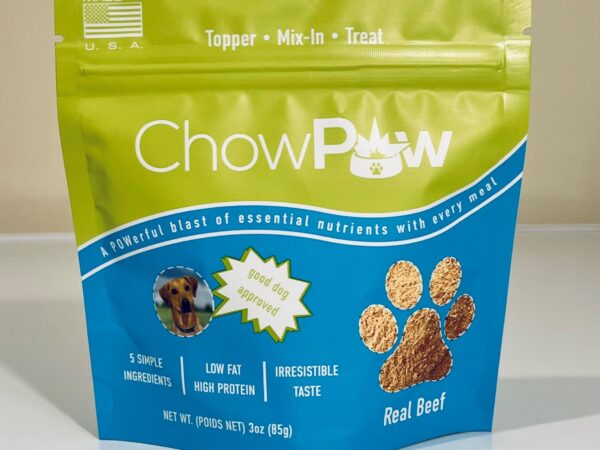 Dog Food Topper - Beef HeartOriginal price was: $14.99.$10.95Current price is: $10.95. - or subscribe and save up to 20%