
Quick Guide To Benefits Of Apple Cider Vinegar For Dogs
Apple cider vinegar can work wonders for your pup’s digestion, coat, and overall zest—often with just a few drops tucked into their meal. These benefits of apple cider vinegar for dogs span from calmer tummies to glossier fur and a natural barrier against unwelcome bacteria.
Key Benefits Of Apple Cider Vinegar For Dogs
Think of ACV as a mini detox for your dog’s insides and a protective wrap for their skin. Below, you’ll find the standout perks of letting a little vinegar into your dog’s daily routine.

- Improved Digestion Balances gut flora and eases gas
- Balanced Blood Sugar Helps stabilize glucose for steady energy
- Stronger Coat Supports skin pH for a shinier, healthier fur
- Antibacterial Support Discourages harmful microbes inside and out
Take a quick look at these benefits before deciding when to try ACV with your dog.
Key Benefits At A Glance
Here’s a simple summary of apple cider vinegar’s top effects, plus guidance on timing:
| Benefit | Description | When To Try |
|---|---|---|
| Improved Digestion | Supports gut flora and soothes bloating | After meals |
| Balanced Blood Sugar | Helps steady glucose spikes and dips | For diabetic or senior dogs |
| Stronger Coat | Regulates skin pH for a glossy, healthy coat | During shedding season |
| Antibacterial Support | Fights unwanted bacteria on skin and within | If skin irritations appear |
With this roadmap in hand, you’ll know exactly when to sprinkle in those vinegar drops.
Think of apple cider vinegar as a gentle interior scrub for your dog’s gut and a natural shield for their skin.
Summary Of Benefits
Each perk of ACV shines in its own scenario:
- Digestive care: Perfect right after meals to keep tummies calm.
- Blood sugar balance: A daily boost for diabetic or older pups.
- Coat enhancement: Best during heavy shedding periods for extra shine.
- Antimicrobial action: Handy at the first sign of skin flare-ups.
Before you get started, check in with your veterinarian and introduce ACV in small amounts. Watch your dog’s reaction and fine-tune the timing to suit their unique needs.
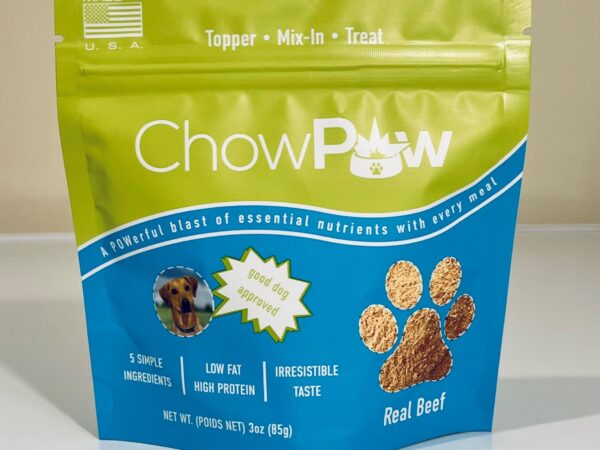
For an even easier way to include ACV—and sneak in extra nutrition—mix it with ChowPow and sprinkle it over your dog’s kibble. As a meal enhancement, ChowPow is designed to boost the nutritional value of your dog's current food, not replace it. Its beef heart formula not only masks the vinegar tang but also adds protein, vitamins, and minerals right to the bowl. Enjoy the transformation!
How Apple Cider Vinegar Works In Dogs
To really understand why apple cider vinegar is such a hot topic for dog health, we need to look at what it’s actually doing inside their bodies. Don't think of ACV as a harsh treatment; it's more like a gentle, natural tune-up for your dog's internal systems. The magic ingredient is acetic acid, a compound that influences everything from their tummy to their skin.
When your dog gets a small, properly diluted dose of ACV, it gets to work right away in the digestive tract. The mild acidity helps create the perfect environment in the stomach for breaking down proteins and absorbing all the good stuff from their food. It’s like a little primer that gets their digestive engine running smoothly.
The Gut's Traffic Controller
One of ACV’s most important jobs is managing the gut. Your dog's digestive system is like a bustling city full of bacteria, both good and bad. Raw, unfiltered apple cider vinegar acts as a prebiotic—basically, food for the good gut bacteria.
By feeding these beneficial microbes, ACV helps the good guys flourish, keeping the gut microbiome in healthy balance. A happy gut is the foundation of a strong immune system. In fact, nearly 90% of a dog's immunity is located right there in their digestive tract. Supporting their gut is a huge piece of the puzzle when you're learning how to improve dog gut health for overall wellness. For a deeper dive into what a healthy gut looks like, check out your dog's digestive health report card.
You can spot high-quality, raw ACV by the cloudy stuff floating inside, often called "the mother." This is where all the beneficial enzymes and bacteria live.
This cloudy "mother" is what gives unpasteurized ACV its incredible prebiotic power.
The Blood Sugar Stabilizer
Beyond digestion, ACV has a pretty cool effect on blood sugar. After a meal, a dog's blood sugar can spike and crash like a roller coaster. Acetic acid acts like a gentle brake on that wild ride.
It helps slow down how quickly food leaves the stomach, which means glucose (sugar) enters the bloodstream more gradually. This helps prevent those sharp energy spikes and the inevitable crashes that follow, leading to more stable energy all day. For senior dogs or those with metabolic issues, this stabilizing effect can be a real game-changer.
Studies have shown that using ACV consistently over 8 to 12 weeks can lower blood sugar levels by as much as 34 percent in dogs. You can find more on these ACV findings at Dog's Naturally Magazine.
The Skin and Coat pH Balancer
The benefits of apple cider vinegar aren't just internal. When you use it topically as a diluted spray, ACV can help balance the pH level of your dog's skin. A dog's skin is naturally a bit acidic, which creates a protective shield against yeast and harmful bacteria.
Things like allergies or even diet can throw this delicate pH balance out of whack, leading to itchy skin, hot spots, and general irritation. A diluted ACV rinse acts like a natural toner, gently restoring the skin's acidity to its happy place. This creates an environment where irritants can't thrive, offering soothing relief and helping maintain a shiny, healthy coat. It’s a fantastic inside-and-out approach to your dog's wellness.
Facts Versus Myths About ACV
You’ve probably seen glowing testimonials online claiming apple cider vinegar (ACV) can cure everything from allergies to fleas. The reality is more nuanced. ACV does offer real perks for your pup—but it isn’t a one-stop-shop for every pet health concern.
Some stories are so over the top they’d make Hollywood blush. For instance, the idea that ACV banishes severe skin allergies overnight or forms an all-powerful barrier against parasites. In truth, ACV can help balance skin pH and soothe minor irritations—but serious allergic reactions usually need a vet’s help.
Likewise, relying on ACV as your dog’s sole flea and tick defense is wishful thinking. Its sharp scent might deter a few pests, but it won’t eliminate an infestation. Think of ACV as a supporting player in a larger, vet-approved prevention plan.
Common Myths Debunked
Let’s set the record straight on the most persistent—and potentially dangerous—myths:
- Myth: ACV Cures Cancer. There is absolutely no scientific evidence to back this. Cancer demands professional veterinary diagnosis and treatment. Never swap out medical care for ACV.
- Myth: It’s a Miracle Allergy Fix. ACV can calm itchy, pH-imbalanced skin, but it won’t cure the underlying allergy. Use it to ease symptoms, not as a standalone solution.
- Myth: It Kills All Internal Parasites. While ACV promotes a healthy gut environment, it’s not a dewormer. Regular, vet-recommended parasite treatments are essential.
It’s important to remember that while many pet owners report positive experiences, the scientific evidence supporting the benefits of apple cider vinegar in dogs is still limited. Current research offers no compelling proof to support routine feeding or topical application for many of the grander claims. For more details, you can explore the science behind ACV and dog health.
What The Evidence Actually Supports
Think of ACV as a helpful assistant rather than a superhero. The research highlights two key roles:
- Digestion and Gut Health: The acetic acid in ACV acts as a prebiotic, feeding beneficial gut bacteria. A balanced microbiome supports immunity and boosts nutrient absorption.
- Regulating Blood Sugar Levels: ACV can slow sugar absorption after a meal, preventing energy spikes and crashes. This is particularly useful for senior dogs or pups managing metabolic issues.
These benefits build over time, so consistency—and realistic expectations—are crucial.
A Framework For Vetting Pet Health Trends
How do you sift fact from fiction when the next pet wellness craze hits your feed? Follow this three-step approach:
- Question the Source. Is the claim backed by veterinary professionals or published studies? Anonymous testimonials are red flags.
- Look for Nuance. Real solutions “support” and “promote”; they rarely “cure” or “eliminate” outright.
- Start Small and Observe. Introduce ACV in tiny doses, watch your dog’s response, and consult your vet if anything feels off.
With this framework, you’ll navigate pet health trends confidently—spotting genuine benefits without getting swept up in the hype.
Safety and Dosing Guidelines
While the potential perks of apple cider vinegar for dogs are exciting, safety has to come first. ACV is a potent natural substance, and just like any other supplement, you've got to use it correctly to get the benefits without causing any issues. Think of it like adding a strong spice to a recipe—a little bit can make it amazing, but too much will ruin the dish.
The main thing to watch out for with ACV is its acidity. If you give it to your dog straight or in high doses, it can irritate their esophagus or stomach lining. Over time, it could even erode their tooth enamel. That’s why you should never give your dog undiluted apple cider vinegar. It always needs to be mixed into their water or blended thoroughly into their food.
Also, some dogs have underlying health issues that don't mix well with ACV. For example, dogs with chronic kidney disease should generally steer clear, as their bodies can struggle to process the extra acid. It's always a good idea to have a quick chat with your vet before adding any new supplement to your dog's daily routine.
This infographic can help you sort through some of the proven benefits versus the popular myths, so you know what ACV can realistically help with.
As the visual shows, while there's evidence supporting ACV for things like blood sugar regulation, claims that it's a magic cure for major skin problems or allergies are mostly myths.
Finding the Right Dose for Your Dog
Figuring out the right dose of ACV isn't a one-size-fits-all deal. The perfect amount really depends on your dog's weight. The golden rule here is to start low and go slow. Kick things off with about half the recommended dose for a week just to see how your dog’s system handles it.
Here’s a simple, weight-based guide for daily dosing:
- For Small Dogs (Up to 15 lbs): Start with 1/4 teaspoon mixed into their food or water.
- For Medium Dogs (16 to 35 lbs): Begin with 1/2 teaspoon.
- For Large Dogs (36 to 84 lbs): You can start with 1 teaspoon.
- For Giant Breeds (Over 85 lbs): A dose of 1 tablespoon is a good starting point.
Remember, consistency is way more important than quantity. A small, regular amount is far safer and more effective than giving them large doses every now and then.
If you decide to add ACV to your dog’s water, make sure you also provide a second bowl of fresh, plain water. Some dogs aren't fans of the taste and might start avoiding their water bowl, which could lead to dehydration. Honestly, mixing it into their meal—especially with a tasty topper like ChowPow—is usually the easiest and most reliable way to go.
Signs to Watch For
As you start introducing ACV, keep a close eye on your pup for any signs of discomfort. Most dogs tolerate it just fine, but a few might experience mild side effects. If you spot any of the following, it’s best to stop giving them ACV and check in with your vet:
- Vomiting or Diarrhea: This is the most common sign of an upset tummy. It could mean the dose was a bit too high or that ACV simply doesn't agree with your dog.
- Increased Itching or Skin Irritation: While it's often used to soothe skin, ACV can sometimes have the opposite effect if your dog has an underlying sensitivity.
- Loss of Appetite: If your already-picky eater suddenly turns their nose up at everything, the ACV might be the reason.
These reactions are pretty rare, but being an observant dog parent is key. By following these simple guidelines—choosing the right product, diluting it properly, dosing by weight, and watching your dog’s reaction—you can safely add the benefits of apple cider vinegar to their wellness plan.
Enhancing Meals With ACV And ChowPow
So, you're sold on the benefits of apple cider vinegar for your dog. That's the easy part. The real challenge? Getting your pup to actually eat it. Let’s be honest, the strong, sour smell of ACV can make even the most food-loving dogs turn their noses up. Just pouring it over their kibble often ends in a mealtime strike.
This is where a little bit of strategy comes into play. You want to deliver all that ACV goodness without the dinner-time drama. After all, mealtime should be a happy occasion, not a battle of wills.
Some people try diluting the ACV in their dog's water bowl. While it sounds simple, many dogs will just avoid the water entirely, which can lead to dehydration. A much more reliable method is mixing the vinegar directly into their food. This ensures they get the full, correct dose with every single bite.
Two Paths To An ACV-Boosted Meal
When it comes to getting ACV into your dog’s food, you basically have two options. You can mix it directly into their kibble and hope for the best, or you can use a flavorful meal topper to completely mask the taste. Each approach has its pros and cons, from how easy it is to the nutritional punch it packs.
Let's break them down:
- The Direct Mix Method: This is as straightforward as it gets. You just add the proper dose of diluted ACV right into your dog's food bowl and stir. Simple, yes, but its success depends entirely on your dog not minding the flavor.
- The ChowPow Enhancement Method: With this technique, you blend the ACV with ChowPow, our nutrient-packed beef heart supplement, before adding it to the kibble. ChowPow's rich, meaty flavor completely overpowers the vinegar's taste while adding a serious nutritional boost to their existing food.
Knowing the difference will help you pick the best strategy for your dog. A picky eater is going to need a different game plan than a dog who inhales everything in sight.
Mixing Methods Comparison
To make the choice even clearer, here’s a side-by-side look at both techniques. Consider your dog's personality and your daily routine to see which one fits best.
| Method | Ease Of Use | Flavor Impact | Nutritional Boost |
|---|---|---|---|
| Direct ACV Dosing | Simple, but takes work to mix it in evenly. | High. The strong vinegar taste is a common deal-breaker for many dogs. | Minimal. You only get the benefits of ACV, nothing extra. |
| Using ChowPow | Super easy. The powder soaks up the ACV and coats the kibble perfectly. | Low. The savory beef heart taste completely hides the sourness. | High. Adds a blast of protein, vitamins, and minerals to the meal. |
As you can see, while the direct method is simple on paper, it runs a high risk of your dog flat-out rejecting their food. Using ChowPow not only solves the taste problem but also turns their regular meal into a nutritional powerhouse.
By mixing ACV into ChowPow’s nutrient-rich formula, you can turn a simple bowl of kibble into a balanced, tasty treat. This isn't just about hiding a supplement; it's about upgrading your dog's entire meal.
Step-By-Step Instructions For Each Method
Ready to give it a go? Here’s exactly how to do it. Just remember, ChowPow is a meal enhancement meant to supercharge your dog’s current food, not replace it.
Method 1: The Direct Mix
- Measure out the right amount of raw, unfiltered ACV based on your dog’s weight.
- Dilute the ACV with an equal part of water.
- Pour the mixture over your dog’s kibble.
- Stir like crazy for at least 30 seconds to make sure the liquid gets distributed and absorbed.
- Serve right away and cross your fingers!
Method 2: The ChowPow Enhancement
- Measure the correct dose of ACV for your dog’s weight. No need to dilute it.
- Add the recommended serving of ChowPow to a small bowl.
- Pour the ACV directly onto the ChowPow powder and mix. It will form a thick, gravy-like paste.
- Spoon this nutrient-packed paste over your dog’s kibble and give it a quick stir.
- Serve and watch your dog dive in, totally oblivious to the hidden ACV.
At the end of the day, the ChowPow method offers a better experience for everyone involved. It takes the stress out of supplementing, ensuring your dog gets all the benefits of apple cider vinegar along with a powerful nutritional upgrade. For anyone looking to elevate their dog's meals, checking out high-quality dehydrated dog food toppers is a fantastic place to start.
Real World Use Cases
It's one thing to read about the science and the guidelines, but it's another to see how apple cider vinegar actually works for real dogs in real homes. Let’s be honest, every dog is an individual with their own quirks, health history, and, of course, opinions on what tastes good.
We’re going to walk through a few common scenarios where dog owners have successfully used ACV to tackle specific challenges, often with a little help from ChowPow to make things easier. These aren't just feel-good stories; they're practical examples of how to adapt your approach to fit your dog’s unique needs.
Case Study 1: The Senior Husky With a Sensitive Stomach
First up is Sasha, a 12-year-old husky whose golden years were being overshadowed by uncomfortable gas and digestive issues. Her owner, Mark, was nervous about adding any new supplements to her diet, worried he might just make things worse. He’d heard about the benefits of apple cider vinegar for dogs but was put off by the strong taste and acidity.
Mark started small. Really small. Just a quarter teaspoon of ACV mixed into Sasha's dinner. As he suspected, Sasha was not impressed and carefully ate around the kibble that smelled like vinegar. The direct approach was a flop.
So, Mark tried a different tactic. He mixed that same tiny dose of ACV into a scoop of ChowPow, creating a thick, meaty gravy that he used to coat all of Sasha's kibble. The difference was night and day. Drawn in by the rich beef heart aroma, Sasha cleaned her bowl without a second thought. Because ChowPow is a supplement that enhances her existing food, Mark didn't have to worry about a sudden diet change.
Within about two weeks, Mark noticed a huge change. Sasha's gassiness had settled down, and her digestion just seemed calmer and more regular. For more tips on dogs like Sasha, check out the power of toppers for helping dogs with sensitive stomachs.
Case Study 2: The Picky Spaniel Who Hated Mealtime
Next, let's talk about Cooper, a cocker spaniel who was notoriously fussy about his food. His owner, Emily, felt like she had tried it all—pricey wet foods, home-cooked recipes—but Cooper would often just give his bowl a sniff and walk away. Emily wanted to add ACV to his diet for its potential coat benefits, but she knew getting anything new past his picky palate would be a battle.
She decided to use ChowPow as her secret weapon from the very beginning. But she didn't just mix it in; she turned mealtime into an event.
- She started by mixing a half-teaspoon of ACV with a serving of ChowPow and a splash of warm water.
- She let it sit for a minute to create a savory, gravy-like paste.
- Then, she stirred this paste thoroughly into Cooper’s kibble until every single piece was coated.
The result was amazing. The irresistible smell of beef heart was enough to get Cooper interested, and the flavor completely masked the vinegar. He licked his bowl clean for the first time in ages. Over the next month, not only did Cooper's appetite improve, but his coat started to get a beautiful, noticeable shine.
For a picky eater, the secret isn't just masking a flavor; it's about making their entire meal more appealing. ChowPow and ACV work as a team—one brings the flavor, the other brings the benefits.
Case Study 3: The Bulldog Recovering From an Illness
Finally, meet Winston, a bulldog who was having a tough time getting his strength and appetite back after being sick. His vet mentioned that helping to stabilize his blood sugar could improve his energy levels. Winston's owner, Sarah, learned that ACV might help with this, but she was cautious about giving him anything while his system was still so fragile.
Sarah opted for a slow and gentle approach. She began with just a few drops of ACV mixed into a ChowPow and water "slurry," which was easy for Winston to lap up. This way, he was getting the ACV along with a boost of hydration and much-needed nutrients without replacing his vet-approved diet.
Over several weeks, she gradually increased the ACV to the recommended dose for his weight. Winston’s energy levels started to even out, and his appetite returned with a vengeance. The combination of ACV for blood sugar support and ChowPow for nutrient density was the one-two punch he needed to get back on his paws. For owners like Sarah, it's often helpful to look into creating a natural remedy kit for your dog to handle a variety of common issues at home.
Got Questions? We've Got Answers
Bringing a new supplement into your dog's routine always sparks a few questions. It's completely normal to want to get it right. Here are some straightforward answers to the things we hear most often from pet parents about apple cider vinegar.
Can I Give My Dog ACV if They're on Medication?
This is a big one, and the only safe answer is to talk to your veterinarian first.
While a little bit of diluted ACV is generally safe, it has the potential to interact with certain medications. This is especially true for things like diuretics or heart condition drugs. Your vet has the full picture of your dog's health and can give you the all-clear, ensuring you're only helping, not accidentally complicating their treatment.
My Dog Hates the Taste. What Now?
You're definitely not alone here. That sharp, sour flavor can be a deal-breaker for a lot of dogs. If your pup turns their nose up at their ACV-dosed meal, don't try to force it.
The simplest fix is to disguise the taste completely. Mixing the ACV dose into a serving of ChowPow works wonders. The rich, savory flavor of beef heart is more than a match for the vinegar's tang, turning a meal they'd otherwise reject into one they can't wait to eat. It’s an easy way to make sure they get all the benefits without the mealtime drama.
Is the Dose Different for Seniors or Diabetic Dogs?
Yes, and this is an important distinction. Senior dogs and those with chronic health issues like diabetes often have systems that are a bit more sensitive. It's always best to take a "start low and go slow" approach.
Begin with just a few drops—less than the standard dose for their weight—and keep a close eye on them. For diabetic dogs, it's absolutely crucial to consult your vet. ACV can influence blood sugar levels, and your vet needs to factor that into their overall management plan to avoid any unsafe fluctuations.
How Long Until I See a Difference?
Patience is your best friend. Every dog is different, but you can generally expect to see some changes within a few weeks.
You might notice better digestion or less gas within 2 to 4 weeks of consistent, daily use. Skin and coat benefits often show up in that same timeframe. For the deeper metabolic support, like blood sugar regulation, it can take a bit longer—often 8 to 12 weeks of steady use before the effects are clear.
Ready to give your dog the perks of ACV without the picky-eater pushback? ChowPow makes it easy. Our dehydrated beef heart topper is a meal enhancement that doesn't just mask the sour taste; it adds a serious nutritional boost to their regular food.
Turn every meal into a powerhouse of flavor and health. Visit https://chowpownow.com to learn more.
-
Product on sale
 Dog Food Topper - Beef HeartOriginal price was: $14.99.$10.95Current price is: $10.95. - or subscribe and save up to 20%