Finding the Best Digestive Enzymes for Dogs
While the best digestive enzymes for dogs will always come down to your pet's specific situation, high-quality supplements usually contain a mix of protease, amylase, and lipase to help tackle proteins, carbs, and fats. For general wellness or just to give their kibble a little boost, a natural, whole-food topper can be an amazing first step in supporting your dog’s digestive system.
Your Guide to Better Canine Digestion
Ever look at your dog and wonder if they're really getting everything they can from their meals? You buy the good food, but maybe you still see the occasional gas, funky poops, or just a general lack of excitement when the bowl comes out. These little clues often point back to one core part of their health: digestion.
A dog's digestive system is the engine that powers their entire body. And just like any engine, sometimes it needs a bit of a tune-up to run smoothly.
This is where digestive enzymes come in. Think of them as tiny, specialized workers on a nutritional assembly line. Each one has a very specific job: breaking down proteins, fats, or carbohydrates into smaller, more usable pieces the body can actually absorb. Without enough of these little workers, even the best food can pass right through without delivering its full punch.
The Role of Enzymes in Getting Nutrients
When your dog eats, their pancreas naturally gets to work, producing enzymes to break everything down. But things like age, stress, or a diet heavy in processed kibble can put a strain on this natural system. Highly processed foods often lack the natural enzymes found in fresh, raw ingredients, which forces the pancreas to work overtime just to keep up.
Giving them a little extra support can make a huge difference. By adding a nutrient-rich food topper like ChowPow to your dog's bowl, you're handing their body the tools it needs to unlock the full potential of their food. This simple step can help with:
- Efficient Nutrient Breakdown: Making sure proteins, fats, and carbs are properly deconstructed so they can be absorbed and used.
- Improved Gut Comfort: Reducing the chances of gas, bloating, and indigestion that come from undigested food hanging around.
- More Energy: When your dog can absorb more nutrients from their food, they have more fuel for walks, playtime, and everything in between.
A healthy gut is the foundation for everything else. In fact, over 70% of a dog’s immune cells live in the gut, so supporting digestion also helps beef up their natural defenses against getting sick.
Not a Replacement, But a Boost
It's really important to be clear here: ChowPow is a meal enhancement, not a replacement for your dog's main food. ChowPow is a whole-food topper designed to boost the nutritional value and make their existing kibble way more appealing.
It adds a punch of high-quality protein and natural goodness from ingredients like beef heart, carrots, and celery. Think of it as making every meal more digestible and a lot more exciting for your pup.
To truly support your dog’s long-term health, it’s best to take a well-rounded approach to holistic pet wellness that goes beyond just diet. This guide will walk you through how to tell if your dog might need extra support and how to choose the right solution for them.
Recognizing the Signs of Digestive Distress
Is your dog’s tummy trying to tell you something? Since our dogs can't just say, "Hey, my stomach hurts," it's on us to play detective and watch for the clues they give us—some subtle, and some… not so subtle. Catching these signs early is the first real step toward getting them the help they need.
Sometimes the signals are loud and clear, like a bout of diarrhea after a forbidden, high-fat snack from the dinner table. Other times, the signs are much quieter, building up slowly until you find yourself wondering why your once-bouncy pup seems a little down. More often than not, these symptoms trace back to a single problem: their body is struggling to break down and absorb nutrients from their food.
Common Red Flags for Poor Digestion
Paying close attention to your dog's daily habits can tell you a lot about what’s going on inside. Many common issues that owners might write off as "just how my dog is" can actually point to an underlying digestive imbalance.
Here are a few of the most frequent signs that your dog might need a little digestive support:
- Excessive Gas (Flatulence): Sure, an occasional toot is normal. But if your dog is constantly clearing the room, it could mean undigested food is fermenting in their gut.
- Bloating or a Rumbling Stomach: A swollen-looking belly or loud, gurgling gut sounds (the technical term is borborigmi) are classic signs of digestive turmoil.
- Bad Breath (Halitosis): If you've ruled out dental issues, stinky breath can sometimes come from an imbalance of bacteria in the gut.
- Low Energy or Lethargy: When a dog can’t get enough nutrients from their food, they simply won't have the fuel to power their zoomies.
These aren't just minor annoyances. They're your dog’s way of showing you their digestive engine isn't running on all cylinders.
To help you connect the dots, here's a quick look at common symptoms and what they might mean.
Common Signs of Digestive Enzyme Deficiency in Dogs
| Symptom | What It Could Mean | Related Enzyme Function |
|---|---|---|
| Chronic Diarrhea | Food is passing through too quickly, without proper nutrient absorption. | Insufficient lipase (for fat) or amylase (for carbs). |
| Greasy, Smelly Stools | Undigested fats are being excreted, a classic sign of fat malabsorption. | Likely a significant lipase deficiency. |
| Weight Loss Despite Good Appetite | The body isn't breaking down or absorbing calories and nutrients from food. | Multiple enzyme deficiencies, often lipase and protease. |
| Excessive Gas & Bloating | Undigested carbohydrates are fermenting in the colon, producing gas. | Low levels of amylase are often the culprit. |
| Undigested Food in Poop | A clear sign that the digestive process is incomplete from the start. | General lack of protease, lipase, and amylase. |
| Eating Poop (Coprophagia) | The dog may be instinctively trying to reclaim undigested nutrients. | A sign of overall maldigestion and enzyme insufficiency. |
This table is just a guide, but if you're ticking off a few of these boxes, it’s a good reason to pay closer attention to your dog's gut health.
Beyond the Belly Rubs: What Stools Reveal
One of the most direct ways to gauge your dog's digestive health is by checking out what comes out the other end. Think of your dog's poop as a daily report card for their gut. Healthy digestion produces firm, well-formed stools that are easy to pick up.
If you're seeing inconsistent stool quality, it's a huge clue that something is off. Spotting undigested food particles in their poop is a dead giveaway that enzymes aren't pulling their weight, letting precious nutrients pass right through.
This growing awareness among pet parents has fueled a massive interest in digestive health products. In fact, the market for pet food enzymes is expected to jump from USD 269.5 million in 2025 to USD 525.4 million by 2034. This boom is largely driven by products aimed at fixing common issues like bloating and messy stools, which affect up to 20% of dogs on standard kibble diets.
For a deeper dive into decoding your dog's droppings, check out our guide on using poop as your dog's digestive health report card.
When to Seek Veterinary Advice
While many minor digestive hiccups can be managed with simple dietary tweaks, some symptoms are too serious to ignore. It’s vital to know the difference between a little upset and a potential medical emergency.
Always call your vet if you notice any of the following:
- Chronic or Severe Diarrhea: Persistent loose stools can quickly lead to dehydration and may signal a more serious underlying condition.
- Unexplained Weight Loss: If your dog is losing weight but still eating well, it's a major red flag for malabsorption.
- Frequent Vomiting: An occasional upchuck can happen, but regular vomiting is not normal and needs a professional diagnosis.
- Complete Loss of Appetite: A dog that turns down food for more than 24 hours should be seen by a vet right away.
By learning to read these signs, you can be proactive about your dog’s gut health and make sure they feel fantastic from the inside out.
The Three Key Players in Your Dog's Digestion
To really get a handle on your dog's digestion, you have to know who the main players are. Think of your dog's dinner as a complex puzzle made of proteins, fats, and carbs. Their body can't just use those big puzzle pieces as-is—they need to be broken down into smaller, usable bits first. That's exactly where digestive enzymes come in.
Each enzyme has a very specific job, like a key made for just one lock. If your dog is missing a particular key, that part of their meal can't be "unlocked," and all those good nutrients just pass right through their system without being absorbed. This is why a good mix of enzymes is so important for overall digestive health.
Let's meet the three most important enzymes in your dog's digestive toolkit.
Protease: The Protein Pro
First up is protease, the enzyme in charge of breaking down proteins from things like meat, fish, and eggs. Proteins are built from long, complicated chains of amino acids. Picture a beaded necklace—protease acts like a tiny pair of scissors, snipping the string so all the individual beads (the amino acids) are set free.
These amino acids are the fundamental building blocks for just about everything in your dog's body. They're essential for:
- Building and repairing muscles and other tissues.
- Keeping the immune system strong and ready.
- Creating healthy skin, a shiny coat, and tough nails.
When there isn't enough protease, protein can travel through the gut undigested. This is a double whammy: not only are valuable nutrients wasted, but the undigested protein can ferment in the colon, leading to some seriously foul-smelling gas and digestive upset.
Amylase: The Carb Cutter
Next, we have amylase, the enzyme that goes to work on carbohydrates. Its job is to break down complex carbs and starches—found in ingredients like potatoes, grains, and peas—into simple sugars like glucose. Glucose is your dog's go-to source for quick energy.
Think of amylase as a demolition expert, taking apart a complex structure like a brick wall (a starch molecule) and breaking it down into individual bricks (glucose molecules). The body can then easily grab these bricks for immediate fuel to power everything from a game of fetch to an enthusiastically wagging tail.
If a dog’s system isn't making enough amylase, those undigested carbs can cause some real trouble, like bloating, gas, and loose, watery stools. This happens because the unabsorbed sugars pull water into the intestines and become a feast for gas-producing bacteria in the gut.
Lipase: The Fat Fighter
Last but not least is lipase, the enzyme responsible for breaking down fats and oils into much smaller fatty acids and glycerol. Fats are a super-concentrated source of energy and are absolutely vital for absorbing fat-soluble vitamins (A, D, E, and K), keeping cells healthy, and supporting brain function.
Lipase works a lot like dish soap on a greasy pan. It breaks down large blobs of fat into tiny droplets that the body can easily absorb. Without enough lipase, fats are poorly digested, which often leads to greasy, foul-smelling, and oddly pale-colored stools—a classic sign that fat isn't being absorbed properly.
Supplemental vs. Prescription Enzymes: What's the Difference?
This is a crucial distinction. The gentle, plant-based enzymes you find in over-the-counter supplements are a world away from the powerful, animal-based enzymes a vet would prescribe. Supplemental enzymes are for general wellness, helping an otherwise healthy dog get a bit more out of their food. Prescription enzymes are potent medical treatments for serious conditions like Exocrine Pancreatic Insufficiency (EPI), where the pancreas has stopped producing enzymes almost entirely.
Putting It All Together for Better Digestion
When you understand how these three key players work, you can see the whole picture of your dog's digestion more clearly. A shortage in any one of these enzymes can throw the entire system off-kilter, preventing your dog from getting all the nutrition packed into their food.
For dogs who just need a gentle boost to make their daily meals more digestible, a whole-food meal enhancer like ChowPow is a fantastic place to start. It isn't a concentrated enzyme supplement designed to treat a medical problem. Instead, it works by adding high-quality, natural ingredients that make their regular kibble more appealing and easier on their system. You're supporting their gut health from the ground up, ensuring every meal is as beneficial as it is delicious.
How to Choose the Right Digestive Support
Walking down the supplement aisle for your dog can feel like a pop quiz you didn’t study for. With so many powders, chews, and fancy formulas staring back at you, how do you even begin to pick the right one? Making a smart choice comes down to knowing what to look for—and understanding the difference between general wellness support and a targeted medical treatment.
The pet supplement market is massive, and dog products are a huge piece of the pie. In fact, they’re projected to make up 57.25% of a market worth USD 6.26 billion in 2026, which is expected to climb to USD 8.84 billion by 2031. A big driver of this growth is digestive aids, as more and more owners look for ways to support their dog's gut health.
Your Product Evaluation Checklist
When you're comparing different products, it's easy to get swayed by slick marketing. Forget the flashy packaging for a minute and use this simple checklist to cut through the noise and find a high-quality, trustworthy option for your dog.
A solid product should always have:
- Third-Party Testing: This one’s non-negotiable. Independent lab testing is the only way to verify that what's on the label is actually in the bottle, confirming its purity and strength.
- A Clean Ingredient List: Flip it over and look for ingredients you can actually pronounce. You want to avoid products packed with artificial flavors, colors, preservatives, and unnecessary fillers like corn, wheat, or soy.
- Clear Sourcing Information: Companies that are proud of their ingredients are happy to tell you where they come from. Honesty about sourcing is a great sign of quality.
- Quality Certifications: Keep an eye out for seals like the National Animal Supplement Council (NASC) Quality Seal. This tells you the manufacturer sticks to strict quality control and labeling rules.
This chart gives you a great visual of how different foods are broken down in your dog’s gut.
As you can see, proteins, carbs, and fats each need their own specific enzymes to do the job right, which is why a full spectrum of support can be so helpful.
Powders vs. Chews: What’s Best?
The form of the supplement—whether it's a powder or a chew—actually matters, especially if you have a picky eater or a senior dog with dental issues. Each one has its pros and cons.
- Powders: These are incredibly versatile and make it easy to get the dose just right. You can mix them straight into your dog's food or add a little water to create a tasty gravy. It’s a fantastic option for older dogs with sensitive teeth.
- Chews: Super convenient and usually flavored like a treat, so most dogs gobble them right up. The downside? They often contain extra binders, fillers, and sugars to hold their shape and taste good, so you really need to scrutinize that ingredient list.
Choosing between a supplement and a whole-food topper really depends on your goal. A concentrated enzyme supplement is for targeted, specific support, while a whole-food topper is for boosting general nutrition and making meals more appealing.
Where ChowPow Fits In
This is where it’s important to understand the role of a product like ChowPow. It is not a concentrated, isolated digestive enzyme supplement. Instead, ChowPow is a whole-food meal topper designed to boost the nutritional value and appeal of your dog’s regular kibble.
Made from simple, clean ingredients like dehydrated beef heart, carrots, and celery, ChowPow is all about enhancing meals naturally. It's the perfect sidekick for:
- Picky Eaters: That rich, meaty aroma is often all it takes to convince even the fussiest dogs to finally clean their bowls.
- Boosting Nutrition: It adds a powerful punch of high-quality protein and nutrients from real, recognizable food.
- General Wellness: It supports overall health by making your dog’s existing food more nutrient-rich and enticing, without adding a potent dose of isolated enzymes.
If you’re just looking to liven up mealtime or solve a picky eating problem, a natural food booster like ChowPow is an excellent first step. For more specific medical issues or persistent digestive upset, a conversation with your veterinarian is always the right move. They can help you figure out if your dog needs something more targeted.
For a closer look, check out our deep dive into digestive health supplements for dogs.
The Power of Whole Foods for Gut Health
Before you jump to a specialized supplement, take a look in your fridge. You might be surprised by the incredible power of what’s already in there. A "food-first" approach is all about using whole, natural ingredients to give your dog’s digestion some amazing support—often without needing isolated enzyme formulas at all.
Simple, recognizable foods come with their own set of natural enzymes and nutrients that work together beautifully to promote a healthy gut. By focusing on high-quality nutrition, you can give your dog’s current diet a serious boost without having to do a complete overhaul.
Building a Better Bowl Naturally
Tossing some nutrient-dense whole foods into your dog's bowl is an easy way to support their digestive system from the ground up. These ingredients offer so much more than just calories; they’re packed with vitamins, minerals, and fiber that processed kibble can sometimes lack.
Think about adding these powerhouse ingredients:
- Beef Heart: This isn't just another protein source. Beef heart is a true superfood, loaded with high-quality protein and essential amino acids that help dogs feel full and satisfied. This can help curb begging and supports lean muscle.
- Carrots and Celery: These veggies are fantastic sources of natural fiber. Fiber basically acts like a broom for the digestive tract, helping to keep bowel movements regular and stools consistently firm.
This shift toward natural digestive support is something we're seeing across the entire pet industry. In 2023, the global market for dog intestinal health supplements ballooned to an impressive USD 34.5 billion, and it's still growing. This trend really shines a light on the demand for solutions like digestive enzymes that help break down food better, especially for picky eaters or older dogs. A nutrient-rich topper like ChowPow, with its own natural enzymes and high protein, offers similar benefits. In fact, some real-food studies have shown appetite boosts of up to 30% in finicky pups.
The ChowPow Philosophy: A Simple Boost
This food-first idea is the heart of ChowPow. We believe that making your dog's meal better shouldn't be complicated. ChowPow was designed from day one to be a meal enhancement, not a total replacement for their regular food.
The goal is to boost the nutritional value of what you’re already feeding. By sprinkling ChowPow over their food, you’re adding a layer of high-quality, digestible protein and natural fiber that makes every bite more beneficial and far more exciting.
Of course, when you start adding fresh produce to your dog's diet, it's also a good idea to learn how to remove pesticides from fruits and vegetables to make sure everything is safe and clean. It's a simple step that helps you provide the best nutrition possible.
Why a Topper Can Be the Perfect First Step
For a lot of dogs, especially those who are just a little picky or could use a gentle digestive lift, a whole-food topper is the perfect solution. It sidesteps the need for a concentrated dose of specific enzymes, which might be overkill for an otherwise healthy dog.
Instead, it works by making their regular food more appealing and easier to process. This simple act of boosting their current diet respects their digestive system while delivering a powerful punch of natural goodness—making mealtime the highlight of their day. You can dive deeper into the benefits of fiber for canine digestion in our detailed guide.
Common Questions About Digestive Enzymes
Jumping into the world of canine digestive support can feel a little overwhelming. You've got questions, and that's completely normal—you want to do what's best for your dog. We've been there.
To help you feel confident in your choices, we've gathered some of the most common questions we hear from pet parents and laid out the answers in plain English. Let's clear up the confusion so you can make the right call for your furry family member.
When Should I Choose a Supplement Versus a Whole-Food Topper?
This is a fantastic question, and getting the distinction right is key. Think of it this way: are you trying to fix a specific mechanical problem in the engine, or are you just looking to put higher-quality fuel in the tank?
A whole-food topper like ChowPow is all about upgrading the fuel. It’s perfect for giving an already healthy diet a serious boost. Its main jobs are pretty simple:
- Making Meals Exciting: It turns boring old kibble into something special, which is a lifesaver for picky eaters who tend to snub their bowls.
- Adding a Nutritional Boost: It sprinkles on extra high-quality protein and nutrients from simple, real-food ingredients.
A concentrated digestive enzyme supplement, on the other hand, is more like calling in a specialist. It’s designed to deliver a targeted dose of enzymes for dogs showing signs of minor, occasional digestive hiccups, like a bit of extra gas or bloating after they eat. It's for a specific functional need.
If you're seeing serious, ongoing symptoms like chronic diarrhea, sudden weight loss, or frequent vomiting, that's your cue to call the vet. These can be signs of a medical condition that needs a proper diagnosis and potentially prescription-strength enzymes, not just a supplement.
Can I Give My Dog Human Digestive Supplements?
That’s a hard no. Please, never give your dog digestive supplements made for people. It might seem like a harmless shortcut, but the risks are very real and can cause serious health problems.
Human supplements are dosed for a human's weight and metabolism, which are worlds apart from a dog's. What's a safe dose for a 150-pound person could easily be an overdose for a dog, especially a smaller one.
Even more dangerous, many human products contain ingredients that are flat-out toxic to dogs. A big one to watch for is xylitol, an artificial sweetener found in tons of over-the-counter products that is extremely poisonous for canines. Always, always stick to products specifically made and tested for dogs.
How Long Until I See Results for My Dog?
This is where patience and consistency really pay off. How long it takes to see a change depends on what you're using and your dog's unique system.
Here’s a rough timeline of what to expect:
- For Picky Eaters (with a Topper): With a natural food topper like ChowPow, the change can be instant. The delicious aroma often gets even the fussiest dogs excited from the very first bowl.
- For General Digestive Support (with a Supplement): When using a wellness supplement, you’ll likely start to see positive shifts—like firmer poop, less gas, or more energy—within two to four weeks.
- For Medical Issues (with Prescription Enzymes): For dogs with diagnosed conditions like Exocrine Pancreatic Insufficiency (EPI), you might see improvements in just a few days as their body finally starts to absorb nutrients properly.
No matter which route you take, sticking with it is the most important part. Give the product time to do its job and make it a consistent part of your dog's daily routine.
Are There Any Side Effects I Should Watch For?
High-quality, well-made supplements and natural food toppers are generally very safe and easy on a dog's system. But just like with people, every dog is an individual.
When you first introduce something new, it's not unheard of for some dogs to have mild, temporary side effects as their gut gets used to it. This might look like:
- Slightly looser stools than usual.
- A temporary bit of extra gas.
This is typically just part of the adjustment phase and should clear up on its own in a few days. A great way to avoid this is to start slow. Try giving half the recommended amount for the first week and gradually work your way up to the full serving.
But if you notice anything more serious or persistent—like ongoing diarrhea, vomiting, or signs of pain—stop giving the product right away and check in with your vet. They can help you figure out what's going on and decide on the best next step for your dog.
Ready to make mealtime the best part of your dog’s day? ChowPow makes it simple to boost your dog's current kibble with the power of whole-food nutrition. Transform their bowl from boring to irresistible and support their health from the inside out.
-
Product on sale
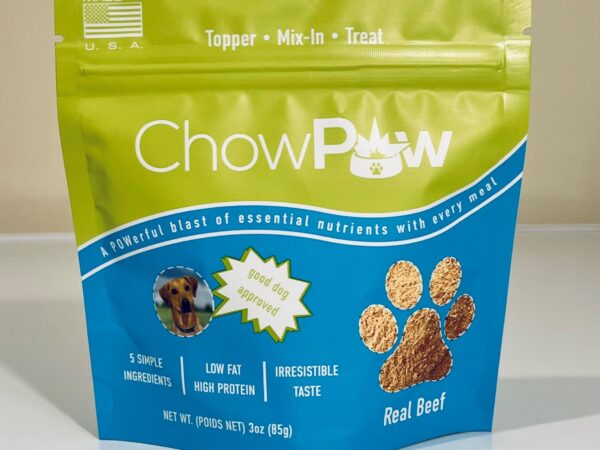 Dog Food Topper - Beef HeartOriginal price was: $14.99.$10.95Current price is: $10.95. - or subscribe and save up to 20%