
Best Dog Food for Dogs with Cancer: A Vet-Informed Guide
When you get the news that your dog has cancer, your world stops. In that overwhelming moment, your first instinct is to do everything in your power to help them. One of the most practical and powerful things you can do is right in their food bowl.
The best approach often involves a diet lower in simple carbs and rich in high-quality protein and healthy fats, like Omega-3s. This strategy helps nourish their body while making the internal environment less friendly for cancer cells, supporting their strength, immune system, and overall quality of life.
Nourishing Your Dog Through Their Cancer Journey
Getting a cancer diagnosis for your dog is heartbreaking. As a pet parent, you feel a desperate need to provide comfort and support, and focusing on their nutrition is one of the most tangible ways to fight back. This guide is here to demystify the dietary needs of a dog with cancer, offering clear, compassionate advice without the confusing jargon.
Our goal is to give you the confidence to make the best dietary decisions for your dog. We'll explore why their nutritional needs change so dramatically and pinpoint which nutrients can best support their body. This isn't about finding a miracle cure in a bowl, but it is about helping your dog maintain their strength, appetite, and happiness.
Why Diet Matters So Much
A good diet provides the essential building blocks for a strong body and a resilient immune system. For a dog fighting cancer, this becomes absolutely critical. Food is fuel, and the right kind of fuel can help manage symptoms, keep their energy levels up, and improve how well they tolerate treatments.
It’s a tough reality that one in four dogs will develop cancer in their lifetime. That risk jumps to nearly one in two for dogs over the age of 10. The American Veterinary Medical Association notes this statistic is strikingly similar to human cancer rates, which really drives home why nutrition is such a vital piece of the puzzle. You can read more on this research in the journal article on canine cancer statistics at ScienceDaily.
A well-formulated diet can help your dog feel better, maintain crucial muscle mass, and strengthen their body’s natural defenses. Think of it as a key player on their care team, working hand-in-hand with your veterinarian's treatment plan.
By focusing on their diet, you become an active participant in their care, ensuring they get the targeted support they need every single day. For more on this, check out our guide on boosting your dog's defenses and immune support.
How Cancer Changes Your Dog's Nutritional Needs
When you get a cancer diagnosis for your dog, it feels like the world stops. Suddenly, you're navigating a whole new reality, and one of the biggest questions is: "What should I feed them?" It’s a critical question because cancer fundamentally changes how your dog’s body works on the inside, especially how it uses food for energy.
Getting a handle on this metabolic shift is the first step. This isn't just about tempting a picky appetite; it’s about strategically giving your dog’s body the right kind of fuel to stay strong while making life harder for the cancer cells.
Think of cancer cells as tiny, relentless thieves inside your dog’s body. They have one mission: grow and multiply, fast. To do this, they need a ton of energy, and their absolute favorite fuel source is simple carbohydrates—in other words, sugars.
While your dog's healthy cells use carbs for energy too, cancer cells are on another level of aggressive. They essentially hijack all the simple carbs from your dog's food through a process called anaerobic glycolysis. This lets them burn through sugar for a quick energy fix, leaving your dog’s healthy cells running on empty.
The Problem with Simple Carbs
This metabolic hijacking is a huge problem. If a dog's diet is packed with simple carbs (which are common fillers in many commercial kibbles), you're essentially laying out an all-you-can-eat buffet for the cancer. It directly fuels the tumor's growth and, at the same time, starves your dog's body of the nutrients it needs to fight back.
It gets worse. This process is incredibly inefficient and creates a toxic byproduct called lactate. Your dog's liver then has to work overtime to convert that lactate back into usable energy, which burns up even more of their precious resources. It’s a draining cycle where the cancer gets stronger and your dog gets weaker.
Understanding Cancer Cachexia
This constant theft of nutrients often leads to a devastating condition called cancer cachexia. This is far more than just simple weight loss. It’s a severe wasting away of both muscle and fat, even if your dog seems to be eating a normal amount.
Cancer cachexia is a metabolic syndrome so severe it can account for up to 20% of deaths in cancer patients. It's driven by the tumor's relentless demand for energy and the inflammation it triggers, causing muscle wasting, profound weakness, and a sharp decline in their quality of life.
The bottom line is that cancer literally reprograms your dog’s metabolism. The disease creates a state of chronic inflammation that robs them of nutrition, and we have to fight that with what we put in their bowl.
Shifting the Nutritional Strategy
To fight back, the goal is to flip the script and create a metabolic advantage for your dog. That means shifting their main energy source away from the simple carbs that cancer loves and toward high-quality proteins and healthy fats that their body can use.
- High-Quality Protein: Your dog's healthy cells are pros at using protein to repair tissues and maintain muscle. Providing plenty of good protein directly combats the muscle wasting caused by cachexia.
- Healthy Fats: Healthy cells can easily convert fats into a steady, concentrated source of energy. Cancer cells, on the other hand, are pretty bad at using fats for fuel.
By changing the diet, we’re not trying to cure the cancer with food. What we are doing is supporting your dog’s body in its fight. We’re giving their healthy cells the building blocks they need while creating an environment where the cancer struggles to thrive. It’s a powerful, proactive way to help maintain their strength, support their immune system, and improve their resilience through it all.
Key Nutrients to Support Your Dog's Fight
When you get a cancer diagnosis for your dog, nutrition suddenly becomes less about maintenance and more about strategy. We're no longer just filling a bowl; we're providing targeted fuel for their fight. The goal is to create an internal environment that nourishes your dog's body and strength while being less hospitable to cancer cells.
This really boils down to a strategic rebalancing act. We need to prioritize high-quality, easy-to-digest proteins and beneficial fats, while pulling back on the simple carbohydrates that cancer cells absolutely love. It's a direct response to the metabolic chaos cancer creates, giving your dog's healthy cells a much-needed advantage.
This diagram gives a great visual of how a cancer cell's metabolism goes rogue compared to a healthy cell, and how that destructive shift leads to cachexia—that devastating muscle wasting.
You can see how the cancer essentially hijacks the body's resources for its own greedy, rapid growth, which is what causes a dog's condition to decline.
To make this easier to digest, let's break down the key players in a canine cancer diet. This table shows what you should focus on and what you should try to limit.
Nutrient Guide for a Canine Cancer Diet
| Nutrient Type | What to Prioritize | Why It Helps | What to Limit | Why It's a Concern |
|---|---|---|---|---|
| Protein | High-quality, digestible animal sources (lean meat, fish, eggs) | Rebuilds muscle, supports immune function, and fights cachexia. | Poor-quality proteins, plant-based proteins | Harder to digest and may not provide the right amino acid profile. |
| Fats | Healthy fats, especially Omega-3s (fish oil, flaxseed) | Provides a dense source of calories that healthy cells use easily. Omega-3s are powerfully anti-inflammatory. | Pro-inflammatory fats (Omega-6s in excess), rendered fats | Can contribute to systemic inflammation, which cancer thrives on. |
| Carbohydrates | Complex carbs (vegetables like carrots, celery) | Provides fiber and micronutrients without spiking blood sugar. | Simple carbs (corn, wheat, white potatoes, sugars) | Cancer cells use simple sugars as a primary and efficient fuel source. |
| Micronutrients | Antioxidants from whole foods | Protects healthy cells from damage (oxidative stress) caused by cancer and treatments. | Artificial preservatives, colors, and flavors | Adds unnecessary chemical load to a system that is already stressed. |
This isn't about getting it perfect every single meal, but about shifting the overall balance of their diet to support their body's fight.
Prioritize High-Quality Protein
If there's one nutrient to obsess over, it's protein. Cancer cachexia, that awful muscle wasting we keep mentioning, happens because the tumor is literally stealing protein from your dog's body to fuel itself. To fight back, you have to keep the supply of high-quality, easily digestible protein coming.
Think of it like trying to reinforce a castle wall while it's actively being broken down. The protein you feed your dog goes directly toward rebuilding their muscle mass, keeping their organs functioning, and fueling their immune system. This strength is what helps them tolerate treatments and maintain their quality of life.
Lean meats, fish, and eggs are fantastic. When you're looking for a simple way to boost their meal, ingredients like dehydrated beef heart—a key ingredient in ChowPow—are a home run. It offers a concentrated, highly bioavailable protein source that’s gentle on a sensitive system and easy to add right on top of their current food.
Embrace Healthy Fats, Especially Omega-3s
Healthy fats are a true powerhouse in a cancer-fighting diet. They pack a lot of calories into a small space, which is a game-changer for dogs with a poor appetite or weight loss. But here's the best part: your dog’s healthy cells can easily burn fat for energy, while most cancer cells are terrible at it.
Omega-3 fatty acids, especially those from fish oil, are the superstars here. They are renowned for their potent anti-inflammatory properties, which can help calm the chronic inflammation that tumors often stir up in the body.
Tackling that inflammation is a huge piece of the puzzle. For some broader ideas on natural approaches to reduce inflammation (even for people), you can see how fundamental this concept is to overall health.
Limit Simple Carbohydrates
We've touched on this, but it's worth repeating: cancer cells have a sweet tooth. A really, really big one. By cutting back on simple carbs like grains, corn, white potatoes, and other sugary fillers, you're essentially starving the tumor of its favorite fuel source. It's a powerful and practical strategy.
This doesn't mean a zero-carb diet is necessary. Complex carbohydrates from certain vegetables provide essential fiber and phytonutrients without causing the sharp blood sugar spikes that feed cancer.
Harness the Power of Antioxidants
Antioxidants are your dog's cellular bodyguards. They protect healthy cells from the damage caused by "free radicals"—unstable molecules that are a byproduct of metabolism and environmental stress. Cancer and its treatments can kick this damaging process, called oxidative stress, into overdrive.
- Whole Food Sources: Veggies like carrots and celery are loaded with natural antioxidants.
- Cellular Defense: These compounds work to neutralize free radicals, bolstering overall cellular health and supporting a taxed immune system.
For pet parents dealing with this, a high-quality meal enhancement like ChowPow can be an easy way to get these nutrients in. The carrots and celery in ChowPow, for instance, offer anti-inflammatory phytonutrients that can help take the edge off chemo side effects. Because it's a gentle powder, you can mix it with water to boost hydration, which is a factor in a staggering 60% of poor outcomes for dogs undergoing treatment. It's a simple way to boost the nutritional value of their existing food.
To get a deeper understanding of how these powerful compounds work, check out our guide on the benefits of antioxidants for dogs.
Practical Tips for Managing Appetite and Side Effects
Figuring out the right food is a massive win, but what happens when your dog won't eat it? This is the next, and often tougher, hurdle. Cancer and its treatments can absolutely demolish a dog's appetite, leading to nausea, a complete disinterest in food, and exhaustion. It’s incredibly frustrating to watch, especially when you know just how vital every single calorie is.
This isn’t just your dog being a picky eater. It's a very real and challenging side effect of their illness. Their sense of smell might be off, certain foods might suddenly taste wrong, or they might even start to associate mealtime with feeling sick. The trick is to approach this with a big dose of patience and a few clever strategies to make their food irresistible again.
Making Meals More Tempting
When a dog’s appetite disappears, we have to lean on their most powerful sense: their nose. A bowl of cold, dry kibble just isn't going to cut it for a dog who feels under the weather. But some simple tweaks can change the entire game.
One of the easiest and most effective tricks in the book is to gently warm up their food. Just add a splash of warm, low-sodium bone broth or even just warm water. Let it sit for a minute to release all those rich, savory aromas that can kickstart their interest. The warmth also boosts the flavor, making the meal far more inviting.
You can also switch up the meal schedule. Instead of two huge meals that feel like a mountain to climb, try offering four or five small, "snack-sized" portions throughout the day. This is way less intimidating and takes the pressure off your dog to finish a big bowl all at once.
The Power of a Palatable Topper
On top of these techniques, a high-value meal enhancer can be your absolute best friend. This is where a supplement like ChowPow really proves its worth. It’s not meant to replace their food, but to supercharge it—both nutritionally and, more importantly, in its appeal.
The rich, meaty smell of dehydrated beef heart is a powerful appetite stimulant. For a dog whose sense of smell is dulled by treatment, that strong, tempting scent can be the very thing that convinces them to take that first, crucial bite.
Because ChowPow is a fine powder, it’s incredibly easy to use. You can sprinkle it right onto their kibble for a punch of flavor or mix it with warm water to create a delicious gravy that coats every single piece. This not only makes the food taste better but also sneaks in some much-needed hydration. It’s a simple move that can transform their regular meal into something special for a dog who is struggling to eat.
Creating a Calm Feeding Environment
Dogs are incredibly sensitive to our moods. If you're stressed and anxious about whether they'll eat, they'll pick up on that and become anxious, too. The atmosphere you create is just as important as what's in their bowl.
Here are a few ways to dial down the mealtime stress:
- Find a Quiet Space: Let them eat away from the hustle and bustle of the house, other pets, or lots of foot traffic.
- Stay Calm: Your relaxed energy is contagious. Sit with them quietly, but don't hover or pressure them. Just be there.
- Keep it Clean: Nausea can be triggered by old food smells. Make sure their bowls are washed well after every meal.
Besides picking the right food, many owners find themselves managing taste and appetite challenges during treatment, a difficult situation that requires both creativity and patience.
Don't Forget Hydration
Hydration is absolutely non-negotiable, especially for a dog going through treatment. Being even slightly dehydrated can make nausea and fatigue so much worse, trapping them in a vicious cycle. If your dog isn’t drinking much, you have to find creative ways to get more fluids into them.
- Wet Food: If you normally feed kibble, simply adding water or broth is an easy win for hydration.
- ChowPow Gravy: Mixing ChowPow with water doesn't just entice them to eat—it ensures they get extra liquid with their meal.
- Ice Cubes: Some dogs love licking or crunching on ice cubes. It can be a fun "treat" that also gets more water into their system.
Ultimately, managing these side effects is all about being flexible. What worked yesterday might not work today. By having a toolbox of different strategies ready to go—from warming their food to using an aromatic meal enhancer—you can help turn mealtime from a daily struggle back into a positive, nourishing experience for both of you.
How a Meal Topper Can Enhance Your Dog's Nutrition
Let's be honest, overhauling your dog's entire diet can feel overwhelming, especially when you're already juggling vet visits and the emotional weight of a cancer diagnosis. But here's the good news: you don't have to start from scratch to make a real, powerful difference in their nutrition.
A high-quality meal topper is a simple, effective way to upgrade their current food. Think of it less as a replacement and more as a nutritional boost—like adding a supercharged smoothie shot to their daily meal. By sprinkling a nutrient-dense topper like ChowPow over their regular kibble, you're not just making it tastier; you're packing it with targeted support. It's a meal enhancement, not a meal replacement.
Adding Targeted, High-Impact Nutrients
The goal here is precision. A good meal enhancement lets you introduce specific, concentrated nutrients that directly address the challenges your dog is facing, all without the stress (and potential tummy upset) of a sudden food switch.
We formulated ChowPow with a handful of simple, purposeful ingredients:
- Dehydrated Beef Heart: This isn't just filler protein. Beef heart is a powerhouse organ meat, loaded with the high-quality, bioavailable protein and amino acids needed to fight muscle wasting.
- Carrots and Celery: These veggies bring whole-food sources of beta-carotene and natural antioxidants to the table, helping to protect your dog's healthy cells from damage.
- Apple Cider Vinegar: Just a touch helps support digestion, making it easier for your dog's body to absorb all the goodness from their meal.
This combination delivers a focused nutritional punch in a gentle, powdered format that’s easy on a sensitive mouth and a stressed digestive system.
The Ultimate Appetite Stimulant
Sometimes, the biggest battle is just getting your dog to eat. Cancer and its treatments can make food completely unappealing, which is where a meal enhancement like ChowPow truly shines. The rich, meaty aroma of dehydrated beef heart is often all it takes to entice even the pickiest eaters back to their bowl.
When a dog won’t eat, they’re missing out on the fuel they desperately need to stay strong. An aromatic food topper can be the one thing that turns a stressful mealtime into a happy moment again.
For dogs fighting cancer, this is absolutely critical. By boosting the nutritional value of their current kibble with ChowPow, you can help them get the high-quality protein needed to fight back against muscle loss.
By adding ChowPow to their bowl, you're doing so much more than adding flavor. You're delivering concentrated nutrition that supports their body, encourages them to eat, and helps them hold on to their strength and quality of life. It’s a simple step that transforms their existing food into a harder-working ally in their health journey.
If you'd like to learn more, you can explore the benefits of adding food toppers to your dog's diet in our detailed guide.
Common Questions About Canine Cancer Nutrition
When you're navigating a cancer diagnosis for your dog, questions about their diet come up constantly. It's completely normal to feel overwhelmed. Let's walk through some of the most common concerns we hear from loving pet parents just like you, with some clear, straightforward answers.
Can a Special Diet Cure My Dog's Cancer?
This is the big one, and the honest answer is no. No diet, no matter how perfectly formulated, can cure cancer on its own. The primary role of a canine cancer diet is supportive care. It’s all about providing the high-quality nutrients your dog's body needs to stay strong, maintain that precious muscle mass, and improve their overall quality of life during treatment.
Think of it like giving your dog the best possible fuel for the fight. This nutritional strategy works hand-in-hand with veterinary treatments like chemotherapy or surgery—it's a critical part of the team, but not a replacement. A proper diet helps their body better tolerate the tough demands of medical interventions.
My Dog Has No Appetite After Chemo. What Can I Do?
Loss of appetite is an incredibly common—and frustrating—side effect. The first move is always to call your veterinarian to rule out any underlying medical causes, like pain or severe nausea, that might need medication.
Once you’ve got the all-clear from your vet, you can try a few things at home to coax them to eat:
- Gently warm their food. A splash of warm water or low-sodium bone broth can work wonders. The heat releases the food’s aroma, making it far more tempting for a sensitive nose.
- Offer smaller, more frequent meals. A huge bowl of food can be overwhelming for a dog who feels off. Several tiny meals throughout the day often feel more manageable.
- Add a super-tasty food topper. Something with a rich, meaty scent, like ChowPow, can be a powerful appetite stimulant. Often, that irresistible smell is all it takes to get them to take that first crucial bite.
You can even mix a powdered topper like ChowPow with a little water to create a gravy, which can make their old kibble seem like a brand-new, delicious meal.
Is a Homemade Diet Better Than Commercial Dog Food?
A homemade diet can be a fantastic option, but it comes with a huge asterisk: it must be nutritionally complete and balanced. This is incredibly difficult to do on your own, and an unbalanced diet can quickly lead to deficiencies that do more harm than good.
If you’re committed to the idea of a homemade diet, it is non-negotiable to work directly with a board-certified veterinary nutritionist. They have the expertise to create a recipe that's perfectly tailored to your dog's specific medical needs.
For most pet parents, a safer and more practical approach is to start with a high-quality commercial dog food that meets their dog’s needs. From there, you can boost its nutritional value with targeted, nutrient-dense meal enhancers. This strategy gives you the best of both worlds: a balanced foundation with an added punch of support.
Enhancing your dog's current meal is a simple yet powerful way to provide targeted nutritional support. ChowPow is designed as a meal enhancement to boost the appeal and nutritional value of their existing food, turning every meal into an opportunity to strengthen their body for the fight ahead. Give their bowl a boost at https://chowpownow.com.
-
Product on sale
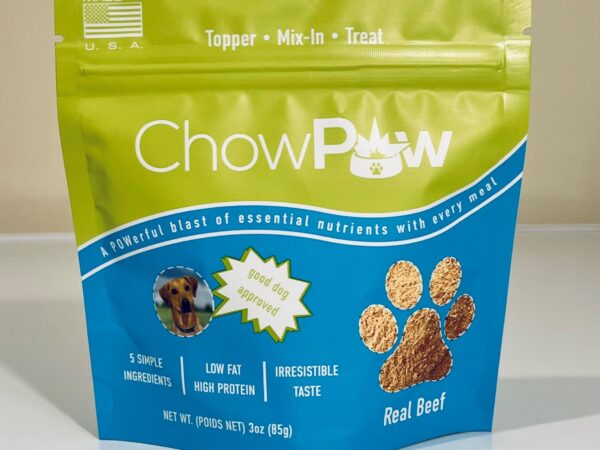 Dog Food Topper - Beef HeartOriginal price was: $14.99.$10.95Current price is: $10.95. - or subscribe and save up to 20%