
Finding the Best Food for Senior Dogs
The best food for a senior dog is one that’s lower in calories but still jam-packed with the good stuff: highly digestible protein, joint-supporting supplements, and plenty of fiber. It’s all about giving them targeted nutrition that addresses a slower metabolism and creaky joints, without packing on extra pounds. This guide will help you understand what your senior dog needs and how to provide it, ensuring their golden years are happy and healthy.
Your Senior Dog’s Changing Nutritional Needs
As our loyal friends enter their golden years, their bodies start to change in subtle but important ways. Think of it like a veteran athlete who adjusts their training and diet to play smarter, not harder. Their nutritional needs just aren’t the same as they were in their prime. Understanding these changes is the first step to giving them the best possible care.
One of the biggest shifts is a slowing metabolism. Just like us, senior dogs usually aren’t as active, which means they burn fewer calories throughout the day. If you keep feeding them the same high-calorie adult formula, it can easily lead to weight gain. That extra weight puts a serious strain on their aging joints and organs.
Why Standard Adult Food Often Misses the Mark
That bag of standard adult dog food might not cut it anymore. A “one-size-fits-all” approach often overlooks the unique hurdles that come with aging. As their bodies change, so do the dietary tools they need to stay in top form.
Here are a few key areas where their needs really start to differ:
- Joint Health: All those years of running, jumping, and playing can take a toll. Senior dogs need extra support for their cartilage and joints to help them stay mobile and comfortable.
- Digestive Sensitivity: An older dog’s digestive system can become less efficient, making it tougher to break down food and absorb all the vital nutrients.
- Muscle Maintenance: It’s common for older dogs to lose muscle mass, a condition called sarcopenia. They need high-quality, easily digestible protein to help keep them strong.
“A dog’s ‘senior’ status really depends on their breed and size. Small breeds are often considered seniors around 10-12 years, while giant breeds might hit that milestone as early as 6-7 years old.”
A Growing Focus on Senior Nutrition
Thankfully, pet parents and the industry alike are paying more attention to the needs of our gray-muzzled companions. The market for elderly dog food was valued at around $1.5 billion USD in 2024 and is expected to more than double by 2033. That boom shows just how many of us are looking for specialized diets to support our dogs as they age. You can discover more about the elderly dog food market trends if you’re curious.
At the end of the day, picking the best food for your senior dog means finding a diet that is lower in calories yet rich in targeted nutrients. This gives them the building blocks they need for healthy aging without the risk of obesity. While their regular kibble can provide a good base, adding a nutrient-dense meal enhancement like a topper can fill in any nutritional gaps, giving their bowl the specific boost they need to truly thrive.
Essential Ingredients for Your Senior Dog
Trying to decipher a dog food label can feel like you need a degree in chemistry. It’s easy to get lost in that long list of ingredients.
Instead, let’s cut through the noise and focus on the real heavy hitters—the key players that actually benefit your aging best friend. When you know what to look for, you can confidently pick the best food for your senior dog.
The right ingredients work together as a team to support a senior dog’s entire body, from their creaky joints to their sensitive gut. The goal is to address the specific health challenges that come with age, which means looking for things like easily digestible proteins, functional fibers, natural antioxidants, and joint-supporting compounds. How well their body can absorb and use these nutrients is critical, especially since an older dog’s metabolism isn’t what it used to be. You can learn more about the specifics of senior dog nutrition from pet food experts.
Key Nutrients for Mobility and Strength
As our dogs get older, keeping their muscles strong and their joints comfortable moves to the top of the priority list. Think of it like a well-maintained car—the right parts help keep the whole machine running smoothly.
- Highly Digestible Protein: This is the premium fuel for their engine. Senior dogs often lose muscle mass, a condition called sarcopenia, so they need top-notch protein from sources like chicken or beef to stay strong. It’s absolutely crucial that this protein is easy for their body to break down and use without putting extra strain on their aging kidneys.
- Glucosamine & Chondroitin: These two are the dynamic duo for joint cushioning. They work together to support cartilage health, helping to keep your dog’s movements fluid and comfortable. They’re a must-have for managing the stiffness that so often comes with old age.
When you’re providing high-quality ingredients, you’re not just filling their bowl—you’re actively investing in their mobility, comfort, and overall quality of life for years to come.
Ingredients for Cellular and Digestive Health
Beyond just muscles and joints, a senior dog’s internal systems need targeted support, too. A healthy gut and strong cellular defenses are the foundation of their well-being.
Omega-3 fatty acids, the kind you find in fish oil, act like “brain food” for your senior pup, helping to support their cognitive function. As a bonus, they also have natural anti-inflammatory properties that can help soothe aching joints from the inside out.
Next up are antioxidants, which serve as cellular bodyguards. These powerful compounds, found in ingredients like carrots and other colorful veggies, help protect the body from damage caused by free radicals—a key contributor to the aging process.
Finally, functional fibers are a non-negotiable for a happy digestive system. A good source of fiber keeps things moving regularly and supports a balanced gut microbiome. To learn more about how fiber can help your pup, check out our guide on the benefits of fiber for canine digestion.
Here’s a quick rundown of the most important nutrients to look for.
Essential Nutrients for Senior Dogs at a Glance
| Nutrient | Why It’s Important | Found In |
|---|---|---|
| Highly Digestible Protein | Maintains muscle mass and strength without straining kidneys. | Chicken, Beef, Fish |
| Glucosamine & Chondroitin | Supports cartilage and cushions joints for better mobility. | Shellfish, Beef Trachea, Supplements |
| Omega-3 Fatty Acids | Reduces inflammation and supports brain and heart health. | Fish Oil, Flaxseed, Salmon |
| Antioxidants | Protects cells from damage and supports a strong immune system. | Carrots, Blueberries, Sweet Potatoes |
| Functional Fiber | Promotes regular digestion and a healthy gut microbiome. | Pumpkin, Brown Rice, Chicory Root |
While a good senior kibble provides a solid foundation, it might not have the optimal levels of all these key nutrients. That’s where a high-quality meal enhancement like ChowPow comes in.
Adding a supplement like this is an excellent strategy to boost their regular food, ensuring they get a concentrated dose of these vital ingredients without a complete (and sometimes stressful) diet overhaul. It’s a simple addition that can make a huge difference in their daily comfort and long-term health.
Matching Diet to Common Senior Health Issues
As our dogs enter their golden years, they often start facing a new set of health hurdles. It might be the morning stiffness of arthritis or a newly sensitive stomach, but these issues can really get in the way of their quality of life.
The good news? Nutrition is one of the most powerful tools in your arsenal for managing these conditions head-on.
By making a few smart adjustments to their diet, you can directly address what’s causing their discomfort and give them targeted support right where they need it. This isn’t just about filling their bowl; it’s about using their food as proactive care. The best food for a senior dog is one that’s dialed in to their specific health profile.
Supporting Stiff Joints and Mobility
Creaky, achy joints are one of the most common complaints for senior dogs. In fact, around 50% of dogs over the age of 10 show signs of arthritis, which can turn simple things like climbing the stairs or getting up from a nap into a painful effort. A diet packed with anti-inflammatory ingredients can make a world of difference here.
Key nutrients like Omega-3 fatty acids, often found in fish oil, act as a natural soothing agent for those sore joints. Glucosamine and chondroitin are the building blocks of healthy cartilage, helping to cushion and protect their joints with every single step. For a deeper dive, you can check out our complete guide on the best foods for dogs with arthritis.
A proactive nutritional approach helps manage existing issues and can even delay the onset of age-related problems. By boosting their bowl with targeted nutrients, you’re investing in their comfort and longevity.
Addressing Kidney Health and Digestion
A senior dog’s internal systems also start to work a little less efficiently. Their kidneys, for example, have been filtering toxins for a decade or more and could really benefit from a lighter workload. This is why diets lower in phosphorus are often recommended—it helps reduce the strain on their aging kidneys.
Their digestive tract can also become more sensitive with age. A good blend of soluble and insoluble fiber is crucial for keeping things moving regularly and preventing problems like constipation. Plus, easily digestible proteins ensure they get all the amino acids they need to maintain muscle without overtaxing their system.
This concept map shows just how interconnected targeted nutrition is for supporting a senior dog’s joints, brain, and overall health.
As you can see, a single dietary strategy can create a ripple effect of positive changes, supporting your senior dog’s body from multiple angles at once.
Boosting Their Bowl for Targeted Support
While you could switch your dog’s base kibble, that can be a disruptive process, especially for a picky or sensitive senior. There’s an easier and highly effective way: enhance their current food with a nutritional topper or supplement.
A high-quality meal enhancement like ChowPow lets you add a concentrated dose of these vital nutrients right into their bowl. No need to overhaul their entire diet.
You can simply sprinkle on the specific support they need for their joints, digestion, and overall wellness. It turns every meal into a chance to actively improve their health and makes it simple to ensure they’re getting the best food for a senior dog without the stress of a big dietary switch.
How to Choose the Right Senior Dog Food
Walking down the pet food aisle can feel like a pop quiz you didn’t study for. With dozens of bags all claiming to be the absolute best for your dog, it’s easy to feel overwhelmed.
But here’s the secret: finding the right food isn’t about flashy packaging or clever slogans. It’s about learning to read the label like a pro. Once you know what to look for, you can cut through the marketing noise and focus on what truly matters for your senior dog’s health.
First up, flip that bag over and find the ingredient list. This is where the real story is. Ingredients are listed by weight, so whatever you see at the very top is what makes up the bulk of the food. You want to see a high-quality, whole-animal protein source—like “chicken” or “beef”—as the very first ingredient. That’s a great sign that the food is built on a strong protein foundation, which is crucial for helping your older dog maintain muscle mass.
Decoding Protein Sources
You’ll quickly notice that not all proteins are listed the same way. Knowing the difference between them tells you a ton about the quality of the food you’re holding.
- Whole Meats: Seeing “deboned chicken” or “beef” is fantastic. This is a high-quality, easily digestible protein source.
- Meat Meals: Don’t be scared off by ingredients like “chicken meal.” It’s actually a concentrated protein source where the water has been removed, making it super dense in nutrients.
- By-products: This term can be a bit of a gray area. While some by-products are highly nutritious (think organ meats), the term is vague and can also include less digestible parts. For seniors, sticking to clearly named whole meats and meals is usually the safer bet.
The single most important step you can take? Talk to your vet. They know your dog’s unique health history and can give you a personalized recommendation that cuts through all the confusion.
Look Beyond the Ingredient List
Next, shift your eyes to the guaranteed analysis. This little box gives you the minimum percentages of crude protein and fat and the maximum percentages of fiber and moisture.
For most senior dogs, you’re looking for a food with high protein to support their muscles, moderate fat to keep calories in check, and a healthy dose of fiber (somewhere around 3-5%) to keep their digestive system running smoothly.
The pet food industry is definitely paying attention to the needs of our aging companions. The global market for elderly dog food is expected to hit about $2.5 billion USD by 2025! This boom is driven by owners like you who are searching for these specific nutritional profiles. You can read the full research on senior dog food trends if you want to dig deeper.
At the end of the day, the “best” senior dog food isn’t about a single brand. It’s about finding the one formula that perfectly matches your dog’s individual needs. By learning how to read the label and partnering with your vet, you can make a choice you feel great about—one that will support their health and happiness for years to come.
Boost Their Bowl with a Nutritional Topper
So, you’ve found a kibble that your senior dog does well on, but you can’t shake the feeling that they could use a little something extra in their golden years. A complete diet overhaul isn’t always the answer. In fact, for an older dog with a sensitive stomach or set-in-their-ways eating habits, it can be a recipe for disaster.
This is where a high-quality meal enhancement comes in.
It’s not about replacing their familiar food; it’s about boosting it. Think of it like adding a superfood smoothie to their favorite meal. You keep the base diet they know and love while layering in targeted nutrients that specifically address the challenges of aging. Simple.
Why a Topper Makes a Real Difference
A good meal topper gives your dog a concentrated dose of powerful ingredients that might be lacking—or just not present in high enough amounts—in their regular food. It’s a dead-simple way to sprinkle in key nutrients without piling on the extra calories that come with bigger portions.
- Targeted Joint Support: A quality topper can deliver ingredients like glucosamine and chondroitin to help cushion their aging joints, making movement more comfortable.
- Better Digestive Health: Things like probiotics and easily digestible proteins help support a senior’s often-sensitive gut, making sure they actually absorb all the good stuff from their food.
- Immune and Cellular Defense: Antioxidants are non-negotiable for fighting the cellular damage that comes with age. A topper can add a potent boost to help protect their body from the inside out.
The whole point is to elevate their existing diet, not replace it. A great meal supplement fills in the nutritional gaps that naturally appear as a dog gets older, ensuring they get everything they need to thrive without a disruptive diet change.
Introducing ChowPow: The Easiest “Yes” for Their Health
This is exactly why we created ChowPow. We wanted to make it the easiest decision you can make for your senior dog’s nutrition. As a meal enhancement or supplement, ChowPow works with your dog’s current food to amp up its nutritional value. It is not a replacement for their daily kibble.
Our formula is simple but powerful.
ChowPow is made from just three whole-food ingredients: dehydrated beef heart, carrots, and celery. That’s it. This combo delivers a powerful punch of highly digestible protein and natural vitamins.
For older dogs, high-quality protein is absolutely essential for maintaining muscle mass. Our single-source protein from beef heart isn’t just delicious; it’s packed with nutrients that are incredibly easy on their system. If you want to dive deeper into this powerhouse ingredient, you can explore the many ways beef heart benefits elderly dogs in our detailed guide.
Adding ChowPow to their bowl is a simple scoop-and-sprinkle. It boosts the flavor, which is a huge help for picky seniors, all while delivering the targeted support they need. It’s the ideal way to ensure the best food for your senior dog is right there in their bowl, every single day.
Got Questions About Senior Dog Food? We’ve Got Answers.
As you start exploring the world of senior dog nutrition, it’s totally normal to have a few questions. Figuring out their changing needs can feel like a puzzle, but you’re definitely not alone. We’ve gathered some of the most common questions we hear from pet parents just like you, with simple, direct answers to help you feel confident about the choices you’re making for your best friend.
When Is a Dog Officially a “Senior”?
A dog’s journey into their golden years isn’t tied to a specific birthday—it’s all about their breed and size. A good way to think about it is like cars: a small compact car can often run longer with fewer big issues than a huge, heavy-duty truck.
It’s similar with dogs. Small breeds like Chihuahuas are usually considered seniors around 10-12 years old. Medium-sized pals like Beagles hit that stage around 8-10 years. But for the big guys, like Great Danes, seniority can start as early as 6-7 years. Your vet is the best person to make the final call, as they can look at your dog’s individual health to tell you what life stage they’re truly in.
How Do I Switch My Senior Dog to a New Food?
Slow and steady wins the race here, especially when you want to avoid an upset stomach. The best way to introduce a new food is gradually, over a period of 7-10 days.
Here’s a simple schedule that works wonders:
- Days 1-3: Start with a mix of 75% old food and 25% new food.
- Days 4-6: Move on up to a 50/50 split.
- Days 7-9: Time to tip the scales to 75% new food and just 25% old food.
- Day 10: Success! You can now serve 100% of the new food.
Now, if you’re just adding a meal enhancement like ChowPow, the whole process is even easier. You can begin with a small sprinkle for a few days and slowly increase the amount until you reach the full recommended serving. Because it’s a supplement, not a food replacement, it’s much gentler on their system.
The whole point is to make any dietary change a good experience. A gentle transition gives their digestive system time to adapt, so they can enjoy their new meals without any tummy troubles.
Can I Just Feed My Senior Dog Less of Their Adult Food?
It seems logical, right? Fewer calories mean feeding less food. But this approach can actually backfire. When you cut back on their regular adult food, you’re also cutting back on vital protein, vitamins, and minerals—the very things their aging bodies need more of, not less.
The best food for senior dogs is specifically designed to be lower in calories but packed with targeted nutrition. This formula makes sure they get all the support they need for their joints, muscles, and immune system without piling on extra pounds. A meal supplement is the perfect way to add these crucial nutrients to their current food without adding a bunch of unwanted calories.
What if My Senior Dog Is Suddenly a Picky Eater?
This is incredibly common. As dogs get older, their sense of smell can start to fade, or they might have some dental discomfort that makes their old kibble less exciting.
Often, the fix is as simple as making their food smell and taste better. Adding a delicious and nutritious meal enhancement like ChowPow is a fantastic trick to reignite their interest. The rich, meaty aroma is usually enough to tempt even the most stubborn eaters. Of course, if the appetite loss is sudden or seems severe, it’s always smart to check in with your vet to make sure there isn’t an underlying health issue.
Ready to give your senior dog’s bowl the nutritional boost it deserves? With ChowPow, you can supercharge their current kibble with the targeted, whole-food ingredients they need to thrive in their golden years.
-
Product on sale
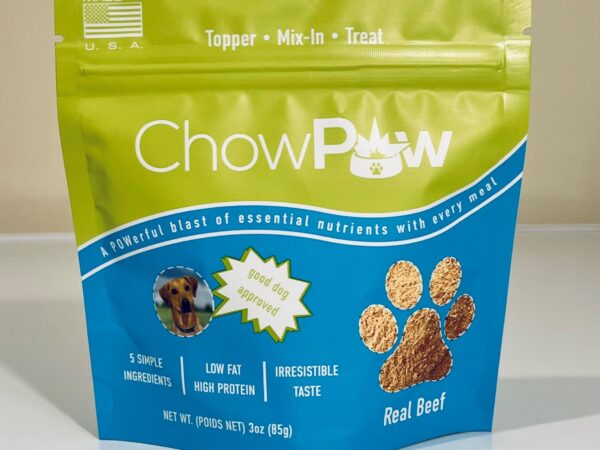 Dog Food Topper - Beef HeartOriginal price was: $14.99.$10.95Current price is: $10.95. - or subscribe and save up to 20%