
Can Dogs Eat Figs? A Guide to Safely Sharing This Fruit
You've picked a fig from the fruit bowl, and a pair of puppy-dog eyes are locked on you. The big question pops into your head: can you share this sweet treat?
The short answer is yes, dogs can eat fresh figs, but it comes with a few important “buts.” Think of it less as a free-for-all snack and more as a carefully controlled treat. While the fresh fruit itself has some nice nutritional perks, the rest of the fig plant is a definite no-go, and dried figs are basically little sugar bombs.
Let's break down exactly what you need to know before offering a piece to your furry best friend.
A Quick Guide to Figs for Dogs
So, should you share that fig? It’s not a simple yes or no. The safety really boils down to which part of the fig you're offering and what form it’s in. The best way to think about it is this: fresh fig fruit is an occasional, safe snack, but everything else—the plant, the leaves, and the dried version—is off the table.

When served correctly, fresh figs can actually be a surprisingly healthy little bonus for your dog. Research shows that small portions deliver some decent health benefits without the risks that come with the rest of the plant.
Of course, "small portion" means different things for different dogs. For a larger dog, like a 60-pound Labrador, you could offer up to two small fresh figs as part of their daily treat allowance. But for a little one, like an 8-pound Chihuahua, you’d want to stick to no more than half a fig. Want to know more about portion sizes for other fruits? Check out our complete guide to what fruits dogs can and can't eat.
Quick Guide to Feeding Figs to Your Dog
To make things even simpler, here's a quick reference table with the most important points about feeding figs to your dog.
| Aspect | Key Information | Recommendation |
|---|---|---|
| Safety | Fresh fig fruit is non-toxic in moderation. | Yes, but only small amounts of fresh fruit. |
| Benefits | Good source of natural fiber, potassium, and antioxidants. | A healthy, occasional treat to support digestion. |
| Risks | High in sugar and fiber; can cause digestive upset. | Stick to tiny portions to avoid diarrhea or vomiting. |
| Toxic Parts | Fig plant leaves, stems, and sap are toxic (contain ficin). | Never let your dog chew on or ingest the plant. |
| Best Type | Ripe, fresh figs. | Avoid dried figs due to their concentrated sugar. |
This table covers the basics, but the golden rule is always moderation and observation. What works for one dog might not work for another.
The Key Takeaways
If you only remember a few things from this guide, make it these three points:
- Fresh is Best: Only ever offer your dog ripe, fresh fig fruit. Steer clear of dried figs—their sugar content is just way too high for a dog’s system.
- The Plant is Poison: The leaves, stems, and sap of the fig plant contain a toxic compound called ficin. This can cause some nasty irritation and digestive issues if ingested.
- Moderation is Mandatory: Figs are packed with fiber and natural sugar. A little is fine, but too much is a recipe for an upset stomach, often leading to diarrhea or vomiting.
While a small piece of fresh fig is a fine treat, it’s not a daily nutritional solution. For a consistent way to boost the nutritional value of your dog's meal, a meal enhancement like ChowPow provides targeted nutrients to their regular kibble without adding unnecessary sugars. It's a simple way to upgrade their existing food, turning an ordinary meal into something more beneficial. This approach helps fill nutritional gaps without the guesswork that comes with feeding occasional human foods.
The Surprising Health Benefits of Fresh Figs
So, you’re thinking about sharing a tiny piece of fresh fig with your dog. Beyond just being a sweet treat, figs actually pack a nice little nutritional punch—when they’re served the right way, of course.
What does that actually mean for your dog's health? It's not just about giving them something tasty. It's about understanding how the nutrients in a small bite of fig can support their overall well-being. Think of it as a small, functional garnish on their meal.
A Boost for Digestion and More
The biggest win with figs is their high dietary fiber content. You can picture this fiber as a gentle, natural regulator for your dog’s digestive system. It helps keep things moving along smoothly, which can prevent constipation and promote regular, healthy bowel movements. This is a real plus for dogs who sometimes struggle with digestive slowness.
If you want to get into the nitty-gritty of how fiber works, you can read our detailed article on the role and benefits of fiber for canine digestion.
But it’s not just about fiber. Figs bring a few other key nutrients to the table:
- Potassium: This essential mineral is a powerhouse for your dog's heart and muscle function. It helps regulate the electrical signals in the heart to ensure a steady beat and plays a big part in muscle contractions, keeping your dog active and mobile.
- Calcium: While figs aren't a primary source, they do contain a small amount of calcium. Every little bit helps contribute to maintaining strong bones and healthy teeth throughout your dog's life.
- Antioxidants: Figs contain natural antioxidants that help fight off oxidative stress in the body. These compounds work to protect cells from damage and support a healthy immune system.
Functional Snacking in Moderation
When you connect these nutrients to real-world benefits, you can see how a tiny piece of fig is more than just a treat—it can be a functional, health-boosting snack. But the key here is moderation. Overdo it, and the high fiber and natural sugar can easily turn those benefits into digestive problems.
A small slice of fig offers a nutrient boost, but for daily, reliable nutritional support, you need a more balanced solution. A meal enhancement like ChowPow is specifically designed to supplement your dog's current food, providing consistent, targeted nutrients without the risk of too much sugar or fiber from fruit. While a fresh fig is a great occasional surprise, it’s not a substitute for a well-rounded nutritional strategy. ChowPow acts as a daily boost to their main meal, ensuring they get a consistent supply of high-quality protein and vitamins every single day—something a simple fruit just can't promise.
Understanding the Hidden Dangers of Figs
While the sweet, fleshy part of a fig can be a safe treat once in a blue moon, the rest of the plant tells a completely different story. This is probably the most critical distinction to make for your dog's safety, and it's a detail many dog owners miss: the edible fruit is worlds apart from the hazardous plant it grows on.

The real trouble is lurking in the fig plant’s leaves, stems, and the milky white sap it produces. These parts are loaded with a toxic compound called ficin. Think of ficin as a potent natural irritant that can wreak havoc on your dog's skin and digestive system if they decide to give a leaf or branch a little chew.
The Problem with Fig Plants
This gap in knowledge—safe fruit vs. dangerous plant—is where accidents happen. That ficin in the plant's leaves and sap is no joke. If your dog gets into it, it can cause immediate irritation to their skin, eyes, mouth, and entire GI tract. In fact, veterinary poison control centers treat suspected fig plant poisoning seriously, advising immediate professional help. You can learn more about how to protect your pet from plant toxicity in general, but the takeaway is clear.
If you happen to have a fig plant in your home or yard, you absolutely have to keep it out of your dog’s reach.
Keep an eye out for these tell-tale signs of fig plant poisoning:
- Excessive drooling as the ficin starts irritating their mouth and throat.
- Pawing at the face or mouth, a classic sign of pain and discomfort inside.
- Vomiting and diarrhea once the inflammation hits their GI tract.
- Skin irritation or rashes if the sap simply makes contact with their skin.
If you spot any of these symptoms, don't wait. Call your vet or an animal poison control center immediately.
Why Dried Figs Are a Risky Choice
Putting the toxic plant aside, there's another hidden danger that comes in a very tempting package: dried figs. They might seem like a simple, healthy snack, but for a dog, they are little bombs of concentrated sugar and calories. A dog’s digestive system just isn't built to handle that kind of sugar rush.
This overload can cause a couple of problems. In the short-term, you're looking at a classic case of upset stomach, gas, and diarrhea. But over time, regularly feeding high-sugar, high-calorie treats is a fast track to unhealthy weight gain and can put your dog at risk for serious conditions like pancreatitis or even diabetes.
A small bite of fresh fruit can be a fun, occasional treat, but it doesn't provide consistent, day-to-day nutritional value. Instead of gambling with sugary snacks that might cause digestive upset, a meal enhancement like ChowPow offers a much more reliable boost. It's a simple way to sprinkle high-quality nutrients onto their regular kibble without all the extra sugars and calories found in dried fruit. Think of ChowPow as a powerful supplement that works with your dog's existing food, not as a replacement for it, ensuring every single meal is packed with beneficial ingredients.
Getting Figs Ready for Your Pup
So, you're ready to share a little piece of fig with your four-legged friend? Smart move. Prepping it the right way is what turns this sweet fruit into a safe, fun treat. It's super simple, but following these steps is non-negotiable for your dog's safety.
First things first, you'll want to grab fresh, ripe figs. Steer clear of any that are still hard or, on the flip side, showing any signs of mold. A good fig feels soft but shouldn't be mushy. Once you've picked a winner, give it a good rinse under cool water to wash away any pesticides or dirt.
Simple Steps for Safe Serving
After a quick wash, it's time to get it ready for your dog. A whole fig is a definite no-go—it's a serious choking hazard, especially for the little guys.
- Ditch the Stem: Always slice off that tough, woody stem at the top. It's hard for them to digest and doesn't offer any nutritional perks.
- Chop it Up: Cut the fig into small, easy-to-manage pieces. The right size really depends on your dog. For a big dog like a Golden Retriever, a small slice will do. For a tiny pup like a Yorkie, dicing it into pea-sized bits is the way to go.
- Keep it Plain & Simple: Figs should always be served plain. No sugar, no yogurt, no fancy toppings. Just the fig.
Remember, this is a tiny taste test, not a full-on snack. With their natural sugars and high fiber, a little bit of fig goes a very long way.
Fun Ways to Serve Figs
While just handing over a little piece is perfectly fine, you can also use figs to jazz up their regular meals. Tossing a tiny, diced bit into their food bowl adds a little sweetness and excitement, turning a boring dinner into something special. It's a fantastic and easy way to add a bit of enrichment to their day.
If you're looking for a more consistent way to make mealtime exciting without guesswork, a meal enhancement like ChowPow is a game-changer. Instead of one-off treats, ChowPow boosts the nutritional value of their kibble every single day. It's a simple sprinkle that transforms their food without risky sugars, making it a perfect daily supplement to their existing meals for picky eaters or dogs who need a little extra support.
Finding the Right Portion Size for Your Dog
When it comes to treats, that old saying "everything in moderation" can feel a little fuzzy, right? What does moderation even mean for a dog? Handing over too much of a good thing, even a healthy fruit like a fig, can quickly lead to an upset stomach or throw their whole diet off balance. Let's trade that guesswork for some clear, down-to-earth guidelines.
The perfect portion is always going to depend on your dog's size. A single fig might be a major treat for a tiny Yorkie but just a tiny snack for a Great Dane. A good rule of thumb is to remember that all treats, including fruit, should never make up more than 10% of your dog’s total daily calories.
General Guidelines by Dog Size
To give you a better idea, here's what a safe amount of fresh fig looks like for different-sized dogs. Just remember, these are starting points. It's always smart to begin with a smaller piece to see how your dog's system handles it.
- Toy Breeds (under 10 lbs): Think tiny. A sliver about the size of your pinky nail is more than enough—that's about one-quarter of a small fig.
- Small Breeds (10-25 lbs): You can offer up to half of a small fig.
- Medium Breeds (25-50 lbs): One whole small fig is a reasonable serving for a dog this size.
- Large Breeds (50+ lbs): One to two small figs can be a safe and enjoyable treat.
Of course, weight isn't the only thing to consider. An active, high-energy dog can usually handle the extra sugar better than a couch potato pup. And for senior dogs or those with health issues like a history of pancreatitis, it's probably best to skip sugary fruits altogether.
The infographic below breaks down the simple prep work.

As you can see, getting a fig ready for your dog is as easy as a quick wash, a simple cut, and serving up the right-sized piece.
Recommended Fig Portions by Dog Weight
To make things even clearer, this table lays out our weekly serving recommendations based on your dog's weight.
| Dog Size Category | Weight Range | Recommended Weekly Serving |
|---|---|---|
| Toy | Under 10 lbs | ¼ of a small fig |
| Small | 10–25 lbs | ½ of a small fig |
| Medium | 25–50 lbs | 1 small fig |
| Large | 50 lbs and over | 1–2 small figs |
Keep this chart handy, but always listen to your dog's body. If you notice any digestive upset, it's a sign to scale back or find a different treat.
While figs are a fun, occasional treat, they aren't a consistent source of balanced nutrition. If you're looking for a reliable way to boost your dog's daily meals, a meal enhancement like ChowPow is a much better solution. It adds nutritional value to their regular kibble without the extra sugar. ChowPow is specifically designed to supplement the food your dog already eats, not replace it. This makes it a perfect way to make sure they're getting the nutrients they need every day, especially if you have a picky eater.
A Better Way to Boost Your Dog's Daily Nutrition
While fresh figs are a fine occasional treat, they aren't a practical solution for meeting your dog's daily nutritional needs. If you're looking for a consistent and reliable way to make their meals more nutritious—and a whole lot more appealing—you need something designed specifically for the job.
This is where a high-quality meal enhancement like ChowPow really makes a difference. It’s a simple yet powerful way to boost the nutritional value of your dog's existing kibble using just a few high-quality, dehydrated ingredients. It is designed to be a supplement, not a meal replacement, making their current food even better.
More Than Just a Treat
Think of it less like a treat and more like a daily nutritional boost. Sprinkling ChowPow on their food ensures every single bowl is packed with targeted nutrients, solving the daily challenge of optimal nutrition in a way a simple piece of fruit never could. It’s an easy way to transform their regular food from basic to brilliant.
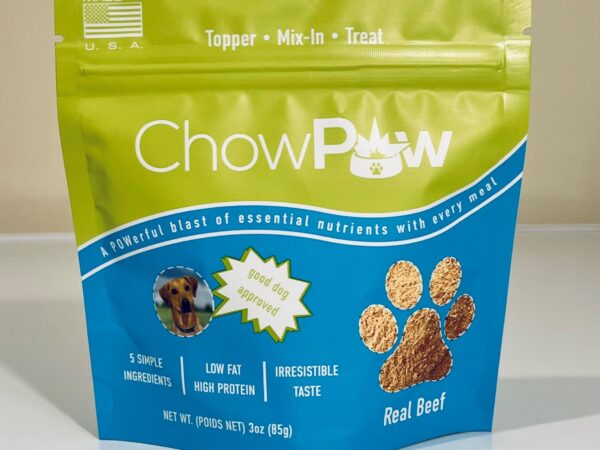
Unlike sugary fruits, ChowPow is made with just four simple ingredients: beef heart, carrots, celery, and apple cider vinegar. This powerhouse formula delivers a punch of high-quality protein and essential amino acids without the risk of digestive upset from too much fiber or sugar. It’s the perfect way to supplement your dog's diet consistently and predictably.
A dedicated meal enhancement provides what occasional treats cannot: reliability. You get peace of mind knowing your dog receives a predictable boost of essential nutrients at every meal, supporting everything from their appetite to their energy levels.
For dogs who need a little extra encouragement to eat, ChowPow makes their regular kibble simply irresistible. It enhances their existing diet, making sure they get the full benefit of their primary food source while filling in any nutritional gaps. This can be a total game-changer for maintaining a healthy and balanced diet. To learn more about this approach, you can explore the benefits of a whole-food diet for dogs.
Of course, great nutrition is just one piece of the puzzle. A holistic approach to a dog's overall health and well-being is what truly matters. For those looking to understand every aspect of responsible pet ownership, a comprehensive dog care program can provide invaluable insights into foundational health and beyond. By focusing on both excellent nutrition and overall wellness, you create the best possible life for your furry companion.
Common Questions About Dogs and Figs
To wrap things up, let's go over some of the most frequent questions dog owners have about figs. Getting quick, clear answers helps you feel confident about what is and isn't safe for your furry family member.
Can Puppies Eat Figs?
It's best to hold off on giving figs to puppies. Their digestive systems are still developing and are far more sensitive than an adult dog's.
The high fiber and sugar content in figs, even in small amounts, can easily lead to diarrhea or an upset stomach. Stick to their regular puppy food to avoid any tummy troubles.
What Should I Do If My Dog Eats Too Many Figs?
If your dog gets into a bag of fresh figs, don't panic, but do watch them closely. The most likely outcome is a bout of digestive upset, like diarrhea or vomiting.
Make sure they have plenty of fresh water and keep their next meal bland—think plain boiled chicken and rice. If symptoms are severe or last more than 24 hours, it's time to call your veterinarian for advice.
Are Fig Newtons Safe for Dogs?
Absolutely not. Fig Newtons and other processed, fig-flavored snacks are packed with sugar, preservatives, and other ingredients that are unhealthy for dogs.
Always avoid feeding them human treats, as they offer no nutritional value and can contribute to weight gain and other serious health problems down the road.
Beyond just their diet, many dog owners are always looking for fun, unique ways to celebrate their beloved companions, maybe even with a custom portrait from services like Pet Disneyfication.
While figs can be a fun, tiny treat, they aren’t a daily nutritional solution. For a reliable way to boost your dog's regular kibble, ChowPow is the perfect meal enhancement. It adds a delicious, nutrient-dense boost to every meal without the risks of extra sugar or fiber. Give your dog the consistent support they deserve at https://chowpownow.com.
-
Product on sale
 Dog Food Topper - Beef HeartOriginal price was: $14.99.$10.95Current price is: $10.95. - or subscribe and save up to 20%