Can Dogs Eat Grass? A Pet Parent’s Guide to This Common Habit
Yes, dogs can eat grass, and it's usually nothing to worry about. Seeing your dog munch on the lawn can be confusing, but it’s often a completely normal, instinctual behavior. Before you rush to pull that blade of grass from your pup's mouth, let’s dig into the real reasons behind this quirky habit and what it actually means for their health.
Why Do Dogs Really Eat Grass?
If you've ever watched your dog graze on the lawn like a little cow, you're not alone. This is one of the most common and puzzling behaviors that dog owners ask about. The old story is that dogs only eat grass to make themselves throw up when they feel sick. But is that really what's going on?
Most of the time, the answer is no. For the majority of dogs, munching on grass is a normal behavior rooted deep in their ancestry.

Think about their wild ancestors. Before they were our beloved couch potatoes, dogs were opportunistic omnivores. They didn't just eat the meat of their prey; they ate the whole animal, which often included whatever plant matter was in their prey's stomach. That instinct to get some greens in their diet may just be a holdover from their evolutionary past.
Beyond the Sickness Myth
So, where did the "they eat it because they're sick" idea come from? While it can happen, it's far from the norm. Veterinary studies have consistently shown this isn't the main reason.
A study from the University of California, Davis, put this myth to the test. Researchers found that 68% of dogs eat plants regularly, yet only a tiny fraction (8%) seemed sick before doing so. This tells us that for most dogs, eating grass is not a self-medication strategy; it's just something they do.
While we don't know the single definitive "why," a few strong theories give us a clearer picture of our dogs' motivations. Here's a quick look at the most common ideas.
Common Theories on Why Dogs Eat Grass
This table breaks down the leading scientific and behavioral theories for this grassy habit.
| Theory | Explanation | Is It the Main Reason? |
|---|---|---|
| Instinctual Behavior | An inherited trait from wild ancestors who consumed plant matter from their prey's stomach. | Very Likely |
| Simple Enjoyment | They just like the taste or crunchy texture of fresh grass, especially in the morning when it’s dewy. | Highly Likely |
| Nutritional Need | Trying to get more fiber or trace nutrients that might be missing from their commercial diet. | Possible, but Unlikely |
| Boredom or Anxiety | A repetitive, mindless activity used to pass the time or cope with stress, similar to a person biting their nails. | Possible in Some Cases |
As you can see, your dog's lawn-snacking is usually nothing to worry about. But while it's generally harmless, the grass itself offers almost no real nutritional value.
If you want to satisfy that craving for "greens" in a safer, more beneficial way, a meal enhancement like ChowPow is a fantastic choice. It delivers a targeted nutrient boost from wholesome ingredients like carrots and celery. ChowPow is not a replacement for their current food, but a simple way to boost the nutritional value of their kibble, turning it into a more satisfying meal and helping reduce their urge to snack on the yard.
Is a Nutritional Deficiency to Blame?
It’s a question that nags at so many of us: “Is my dog eating grass because I’m not feeding them the right food?” It's easy to second-guess yourself, even when you’re already investing in a top-quality diet for your best friend.
But the link between your dog's food bowl and their lawn-munching habit might not be what you’d expect.
While it seems logical that a dog might be trying to get certain nutrients from the grass, research just doesn't back it up. In fact, multiple studies have found no real connection between a dog's diet—whether it’s premium kibble, raw food, or even leftovers—and their love of grass.
Think of it this way: sometimes you crave a crisp, fresh salad even after you’ve had a perfectly balanced meal. It’s not always about hunger or filling a nutritional void.
The Science Behind the Snack
Researchers have been digging into this behavior for decades, and what they’ve found is pretty consistent. A well-known 2008 UC Davis survey of over 1,500 dog owners found that a dog's diet had almost no impact on their grass-eating.
A whopping 68% of dogs in the study ate grass daily or weekly, regardless of what was in their bowl. This points to the behavior being more of an instinct than a search for missing vitamins or fiber. Other studies have also noted that some dogs are more likely to graze right before a meal, which suggests it might just be a natural, routine behavior, not a sign of distress.
This means that even dogs on the most carefully planned, nutrient-rich diets are just as likely to chew on grass as any other dog. The habit is more likely an old instinct or even a simple preference for the taste and texture.
Bridging the Nutritional Gap the Right Way
A balanced diet is always the cornerstone of your dog’s health, but grass itself offers almost nothing in that department. A dog's digestive system simply isn't built to break down the tough cellulose in grass, so they can't really absorb any nutrients from it.
If you are concerned about specific deficiencies, you can learn more about the signs your dog might need more B12 in our dedicated article.
This is where a targeted nutritional boost can make a real difference. Instead of letting your dog forage for unpredictable "greens" in the yard, you can improve their diet from the inside out.
While a mouthful of lawn clippings won't do much, adding a meal supplement like ChowPow to their food provides bioavailable nutrients in a form their body can actually use. Made from simple, dehydrated whole foods like beef heart, carrots, and celery, ChowPow is designed to boost the nutritional value of their regular food. It’s not a meal replacement, but a powerful way to make their food more nutritious and appealing, ensuring they get all the good stuff without the risks of grazing in the yard.
Do Dogs Eat Grass to Make Themselves Vomit?
We’ve all been there. You look out the window and see your dog happily munching on the lawn, and your stomach drops. The immediate thought? “Oh no, they must feel sick and are trying to throw up.” This belief is one of the most persistent myths in the dog world.
But the science just doesn't back it up. While a dog might occasionally vomit after eating grass, it’s more of an accidental side effect than the actual goal. Think of it this way: the long, fibrous blades of grass can tickle their throat and stomach lining, sometimes triggering a gag reflex. It’s an occasional outcome, not a deliberate act of self-medication.
The Evidence Against the Myth
If dogs were really eating grass to purge something nasty, you’d expect a pretty clear pattern: they'd look sick before grazing and would almost always vomit after. But study after study shows this is rarely the case.
A landmark 2008 study from UC Davis pretty much put this idea to rest. Researchers surveyed over 1,500 dog owners and found that while 68% of dogs ate grass, only 22% of them were ever reported to vomit afterward. Even more telling, most dogs showed zero signs of illness before they started chewing. You can dig into more of these fascinating findings about why dogs eat grass on PetMD.com.
The takeaway here is simple: most of the time, grass-eating is a totally harmless activity. It’s the few times they do get sick that stick in our memory, which is probably how this myth got so popular in the first place.
So, What’s Really Going On?
If they aren't trying to make themselves sick, what gives? For most dogs, the real reasons are far less dramatic and often boil down to a few simple things.
- Natural Instinct: This could just be a leftover behavior from their wild ancestors, who would have consumed plant matter from the stomachs of their prey.
- They Just Like It: Seriously! Some dogs may simply enjoy the taste and texture of fresh, dewy grass. It's a sensory experience.
- Boredom: When there’s nothing else to do, munching on the lawn can become a self-made form of entertainment.
Once you understand this, you can shift from a state of panic to one of calm observation. Seeing your dog graze shouldn't automatically set off alarm bells. Instead, it’s a chance to take a look at their overall well-being and make sure their environment is safe—letting you focus on proactive care instead of reacting to a misunderstood habit.
What Are the Real Dangers of Dogs Eating Grass?
So, your dog enjoys a little lawn salad now and then. While the habit itself is usually harmless, the real concern isn't the grass—it's what might be on it. That perfectly green yard can hide some nasty surprises, turning a quirky behavior into a genuine health risk.
The biggest culprits are often invisible: pesticides, herbicides, and chemical fertilizers. These lawn treatments are great for killing weeds and bugs, but they can be toxic to our dogs. Even if you treated the lawn weeks ago, chemical residues can stick around, and if your dog ingests them, it can lead to anything from an upset stomach to severe poisoning.
Beyond the Lawn: Parasites and Toxic Plants
It's not just chemicals you have to think about. The soil and surrounding plants can pose their own threats, especially in parks or shared green spaces.
- Parasites are a major concern. Things like roundworm and hookworm eggs can live in the soil for a long time. When your dog munches on grass, they can accidentally scoop up these microscopic eggs, leading to an internal parasite infection that needs a vet's help to clear.
- Giardia, another nasty little parasite, often contaminates puddles or damp soil. A quick bite of wet grass could be all it takes for an infection.
Then there’s the risk of your dog accidentally eating a toxic plant. Lots of common garden weeds and ornamental flowers look harmless but are poisonous to dogs. Your pup can't always tell the difference between a safe blade of grass and a dangerous look-alike, making every outdoor nibble a bit of a gamble.
Before we dive into the most common hazards, this visual guide shows that the old myth about dogs eating grass to vomit is mostly untrue—it's a rare side effect, not the reason they do it.

The real focus shouldn't be on stopping a normal behavior but on steering your dog away from the actual dangers lurking in the yard. Here’s a quick look at some common things to watch out for.
| Common Lawn Hazards for Dogs | ||
|---|---|---|
| Hazard Type | Examples | Potential Signs of Poisoning |
| Chemical Treatments | Pesticides, herbicides, snail bait, fertilizers | Drooling, vomiting, diarrhea, lethargy, seizures, difficulty breathing |
| Toxic Plants & Weeds | Sago Palm, Azalea, Oleander, Tulips, Daffodils, Foxglove | Vomiting, diarrhea, tremors, heart problems, organ failure |
| Toxic Fungi | Wild mushrooms (e.g., Amanita species) | Severe GI upset, drooling, weakness, liver failure, neurological signs |
Being aware of what's in and around your yard is the first step toward keeping your grazing pup safe. If you suspect your dog has ingested any of these, contact your vet or an animal poison control center immediately.
A Safer Way to Add Greens to Their Diet
So what's the solution? Instead of letting your dog roll the dice with the backyard buffet, you can bring the "greens" to them in a much safer way.
This is where a high-quality meal enhancement like ChowPow comes in. Sprinkling it over their regular kibble gives them the satisfying taste and nutritional boost of real veggies without any of the risks of grazing outdoors. Made from simple, human-grade ingredients like carrots and celery, ChowPow is a powerful supplement that boosts their food, not a replacement for it. It adds plant-based nutrients and a flavor they'll go wild for, satisfying their instinct to forage while ensuring you’re in complete control of what goes into their body.
When You Should Call the Vet
A little grass grazing is usually no big deal, but you need to know what's normal and what's not. Think of it as a subtle message from your dog. Most of the time, they’re just being a dog, but occasionally, it’s a sign that something is off and it's time to check in with your vet.
One of the biggest red flags is a sudden, dramatic change. If your casual nibbler suddenly becomes a lawn-munching fanatic overnight, pay attention. This is especially true if the behavior seems frantic or compulsive, or if your dog seems genuinely distressed while doing it.
Spotting the Red Flags
The real clues often come from what happens with the grass-eating. When you see grazing paired with other symptoms, a call to your veterinarian is a good idea.
Keep an eye out for these warning signs:
- Frequent Vomiting: A dog might throw up now and then after eating grass, but if it happens every single time, it could signal a more serious GI problem.
- Signs of Pain: Is your pup whining, hunching their back, or pacing restlessly? These are classic signs of tummy pain that need a professional opinion.
- Other GI Symptoms: If the grass-eating comes with lethargy, persistent diarrhea, or a sudden disinterest in their regular food, that’s a clear signal to get them checked out.
A loss of interest in their usual meals is a particularly important clue. When a dog refuses their kibble but still obsessively eats grass, it often points to an underlying issue that’s making them feel unwell.
If your dog is recovering from an illness and just isn't interested in their food, getting nutrients into them is vital. A meal enhancement like ChowPow can be a huge help here. Its tasty flavor can coax a picky or sick dog to eat, delivering easy-to-digest nutrition right when they need it most. It’s not a meal replacement, but a great way to make their food more appealing and power-packed.
It's also worth knowing that some digestive issues, like intestinal parasites, can trigger strange eating habits. For example, some symptoms of coccidia in dogs can include diarrhea and appetite changes. Being informed can make all the difference, and you can learn more about coccidia in our pet parent's guide. When in doubt, always trust your gut and give your vet a call.
Healthy Ways to Manage Your Dog's Grazing Habit
If your dog's personal war on the lawn has you a little worried, take a deep breath. The good news is you can absolutely get a handle on this habit with a few smart and simple strategies. The first step is figuring out why it's happening. More often than not, behaviors like eating grass are just a dog's way of saying, "I'm bored!" or maybe, "I'm feeling a bit anxious."
One of the best things you can do is ramp up their daily activity and mental exercise. Think longer walks, more exciting games of fetch, or breaking out some interactive puzzle toys. These give your dog a much better way to channel their energy and brainpower, which can seriously cut down on their need to find entertainment in the backyard.

Positive reinforcement is your best friend here. The moment you see your dog start to graze, grab their attention with a favorite toy or a quick, fun training command. When they choose the toy over the grass, shower them with praise or a tiny treat. It’s a simple way to teach them that ignoring the lawn leads to way better things.
Boosting Their Bowl to Beat Boredom
Another brilliant strategy is to make their meals more exciting. This isn't about overhauling their entire diet, but about tackling "food boredom." Let's be honest, the same old bowl of dry kibble every single day can get pretty dull. Some dogs will start looking for more interesting flavors and textures elsewhere—and your lawn is a prime target. This is where ChowPow can be a total game-changer.
By transforming their regular meal into a multi-sensory experience, you can satisfy their innate desire for variety and stimulation. This often reduces the drive to forage outdoors for something more exciting to chew on.
Sprinkling this dehydrated beef heart and veggie topper on their food does more than just add a nutrient boost. It introduces an incredible aroma and flavor that turns a bland meal into the highlight of their day. It satisfies their palate so well that grass suddenly seems a lot less interesting. You can learn more about how toppers can help dogs with sensitive stomachs and picky eating habits in our other articles.
Creating a Safer Outdoor Space
While you're working on redirecting the behavior, it's also smart to make their outdoor space as safe as possible for any accidental munching. This really means cutting back on the chemicals you use on your lawn. To keep your dog's favorite outdoor spot safe, it's worth looking into environmentally friendly pest control methods that steer clear of harsh toxins.
At the end of the day, managing your dog’s grazing habit comes down to a mix of approaches:
- Increase Physical Exercise: More walks and playtime to burn off that extra energy.
- Provide Mental Stimulation: Puzzle toys and training games are perfect boredom-busters.
- Enrich Their Diet: Use a delicious meal supplement like ChowPow to make their food more exciting than the yard.
- Ensure Yard Safety: Ditch the toxic pesticides and herbicides where your dog plays.
By making their daily routine more engaging and their meals more delicious, you give them safe and healthy alternatives that are way more fun than eating grass.
Frequently Asked Questions About Dogs and Grass
It's a sight that makes almost every dog owner pause: your pup, happily munching on the lawn. It naturally brings up a lot of questions! Let's tackle some of the most common concerns so you can understand what's really going on with your four-legged grazer.
Is it okay to let my puppy eat grass?
When it comes to puppies, it’s better to be safe than sorry. While grass-eating itself is a normal dog behavior, a puppy’s immune system is still a work in progress.
This makes them much more susceptible to nasty soil-borne parasites like roundworms. Plus, they haven't yet learned to distinguish between harmless lawn grass and toxic plants hiding in the yard. It's far safer to redirect their attention to a fun toy.
Does grass provide any nutritional value for dogs?
Not in any meaningful way. Grass is almost entirely made of cellulose, a tough fiber that a dog's digestive system isn't designed to break down.
While a little fiber isn't bad, they can’t extract any real nutrients from it. So, to answer the question can dogs eat grass for nutrition—the answer is a clear no. It offers almost zero value.
A much smarter strategy for boosting their diet is to enhance their existing food. Adding a meal supplement like ChowPow with bioavailable nutrients is a far more effective choice than letting them nibble on lawn clippings.
Could my dog be eating grass because they are bored?
Absolutely. Boredom is a huge reason why some dogs turn into lawn mowers. If your dog isn’t getting enough physical activity or mental stimulation, they might just start grazing to entertain themselves.
Try adding an extra walk, a few more minutes of fetch, or some puzzle toys to their daily routine. A busy mind often forgets all about the backyard buffet.
For pet owners tired of the constant struggle with natural grass and their furry friends, consider exploring an ultimate guide to artificial turf for dogs as a healthy and safe alternative. This can eliminate grazing dangers entirely.
If you want to make mealtime far more exciting than the backyard, ChowPow is the perfect answer. Sprinkling our simple, all-natural supplement onto their kibble can turn a boring meal into an irresistible one. It satisfies their need for new flavors and textures in a safe, healthy way, boosting the nutritional value of their favorite food.
Give your dog the nutritional boost they actually deserve by visiting https://chowpownow.com.
-
Product on sale
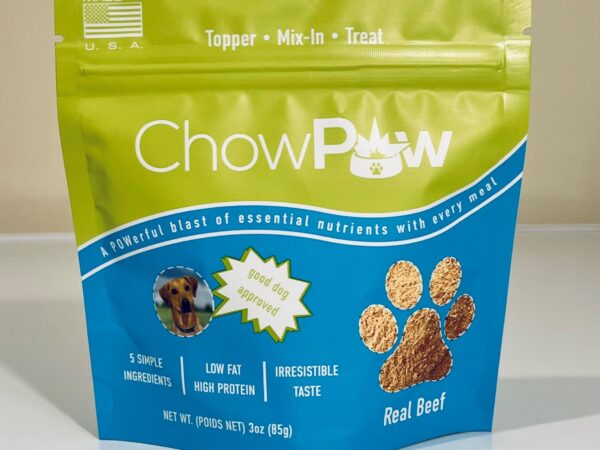 Dog Food Topper - Beef HeartOriginal price was: $14.99.$10.95Current price is: $10.95. - or subscribe and save up to 20%