
Can My Dog Eat Pistachios? Risks & Safe Swaps in 2026
It’s a familiar scene for any dog owner. You settle in with a bowl of salty, crunchy pistachios, and before you know it, you’ve got a pair of big, hopeful eyes staring you down, complete with a gently wagging tail. It’s so tempting to share, but when it comes to pistachios, should you?
The short and sweet answer is no. It’s best to keep these nuts to yourself. While a single, unsalted pistachio that’s fallen on the floor probably won’t cause a major issue, they’re just not a safe or healthy snack for our canine companions.
The Problem with Pistachios
That irresistible crunch might be satisfying for us, but for dogs, pistachios are a bit of a minefield. Think of your dog's digestive system as a sensitive engine. High-fat foods like pistachios are like putting the wrong kind of fuel in the tank—it can gum up the works, leading to anything from a simple tummy ache to a very serious and painful condition called pancreatitis.
But the nut itself isn't the only concern. The shells are a huge problem. They're a major choking hazard and can easily cause an intestinal blockage if swallowed. On top of that, most pistachios we eat are salted or seasoned, which is a big no-no for dogs. All that extra salt can lead to dehydration or even salt poisoning if they manage to eat a lot.
Why Pistachios Are a Risky Treat
Let’s break it down into simple terms. Here are the main reasons to steer clear of sharing pistachios with your pup:
- High Fat Content: This is the biggest red flag. A dog’s pancreas just isn't built to handle this much fat at once, which can trigger inflammation and severe pain.
- Choking Hazard: Both the nut and its hard shell are the perfect size to get stuck in a dog’s throat or digestive system.
- Intestinal Obstruction: If your dog swallows a shell, it can’t be digested. This can create a dangerous internal blockage that often requires emergency surgery to fix.
- Salt and Seasonings: The salt and spices on most store-bought pistachios can throw off your dog's electrolyte balance and cause serious health issues.
We all love to spoil our dogs, but sharing our snacks isn't always the best way to do it. A much safer (and healthier!) way to add some excitement to their bowl is with a meal enhancement made just for them.
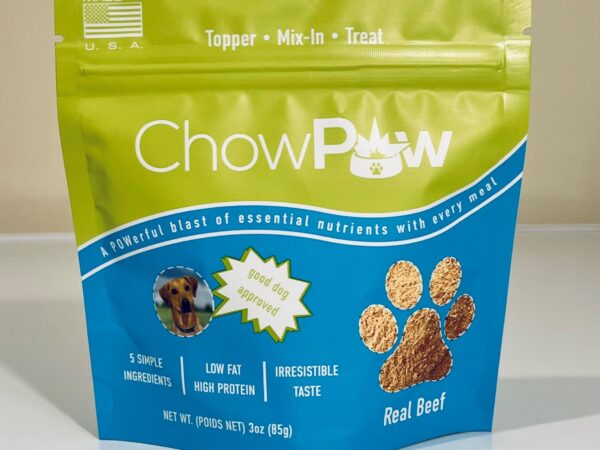
Instead of a risky human treat, try sprinkling a meal enhancer like ChowPow over their regular kibble. It's not meant to replace their food, but to boost its nutritional value. It gives them that "special something" they crave without the dangers that come with nuts. It's a win-win: your dog gets a delicious treat, and you get peace of mind.
Understanding the Hidden Dangers of Pistachios
A single pistachio might look like a tiny, harmless snack, but for your dog, it's a little green nut packed with some serious risks. It’s not just a matter of a simple “no”; it's really important to understand why they are so troublesome for our furry friends. The dangers go way beyond a simple tummy ache and can lead to some painful, scary, and even life-threatening problems.
Think of your dog's pancreas as a tiny, hard-working factory inside them. Its main job is to create the enzymes needed to digest food properly. When you give your dog a high-fat snack like a pistachio, it's like dumping a massive, unexpected order on the factory floor that it just can’t handle. This overload can cause the whole system to break down and get inflamed—a dangerous condition we know as pancreatitis.
Pancreatitis and High Fat Content
Pancreatitis is a severe and incredibly painful inflammation of the pancreas. High-fat foods are one of the biggest culprits, and pistachios are definitely on that list. Just look at the numbers: over 25% of emergency vet visits have been linked to dogs eating things they shouldn't, with high-fat human foods like nuts making up nearly 15% of those cases.
Pistachios contain a whopping 45 grams of fat per 100 grams, which is way over the 10-15% fat content recommended for most dog foods. For a 20-pound dog, just five or six pistachios can eat up a huge chunk of their daily fat and calorie limits, pushing their system into overdrive and potentially triggering pancreatitis.
This infographic lays out the main concerns perfectly.

As you can see, the combination of high fat, choking hazards, and seasonings makes pistachios a risky treat. Understanding what causes pancreatitis in dogs is the first step in keeping them safe from this painful condition.
Aflatoxins and Bladder Stones
Beyond the immediate risk of pancreatitis, pistachios can harbor an invisible threat: aflatoxins. These are nasty toxins produced by certain molds that can grow on nuts like pistachios, especially when they aren’t stored correctly.
Even a small amount of aflatoxin can cause serious liver damage, leading to symptoms like vomiting, loss of appetite, and jaundice (a yellowing of the skin and eyes). If a dog is exposed over time, it can lead to chronic illness or even liver failure.
Pistachios are also high in phosphorus. While phosphorus is a necessary mineral, too much of it can lead to the formation of bladder stones.
For certain breeds that are already susceptible to urinary issues, like Dalmatians and Miniature Schnauzers, a diet high in phosphorus significantly increases their risk of developing painful bladder stones that may require surgical removal.
Physical Obstruction Dangers
Finally, the physical nut and shell are a major problem. The shells are hard, brittle, and totally indigestible. If a dog swallows one, it can easily get stuck in their throat, causing them to choke.
Even if the shell makes it down, it can cause an intestinal blockage. This is a true emergency that causes severe pain, vomiting, and an inability to go to the bathroom. Surgery is almost always needed to remove the blockage. Even the nuts themselves, if eaten in large numbers, can clump up and create the same dangerous situation. It's a terrifying and expensive ordeal that's completely avoidable just by keeping those pistachios out of reach.
How 'Just One' Nut Can Impact Long-Term Health
We’ve all been there. You’re snacking, and those big, pleading eyes are staring right at you. It’s so easy to think, "What's the harm in just one?" But when it comes to snacks like pistachios, that one little nut can be the start of a habit that has serious long-term consequences for your dog's health.
The problem is how quickly these seemingly innocent treats pile up, creating a slippery slope toward major health issues down the road.

It all comes down to a simple guideline vets call the “10% treat rule.” This is a really handy rule of thumb: treats should never make up more than 10% of your dog's total daily calories.
Let’s put that into perspective. A medium-sized, 40-pound dog might need about 800-1,000 calories a day. That gives them a treat budget of just 80-100 calories. A small handful of just three or four pistachios can completely blow that budget. It feels harmless, but over time, it's a direct path to weight gain.
The Slippery Slope of Canine Obesity
Sadly, this isn't just a hypothetical. A recent survey showed that 32% of dog parents admit to sharing table scraps. More telling? Nuts like pistachios were a factor in 12% of the resulting obesity cases.
With a shocking 59% of dogs in the US now considered obese, the link between high-calorie human foods and declining pet health is crystal clear. You can learn more about these findings by reading the full report on pistachio safety for dogs.
A few pistachios might seem harmless, but this habit is a direct contributor to canine obesity, which is linked to a doubled risk of pancreatitis and a tripled rate of heart disease.
All that extra weight puts a tremendous strain on a dog’s body. It damages their joints, overworks their heart, and ultimately lowers their quality of life.
The Problem with Salted Pistachios
If the pistachios are salted, the danger level skyrockets. And let’s be honest, most of the pistachios we eat are. That sodium is a huge red flag for dogs. A single ounce of salted pistachios can pack over 300mg of sodium.
To see why that's a problem, here's how it stacks up against a dog's safe daily limit:
- A 10-pound dog's daily sodium limit is 100mg.
- A 20-pound dog's limit is 200mg.
- A 30-pound dog's limit is 300mg.
For a small dog, just a couple of salted nuts can send them way over their daily sodium intake. This can cause intense thirst and dehydration, and in the long run, contribute to high blood pressure and even kidney issues.
The best way to show them you care is by sticking to treats that are actually made for them.
It’s a heart-stopping moment for any dog parent: you walk into the room and find a ripped-open bag of pistachios and a very guilty-looking pup. Your first instinct might be to panic, but the best thing you can do is take a deep breath and calmly assess the situation.
What you do next can make a huge difference.
First, play detective. How many pistachios did your dog actually get? Were they still in the shell? Were they salted? A big, healthy dog who snagged one or two unsalted, shell-free nuts might just need a watchful eye. But for a small dog, or if the nuts were salted or shells were eaten, you need to be more vigilant.
Immediate Steps and Monitoring
After you’ve secured any leftover nuts well out of reach, your main job is to become a very attentive observer. Different problems can pop up on different schedules, so knowing the signs is everything.
Here’s a quick timeline of what to watch for:
- First 1-4 Hours (Choking and Obstruction): Keep an ear out for coughing, gagging, or any trouble breathing. A piece of shell lodged in their throat is a true emergency.
- First 6-24 Hours (Gastrointestinal Upset): This is the most common reaction. Look for vomiting, diarrhea, acting tired and sluggish, or a sore tummy. The high fat content in pistachios is usually the culprit here.
- First 24-72 Hours (Pancreatitis): Symptoms of this serious condition can be delayed. Be on the lookout for non-stop vomiting, a hunched-over posture (which signals bad abdominal pain), refusing food, and extreme lethargy.
When to Call the Vet Immediately: Don't second-guess it. If your dog is showing any signs of choking, seems to be in severe pain, is vomiting repeatedly, or is incredibly lethargic, call your vet or an emergency animal hospital right away. In moments like these, having a well-stocked dog emergency kit can be a lifesaver. You can learn what to pack in our guide on the 8 essential items you should have in your dog's emergency kit.
Understanding the Broader Risks
It's easy to think "it's just a nut," but the risks are more significant than most owners realize. Historically, the ASPCA has noted that pistachios were involved in 18% of their toxin exposure calls. This isn't because the nut itself is poisonous, but because of related issues.
A big concern is the 45% risk of aflatoxin mold on nuts that aren't stored properly. This nasty mold has been linked to liver damage in up to 10% of severe cases. You can find more info on these pistachio-related findings on heartofthedesert.com.
At the end of the day, prevention is always the best medicine. Keeping human snacks locked away in a secure cupboard eliminates the risk and the worry. Instead of sharing your snacks, you can focus on giving them delicious, healthy treats that are made just for them.
A Healthier Way to Enhance Your Dog's Meals
After learning about all the risks that come with a snack as seemingly innocent as pistachios, it’s clear that sharing our food isn't always the kindest way to treat our dogs. So, what do you do when you want to give them something a little special? Thankfully, there's a much safer—and more beneficial—way to add some excitement and powerful nutrition to their bowl.
Instead of tossing them a risky handful of nuts, you can completely elevate their mealtime with a dedicated meal enhancer. This is exactly where a product like ChowPow comes in. It's not a meal replacement, but a supplement designed to work with your dog’s current food. Think of it as a nutritional power-up that makes their regular kibble tastier and healthier.

You just sprinkle the powder over their food, and a boring meal instantly becomes a delicious feast. This simple trick not only satisfies their craving for something extra but also enriches their diet with targeted, dog-friendly nutrients.
The ChowPow Difference: A Clean and Simple Choice
One of the biggest worries with pistachios is that long list of potential problems—high fat, dangerous molds, choking hazards, and unhealthy salt. ChowPow, on the other hand, is built on simplicity and safety. It's crafted in small, quality-certified batches using just four locally sourced ingredients.
What’s inside?
- Dehydrated Beef Heart: An incredible source of high-quality protein and essential amino acids for strong muscles and energy.
- Carrots: Packed with vitamins and fiber to support good vision and a healthy digestive system.
- Celery: Provides vital minerals and antioxidants that help reduce inflammation.
- Apple Cider Vinegar: Known to aid digestion and help maintain a healthy gut.
That's it. No mysterious chemicals, no fillers, and definitely no excessive fats or salts to worry about. You get total transparency and the confidence of knowing exactly what your dog is eating. While pistachios introduce risk, ChowPow adds pure, wholesome nutrition.
Unlike the gamble you take with human snacks, ChowPow offers a reliable, low-fat boost of goodness. It's a purposefully crafted solution for your dog's health, not an accidental risk.
This simple formula is a world away from the complex dangers of feeding your dog pistachios. You’re swapping uncertainty for dependable, high-quality nutrition that makes every meal better. Adding a meal enhancer is an easy and effective way to improve your dog's diet, and you can explore more about the benefits of adding food toppers to your dog's diet in our detailed guide.
Perfect for Every Dog at Every Stage
The beauty of a meal enhancer like ChowPow is its versatility. It's not just for distracting your dog from your own snacks; it's a practical tool for solving many common canine challenges. Because it’s a fine powder, it’s gentle and easy for dogs of all ages and health conditions to enjoy.
ChowPow is especially helpful for:
- Picky Eaters: The rich, meaty aroma is often irresistible to even the fussiest dogs, encouraging them to clean their bowls.
- Senior Dogs: Older pups with sensitive teeth or a declining appetite find the soft texture and concentrated nutrients easy to manage.
- Recovering Pets: For a dog bouncing back from illness or surgery, it provides an easy-to-digest nutritional lift to support their healing process.
By choosing a dedicated meal enhancer, you get to stop asking "can my dog eat this?" and start confidently giving them something that actively supports their well-being. It’s the ultimate win-win.
Got More Questions About Nuts and Your Dog?
We've covered the specific risks of pistachios, but what about other nuts? It's a question we get all the time. Let's clear up some of the most common concerns so you can have total peace of mind when it comes to your pup's diet.
What if My Dog Ate Just One Pistachio?
Deep breath. If your healthy, larger dog snatched a single, unsalted pistachio (shell-free), it’s usually not a five-alarm fire. A one-off accident like this rarely causes a major issue.
That said, you'll want to keep a close eye on them for the next 24-48 hours. Watch for any signs of an upset stomach, like vomiting or diarrhea.
For smaller breeds, seniors, or dogs with health issues, even one nut’s high fat content can be a problem. It's definitely not something to make a habit of—stick to safer treats.
Are Other Nuts Like Almonds or Cashews Safe for Dogs?
Just like pistachios, most other nuts you'd find in your pantry come with their own set of risks. While not all are outright toxic, almonds and cashews are packed with fat and calories that can lead to weight gain and the dreaded pancreatitis.
Here’s the deal with other common nuts:
- Almonds: These are a huge choking hazard. They’re also tough for a dog's digestive system to handle.
- Cashews: Fatty, just like pistachios. Eating too many can upset their stomach or trigger pancreatitis.
- Macadamia Nuts: This is a big one—they are toxic to dogs. Even a tiny amount can cause scary symptoms like weakness, vomiting, and tremors. Avoid these at all costs.
When in doubt, just say no to nuts. The safest bet is always to stick with treats that are actually made for a dog's unique nutritional needs and digestive system.
My Dog Loves Crunchy Food. What Are Safe Alternatives?
Does your dog go nuts for a good crunch? You’ve got plenty of great options that are both safe and healthy! Many fresh fruits and veggies deliver that satisfying texture without any of the risks.
A few excellent, low-calorie choices include:
- Baby carrots
- Green beans
- Apple slices (just be sure to remove the core and seeds first!)
And if you want a special treat that also supercharges their meal, try sprinkling a supplement like ChowPow over their kibble. It's not a substitute for their main food, but it adds a burst of flavor and encourages them to enjoy their food's natural crunch, making mealtime way more exciting without any risk.
What Should I Do If My Dog Ate a Pistachio Shell?
Pistachio shells are a definite no-go. They're hard, brittle, and totally indigestible, which means they can be a serious choking hazard or, even worse, cause a dangerous intestinal blockage. The risk is especially high for smaller dogs.
If you even suspect your dog swallowed a shell, call your vet immediately. They'll give you the best advice for your dog and your specific situation. They might tell you to monitor for signs like vomiting or straining to go potty, or they might want to do an X-ray to find the shell and see if it's causing a blockage.
Instead of playing a guessing game with human snacks, you can confidently give your dog something made to boost their health. With ChowPow, you’re not just avoiding a problem; you’re adding pure, wholesome goodness to every single meal.
Ready to take your dog's kibble from bland to brilliant? Head over to ChowPow to learn more and give your best friend the delicious, healthy upgrade they deserve.
-
Product on sale
 Dog Food Topper - Beef HeartOriginal price was: $14.99.$10.95Current price is: $10.95. - or subscribe and save up to 20%