
Can My Dog Get a Cold? A Pet Parent’s Guide
When you hear that first sniffle or sneeze from your pup, it’s only natural to wonder: can dogs get colds, too? We’ve all been there. You’re curled up on the couch with a box of tissues, and your best furry friend starts showing similar signs.
So, what's the deal? It's a "yes and no" situation, but probably not in the way you think. While dogs don't catch the exact same cold viruses that lay us low, they absolutely can get their own versions of upper respiratory infections that look and feel a lot like our common cold.
Your Dog Is Sneezing but Is It a Cold?
That wet-sounding sneeze or a little cough from your dog is enough to make any pet parent’s ears perk up. But before you start worrying about passing your own sniffles to your pup, you can relax about one thing—your cold isn't contagious to them.
The germs that give us the classic human cold are species-specific. They’re just not interested in setting up shop in your dog.
Instead, a whole host of other viruses and bacteria are responsible for what we often call a "doggy cold." Vets officially refer to this collection of illnesses as Canine Infectious Respiratory Disease (CIRD). Even though the germs are totally different, the symptoms can look strikingly familiar.
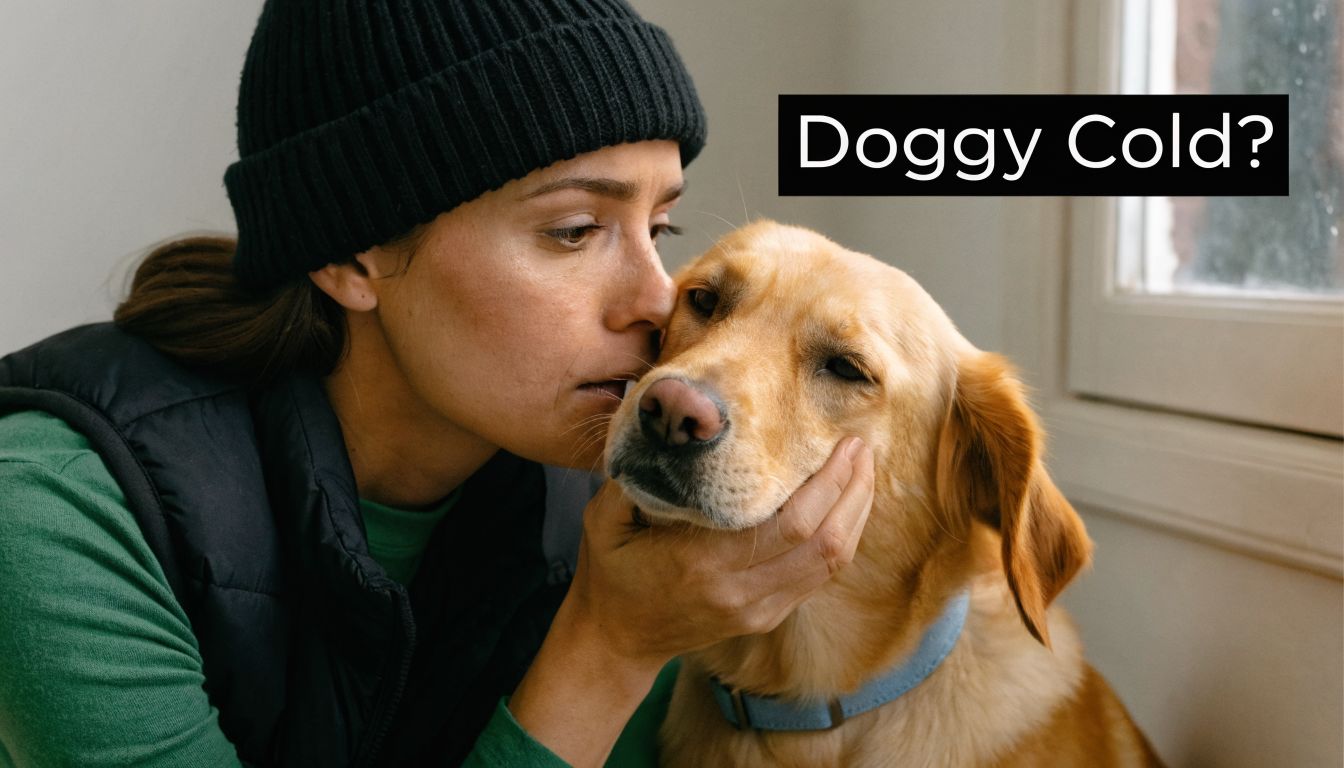
What a Doggy Cold Looks Like
Think about how you feel when you’re coming down with something. A bit of a cough, maybe a runny nose, feeling tired, and suddenly your favorite meal doesn't sound so good. That's pretty much what your dog is going through.
These symptoms are simply their body’s natural defense system kicking into gear to fight off the infection.
Catching these signs early is your first and best move for helping them get back on their paws. A mild case will often clear up on its own with plenty of rest and TLC, but knowing what to watch for helps you make that crucial call: snuggle on the couch or call the vet?
To help you tell the difference, here's a quick rundown of how the symptoms stack up.
Human Cold vs "Doggy Cold" Symptoms at a Glance
| Symptom | In Human Colds | In 'Doggy Colds' |
|---|---|---|
| Sneezing | Common | Common, can be frequent |
| Runny Nose | Common (clear, then thick) | Common (clear, yellow, or green) |
| Coughing | Common, often dry or with phlegm | Very common, can be a dry "honk" |
| Sore Throat | Very common | Can cause reluctance to eat or drink |
| Lethargy | Common, general fatigue | Common, less interest in play/walks |
| Fever | Sometimes, low-grade | Possible, a key sign to see a vet |
| Loss of Appetite | Common | Common, especially with a stuffy nose |
This table shows just how similar the signs can be, making it easy to see why we call it a "doggy cold"!
Key Takeaway: A "doggy cold" is just our shorthand for a mild respiratory infection in dogs. The symptoms are a dead ringer for our own colds, but the germs behind them are completely different and can't pass between you and your pet.
Getting this distinction is key. It helps you stop worrying about your own germs and start focusing on the real culprits—things like kennel cough or canine influenza, which we'll get into next. More importantly, it empowers you to give your dog the right supportive care at home, like keeping them comfy, hydrated, and getting enough good nutrition to power their immune system.
Why You Can't Give Your Dog Your Cold
If you’ve ever let out a huge sneeze and then looked down at your dog with a wave of guilt, you can officially relax. You simply cannot give your human cold to your dog.
The viruses that give us the sniffles are incredibly specialized. Think of it like a key and a lock. The human rhinovirus—the bug behind most of our colds—is a very specific "key" made to fit only the "locks" on human cells. Your dog’s cells have completely different locks, so that key just won’t work.
This handy biological barrier is what scientists call being species-specific. It’s the main reason most common illnesses stay within their own species, which is great news for keeping our pets safe from our germs (and us from theirs!).
The Real Culprits Behind a “Doggy Cold”
So if it’s not our germs, what’s making your poor pup cough and sneeze? Your dog has its own lineup of bugs that cause the symptoms we might call a “doggy cold.” Vets group these under one big umbrella: the Canine Infectious Respiratory Disease (CIRD) complex.
The most common players in this group are:
- Bordetella bronchiseptica: This is the primary bacterium behind kennel cough, causing that unmistakable harsh, “honking” cough.
- Canine Parainfluenza Virus: A virus that brings on classic cold-like symptoms, from coughing to a runny nose.
- Canine Adenovirus Type 2: Another common virus that can contribute to kennel cough by targeting the respiratory system.
The Key Takeaway: While your dog's sickness might look and sound like your own head cold, it's caused by a totally different set of germs. Knowing this helps you stop worrying about passing anything back and forth and start focusing on what they really need.
For instance, dogs can't catch the viruses that cause over 50% of human colds. Instead, they're dealing with exclusively canine pathogens like parainfluenza and Bordetella. This is a crucial distinction for any dog owner, especially if you have a picky eater or an older dog whose appetite might tank when they feel sick. Using a gentle, appetite-boosting meal enhancement like ChowPow can be a huge help in keeping their strength up while they recover.
If you want to dig deeper into the specific viruses affecting our pups, pet health resources offer a wealth of great information.
Why This Distinction Matters for Your Dog's Health
Knowing you can't pass your cold to your dog is more than just a neat fact—it's incredibly freeing. It means you can give all the cuddles and comfort your sick pup needs without worrying you'll make them sicker.
This knowledge also helps you shift your focus to what will actually help them get better: creating a cozy resting space, keeping them hydrated, and offering nutritious food that’s easy to eat.
A dog’s appetite is often the first thing to go when they feel under the weather. A nutrient-dense meal enhancement can work wonders to entice them back to their bowl, giving their immune system the fuel it needs to fight off its own specific infection and get back to being your happy, healthy sidekick.
So, you've figured out your sniffles can't jump to your dog. That's a relief! But when you hear your pup sneezing and coughing, the next big question is: what’s actually going on?
A handful of different issues can bring on those familiar cold-like symptoms. Learning to spot the subtle differences is the first step in getting your furry friend the right kind of help. Think of yourself as a pet health detective, gathering clues for the vet.
Most of these illnesses fall under the big umbrella of Canine Infectious Respiratory Disease (CIRD), but three main culprits are usually behind the sniffles: Kennel Cough, Canine Influenza (the dog flu), and good old seasonal allergies.
Knowing the basics, like the difference between viral vs bacterial infection symptoms, can also give you a better understanding of why your vet might choose a certain treatment path.
The Big Three Respiratory Culprits
While your vet is the only one who can give you a definite diagnosis, knowing what to look for at home is incredibly helpful. Let's break down the most common issues.
Kennel Cough (Infectious Tracheobronchitis): This is the one most people have heard of. It's a super contagious bug caused by a mix of things, including the bacteria Bordetella bronchiseptica. The dead giveaway? A harsh, dry, hacking cough that sounds startlingly like a "goose honk." You'll often notice it gets worse when they're excited or if a collar presses on their throat.
Canine Influenza (Dog Flu): This is the real flu, but for dogs, caused by specific influenza A viruses (H3N8 and H3N2). Like Kennel Cough, it's very contagious and causes a cough. The difference is that a dog with the flu usually seems much, much sicker. Look for a high fever (104-106°F), goopy nasal discharge, and a dog that just doesn't want to move.
Seasonal Allergies: Yep, just like us! Dogs can get sneezy and watery-eyed from things like pollen, dust, and mold. Allergies usually bring on itchy skin, clear discharge from the eyes and nose, and lots of sneezing. They don't typically cause the deep, hacking cough or fever you see with an infection.
To make it a little easier, here's a quick reference table to help you spot the differences.
Symptom Checker: Kennel Cough vs. Dog Flu vs. Allergies
| Symptom | Kennel Cough | Canine Influenza | Allergies |
|---|---|---|---|
| Cough | Harsh, dry "goose honk" | Dry or wet cough | Rare, not a primary sign |
| Fever | Usually mild or none | Common, often high (104-106°F) | No |
| Nasal Discharge | Clear, watery | Thick, yellowish-green | Clear, watery |
| Energy Level | Mostly normal, may be slightly off | Very lethargic, weak | Normal |
| Appetite | Usually normal | Often decreased | Usually normal |
| Eye Discharge | Sometimes | Common, goopy | Common, watery |
| Itchiness | No | No | Yes, often with skin issues |
This table is a great starting point, but remember that symptoms can overlap. When in doubt, a call to the vet is always the best move.
And here’s a great visual that explains why you don't have to worry about passing your own cold to your pup.

Think of it like a key and a lock. The viruses we get are a completely different shape from the ones that affect our dogs, so they simply can't "unlock" their cells to make them sick.
The Importance of Appetite and Nutrition
No matter what’s causing the sniffles, one of the first and clearest signs that a dog is feeling truly awful is when they stop eating.
Their body needs a ton of energy to fight off an infection, and that fuel comes from their food. But when a stuffy nose makes everything smell bland or a sore throat makes it painful to swallow, their trusty kibble can suddenly seem very unappealing.
A sick dog's refusal to eat is a clear signal that their body is under stress. Providing an enticing, nutrient-dense food source is critical for giving their immune system the resources it needs to fight back and recover.
This is where a simple little boost can work wonders. Sprinkling a flavorful, high-value meal enhancement like ChowPow onto their food can be just the thing to get them interested in eating again.
ChowPow isn’t a substitute for their regular kibble. It’s a nutritional supercharger designed to make their regular food irresistible, ensuring they get the protein and calories they desperately need to bounce back.
When to Call the Vet for a Dog's Cold
It’s one of the most stressful moments for any dog owner: your pup has the sniffles, and you’re left wondering if it's just a minor bug or something more serious. Deciding between offering extra cuddles and rushing to the vet can be tough.
To make it easier, you can think of the symptoms like a traffic light. This simple approach can help you assess the situation with a clearer head and act with confidence.

Green Light Signs
These are the mild symptoms that usually just call for some good old-fashioned TLC at home. If your dog is still acting pretty much like their normal, goofy self, you’re likely in the green zone.
- Mild sneezing or a slight runny nose: The key here is that any discharge should be clear, like water.
- A little less playful: They might be a bit tired or choose the couch over a game of fetch, but they’re still wagging their tail and happy to see you.
- Normal appetite and drinking: They’re still cleaning their bowl at mealtimes and lapping up water.
For these minor signs, the best medicine is often just rest, comfort, and good nutrition. That said, if the symptoms hang around for more than a few days, it's always a good idea to check in with your vet.
Yellow Light Warnings
These symptoms are your cue to pick up the phone and call your vet for advice. There's no need to panic, but you definitely shouldn't ignore them, either. A professional opinion is the only way to rule out something more serious.
- A persistent, hacking cough: Pay close attention if it’s a harsh, dry "honking" sound, as this is a classic sign of kennel cough.
- Loss of appetite: They're turning their nose up at their favorite meal or even high-value treats.
- Lethargy: This isn't just being a little tired; it's a profound lack of energy where they seem weak and completely uninterested in anything.
- Thick, colored discharge: Any yellow or green gunk coming from their nose or eyes is a sign of infection.
When a dog refuses to eat or drink, their body isn't getting the fuel it needs to fight infection. This is a clear sign to seek veterinary advice, as dehydration can quickly become a serious problem. For more information, you can explore the signs of dehydration in dogs in our detailed guide.
Red Light Emergencies
These are immediate red flags. If you notice any of these signs, your dog needs to see a veterinarian right away—no waiting. These can indicate a life-threatening condition like pneumonia or severe canine flu.
- Difficulty breathing: This includes labored breathing, gasping for air, or taking rapid, shallow breaths.
- High fever: A temperature above 103°F is a significant concern that requires immediate medical attention.
- Disorientation or collapse: Any signs of confusion, stumbling, or extreme weakness are serious.
- Pale or blue-tinged gums: This is a critical sign of oxygen deprivation.
For puppies, senior dogs, and flat-faced (brachycephalic) breeds like Pugs or French Bulldogs, it’s best to be extra cautious. Their systems are more vulnerable, and respiratory issues can become dangerous very quickly. For these high-risk dogs, even "Yellow Light" symptoms warrant a prompt call to the vet.
Creating a Comfortable Recovery Nest at Home
When your dog feels under the weather, your first instinct is to do everything you can to make them feel better. Just like we crave a cozy spot on the couch when we’re sick, creating a dedicated "recovery nest" for your dog can make a huge difference in their comfort and how fast they bounce back.
This isn't about anything fancy. It's simply about creating a peaceful, soothing space where their body can focus all its energy on healing.

Building the Perfect Rest Stop
Your main goal here is to make rest as easy and inviting as possible. A sick dog needs tons of sleep to recover, and the right environment encourages exactly that. You can read more about just how much sleep do dogs need to see why rest is so critical for their health.
Here are a few simple but powerful things you can do:
- Find a Quiet Corner: Move their bed to a low-traffic part of the house. Steer clear of loud TVs, kids playing, or the usual household chaos. A calm space reduces stress and lets them get that deep, restorative sleep they need.
- Warmth is Comfort: An extra blanket or two goes a long way. If you have an orthopedic bed, now’s the time to use it. Keeping them warm soothes achy muscles and means they don’t have to burn precious energy just to stay warm.
- Easy Access to Essentials: Place their fresh water and food bowls right next to their bed. A weak or tired dog shouldn't have to make a long trek for the basics.
Soothing Their Symptoms and Boosting Nutrition
Beyond a comfy bed, a couple of extra touches can bring some serious relief. Congestion is just as miserable for our dogs as it is for us, and a lack of appetite can really slow down the healing process.
Think of a sick dog's body like a factory working overtime to fight an infection. It needs a constant supply of high-quality fuel (nutrients) to keep production going. When the fuel supply stops, the entire system struggles.
Running a humidifier near their bed can add moisture to the air, which helps soothe an irritated throat and loosen up congestion. This makes breathing easier and might even help them smell their food a bit better.
And that brings us to the biggest challenge: getting a sick dog to eat. A stuffy nose means their kibble has almost no smell, making it completely unappealing. But their immune system is burning through calories and needs protein to get the job done.
You can try gently warming their food to release more aroma, but sometimes you need a little extra help.
This is where a simple meal enhancement can be a total game-changer. You’re not replacing their food, you’re boosting it. Sprinkling a tasty, high-value supplement like ChowPow over their kibble adds an irresistible scent and flavor that can coax even the most reluctant dog back to their bowl. This ensures they get the critical nutrition their body is crying out for to fight off the illness and get back on their paws.
Boosting Their Food to Speed Up Recovery
It's one of the most worrying things for any dog owner: your normally food-obsessed pup suddenly has no interest in their dinner. When your dog feels under the weather, their refusal to eat is a major hurdle. Their immune system is working overtime, and it needs high-quality fuel to win the fight.
This is where a good meal enhancement can be your best friend.
Let's be clear: a meal booster like ChowPow isn't a replacement for your dog's regular food. Think of it as a supercharger for their kibble. It’s a supplement designed to add a layer of irresistible flavor and crucial nutrients right when they need it most.
Making Every Bite Count
When a dog has a stuffy nose, their world of smells goes quiet—and so does their appetite. ChowPow’s single-ingredient formula of all-natural beef heart offers a rich, meaty aroma that can cut through that congestion and tempt even the most lethargic pup back to their bowl.
A sick dog needs more than just calories; they need a serious nutritional boost. ChowPow's freeze-dried beef heart packs a punch, offering 25% more protein than many standard meal enhancers to help with tissue repair. It’s a difference owners see, with 88% reporting satisfaction in getting their picky dogs to eat during sniffle seasons. You can learn more about what you're up against by reading these expert insights on canine colds from the AKC.
Just a sprinkle over their usual food adds a powerful, protein-rich boost to help them get their strength back. It’s a simple, clean way to make sure they get the nutrition needed to feel better, faster. Getting them interested in food is often the first step to recovery, and we have a whole guide on how to get a sick dog to eat with even more tips.
Here’s another trick: try mixing ChowPow with a bit of warm water to create a savory, hydrating broth. It’s a fantastic way to get more fluids into them, especially if they’re turning their nose up at their water bowl. This simple step makes their meal more appealing and supports vital hydration, all at once.
Your Top Questions About Dog Colds Answered
Okay, we've covered a lot of ground on whether dogs can get colds. Even so, it's completely normal to have a few more questions pop up.
Let's tackle some of the most common ones head-on. We want you to feel confident and prepared if your pup ever gets the sniffles.
Can I Give My Dog Human Cold Medicine?
This is a hard no. It’s one of the most important things to remember for your dog's safety. Medications made for people, like Tylenol (acetaminophen) or Advil (ibuprofen), are highly toxic to dogs.
Giving these to your pup can lead to severe liver damage, kidney failure, or worse. Never, ever give your dog an over-the-counter medicine unless your veterinarian has specifically told you to. They’ll know exactly what’s safe if your dog needs medication.
How Long Is a Dog with Kennel Cough Contagious?
Generally, a dog with kennel cough can spread it for about 10 to 14 days after they first show symptoms. The tricky part? Some dogs can continue shedding the virus or bacteria for weeks, sometimes even months, after they seem perfectly healthy again.
The best and safest bet is to keep your sick dog isolated from parks, daycare, and any puppy playdates. Wait until your vet gives you the official all-clear.
Key Takeaway: Your vet is the ultimate authority on how long your dog needs to be quarantined. Following their advice is the most responsible way to keep other dogs in your community safe and healthy.
Which Vaccines Help Prevent Dog Colds?
While there isn’t a single magic shot for every type of "cold," a few key vaccines do an amazing job of protecting your dog from the most common respiratory culprits.
- Bordetella Vaccine: This is your frontline defense against kennel cough. Most groomers, boarding facilities, and doggy daycares will require it.
- Canine Influenza Vaccine: This vaccine protects against the H3N8 and H3N2 dog flu viruses. It's a really smart choice for any dog that regularly socializes with other pups.
- DHPP Vaccine: This is a core combination vaccine that protects against several serious illnesses, including canine adenovirus type 2, which is a major cause of respiratory infections.
Chat with your vet about your dog’s lifestyle. Together, you can decide which vaccines make the most sense. A simple vaccination can save your best friend a whole lot of misery later on.
Here at ChowPow, we know how tough it is to see your dog feeling under the weather. Making sure they get the fuel they need to bounce back is one of the best ways you can help. A little sprinkle of ChowPow can make their food irresistible, encouraging that crucial appetite and giving their body the building blocks for recovery. Learn more about boosting your dog's nutrition at https://chowpownow.com.
-
Product on sale
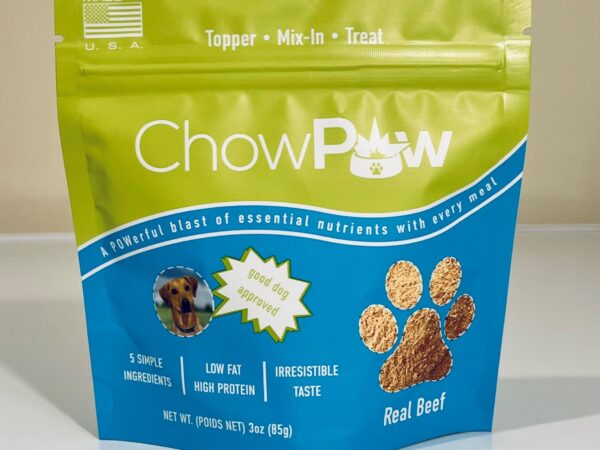 Dog Food Topper - Beef HeartOriginal price was: $14.99.$10.95Current price is: $10.95. - or subscribe and save up to 20%