Dog Food for Picky Eaters: Your Guide to Happy Meals
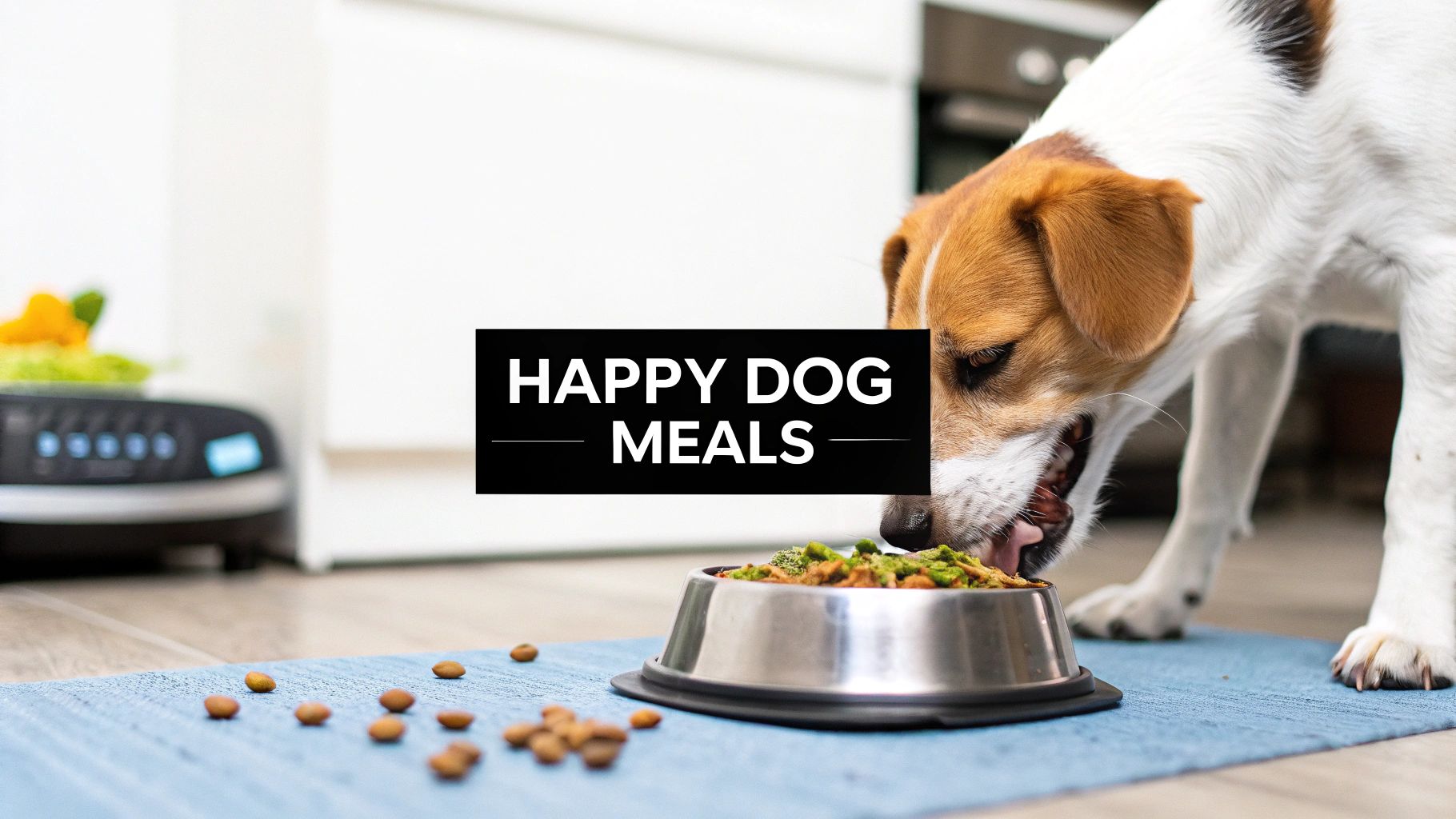
You know the feeling. That sinking sensation when you put down a bowl of food your dog used to love, only to have them give it a sniff and walk away. Before you panic-buy a dozen different brands of kibble, take a breath. Often, the best dog food for picky eaters isn’t a whole new food, but a simple way to make their current one better.
A sudden hunger strike can be a sign of something more, so playing detective is your first, most important job.
Getting to the Bottom of Picky Eating
When your dog suddenly turns up their nose at mealtime, it’s easy to assume they’ve just gotten bored. But more often than not, this new pickiness is a symptom, not the actual problem. Figuring out the why behind their refusal to eat will save you a ton of stress, money, and trips to the pet store.
Sometimes, the root cause is medical. Think about it: if your tooth hurt, you probably wouldn’t be chomping down on a hard pretzel. A dog with a cracked tooth or sore gums might find crunchy kibble painful. It could also be a subtle tummy issue that makes them associate their food with feeling unwell.
If the picky eating comes with other symptoms like low energy, vomiting, or changes in their poop, it’s time to call the vet. It’s always best to rule out any health concerns first.
Unpacking Behavioral Triggers
If you get a clean bill of health from the vet, the next place to look is your dog’s environment and daily routines. Dogs are creatures of habit, and even small shifts in their world can throw them for a loop and affect their appetite. A recent move, a new baby, or even just a change in your work schedule can make a dog feel insecure, and refusing food is a common way they show it.
We can also, completely by accident, train our dogs to be fussy. It starts innocently enough. You give them a little piece of your chicken dinner, or they get extra treats when guests are over. Your smart pup quickly learns that if they hold out on their boring kibble, something much tastier might come their way.
We see this all the time after holidays. Your dog spends a weekend getting spoiled by family with endless attention and tasty human-food scraps. They come home, you put down their regular bowl of food, and they look at you like you’re crazy. They aren’t being difficult—they’re just waiting for the good stuff they got used to!
To figure out if you’ve created a picky monster, ask yourself about these common culprits:
- Too Many Treats: Are snacks taking the place of meals? Treats and extras should make up less than 10% of your dog’s daily calories. If they’re filling up on goodies between meals, of course they won’t be hungry for dinner.
- Inconsistent Feeding Times: Leaving food out all day (free-feeding) can teach a dog to graze and diminishes their natural hunger cues. A set schedule helps their body know when it’s time to eat.
- A Stressful Dining Area: Is their bowl in a busy hallway or a loud part of the kitchen? A nervous dog won’t eat if they don’t feel safe. They need a calm, quiet spot to enjoy their meal in peace.
Getting to the root of the issue—whether it’s medical, behavioral, or environmental—is the only way to find a real solution. Once you know what you’re dealing with, you can stop the endless cycle of buying different bags of dog food for picky eaters and start making real progress.
What Picky Dogs Actually Want in Their Bowl
To finally solve picky eating, we have to stop thinking like a human and start thinking like a dog. For our pups, mealtime is a full sensory experience where flavor is just one part of the story. It’s the aroma, texture, and quality of the ingredients that really convince a hesitant dog to take that first, crucial bite.
Remember, dogs navigate the world with their noses. Their sense of smell is incredibly powerful, far beyond our own. A bowl of plain, dry kibble might not offer much of an invitation to them. On the other hand, the rich, meaty scent from high-quality animal proteins or slightly warmed-up food signals that something delicious is ready, kicking their natural eating instincts into gear.
This is exactly why simply enhancing their current food is often a much better strategy than switching it entirely. A simple nutritional boost can transform a meal they find boring into one they can’t wait to eat.
The Power of Aroma and Texture
Think about it from your own perspective. Would you rather have a dry, room-temperature cracker or a warm, savory piece of garlic bread? The aroma and feel of the food make all the difference, and the same logic applies when finding the best dog food for picky eaters.
A satisfying crunch, a meaty chew, or the moisture from a gravy can dramatically improve a meal’s appeal. So many dogs who turn their noses up at dry kibble are just bored with the same old texture day in and day out. They’re looking for a more engaging experience.
For many picky dogs, it’s not about the brand of kibble at all. It’s about what that kibble is missing. An irresistible scent and a pleasing texture are the two most common missing pieces of the puzzle.
When trying to tempt a picky eater, the sensory details of a meal are everything. Certain elements can make or break their interest in the bowl.
How Sensory Factors Influence a Picky Eater
This table breaks down the sensory elements that influence a picky dog’s willingness to eat, helping owners identify what might be missing from their current food.
| Sensory Factor | Why It Matters to Picky Eaters | Simple Ways to Improve It |
|---|---|---|
| Aroma | A dog’s primary appetite trigger. A strong, meaty smell signals a high-value meal. | Add a sprinkle of a freeze-dried meat topper, a splash of warm bone broth, or gently warm the food. |
| Texture | Variety is key. Monotony leads to boredom and food refusal. | Mix in a spoonful of wet food, add a crunchy topper, or rehydrate kibble with a little water. |
| Temperature | Warm food releases more aroma, making it far more enticing. | Add a small amount of warm water or broth. You can also microwave wet food for a few seconds. |
Paying attention to these small details can completely change your dog’s attitude toward their food, turning mealtime from a struggle into a highlight of their day.
Ingredient Quality Is Key
Of course, where those sensory cues come from is just as important. High-quality, human-grade ingredients don’t just smell and taste better—they’re also more digestible and nutrient-dense. When a dog eats something that makes them feel good afterward, they’re much more likely to want it again.
This realization has sparked a major shift in the pet food world. The human-grade pet food market was valued at USD 2.77 billion in 2024 and is only expected to grow. This trend shows that owners are connecting the dots between quality ingredients and a happy, enthusiastic eater. You can discover more insights about this trend and its impact on modern pet nutrition.
Ultimately, understanding what motivates your dog to eat gives you the power to make smarter choices. Instead of cycling through endless bags of different kibble, you can focus on making the food they already have better. By adding a meal enhancement like ChowPow, you can introduce the appealing aroma, texture, and nutrient density that picky dogs crave, transforming their current kibble into a meal they truly get excited about.
How to Enhance Your Dog’s Kibble the Right Way
Tired of that soul-crushing cycle of buying a new bag of expensive kibble, only to have your dog turn their nose up at it? I’ve been there. It’s time for a different approach.
The secret to winning over a finicky eater often isn’t a complete diet overhaul. It’s about transformation. You can make the food they already have into something they can’t resist, saving you the stress and expense of starting from scratch every few weeks.
This is where meal enhancements, or “toppers,” are an absolute game-changer. They’re designed to boost both the appeal and the nutritional punch of your dog’s current food. A good meal enhancement adds the enticing aroma and flavor that picky dogs crave, turning a boring bowl of brown pellets into something truly special.
Introducing a Meal Enhancement
The goal here is simple: supplement, don’t substitute. A meal enhancement like ChowPow is not a replacement for your dog’s balanced kibble. Think of it as a powerful boost that elevates their existing diet with concentrated nutrients and a flavor they simply can’t ignore.
ChowPow leverages dehydrated beef heart to deliver an incredible aroma and taste. For a dog, who relies so heavily on their sense of smell to decide if a meal is even worth trying, this makes a world of difference. It also adds a new texture that can break up the monotony of plain old kibble.
Anytime you introduce something new to your dog’s diet, the key is to go slow. This gives their digestive system time to adjust and helps them get used to the new taste and smell without being overwhelmed.
Here’s how I recommend doing it:
- Start Small: Begin with just a light sprinkle—way less than a quarter of the recommended serving—and mix it into their regular food.
- Observe and Adjust: Pay close attention to your dog’s reaction. If they gobble it up and show no signs of an upset tummy, you can gradually increase the amount over a few days until you reach the suggested serving size.
- Mix It In Well: Make sure you stir the enhancement thoroughly into the kibble. This encourages them to eat the whole meal, not just pick out the tasty new bits.
The real secret is to make their current food better, not just to cover it up. By integrating a nutrient-dense meal enhancement, you’re boosting the nutritional value of every single bite and, more importantly, teaching your dog that their bowl contains an exciting and delicious meal every time.
Why Enhancing Kibble Is a Smart Choice
Choosing to enhance your dog’s current food is a practical and incredibly effective strategy. It recognizes that many picky dogs don’t actually need a completely different core diet; they just need a little more motivation to eat the one they already have. This approach respects their powerful sensory needs for better aroma and flavor while keeping their nutritional foundation stable.
This focus on making food more appealing is part of a much larger trend. The global dog food market, valued at roughly USD 71.24 billion in 2024, is projected to grow significantly as owners like us search for better solutions for our pets. This growth is being driven by a huge demand for high-quality, palatable options that cater specifically to picky eaters.
Ultimately, using a meal enhancement offers a simple solution to what can be a very frustrating problem. It allows you to give your dog what they want—a tastier meal—while also giving them what they need: the balanced nutrition from their kibble, now supercharged with extra goodness.
For more ideas, you can check out our guide on the best dog food toppers for picky eaters to find the perfect match for your pup.
Building Positive and Consistent Mealtime Routines
Even the most delicious food for picky eaters can get the cold shoulder if mealtime itself is stressful. I’ve seen it time and again—the environment and routines around your dog’s meals are just as critical as what’s actually in their bowl. By creating a positive, predictable experience, you can help manage their appetite and ease the anxiety that often makes a dog turn up their nose.
Many dog owners don’t realize how much their own habits can shape their dog’s eating. One of the most common missteps is “free-feeding,” or leaving a full bowl out all day. This sounds convenient, but it can actually dull a dog’s natural food drive. It teaches them to graze instead of feeling true hunger at specific times.
A structured schedule, on the other hand, syncs up with your dog’s internal clock. Feeding them at the same times every day helps their body anticipate food, which can be a powerful, natural appetite stimulant.
Creating a Calm and Predictable Space
Just as important as when you feed your dog is where you feed them. A chaotic environment can make even a hungry dog too anxious to eat. If their bowl is in a busy hallway or next to a rattling dishwasher, they might feel too distracted or vulnerable to settle down and eat.
The fix is simple: find a quiet, low-traffic spot to be their dedicated dining area. This one small change can make them feel more secure, letting them focus on their meal without interruption. That calm space becomes a positive trigger, signaling that it’s time to eat in peace.
The goal is to build a routine your dog can count on. When they know what to expect and feel safe, they are far more likely to approach their bowl with confidence and a healthy appetite.
Making Mealtime Engaging and Rewarding
For some dogs, especially smart, high-energy breeds, boredom is the real enemy of a good appetite. If your picky pup seems more interested in playing than eating, why not combine the two? Turn mealtime into a rewarding mental game.
Instead of a plain old bowl, try using an interactive puzzle feeder or a snuffle mat.
These tools make your dog use their brain and nose to “work” for their food, tapping right into their natural foraging instincts. This can completely transform their relationship with their meals, turning it from a chore into a fun, stimulating game. It’s an easy way to make their kibble a lot more exciting.
If you’re looking for more ways to make dry food appealing, you might find our guide on how to get a dog to eat kibble helpful.
By combining an enticing meal enhancement like ChowPow with a positive, structured routine, you’re tackling both the “what” and the “how” of feeding. This two-pronged approach is often the real key to solving picky eating for good.
When Your Picky Eater Still Refuses to Eat
So you’ve created a calm mealtime routine and even jazzed up your dog’s kibble with a tasty meal enhancement, but the bowl remains untouched. It’s an incredibly disheartening moment, but it’s certainly not the end of the road.
When your best-laid plans don’t seem to be working, it’s time to troubleshoot some common pitfalls and, most importantly, know when it’s time to call in a professional.
One of the most frequent mistakes we make as owners is caving too quickly. When your dog turns their nose up at a meal, the instinct to offer table scraps or extra treats is strong. But even with the best intentions, this teaches your dog a powerful lesson: if they hold out long enough, something better will come along.
Reinforcing Healthy Habits
To reset those expectations, some trainers swear by the “15-minute rule.” It’s simple: offer your dog their meal and give them about 15 minutes to eat. If the food is still there after that time, you calmly pick it up. That’s it. No treats, no snacks—nothing else until their next scheduled mealtime.
This isn’t about punishment. It’s about re-establishing structure and working with their natural hunger cues. This gentle approach reminds them that mealtimes are specific opportunities, not an all-day negotiation. For dogs who have a particular issue with dry food, our guide on what to do when your dog won’t eat dry food offers some more targeted solutions.
The key to this method is consistency. It only works if the whole family is on board. A single person slipping them a piece of cheese can undo days of patient effort.
This kind of structured approach is part of a bigger trend. In 2024, pet owners are projected to spend around USD 150 billion on pet food, a figure that shows just how dedicated we are to meeting our pets’ dietary needs—especially for our fussiest family members. You can learn more about pet food market trends that are driving innovation in this space.
When to Consult Your Veterinarian
While these behavioral tactics are often effective for a finicky eater, it’s critical to recognize when pickiness might be a sign of something more serious. Your dog’s well-being should always be the top priority.
You need to call your vet right away if their refusal to eat is paired with any of these red flags:
- Significant Weight Loss: Any noticeable drop on the scale is a major concern.
- Lethargy or Weakness: A sudden lack of energy or disinterest in their favorite activities.
- Digestive Upset: Persistent vomiting, diarrhea, or constipation.
- Changes in Thirst or Urination: Drinking or urinating much more or less than usual.
These signs can point to underlying medical conditions—anything from dental pain to gastrointestinal problems—that require a professional diagnosis. Persistent picky eating is never something to just ignore.
Still Have Questions About Your Picky Eater?
You’re not alone. Navigating the world of dog food when you’ve got a fussy eater on your hands can feel like a full-time job. Plenty of owners run into the same roadblocks and ask the same questions. Let’s clear up a few of the most common ones.
Is Mixing Wet Food with Kibble a Good Idea?
Absolutely. This is one of the oldest tricks in the book for a reason—it often works! Adding a spoonful of a high-quality, palatable wet food can completely change the game. It amps up the aroma and adds a much more interesting texture, which is often exactly what a picky dog needs to take that first bite.
The key here is just a little bit goes a long way. You have to remember to account for those extra calories from the wet food. The goal is to entice, not to accidentally pack on the pounds.
How Often Should I Switch My Dog’s Food?
This is a trap many well-meaning owners fall into. It’s actually best to avoid frequently changing your dog’s food brand. Constantly swapping out their dinner can lead to some serious digestive upset. Ironically, it can also make them even pickier because they learn that if they just hold out long enough, something new and exciting will eventually appear.
If you absolutely have to make a switch, do it slowly over 7-10 days to give their system time to adjust. A much better long-term strategy is to stick with a quality kibble and use a consistent meal enhancement, like ChowPow. This gives them that hit of variety and excitement they crave without messing with their core diet.
My Dog Skipped a Meal—Should I Panic?
Probably not. A healthy adult dog skipping a single meal usually isn’t anything to worry about, especially if they’re acting completely normal otherwise. Just like us, sometimes they’re just not that hungry.
The time to be concerned is if your dog skips meals for more than 24 hours straight or if the hunger strike is paired with other symptoms. If you see lethargy, vomiting, or diarrhea, it’s time to call the vet right away to make sure there isn’t an underlying health issue at play.
A skipped meal here or there is pretty standard dog behavior. But if it becomes a pattern, or if your dog just seems “off,” it’s always best to get a professional opinion. Your vet is the only one who can truly tell you if it’s a behavioral quirk or a sign of something more.
Why Is an Enhancement Like ChowPow Better Than Just Using Human Food?
Tossing a few scraps of chicken into their bowl might get them to eat tonight, but it’s a slippery slope. For one, it’s not a balanced source of nutrition, and two, it’s a fast track to creating a full-blown beggar.
A professionally formulated meal enhancement like ChowPow is a whole different ballgame. It’s designed specifically to meet a dog’s nutritional needs and boost the value of their existing food.
ChowPow doesn’t just make their kibble taste and smell better; it adds a concentrated boost of high-quality protein, essential vitamins, and minerals that support their total health. It is not a replacement for their food, but a powerful supplement that turns their everyday kibble into a nutrient-dense super-food, so every meal is both irresistible and incredibly good for them.
Ready to turn mealtime from a daily battle into your dog’s favorite part of the day? With ChowPow, you can supercharge their current kibble with the delicious aroma and powerful nutrition they need to not just eat, but thrive.
Find out how ChowPow can help your picky eater fall in love with their food again.
-
Product on sale
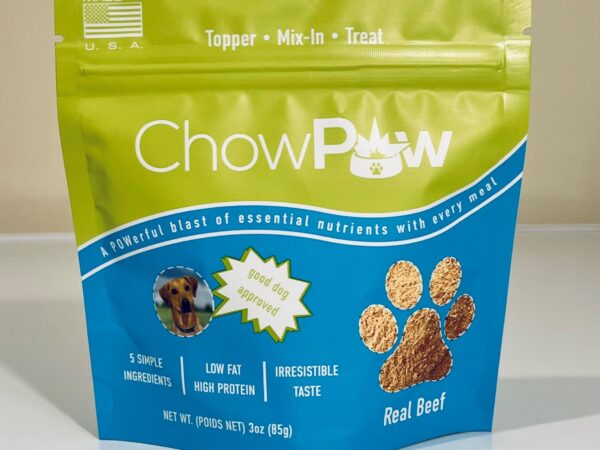 Dog Food Topper - Beef HeartOriginal price was: $14.99.$10.95Current price is: $10.95. - or subscribe and save up to 20%