

Dog Food Powder Supplement Guide to Boost Your Dog’s Health
You've probably stood in the kitchen with a bowl in one hand and a dog who's suddenly suspicious of dinner in the other. Maybe your senior dog sniffs the kibble and walks away, or your picky eater eats the first few bites and leaves the rest untouched. A dog food powder supplement can make that moment easier by adding smell, flavor, and nutrition to the meal you already feed, without turning dinner into a replacement diet.
The key idea is simple. A powder topper or supplement is meant to enhance a regular meal, not replace a complete and balanced one. That matters because the pet supplement market has grown into a multi-billion-dollar category, with one industry report estimating it at USD 2.50 billion in 2024 and projecting USD 4.11 billion by 2030 at a 6.34% CAGR from 2026 to 2034, which helps explain why powder formats are showing up more often in dog bowls today (Mordor Intelligence pet dietary supplements market).
Understanding Dog Food Powder Supplement Basics
The easiest way to think about a dog food powder supplement is as a nutritional booster that gets sprinkled onto food your dog already knows. If your dog eats kibble, wet food, or a home-cooked bowl, the powder sits on top and blends in, so the meal becomes more appealing without changing the whole routine. That's especially useful for dogs that hesitate at mealtime, because many owners don't need a new food, they need a way to make the current one more useful.
A good powder supplement is not a shortcut around balanced feeding. It's a support tool, and that distinction matters because dogs on complete diets already get their core nutrients from food. The pet supplement category has expanded because owners want easier ways to add value to meals, but the product still needs to be treated as an addition, not a stand-alone solution.
Practical rule: If your dog is already thriving on a complete diet, a powder may be optional. If appetite, recovery, or calorie-free nutrient support is the issue, it can be worth considering.
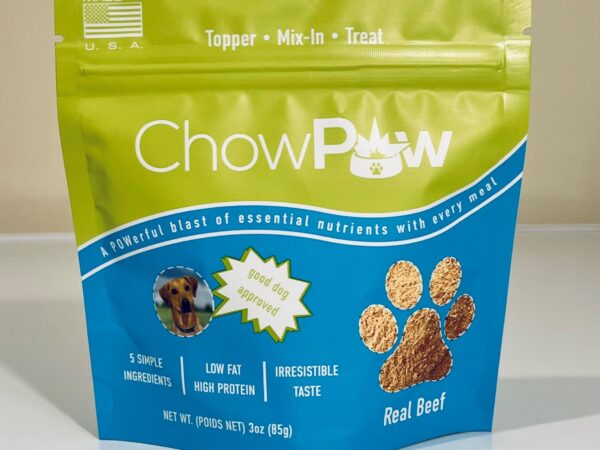
The biggest mental shift for pet parents is this, powder toppers are not “better food.” They're more like a finishing layer that helps a meal do a little more work. That's why products such as ChowPow are positioned as meal enhancers, not substitutes, and why the best use case is usually targeted, not constant.
Nutritional Profile and Common Ingredients of Powder Supplements

A useful way to read a powder label is to picture missing puzzle pieces. Your dog's base food supplies most of the picture, and the powder fills in gaps where the diet may be light on flavor, certain vitamins, minerals, or meal appeal. In veterinary nutrition products, that's often the point, nutrient density without changing the meal texture (Balance IT canine).
What the ingredients usually do
Dehydrated animal ingredients, like beef heart, are valued because they bring concentrated protein and naturally occurring amino acids. That matters for dogs that need a more enticing meal without adding a lot of bulk. Vitamins and minerals are the other major piece, since they help round out the diet when the base food or homemade meal needs reinforcement.
If a formula includes a simple produce blend, the goal is usually support rather than volume. Carrots and celery can fit into a short ingredient list that keeps the product readable, while apple cider vinegar is often included in small amounts for formulation purposes. A short, recognizable ingredient list is easier for owners to evaluate because there's less room for filler confusion.
This guide to choosing the best protein powder for dogs is useful if you're comparing powders by protein source, texture, and how well they mix into daily feeding.
Why nutrient gaps matter more than extra calories
The strongest powders don't try to make a bowl bigger, they try to make it more complete. That's especially important for dogs on home-prepared diets, because those meals can miss key nutrient targets if they aren't formulated carefully. In practice, a powder can work like a vitamin-mineral premix or amino acid booster, which is why it's often used as a targeted meal enhancer rather than a calorie-heavy topper.
One way to judge a formula is by asking what problem it solves. If the answer is “helps make food more complete” or “adds missing nutrients without changing the meal,” you're looking at the right kind of product. If the answer is mostly “tastes good,” it may still help with appetite, but it's not doing the same nutritional job.
Benefits of Dog Food Powder Supplements

The clearest benefit is simple. A powder can turn a half-finished meal into one your dog wants to eat. That helps picky eaters, but it also helps older dogs who get bored with the same bowl, dogs with weaker appetites, and dogs that need a more enticing texture after illness or stress. The veterinary literature also shows that supplementation is already familiar to many owners, with 52% of dogs reported to be receiving some kind of supplement, and the most common categories being omega-3 fatty acids and glucosamine (PMC veterinary nutrition review).
Mealtime, comfort, and recovery
Powders can support mealtime in a few practical ways. They make food smell stronger, which often matters more than people expect. They also let owners keep the original diet in place while changing only the top layer, so a dog with a sensitive routine doesn't have to learn a whole new food.
For senior dogs, softer feeding can be a real advantage. For dogs recovering from illness, a powder can help increase interest in a meal without forcing a larger kibble or a heavy wet-food change. That's useful because some dogs need more nutrient support, but not more bulk.
The dosing design matters too. Manufacturers commonly use body-weight-based serving sizes, such as 1 scoop per 20–30 lb, which helps reduce under- or over-supplementation and makes daily use easier to follow (Chewy example powder supplement).
A powder works best when the problem is meal acceptance or nutrient support, not when you're trying to replace the whole diet.
If you're reading ingredient panels for a product like ChowPow, the dehydrated beef heart base is doing the heavy lifting for protein and amino acids, while the supporting ingredients help keep the formula simple and food-like instead of pill-like.
Quality Indicators and Lab Testing for Powder Supplements
A good label starts with transparency. You want to know what's in the bag, where it came from, and whether the company is willing to stand behind the formula with meaningful quality checks. That matters because the supplement world is uneven, and AVMA has warned that many pet supplements fail quality tests for potency and contaminants, which is exactly why buyers should look past pretty packaging and check for real quality signals (AVMA guidance discussed in the brief).
What to look for on the label
Start with the ingredient list. Shorter is often easier to evaluate, but only if the ingredients make sense for a dog's diet. If the label shows recognizable animal ingredients, a clear source of vitamins and minerals, and no need for vague filler language, that's a good sign.
AAFCO-aligned guidance also matters because supplements should sit beside a regular diet, not replace it. If a product claims to be a topper or supplement, it should behave like one, meaning clear serving directions, age guidance, and storage instructions. For a practical example of how freshness and ingredient handling are often discussed in this category, see ChowPow's freshness and meat powder FAQ guide.
Which signals are useful and which aren't
“Small-batch” and “locally sourced” can be helpful clues, but they're not proof of safety by themselves. The stronger signs are straightforward feeding directions, transparent sourcing, and a product that explains how it fits into a complete diet. If a company shows lab testing or quality certification, that's more useful than generic marketing language because it gives the buyer something concrete to evaluate.
A simple way to shop is to ask three questions. Does the formula clearly say what it's for, does the company explain how much to feed, and does the product fit into regular feeding without pretending to be a full meal? If the answers are yes, the product is easier to trust.
Practical Usage and Dosing for Different Dogs

The safest way to start is with the label, then the dog, then the bowl. Powder supplements are usually made to be mixed into food, and the useful part is that the powder gives you control over how much your dog gets. One example from NaturVet's powder supplement uses a simple weight schedule, 1 teaspoon for dogs up to 30 lb, 2 teaspoons for 31–50 lb, 3 teaspoons for 51–75 lb, and 4 teaspoons for 76 lb and over, and states the product is for dogs and cats over 12 weeks old (NaturVet powder supplement).
How to mix it into daily meals
For kibble, sprinkle the powder over the top and add a small amount of warm water if your dog benefits from stronger aroma. For wet food, stir it in until the color and texture look even. For picky eaters, start with the smallest useful amount and let the dog learn that the bowl still tastes familiar.
If your dog is a grazer, split the dose across meals. That can be easier on the stomach and makes it less likely that all the supplement ends up in one ignored bowl. If your dog is recovering and the goal is to make meals more appealing, a little moisture can help the powder cling to the food instead of falling to the bottom.
What to do for different feeding situations
Puppies need extra caution because they're still developing, and many supplements are only labeled for older puppies or adult dogs. Adults usually follow the label most closely, especially if they're on a stable diet. Seniors often benefit from softening the food a bit so chewing feels easier and the meal smells stronger.
If you're hiding medication, mix the powder with a small portion of food first, then give the rest of the meal after your dog finishes that part. That way, you're not wasting the supplement on a bowl your dog leaves behind. If hydration is part of the goal, dissolving the powder in water can make the bowl more attractive and encourage licking or drinking.
You can also use a ready-made topper, including a product like ChowPow, when you need a meal enhancer that mixes into regular food rather than replacing it.
A useful habit is to stay consistent for several days before judging whether the powder is helping. Dogs don't always respond to a new topper in one meal, and owners often get a better read when the routine is steady.
Comparing Powder Supplements to Other Toppers and Supplements
Powders sit in a very specific middle ground. They're more flexible than chews, usually easier to portion than wet toppers, and often simpler to blend into daily meals than liquid add-ons. They're also not the answer for every dog, which is why the decision should depend on the problem you're trying to solve, not just the format that sounds convenient.
If your dog needs precise dosing, powders usually win. If your dog mainly needs taste appeal, a wet topper might be enough. If the goal is joint support or a treat-like format, chews can be easier to remember, even if they're less precise.
| Format | Ease of Dosing | Nutrient Density | Use Cases |
|---|---|---|---|
| Powder supplement | High, because serving sizes are often weight-based | Often high for the amount used | Picky eaters, meal enhancement, controlled feeding |
| Wet topper | Moderate, since portions can be less exact | Can add flavor and moisture, but varies | Appetite stimulation, texture change |
| Chewable supplement | High for convenience, lower for meal mixing | Depends on the chew formula | Daily wellness support, joint support |
| Bone broth powder | High, but often used for palatability | Usually more limited nutritionally | Flavor boost, meal encouragement |
For owners comparing more specialized options, a specialized pet product consultancy can be useful if you're sorting through ingredient quality, packaging claims, and format tradeoffs across multiple products. That kind of review is especially helpful when you're deciding whether a powder, chew, or topper best fits your feeding routine.
The core point is that powders excel when you want one product to be mixed into normal meals without changing the whole diet. Wet toppers are better when moisture or texture matters most. Chews are better when you want convenience over mixing precision. The format should match the feeding problem, not the other way around.
More on how dehydrated toppers fit into routine feeding is covered here.
Conclusion and Best Practices for Supplement Use
A dog food powder supplement makes the most sense when it improves a meal your dog is already eating. That means using it as a support tool for picky phases, soft-food transitions, recovery, or nutrition gaps, not as a replacement for a complete diet. Pet owners should keep that line clear, because balanced food remains the foundation and the powder is the helper.
Before starting any supplement, talk with your veterinarian, especially if your dog has health issues, takes medication, or already eats a carefully managed diet. AAFCO also advises owners to discuss supplements with a vet, follow the prescribed dosage, and stick to the label directions (AAFCO supplements guidance). PetMD also warns against giving human supplements to dogs, since dosage ranges and reactions can differ in ways that create risk (PetMD dog supplements guide).
Storage matters too. Keep the bag sealed, cool, and dry, and don't let moisture or heat get into the container. That protects freshness and helps you notice changes in smell, texture, or appearance before they reach the bowl. If you're weighing a subscription or recurring delivery model, this overview of how companies use subscription models is useful for understanding why many pet brands build repeat-purchase systems around routine feeding products.
The best supplement decisions are simple ones. Use a powder when the meal needs a boost, skip it when the dog is already doing well on a complete diet, and keep the routine easy enough that you can follow it every day.
Frequently Asked Questions About Powder Supplements
Can puppies under 12 weeks use a powder supplement? Not unless the product label clearly says so and your veterinarian agrees. Many formulas are intended for older puppies or adults, and the safest choice is to wait until the dog is old enough for the specific product.
How long will a bag last? That depends entirely on the serving size and your dog's weight. The best way to estimate it is to check the label, calculate the daily amount, and divide the package size by the daily use.
What's the shelf life after opening? Follow the manufacturer's storage guidance and check for changes in smell, clumping, or discoloration. A sealed, dry, cool container will usually keep longer than a bag that's left open or exposed to humidity.
Should you skip toppers if your dog already eats a complete diet? Usually, yes, unless you have a clear reason like appetite support, recovery, or targeted nutrient help. If the food is already AAFCO-complete and your dog is healthy, a powder may be unnecessary.
A CTA for ChowPow.
-
Product on sale
 Dog Food Topper - Beef HeartOriginal price was: $14.99.$10.95Current price is: $10.95. - or subscribe and save up to 20%