
Dog Liver Disease Explained: Vet Tips for Home Care
A lot of dog owners land here after noticing the same unsettling pattern. Their dog still wags at dinner time, but then stares at the bowl. Maybe he picks at kibble, drinks a little more water than usual, and seems slower getting up from the rug. It's easy to call that aging, picky eating, or a bad day.
That's also how dog liver disease can slip under the radar.
A middle-aged Labrador who seems “just off” may not look seriously ill. He may only show a smaller appetite, a duller mood, or mild thirst changes. Those are easy signs to miss because they don't look dramatic. But the liver handles nutrient processing, toxin filtering, and bile production. When it starts struggling, small daily changes often show up before a crisis does.
Introduction to Dog Liver Disease
A dog with liver trouble doesn't always look obviously sick at first. Many pet parents first notice a slower walk to the food bowl, less excitement about meals, or more naps during the day. Those changes can seem minor, especially in older dogs.

The tricky part is that the liver is a quiet worker. It keeps doing many of its jobs even while damage is building. That means owners often see vague signs first, not a dramatic emergency. A dog may eat less, act withdrawn, or seem thirsty before anyone suspects the liver.
Practical rule: If your dog's appetite, water intake, or energy changes for more than a brief blip, it's worth treating that as medical information, not just a personality change.
Liver problems range from reversible irritation to serious chronic disease. Some dogs improve with prompt treatment and diet changes. Others need more testing to find inflammation, toxin injury, abnormal bile flow, or tumors.
Why owners get confused
The biggest source of confusion is that liver disease signs overlap with many other problems. A picky eater could have dental pain. A tired senior could have arthritis. A thirsty dog could have endocrine disease. That's why liver disease is rarely diagnosed from symptoms alone.
What helps most
Owners do best when they think in steps:
- Notice patterns: appetite, thirst, vomiting, stool changes, mood
- Get testing early: bloodwork often catches problems before symptoms become severe
- Follow the exact plan: liver cases need targeted nutrition and follow-up, not guesswork
Understanding Dog Liver Disease Causes and Types
The liver works like a factory with several departments running at once. One area processes nutrients from food. Another filters harmful substances. Another helps make bile so fats can be digested. If one department slows down, the whole system feels it.
That's why dog liver disease isn't one single illness. It's a broad label for several different problems that affect the same organ in different ways.

In one retrospective histopathological survey in Japan, microsomal vacuolar degeneration accounted for 29.4% of canine liver disease cases, followed by hepatitis at 23.5% and primary hepatic tumors at 21.0% according to this canine liver pathology survey. That tells us an important point. Not every liver diagnosis is infection or cancer. Degenerative change can be a major part of the picture.
Main categories owners should know
Vacuolar or degenerative change: This means liver cells develop abnormal internal changes. Some dogs have this with hormone-related issues, medication effects, or chronic stress on the liver. It may look mild on the surface but still needs interpretation by a veterinarian.
Hepatitis and biliary inflammation: Hepatitis means liver inflammation. Cholangitis and cholangiohepatitis involve the bile ducts and nearby liver tissue. If your veterinarian mentions those terms, this guide to cholangiohepatitis in dogs can help you understand the anatomy.
Fatty change and metabolic injury: Some dogs accumulate fat or glycogen within liver cells. These changes may be reversible if the underlying trigger is addressed early.
Congenital or vascular disorders: Some dogs are born with abnormal blood flow involving the liver. These cases often need more advanced diagnostics because the problem isn't only inflammation. It's how blood reaches or bypasses the liver.
Toxin-related injury: The liver processes many harmful substances, so poisoning can cause sudden and severe damage.
Tumors: Liver masses may be benign or malignant. Imaging and sometimes biopsy are needed to sort that out.
Why naming the type matters
A liver problem caused by copper accumulation, bile duct injury, infection, toxin exposure, or a tumor won't be treated the same way. Two dogs can both have “high liver values” and need completely different care.
A liver diagnosis is less like hearing “stomach upset” and more like hearing “engine trouble.” You need to know which part failed before you can fix it.
Recognizing Signs and Symptoms of Liver Disease
The earliest signs of liver disease are often the least dramatic. A dog may still go for walks and still greet you at the door. But he may leave food behind, seem mildly unsettled at night, or ask for water more often.
Early indicators often include mild increased thirst and subtle behavioral shifts, as noted in this liver disease overview for dog owners. That's where many owners second-guess themselves. They wonder if it's age, weather, or fussiness.

A senior Labrador is a good example. He may not collapse or turn yellow right away. He may just stop finishing breakfast, nap longer, and act less interested in family routines. A blood panel done for “not quite himself” may catch the problem before an emergency develops.
A practical symptom checklist
Subtle changes
- Thirst shifts: drinking a bit more than normal
- Appetite drift: slower eating, leaving kibble behind, refusing dry food
- Energy drop: less interest in walks or play
- Behavior changes: mild confusion, clinginess, irritability, or seeming “off”
A short visual guide can help you compare early and advanced signs at a glance.
More advanced warning signs
- Vomiting or diarrhea
- Weight loss
- Dark urine
- Abdominal swelling
- Jaundice, which means a yellow tint to the eyes, gums, or skin
- Disorientation or seizures
Aging or illness
Normal aging usually looks gradual and consistent. Disease often looks like a change from that dog's personal baseline. If your dog has a sudden appetite change, odd lethargy, or visible yellowing, don't file it under “getting older.”
For owners dealing with visible yellow discoloration or lab work showing bilirubin concerns, this resource on support for dogs with high bilirubin can help frame what those findings may mean and when extra support is needed.
Diagnostic Steps for Dog Liver Disease
When veterinarians investigate dog liver disease, they aren't looking at one test in isolation. They build a puzzle from lab work, urine findings, imaging, and sometimes tissue samples. That's how they tell the difference between inflammation, cholestasis, tumor, toxin injury, and chronic structural disease.
One marker deserves special attention. Increased serum gamma-glutamyl transferase, or GGT, is the most significant independent risk factor for two-year mortality in dogs with hepatobiliary disease, reflecting bile duct injury and cholestasis, according to this study on canine hepatobiliary prognosis.
What your vet is trying to answer
Your veterinarian usually wants to sort out three questions:
- Is the liver injured
- Is the liver still functioning well enough
- What is causing the problem
Diagnostic tests and their indicators
| Test | What It Shows |
|---|---|
| CBC | Looks for changes in red cells, white cells, and platelets that may support inflammation, infection, bleeding risk, or systemic illness |
| Chemistry panel | Reviews liver-associated values such as ALT, AST, ALP, bilirubin, proteins, glucose, and other markers that help assess liver injury and function |
| GGT | Helps identify bile duct injury and cholestasis, and carries important prognostic weight in hepatobiliary disease |
| Urinalysis | Can show bilirubin in urine, urine concentration, and other clues that support the broader picture |
| Ultrasound | Helps visualize liver size, texture, gallbladder changes, masses, bile duct issues, and abdominal fluid |
| X-ray | Gives a broader look at liver size and abdominal shape, though it is less detailed than ultrasound for soft tissue changes |
| Biopsy | Provides tissue-level diagnosis and helps confirm inflammation, fibrosis, copper-related change, degenerative disease, or neoplasia |
Why the workup may take more than one visit
Bloodwork can tell your vet that the liver is stressed. It usually can't tell the full story by itself. Ultrasound may reveal whether there's a mass, sludge, bile duct concern, or diffuse change. Biopsy can answer the “what exactly is this” question when treatment decisions depend on precision.
If your vet recommends imaging after abnormal bloodwork, that isn't duplication. It's the next step in finding the cause rather than just naming the organ involved.
Treatment Options and Supportive Care
Treatment depends on the type of liver disease, how advanced it is, and whether the problem is sudden or long-standing. Some dogs need short-term stabilization after toxin exposure. Others need months or years of management for chronic hepatitis or copper-related disease.
A key pillar is nutrition. Therapeutic dietary management for chronic liver disease requires high-quality carbohydrates, moderate protein, and critically low copper levels to prevent further hepatocellular necrosis, supported by WSAVA guidance as summarized in this review of liver-supportive nutrition.
Medical treatment
For many chronic cases, veterinarians use SAMe and silibinin or silymarin as liver-supportive supplements. These are often paired with medications aimed at the underlying problem, such as anti-inflammatory therapy, anti-nausea drugs, bile support, or antibiotics when infection is suspected.
Fluid therapy is common in dogs who are dehydrated, vomiting, or acutely ill. Hospital care may also include medications to control nausea, protect the stomach, and support blood sugar stability.
Surgical treatment
Some liver disorders aren't solved with pills alone.
- Shunt-related disease: may need surgical correction or interventional management
- Tumors or focal masses: may require surgical removal if the location and patient condition allow
- Obstructive biliary problems: can sometimes call for procedural or surgical intervention
Surgery is never a blanket answer. The decision depends on imaging findings, overall stability, and the exact diagnosis.
Diet is treatment, not a side note
Owners sometimes think of diet as “supportive” and medication as the primary treatment. In liver medicine, diet often is part of the treatment itself.
A liver-supportive diet generally aims to provide:
- High-quality carbohydrates for accessible energy
- Moderate protein rather than extreme excess
- Low copper to reduce further stress in vulnerable dogs
- Digestible ingredients that are easier on a compromised system
Some dogs with advanced disease need tighter protein control, especially if hepatic encephalopathy is a concern. Others do poorly if protein is cut too aggressively. That's why liver nutrition should be customized, not copied from a generic internet list.
Two different examples
A dog with chronic hepatitis may need long-term nutrition changes, liver-supportive supplements, repeat bloodwork, and close monitoring for progression.
A dog with acute toxin exposure may need immediate hospitalization, aggressive fluids, anti-nausea support, and rapid removal of the toxic source. Once stabilized, the diet plan may look very different from the chronic hepatitis patient.
Treatment works best when the plan matches the diagnosis, not just the symptom of “not eating well.”
Home Care Strategies and Nutritional Guidance
Home care matters because the liver doesn't heal on your schedule. Recovery and management happen over days, weeks, and sometimes much longer. The owners who help most are the ones who track small changes consistently.
That starts with routine observation. Keep a simple note on appetite, water intake, stool quality, vomiting, and attitude. You don't need fancy software. A phone note is enough if you update it consistently.
Daily home habits that help
- Measure trends: notice whether your dog is eating less, drinking more, or tiring sooner
- Keep meals predictable: regular timing helps you spot appetite changes faster
- Use gentle activity: short walks and light movement are usually better than hard exertion in a tired dog
- Watch hydration: dogs with poor appetite often take in less moisture overall
Some owners improve hydration by adding a small amount of water to meals or offering water-rich food options approved by their vet. If your dog is recovering from illness and you're also building a home first-aid kit, it can help to save practical guides on unrelated basics too, such as what to do for cat cuts, because households with multiple pets often need simple care references in one place.
Protein quality matters more than owners often hear
A common mistake is assuming every dog with liver disease should get as little protein as possible. That's too simplistic. High-protein appetite boosters like dehydrated beef heart benefit dogs with early-stage or stable liver disease by preventing muscle wasting, as discussed in this overview of canine liver disease nutrition.
That doesn't mean every liver patient should get the same topper or the same amount. It means stage matters.
How to think about toppers and meal enhancement
For a dog in an early-stage or stable phase who's losing interest in kibble, a nutrient-dense topper may help improve food acceptance and maintain lean body condition. The key is to think of a topper as a meal enhancement, not a replacement for the core diet.
That distinction matters. A topper can improve palatability and boost nutritional density. It should still fit the veterinarian's broader plan, especially if copper restriction or protein adjustment is part of the case. If you're comparing options, this guide to the best dog food for liver disease can help you think through the bigger diet picture.
Questions to ask your vet before adding anything
- Is my dog early-stage, stable, advanced, or in liver failure
- Do we need copper restriction right now
- Is this a case where higher-quality protein helps, or one where restriction matters more
- Would SAMe or silymarin fit this plan
- Should I use a topper dry, moistened, or mixed into meals
Home care works best when it supports veterinary treatment instead of improvising around it.
When to Seek Urgent Veterinary Attention
Many owners wait too long because the first signs were subtle. Then they keep waiting after the signs stop being subtle. That's the dangerous point.
Jaundice combined with extreme vomiting, confusion, or seizures requires immediate emergency veterinary care and avoidance of human medications like acetaminophen, which can worsen liver damage, according to the Merck Veterinary Manual guidance for dog owners.
Do not watch and wait with these signs
- Yellow eyes, gums, or skin
- Repeated vomiting
- Severe weakness or collapse
- Disorientation
- Seizures
- A dog who won't eat and seems dehydrated
If you're unsure whether your dog is also becoming dry or depleted, these signs of dehydration in dogs can help you recognize another layer of urgency.
One common mistake
Owners often think, “He's tired, but he's still walking, so I'll give it a day.” That logic breaks down when jaundice, neurologic signs, or severe vomiting are present. Those are not signs for home monitoring. Those are signs to call an emergency clinic now.
Conclusion and Key Takeaways
Dog liver disease can develop subtly. A dog may initially seem picky, slower, or thirstier before anything dramatic appears. That's why owners help most when they notice patterns early and bring those changes to their veterinarian.
Diagnosis works best when symptoms, bloodwork, urine testing, imaging, and sometimes biopsy are used together. Treatment also works best when it matches the cause. Some dogs need urgent stabilization. Others need long-term nutrition changes, supplements, and careful monitoring.
At home, your job is steady observation, consistent feeding habits, and following the plan your veterinarian gives you. If your dog needs diet support, remember that a meal enhancer or topper should complement a prescribed food plan, not replace it.
The good news is that informed owners often catch problems sooner. That gives dogs a better chance at comfort, stability, and a stronger quality of life.
If your dog is eating less, turning away from kibble, or needs a more tempting meal during recovery, ChowPow can be a practical way to boost the nutritional value and appeal of your dog's current food. It's a dehydrated beef heart meal enhancer, not a replacement for your dog's kibble, so you can use it to support appetite and mealtime interest while keeping the base diet your veterinarian recommends.
-
Product on sale
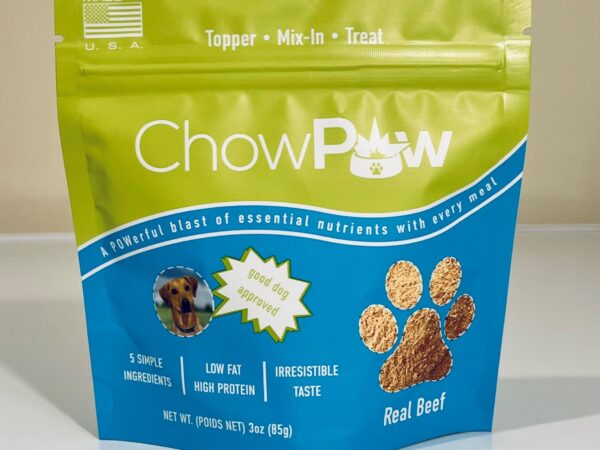 Dog Food Topper - Beef HeartOriginal price was: $14.99.$10.95Current price is: $10.95. - or subscribe and save up to 20%