Dog Won’t Eat After Surgery? Tips to Help Your Dog Eat Again
It’s a huge relief to bring your dog home after surgery, but it can be incredibly unsettling when they turn their nose up at their food bowl. It’s completely normal to worry, but take a deep breath—this is a very common reaction.
Most dogs will regain their appetite within a day or so as they start to feel better. The combination of medical after-effects and emotional stress is often enough to put any dog off their food for a little while.
Understanding Why Your Dog Isn’t Eating After Surgery
Let’s get into what’s really going on. Your dog isn’t being stubborn; their body and mind are simply overwhelmed from the experience. Seeing them refuse a meal is tough, but understanding the root cause is the first step toward helping them.
Several key factors are usually at play here. Anesthesia, while absolutely necessary, can leave a dog feeling groggy, disoriented, and even nauseous for up to 48 hours. Just that woozy, seasick feeling is enough to make their favorite dinner seem completely unappealing.
Common Reasons for Post-Surgery Appetite Loss
Beyond the lingering effects of anesthesia, other elements are contributing to this temporary hunger strike. Discomfort from an incision site or general internal soreness can make the simple act of standing and eating a painful ordeal.
Plus, the very medications prescribed to manage pain and prevent infection, while crucial, can sometimes cause mild stomach upset as a side effect. It’s a bit of a catch-22.
A quick look at the usual suspects can help you pinpoint what might be bothering your pup.
Common Reasons for Appetite Loss After Surgery
| Reason | What It Means for Your Dog |
|---|---|
| Anesthesia Effects | Your dog may feel nauseous, groggy, or disoriented for up to 48 hours, making food seem unappealing. |
| Pain & Discomfort | The incision site hurts. Bending down to a food bowl or just standing can be too painful right now. |
| Medication Side Effects | Pain relievers and antibiotics are vital for healing but can sometimes cause an upset stomach or reduce appetite. |
| Stress & Anxiety | A vet visit, surgery, and strange smells are stressful. This anxiety can linger at home and directly suppress their hunger. |
| Dietary Changes | Your vet may have prescribed a new recovery diet that your dog finds unfamiliar or unpalatable. |
It’s also really important not to underestimate the emotional toll. A trip to the vet for surgery is a stressful event. The strange environment, unfamiliar smells, and being separated from you can create anxiety that sticks around even after they’re back in their own bed. This stress alone can shut down their appetite.
Key Takeaway: A temporary refusal to eat after surgery is often a normal response to anesthesia, pain, medication, and stress. Patience and gentle encouragement are your best tools in these early stages.
Post-op appetite loss is so common that it’s a standard part of every vet’s aftercare discussion. While it’s usually temporary, you do need to monitor the situation. If your dog refuses all food for more than 12 to 24 hours, it’s time to call your veterinarian. Prolonged disinterest can sometimes signal an underlying complication that needs attention. For more great info, you can discover insights about dog surgery aftercare on PetMD.com.
Recognizing these factors helps you see the situation from your dog’s perspective. This is where nutrient-rich, highly palatable food can make a huge difference, tempting their senses and providing the easy-to-digest fuel their body desperately needs to start healing.
Understanding the Causes of Post-Op Appetite Loss
To really help your dog through recovery, it helps to understand what’s going on from their perspective. A dog refusing to eat isn’t being stubborn—it’s a very real response to a massive physical and emotional event. Pinpointing the specific reason for their lost appetite is the first step toward offering compassionate, effective care.
One of the most common culprits is the anesthesia itself. While these drugs are essential for a pain-free surgery, they can leave your dog feeling nauseous, groggy, and just plain off for up to 48 hours. Think about how you might feel after a medical procedure; food is probably the last thing on your mind.
The Impact of Pain and Medication
Once the anesthesia starts to wear off, your dog is left to deal with the physical reality of their procedure. Pain is a huge appetite killer. The discomfort from their incision can make it difficult to stand up, bend down to their food bowl, or even just move comfortably. If it hurts to eat, a dog will simply choose not to.
On top of that, the very medications meant to bring them comfort can have their own side effects. Pain meds, while absolutely necessary, can sometimes cause an upset stomach or dampen their appetite. It creates a tricky situation where the medicine helps the pain but might be making them feel queasy. This is why it’s so important to get a handle on their comfort level. Learning how to tell if your dog is in pain with this helpful checklist can give you some much-needed clarity.
Emotional and Environmental Stressors
Never underestimate the emotional side of things. A trip to the vet clinic is a sensory overload of strange sights, sounds, and smells. Being separated from you in that environment is stressful, and that anxiety doesn’t just switch off the moment they walk back through your door.
This stress often shows up at mealtime:
- Anxiety Kills Appetite: Just like with people, high levels of stress or anxiety can make a dog completely lose interest in food.
- Feeling Unsafe: They might feel too vulnerable or on edge to relax enough to eat, even in their usual spot.
- Lingering Scents: The smell of the clinic might still be on their fur, which can be unsettling and distracting enough to put them off their food.
You might see your dog walk over to their bowl, sniff it cautiously, and then turn away. This isn’t defiance. It’s their way of telling you that they just don’t feel right yet, whether physically or emotionally. Once you understand this, you can stop worrying and start providing gentle, proactive support.
Gentle Techniques to Encourage Your Dog to Eat
Seeing your dog turn their nose up at food after surgery is nerve-wracking for any owner. Your first instinct might be to panic, but forcing them to eat is never the answer. Instead, a little gentle persuasion and a calm environment can make all the difference. Patience is your best friend here as you help your dog feel comfortable enough to eat again.
A dog’s world revolves around their sense of smell, and that’s what drives their appetite. Anesthesia can dull their senses for a bit, so the secret is to make their food more aromatic. A fantastic first step is simply warming their meal slightly—just a few seconds in the microwave is plenty—to release its scent and make it way more appealing.
This one simple trick is often enough to get their attention when they would have otherwise ignored their bowl.
Creating a Soothing Mealtime Experience
Think about where your dog eats. A busy, loud kitchen can feel overwhelming, especially when they’re already feeling sore and anxious. Your goal is to create a peaceful, safe space for them to eat.
- Find a Quiet Corner: Try moving their food and water bowls to a low-traffic part of the house, away from the chaos of family foot traffic and loud noises. A quiet spot gives them a sense of security.
- Offer by Hand: Sometimes, the comfort of your presence is the best medicine. See if they’ll take a tiny, pea-sized bite from your hand. This reassures them that the food is safe and that you’re there for them.
- Stay Calm: Dogs are experts at reading our emotions. If you’re stressed, they’ll be stressed. Approach mealtime with a calm, patient, and positive vibe to help them relax.
These small changes can transform feeding time from a stressful event into a moment of comfort, which is exactly what a recovering dog needs.
The Power of Palatability
When a dog’s appetite is MIA, the texture and flavor of their food become more important than ever. Chewing hard kibble can be a painful chore if they have a sore mouth or throat, leading them to refuse it altogether. This is where a highly palatable, nutrient-rich food can be a total game-changer.
For a reluctant eater, the right food isn’t just about nutrition—it’s about temptation. A soft texture and an irresistible aroma can overcome their post-surgical hesitation and make them want to eat again.
This is precisely why we developed ChowPow. Its soft, easy-to-chew texture is perfect for a dog with a sore mouth, requiring almost no effort to eat. More importantly, its rich beef heart flavor is designed to tempt even the pickiest eaters. We chose beef heart because it’s not only delicious to dogs but also packed with the essential nutrients their bodies need for a speedy recovery.
Sprinkling it over their regular food enhances the aroma and taste, turning a bland recovery diet into something they might actually look forward to. For even more ideas, check out our guide on the best dog food toppers for picky eaters to see how you can boost their meal. Using a topper like ChowPow can help make mealtime a positive experience again, all while delivering the critical nutrients they need to heal—without a fight.
Fueling Their Recovery with the Right Nutrition
Watching your dog come home after surgery can be tough. They’re groggy, sore, and often have zero interest in their food bowl. But while they’re resting, their body is in overdrive, working hard to heal. That healing process is incredibly demanding, burning a ton of energy and requiring a very specific set of nutritional tools to repair tissue and get them back on their paws.
This is where their diet becomes absolutely critical. A dog’s nutritional needs after an operation are way higher than usual. It’s not just about getting calories in; it’s about giving them the right kind of fuel that actively helps them mend from the inside out.
Why Quality Protein Is a Must
If there’s one nutrient you need to focus on for post-op recovery, it’s high-quality, easily digestible protein. Think of it as the construction crew for your dog’s body. Protein is made up of amino acids, which are the literal building blocks needed to patch up tissues, rebuild muscle, and create healthy new cells at the incision site.
Without enough protein, the whole healing process can grind to a halt, leaving your dog more vulnerable to complications. A diet packed with bioavailable protein ensures their body has all the raw materials it needs to get the job done right.
The Recovery All-Stars Beyond Protein
While protein is the foundation, a few other key nutrients are the all-stars of a smooth recovery. One of the biggest hurdles we see is when a dog just won’t eat, which creates a negative energy balance and slams the brakes on healing.
Research has shown that targeted supplemental nutrients can make a huge difference. Heavy hitters like arginine, glutamine, omega-3 fatty acids, and prebiotics can actually help shorten recovery time and get your dog feeling better, faster. You can dig deeper into the science behind these nutritional powerhouses to see just how much impact they can have.
This infographic breaks down how these key players work together.
As you can see, a solid recovery plan is about much more than just filling their bowl.
This is exactly why we created ChowPow. It’s not just a tasty topper; it’s a recovery toolkit in a bag. We use nutrient-dense beef heart because it naturally delivers:
- Essential Amino Acids: The high-quality protein needed for rapid tissue and muscle repair.
- Omega-3 Fatty Acids: Well-known for their natural anti-inflammatory properties, which can help soothe swelling and discomfort around the surgical site.
- Prebiotics: To support a healthy gut—something that’s vital for absorbing all those nutrients and keeping their immune system strong when they need it most.
By adding a sprinkle of ChowPow, you’re not just tempting a picky appetite. You’re delivering a concentrated dose of the very nutrients their body is screaming for to heal properly.
This approach gives you peace of mind, knowing every single bite is actively helping them get better. If you’re curious about when a supplement might be necessary, check out our guide on the signs that your dog needs a meal supplement. Giving them this kind of targeted support is one of the best things you can do during this critical time.
When to Call Your Veterinarian for Guidance
A short-term hunger strike is often part of the recovery process, but it’s crucial to know the difference between a normal post-op hiccup and a potential complication. In the days following surgery, your role as your dog’s advocate is more important than ever. Trust your gut—if something feels off, it probably is.
Knowing the red flags can help you act fast and keep a small issue from snowballing into a serious problem. You are your dog’s first line of defense, and your observations are invaluable to your vet.
Clear Signs That Require a Vet Call
Don’t hesitate to pick up the phone if you see any of the following symptoms. It’s always better to be safe and get professional advice.
- Refusing all food for more than 24 hours: While a day of disinterest is common, a full 24-hour refusal to eat anything—especially when paired with other symptoms—warrants a call.
- Repeated vomiting or diarrhea: A single upset stomach could just be the anesthesia wearing off. But if the vomiting or diarrhea is persistent, it can lead to dehydration and may signal a more serious issue.
- Extreme lethargy: Your dog will be tired, that’s a given. But if they seem unusually listless, weak, or unresponsive to you, it’s a cause for concern.
- Signs of increasing pain: Watch for constant whining, trembling, restlessness, or guarding the surgical site. Pain that seems to be getting worse instead of better is a definite red flag.
These signs are your cue that your dog needs professional medical attention to make sure their recovery stays on the right path. Your vet is your partner in this and wants to hear from you if you have concerns.
The Importance of Early Intervention
Ignoring a prolonged loss of appetite can have serious consequences. When a dog doesn’t eat, their body flips into a negative energy balance, which can slow down healing and weaken their immune system precisely when they need it most.
Research on hospitalized dogs revealed that a staggering 84% failed to eat even a quarter of their daily energy needs, a problem strongly linked to increased mortality rates. Getting nutrition into their system early is key to restoring gut function and improving outcomes.
This is where a highly palatable food like ChowPow can be a huge help. Its irresistible aroma can tempt a reluctant eater, ensuring they get the critical nutrients needed for healing.
Still, it’s a tool to support recovery, not a replacement for veterinary care when signs of complications appear. You can learn more about the findings on post-operative feeding to understand just how vital nutrition is.
Remember, our guidance is here to empower you, but it never replaces the professional expertise of your veterinarian. Making that call is the responsible and loving thing to do when your dog’s recovery seems to be veering off course.
Answering Your Post-Surgery Feeding Questions
Bringing your dog home after surgery is a relief, but it can also be a little nerve-wracking. New questions always seem to pop up, especially if your dog is turning their nose up at their food bowl. Let’s tackle some of the most common concerns we hear from pet owners to give you some extra peace of mind while your best friend heals.
How Long Can a Dog Go Without Eating After Surgery?
It’s completely normal for a dog to have a poor appetite for the first 24 hours after they get home. Think about it—they’re still shaking off the anesthesia, they’re probably a bit sore, and the whole experience is stressful. All of this can make them feel nauseous and just not interested in food.
Most dogs start to show some interest in eating again within a day or so. However, if your dog goes more than 24 hours without eating anything at all, it’s time to give your vet a call. A short-term hunger strike is one thing, but a prolonged refusal to eat could signal something else is going on.
What If My Dog Throws Up After Eating?
Seeing your dog vomit can be alarming, but a single episode isn’t necessarily a cause for panic. Their stomach is likely still sensitive from the anesthesia and pain meds.
If this happens, take away their food for a few hours to let their stomach settle. When you try feeding them again, start small. Offer just a tiny amount of something bland and easy to digest, like plain boiled chicken with white rice. A gentle food topper like ChowPow mixed with a bit of water can also work well here.
If the vomiting continues, or if you notice other signs like severe tiredness or diarrhea, don’t wait. Call your vet right away.
Can I Use Human Food to Tempt My Dog?
It’s tempting to offer a slice of cheese or a spoonful of ice cream, but it’s best to steer clear. Rich, fatty human foods can be a fast track to pancreatitis—a very painful and serious inflammation of the pancreas, which is the last thing a recovering dog needs.
Instead, stick with simple, vet-approved options. A few safe bets to try in small quantities are:
- Plain, boiled chicken: Unseasoned and shredded.
- 100% pumpkin purée: Make absolutely sure it’s not the sugary pie filling.
- Bone broth: Only use low-sodium versions that are free of onions and garlic.
The idea is just to get their appetite going without causing more tummy trouble. Always introduce any new food slowly and in very small amounts to see how they handle it. You want to solve a problem, not create a new one.
My Dog Won’t Eat Treats—How Do I Hide Their Pills?
This is a tough one. Their medication is critical for recovery, but what do you do when they refuse pill pockets and their favorite treats? This is where a good food topper can be your secret weapon.
Try mixing the medication into a small amount of a highly aromatic powder like ChowPow. The strong, meaty smell is fantastic for masking the scent of the medicine, making it much harder for your dog to sniff out the pill. You can even mix the powder with a tiny bit of water to create a paste to wrap around the pill.
At ChowPow, we understand that your top priority is helping your dog get back on their paws. Our nutrient-dense, irresistibly tasty beef heart topper is made to tempt even the pickiest post-op eaters, giving their body the fuel it needs to heal right. Give them the nutritional boost they deserve and learn more at https://chowpownow.com.
-
Product on sale
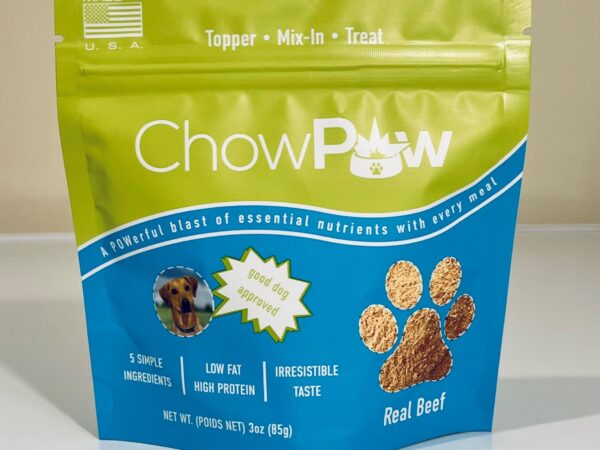 Dog Food Topper - Beef HeartOriginal price was: $14.99.$10.95Current price is: $10.95. - or subscribe and save up to 20%