
How to Hydrate a Sick Dog: Expert Tips for Quick Recovery
When your dog is sick, figuring out how to keep them hydrated is one of the most important things you can do for their recovery. The easiest approach is to make sure fresh, clean water is always available. But let’s be real—a sick pup often turns their nose up at plain water. This is where you can get creative with more enticing options, like a warm, savory broth or even simple ice chips.
Keep in mind that a sick dog’s need for fluids can skyrocket, making proper hydration your absolute top priority.
Why Proper Hydration Is So Important for Your Sick Dog
When your dog is under the weather, their body is in an all-out fight. Every single system, from their immune response to their organ function, is working overtime. Hydration isn’t just about quenching thirst; it’s the very fuel that powers their entire recovery process.
Without enough water, their body can’t efficiently transport nutrients, flush out nasty toxins, or regulate its own temperature. Think of it as the essential delivery service for your dog’s healing body. Water carries the vital electrolytes that manage nerve and muscle function, and it gives the kidneys the support they need to filter out waste products from the illness.
The Dangers of Dehydration in a Sick Dog
Dehydration can take a minor illness and turn it into a serious health crisis in a shockingly short amount of time. It puts a massive strain on vital organs, especially the kidneys and heart, and can grind the healing process to a halt. This is because a sick dog often loses fluids much faster than usual through symptoms like fever, diarrhea, or vomiting, all while their appetite and desire to drink have disappeared.
A dehydrated body is a stressed body. By focusing on fluid intake, you’re directly supporting your dog’s ability to heal itself, preventing complications and shortening their recovery time.
This chart really puts into perspective just how much a dog’s daily fluid needs can surge during an illness.
The numbers are pretty clear: a sick dog might need double or even triple their normal daily water intake to stay properly hydrated. This is exactly why just leaving out a water bowl often isn’t enough.
For example, a healthy 25-kg dog might need around 1.5 liters of water a day. When they’re unwell, that can easily jump to 3-4 liters. This huge increase is due to a higher metabolic rate and significant fluid loss, making proactive hydration an essential part of their care. You can learn more about your dog’s hydration needs from K-State experts.
To help meet this massive demand, offering a nutrient-rich broth made with a topper like ChowPow can be a real game-changer. It not only encourages them to drink with its irresistible beefy aroma but also provides essential nutrients their body is craving for healing.
How to Spot the Sneaky Signs of Dehydration in Dogs
When your dog is feeling under the weather, they can’t just tell you they’re thirsty or have a headache. It’s up to us to become their health detectives, learning to spot the subtle clues of dehydration before it spirals into a serious problem. The signs can be surprisingly sneaky, often starting small and getting worse over time.
Honestly, most dog owners don’t realize their pup is dehydrated until the issue is pretty advanced. But the good news is, you don’t have to guess. There are a few simple, hands-on checks you can do right at home to get a clear picture of their hydration level.
Quick At-Home Hydration Checks
My go-to method is the skin elasticity test, which sounds more complicated than it is. Most people call it the “skin tent” test. Just gently lift the skin between your dog’s shoulder blades. In a healthy, hydrated dog, that skin will snap right back into place almost instantly.
If it takes its sweet time returning, or worse, stays up in a little “tent” shape, you’re likely looking at dehydration. The slower that skin falls, the more severe the problem is.
Next, check their gums. Carefully lift your dog’s lip and take a look. Healthy gums should be slick, wet, and a nice bubblegum pink. If you press a finger gently on the gum, the spot will turn white and then return to pink in less than two seconds. This is called capillary refill time.
Gums that feel sticky, tacky, or dry to the touch are a classic red flag that your dog desperately needs more fluids.
A dog’s gums are a direct window into their hydration status. If they feel tacky or dry instead of slippery, it’s a clear signal that their body is lacking the fluids it needs to function properly.
Less Obvious Clues to Watch For
Beyond those quick physical checks, your dog’s overall behavior and appearance can tell you a lot. Dehydration often shows up in ways you might just chalk up to them being sick or getting older. You have to connect the dots.
Pay close attention to these less obvious signs:
- Unusual Tiredness: Is your normally energetic dog suddenly acting like a furry couch potato? A serious lack of fluids can cause major lethargy and weakness.
- Sunken Eyes: This one is a more advanced sign. Dehydration can cause the fatty tissue around the eyes to shrink, giving them a hollowed-out look.
- Dry Nose: Now, a dry nose on its own isn’t always a sign of trouble. But if it’s persistently dry or even cracked and you’re seeing other symptoms, it can point to dehydration.
- Urine Color and Output: Keep an eye on potty breaks. If you notice your dog is urinating way less often, or if their urine is a dark, concentrated yellow or amber color, their body is trying to conserve every last drop of water.
This quick-reference table can help you put all the pieces together.
Dog Dehydration Symptoms Checklist
Here’s a handy checklist to help you identify the signs of dehydration, from mild to severe, and figure out what to do next.
| Symptom Level | Physical Sign | What You Should Do |
|---|---|---|
| Mild | Tacky or sticky gums, slightly slower skin tent, thick saliva, increased thirst. | Offer fresh water, entice with a flavorful broth or ice cubes. Monitor closely. |
| Moderate | Very dry gums, skin tent takes 2-4 seconds to fall, slightly sunken eyes, lethargy. | Offer an oral rehydration solution. Call your vet for advice. |
| Severe | Skin stays tented, sunken eyes, rapid heart rate, weakness/collapse, no urination. | Veterinary emergency. Go to the vet or an animal hospital immediately for IV fluids. |
Remember, this chart is a guide. If you’re ever in doubt, the safest bet is always to call your vet.
Keeping an eye out for these combined signs will help you understand how to hydrate a sick dog before things get out of hand. Catching it early means you can start offering tempting fluids, like a warm and savory broth, to get them drinking again and on the road to recovery.
Simple and Effective Ways to Offer Your Dog Fluids
When your dog is feeling under the weather, simply topping off their water bowl and hoping for the best usually isn’t enough. A sick pup with a poor appetite and zero energy often needs a little extra encouragement to drink. This is your chance to go beyond the basics and try some gentle, practical strategies to help them get the fluids their body desperately needs to recover.
The goal here is to offer enticing options without any pressure. Forcing a dog to drink can backfire, causing stress or even aspiration, which is when liquid accidentally gets into their lungs. Instead, let’s focus on making hydration as appealing and easy as possible for your furry patient.
Making Water More Interesting
Sometimes, a tiny change is all it takes to spark your dog’s interest. A great starting point is offering ice chips or cubes. Many dogs, especially those feeling nauseous, find licking something cold more soothing than gulping down a bowl of water. It’s a low-stress way for them to hydrate at their own pace.
Another simple trick is to switch up the presentation. Try placing a few clean water bowls in different, quiet spots around your home. A sick dog may not have the energy to walk far, so having water close by can make a huge difference. You could also experiment with different types of bowls—you’d be surprised how many dogs have a preference for stainless steel over ceramic, or a wider, shallower dish.
Broths and Flavorful Fluids
If plain water isn’t cutting it, adding a splash of flavor can be a game-changer. Palatability is a powerful tool. In fact, one study showed that dogs offered chicken-flavored water drank significantly more than those offered plain water, proving just how much taste matters.
You can easily whip up a tempting, dog-safe broth at home. Just make sure it’s low-sodium and contains absolutely no onions, garlic, or other toxic ingredients.
Never, ever use broths made for humans. They’re often loaded with sodium and seasonings that are harmful to dogs. Always read the label or, even better, make your own.
Here are a few safe and effective ideas to try:
- Simple Bone Broth: Simmer chicken or beef bones in water for several hours. Once it cools, skim the fat off the top and serve the liquid. It’s gentle and smells amazing to a dog.
- Water-Rich Treats: If your dog is willing to eat a little something, offering small pieces of high-moisture foods can boost their fluid intake. Check out our guide on whether dogs can eat watermelon for hydration to learn more.
- A Splash of Flavor: Adding a tiny bit of the water from a can of tuna (packed in water, not oil!) or a spoonful of low-sodium chicken broth can make their water bowl suddenly irresistible.
These gentle methods can help you figure out how to hydrate a sick dog effectively, giving them the support they need to start feeling better. Next, we’ll explore how a nutrient-rich topper can turn this process into a truly beneficial part of their recovery.
Using ChowPow to Make Hydration Irresistible
When your dog is sick, their senses get dull, and the thought of lapping up plain water can be completely unappealing. It’s a common hurdle for us dog owners, but it’s also a chance to turn the simple act of hydration into something comforting and nutritious they’ll actually want. A high-quality, savory meal topper like ChowPow can be a game-changer, transforming their boring water bowl into something truly irresistible.
Just mix a little ChowPow with warm water, and you’ve got a delicious, beefy broth that smells incredible to a dog with a low appetite. That rich aroma is often all it takes to get them interested. This is so much more effective than just hoping they’ll drink on their own, especially when they’re feeling weak or nauseous.
Why a Flavored Broth Works So Well
The logic here is pretty simple: palatability drives consumption. We’ve seen it time and time again—dogs, just like people, are far more likely to drink fluids if they taste and smell good.
One study really drove this point home. It found that healthy dogs given flavored or nutrient-enhanced water boosted their daily fluid intake from an average of 71 mL/kg to at least 92 mL/kg. That’s a huge jump, and it directly improved their hydration markers. A little flavor really does go a long way.
This becomes even more critical when you need to know how to hydrate a sick dog. Their body is already stressed, and their natural thirst signals might be weak. A tempting broth doesn’t just quench thirst; it actively encourages drinking, helping them get the fluids their body desperately needs for recovery.
Not Just Flavor, but Real Nutrition
Here’s the real beauty of using a product like ChowPow: you’re delivering more than just tasty water. You’re giving them a dose of high-quality, targeted nutrition right when their body needs it most. ChowPow is made from dehydrated beef heart—a true superfood for dogs—along with carrots, celery, and a touch of apple cider vinegar.
Each of those ingredients plays a role in helping your pup recover:
- Beef Heart: An incredible source of protein and essential amino acids for tissue repair and immune support.
- Carrots & Celery: Provide natural vitamins and minerals without adding any unnecessary bulk to a sensitive stomach.
- Apple Cider Vinegar: Known to gently support digestion, which is exactly what a sick dog needs.
This means every single sip of ChowPow broth is helping their body rebuild and fight off whatever is ailing them. Unlike so many commercial broths that are loaded with sodium and artificial junk, ChowPow contains only simple, beneficial ingredients.
When your dog is under the weather, every single calorie and nutrient counts. A ChowPow broth ensures the fluids you’re encouraging them to drink are also actively helping them recover, not just filling them up.
Simple Steps to Prepare a Hydrating Broth
Making this comforting broth couldn’t be easier, which is a relief when you’re already stressed about your sick companion.
- Start Small: Grab a bowl and add one teaspoon of ChowPow powder.
- Add Warm Water: Pour in about half a cup of warm (not hot!) water. The warmth is key—it helps release that savory beef aroma, making it even more appealing.
- Stir Well: Give it a good whisk until the powder is fully dissolved. You’ll have a smooth, light broth.
- Serve with Care: Offer the broth to your dog in their favorite bowl. You can serve it warm, let it cool down, or even pour it over their regular food if they have a bit of an appetite.
For dogs who are especially hesitant, try offering just a spoonful at a time. Sometimes that little taste is all they need to realize how good it is. Learning about these simple hydration hacks with dog food toppers can give you even more ideas to help your furry friend.
By using ChowPow, you’re not just solving a hydration problem—you’re providing comfort and critical nutrition in one simple, loving step.
Knowing When Dehydration Requires a Trip to the Vet
While knowing how to rehydrate a sick dog at home is an amazing skill to have, it’s just as important to recognize when the situation is beyond your control. Some scenarios are simply too serious for home remedies and demand professional veterinary help.
Trust your gut. As a dog owner, you know your companion better than anyone. If you feel like something is seriously wrong, don’t second-guess yourself—acting decisively can be the difference between a quick recovery and a life-threatening crisis. Severe dehydration often requires treatments like subcutaneous or intravenous (IV) fluids to restore balance, and that’s something only a vet can provide.
Non-Negotiable Red Flags
If you spot any of the following signs, it’s time to stop what you’re doing and get to a vet or emergency animal hospital right away. These are not “wait and see” symptoms.
- Persistent Vomiting or Diarrhea: A dog that can’t keep any fluids down or is having constant bouts of diarrhea is losing water way faster than you can possibly replace it.
- Extreme Lethargy or Collapse: This is a big one. If your dog is too weak to stand, can’t lift its head, or is unresponsive, they’re in critical condition.
- Refusing All Liquids: Has your dog turned up their nose at everything—water, ice chips, even tasty broths—for more than 24 hours? That’s a clear sign they need immediate help.
- Signs of Shock: Check for a rapid but weak pulse, pale gums, and cold paws or ears. This is a life-threatening emergency.
Severe dehydration isn’t just about being thirsty; it’s a systemic failure where organs can begin to shut down. Never hesitate to seek emergency veterinary care if your dog displays any of these alarming symptoms.
Be Prepared for an Emergency
Having a game plan before a crisis hits will save you precious time and stress. Keep the phone numbers for your regular vet and the nearest 24-hour emergency clinic somewhere obvious, like on the fridge or saved in your phone.
It’s also a great idea to have a pet first-aid kit on hand. For a checklist of what to include, check out our guide on the 8 essential items you should have in your dog’s emergency kit.
Understanding these warning signs empowers you to make the right call for your dog. While a comforting bowl of ChowPow broth is perfect for supporting a recovering pup, professional medical care is the only answer for a severely dehydrated one.
Common Questions About Hydrating a Sick Dog
When your dog is under the weather, a million questions can race through your mind. It’s totally normal. Knowing what to do—and what not to do—can make all the difference, giving you the confidence to care for your best friend.
Let’s clear up some of the most common worries pet owners face when trying to get a sick dog to drink.
How Much Water Should a Sick Dog Actually Drink?
Forget about trying to hit a magic number. While healthy dogs typically need about 40-60 mL of water per kilogram of body weight, a sick dog’s needs can easily double or even triple.
Instead of measuring every drop, your goal should be frequent offerings. You want to encourage them to drink as much as they’re willing to, whenever they’re willing. One of the best signs you’re on the right track is seeing them produce pale yellow urine. Making water more tempting with a savory broth from a topper like ChowPow can really help get them lapping it up.
Can I Give My Dog a Sports Drink Like Gatorade?
That’s a hard no. Human sports drinks are a bad idea for dogs. They’re packed with sugar, artificial colors, and sodium levels that are way off for a canine system.
These ingredients can actually make things like vomiting and diarrhea much worse. It’s always better to stick with safer, dog-specific options. Think vet-approved electrolyte solutions or a simple, nutrient-rich broth made with an all-natural topper like ChowPow.
Human sports drinks are for human bodies, period. Giving them to a sick dog can throw their electrolytes out of whack and cause more harm than good when they’re already feeling awful.
What If My Sick Dog Won’t Drink Anything at All?
If your dog is turning their nose up at everything, the first rule is to stay calm and be persistent. Don’t get discouraged if the first few attempts fail.
Here are a few gentle tricks to try:
- Offer Ice Chips: Some dogs, especially nauseous ones, find licking a few small ice chips soothing. The cold can be a welcome relief.
- Warm Up Some Broth: Gently warming a tasty ChowPow broth can release an aroma that’s hard for a sick pup to resist, especially if their appetite is gone.
- Try the Syringe Method: You can use a needle-less syringe to gently squirt small amounts of water or broth into the side of their mouth, right into the pouch between their cheek and gums. Go slow to make sure they have time to swallow and don’t choke.
But here’s the critical part: if your dog refuses all fluids for more than 24 hours, it’s time to call the vet. This is a medical emergency that needs professional attention right away.
Is It Safe to Add Flavor to My Dog’s Water?
Absolutely! As long as you’re using dog-safe ingredients, adding a little flavor is a fantastic way to encourage drinking. A splash of plain, low-sodium chicken or beef broth can work, but double-check that it has no onion or garlic powder.
An even better option is a meal topper designed specifically for dogs. Products like ChowPow are created to be both delicious and nutritious. This way, you know you’re adding real benefits to their water, not just empty flavor, and every sip is helping them get back on their paws.
At ChowPow, we believe that good nutrition is the cornerstone of a happy life. Our all-natural beef heart topper makes it easy to boost your dog’s hydration and nutrition, especially when they need it most. Give your best friend the simple, wholesome goodness they deserve. Learn more at https://chowpownow.com.
-
Product on sale
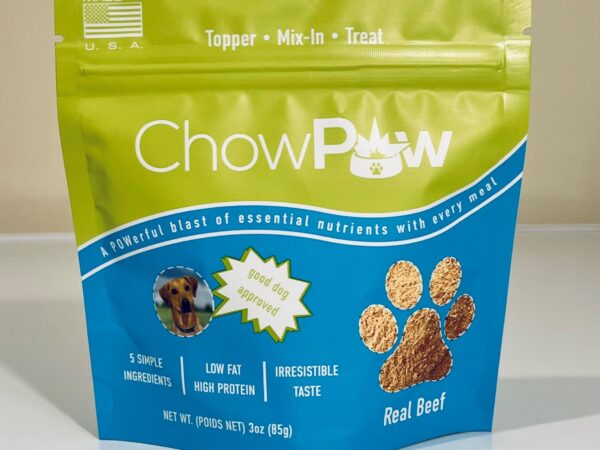 Dog Food Topper - Beef HeartOriginal price was: $14.99.$10.95Current price is: $10.95. - or subscribe and save up to 20%