
Increased Appetite in Dog: Causes, Signs & Solutions
You're standing in the kitchen again, filling the bowl a little earlier than yesterday, and your dog is already parked at your feet like the bowl should've been there an hour ago. That's the frustrating part of an increased appetite in dog. Sometimes it's real hunger. Sometimes it's better begging. And sometimes it's your dog trying to tell you that the food itself, the feeding schedule, or the body behind that appetite needs a closer look.
The trick is not to jump straight to worst-case scenarios. A hungry dog can be acting like a playful toddler, a working athlete, or a patient who's not getting what their body needs. If you sort those three stories out first, the next step gets a lot clearer. For a practical enrichment idea that can keep a dog more engaged between meals, the guide to rescue animal enrichment toys is a useful place to start.
When a Hungry Dog Is Just a Hungry Dog
Your dog finishes breakfast, circles back to the bowl, and stares at you like you've forgotten a very important part of the deal. That scene is common, and it doesn't automatically mean something is wrong. A dog can seem extra hungry because of behavior, diet quality, or a medical issue, and those three buckets cover most of what owners run into.
A quick way to sort the story
If the hunger shows up mostly around treat time, counter surfing, or the sound of the pantry door, learned behavior may be driving a lot of it. If the dog seems hungry but also looks a little too round or is getting lots of calories from treats, the issue may be calorie misallocation rather than true appetite. If the hunger comes with weight loss, weakness, thirst, or changes in urination, that's a different conversation and deserves veterinary attention.
A useful rule is to watch the whole dog, not just the bowl. Energy, body shape, bathroom habits, and thirst tell you a lot more than begging alone. A dog that wants dinner early is not the same as a dog that's acting frantic, losing weight, or raiding the trash.
Practical rule: If your dog is hungry but otherwise steady, start with a feeding audit before you panic.
| Pattern | Likely Driver | First Action |
|---|---|---|
| Begging, counter surfing, bowl staring | Learned behavior | Tighten feeding routine and stop accidental rewards |
| Hungry but gaining weight | Diet mix-up or overfeeding | Review portions, treats, and table food |
| Hungry with weight loss or extra thirst | Possible medical issue | Book a vet visit promptly |
| Hungry after a new food change | Different calorie density | Compare the old and new diet carefully |
For dogs who need mental work as much as food, structured play can help reduce the “I'm bored, feed me” cycle. That's where enrichment matters just as much as calories.
What a Normal Appetite Actually Looks Like
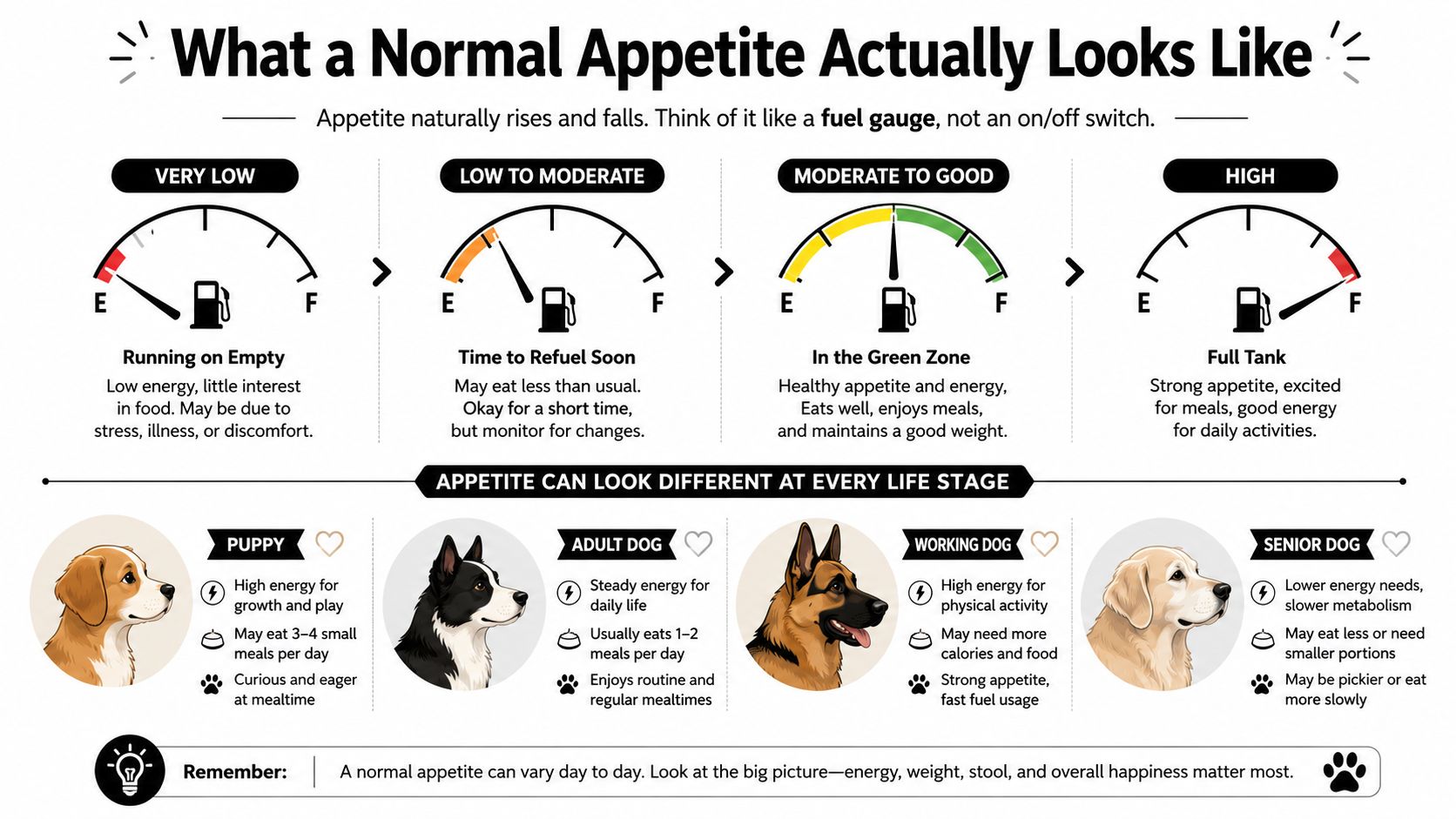
A dog's appetite is more like a fuel gauge than an on-off switch. Puppies burn through energy fast, active adults may act hungrier after long walks or work, and seniors can swing either way depending on health and mobility. “Normal” is less about one fixed amount and more about whether the dog's intake matches life stage, body condition, and activity.
Portion size changes what a dog eats
One of the clearest feeding lessons comes from a controlled study in domesticated dogs. When meal portions went from 150% to 300% of a dog's usual serving, average intake during that meal rose by 88% (controlled feeding study). That matters because it shows dogs don't just stop at some perfect internal stop sign. Bigger portions can make bigger consumption happen.
That's why a dog that seems ravenous might not have a “broken appetite” at all. The problem could be a bowl that's too small, a diet that's less satisfying than it should be, or snacks that are changing the math. Treats, training bites, and table scraps can add up fast enough to distort the picture, even when the main meal looks reasonable on paper.
Simple check: If your dog acts hungrier after you changed food, serving style, or treat habits, the appetite may not be the real issue.
Here's the easiest way to think about it. A puppy is a hungry toddler, a working dog can be a hungry athlete, and a senior might need fewer calories but more satisfaction per bite. That's why meal structure matters as much as meal size.
The Biology Behind a Food-Obsessed Dog
Some dogs are wired to care more about food. A documented POMC gene variant is associated with increased appetite and overeating in dogs, which means biology can push hunger higher even when the diet is fine (POMC appetite pathway). That's a good reminder that “always hungry” doesn't automatically mean “badly trained.”
Why one dog begs and another doesn't
A Labrador that locks onto every crumb on the floor is not the same as a calmer, more dignified senior dog that eats, leaves, and wanders off. Some dogs have a naturally stronger food drive, and that can look like constant interest in meals, sniffing the kitchen, or persistent begging. It's also why routine matters so much.
Scheduled meals usually help more than free-feeding because they give the dog a predictable food window and give you a cleaner read on what's really happening. If a dog can graze all day, it's harder to tell whether true hunger is present or whether the dog has learned to hover near food. Structure also helps owners spot a real change faster.
What matters most is that appetite lives at the intersection of genetics, habit, and environment. A food-driven dog isn't necessarily sick, and a hungry-looking dog isn't necessarily underfed. Both can be true, depending on the dog.
Medical Causes Every Owner Should Know
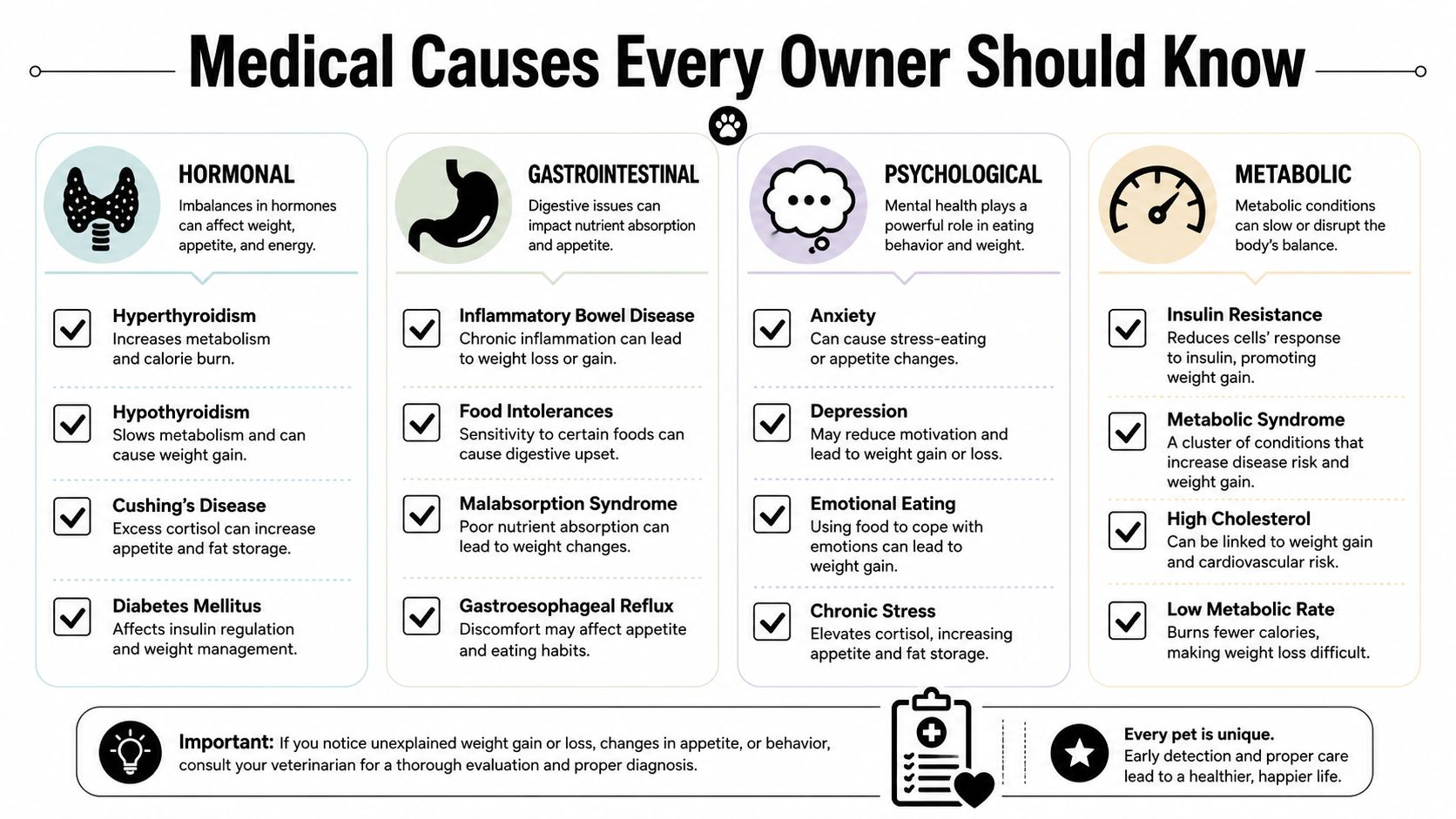
When hunger changes fast, the body deserves a look. A sudden or persistent increase in appetite can point to diabetes mellitus, Cushing's disease, intestinal malabsorption, parasites, or medication effects rather than simple pickiness (clinical overview). PETMD also lists prednisone, diabetes mellitus, hypoglycemia, and Cushing's disease among common causes of increased hunger in dogs (PETMD).
The red flags that change the urgency
A hungry dog that's otherwise stable is very different from a hungry dog that's also losing weight, drinking more, urinating more, panting, or looking weak. Those extra signs are what move the situation from “watch and adjust” to “call the vet.” A dog can eat well and still be unwell.
Hormonal problems often show up as hunger plus thirst and changes in energy. Gastrointestinal issues can look like hunger with loose stool, vomiting, or poor weight maintenance. Medication-related hunger tends to show up after a new drug starts, especially steroid therapy. Parasites and malabsorption can create the frustrating pattern where the dog eats like they're starving but still doesn't seem to use the food well.
A dog with a normal body condition and steady thirst is less alarming than a dog who's hungry, thinning out, and draining the water bowl.
For owners who want a deeper look at digestive signs that can sit alongside appetite changes, the digestive health report card is a helpful companion read. And if a dog's gut seems part of the story, some families also look at probiotic products for canine wellness as part of a broader vet-guided plan.
What the Vet Will Actually Do
A good vet visit starts with a history, not a mystery. The clinic will ask what your dog eats, how much, how many treats land in a day, what medications they're on, and whether anything at home changed recently. That context matters because a feeding shift can explain a lot before testing even begins.
The usual diagnostic path
First comes the physical exam. The vet looks at weight trend, body condition, hydration, abdominal feel, and whether anything about the dog's body suggests an underlying problem. After that, bloodwork and urine help check for glucose, kidney and liver issues, thyroid changes, and hormone patterns that fit diseases like diabetes or Cushing's.
If those first pieces point in a direction, imaging may follow. If they don't, the vet often narrows the plan rather than ordering everything at once. That keeps the workup targeted instead of random.
In chronic medical cases, appetite stimulants can be part of the plan. One placebo-controlled study in dogs with reduced appetite found that once-daily capromorelin at 3 mg/kg for 4 days increased appetite and body weight versus placebo, and a related report on the same drug found food consumption rose by over 60% compared with placebo (capromorelin study). That's useful proof that stimulants can work, but they're usually a tool, not the answer to why the appetite changed in the first place.
If your vet needs the short version, give them the timeline, the food details, and the other symptoms. That helps them move faster.
Feeding Tweaks That Make Any Dog Feel Fuller
Before you spend money on anything fancy, start with the feeding habits that cost nothing. A dog often feels more satisfied when the meal is slower, more predictable, and less crowded with hidden calories. That's especially true when the “hungry” behavior is really about boredom, habit, or a diet that disappears too fast.
Small changes that can help this week
- Slow the meal down: A slow-feeder bowl or puzzle feeder makes the dog work a little harder for each bite, which can stretch the meal experience.
- Split the food up: Three or four smaller meals can help a dog feel like food arrives more often, without increasing total calories.
- Add aroma and moisture: Warm water or a little low-sodium broth can make food smell stronger and feel more interesting.
- Audit the extras: Treats, training rewards, and table scraps can change the whole day's intake.
- Use a topper thoughtfully: A meal enhancer can make the base diet more appealing, but it should complement the current food, not replace it.
For dogs that do better with more structured digestion support, the benefits of adding fiber can also be part of the discussion. And if you're trying to keep the meal interesting without rebuilding the whole diet, a topper can fit into that routine.
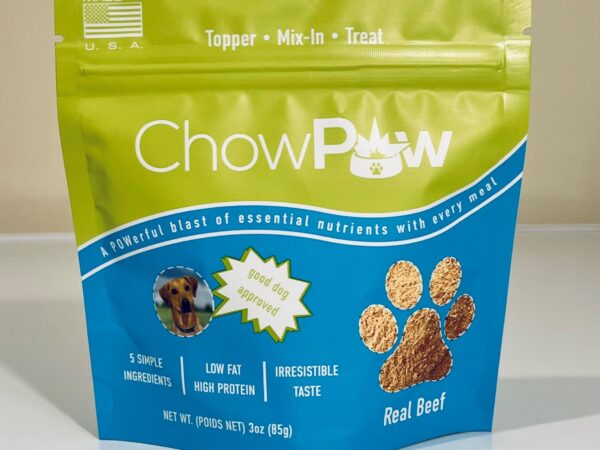
One option is ChowPow, a dehydrated beef heart dog food topper designed to be sprinkled over an existing balanced kibble rather than used as a substitute. In practice, that means the base diet still does the heavy lifting, while the topper helps make each bite more appealing and more satisfying. For picky eaters, dogs with sore mouths, or dogs coming back from illness, that distinction matters.
Why a Nutrient-Dense Topper Can Help Picky Eaters
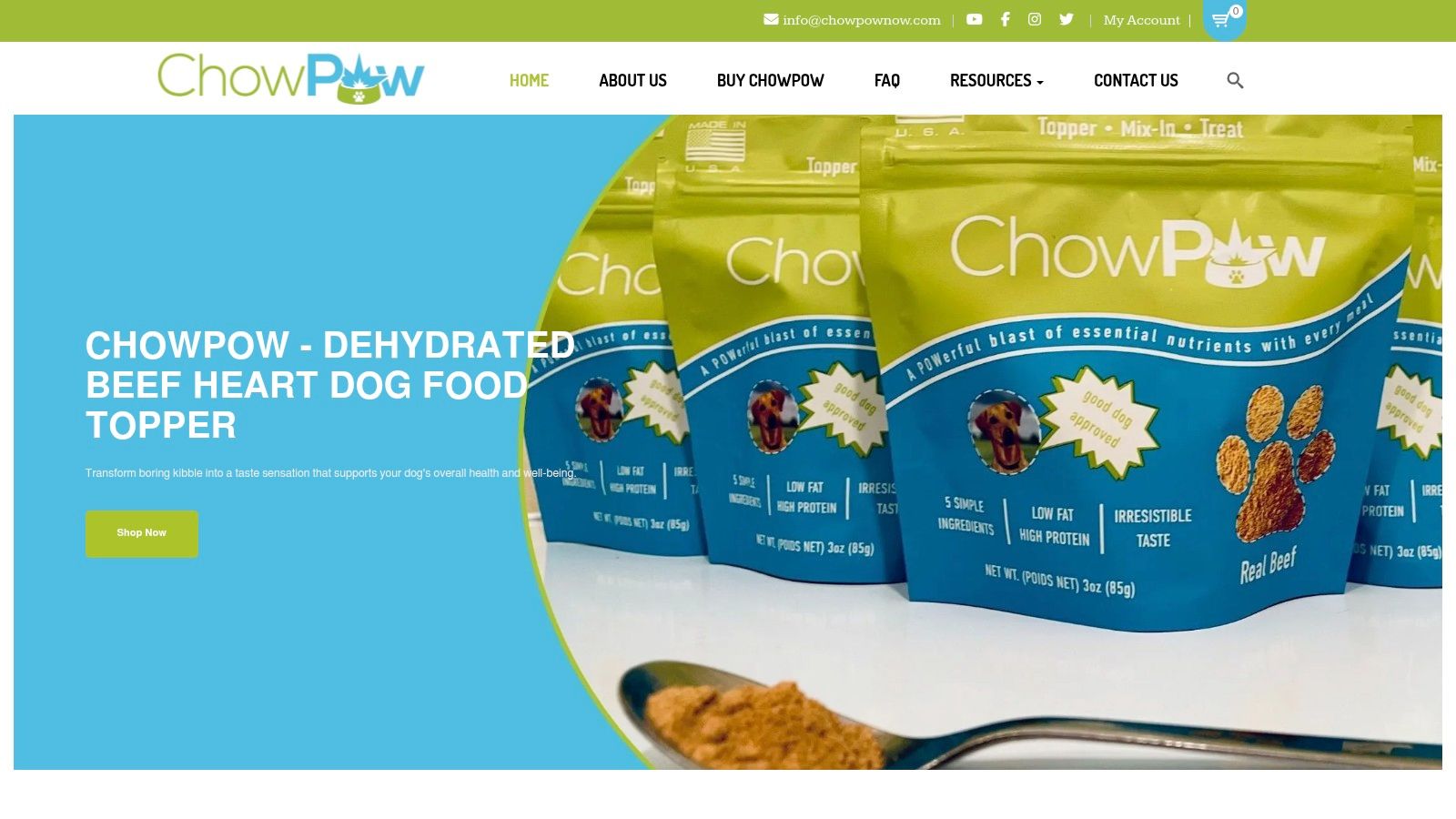
A topper only works if it supports the meal your dog already eats. ChowPow is a meal enhancement or supplement, not a replacement for your dog's current kibble, so the base diet still matters. The point is to make that base meal more aromatic, more interesting, and more nutrient-dense per bite.
What's inside and why it matters
Beef heart brings high-quality protein and naturally occurring taurine into the mix. Carrots and celery add plant-based nutrients and a little fiber. Apple cider vinegar is there as part of the ingredient profile that rounds out the topper's flavor and overall formula.
That combination is practical in real life. A picky eater may respond to more smell and taste. A senior with sensitive teeth may find a softer, mixed-in meal easier to handle. A dog recovering from illness or surgery may need something that helps the food seem worth eating again. Rescues and fosters often need the same kind of meal encouragement when a dog is underweight or hesitant.
The format also helps with everyday use. You can sprinkle it, mix it with water for extra hydration, or use it to disguise medication so dosing is less of a battle. ChowPow is described by the maker as lab tested, made in small batches, locally sourced, and backed by a satisfaction guarantee, which are all trust signals owners tend to look for when they're choosing a topper.
For a broader look at how toppers fit into a dog's menu, the benefits of adding food toppers to your dog's diet is a useful companion read. The main idea stays the same, though. Keep the core diet complete, then add something that makes the bowl more enticing.
[plain paragraph, no ## heading] A CTA for ChowPow.
-
Product on sale
 Dog Food Topper - Beef HeartOriginal price was: $14.99.$10.95Current price is: $10.95. - or subscribe and save up to 20%