The Sneaky Signs of Malnutrition in Dogs You Shouldn’t Ignore
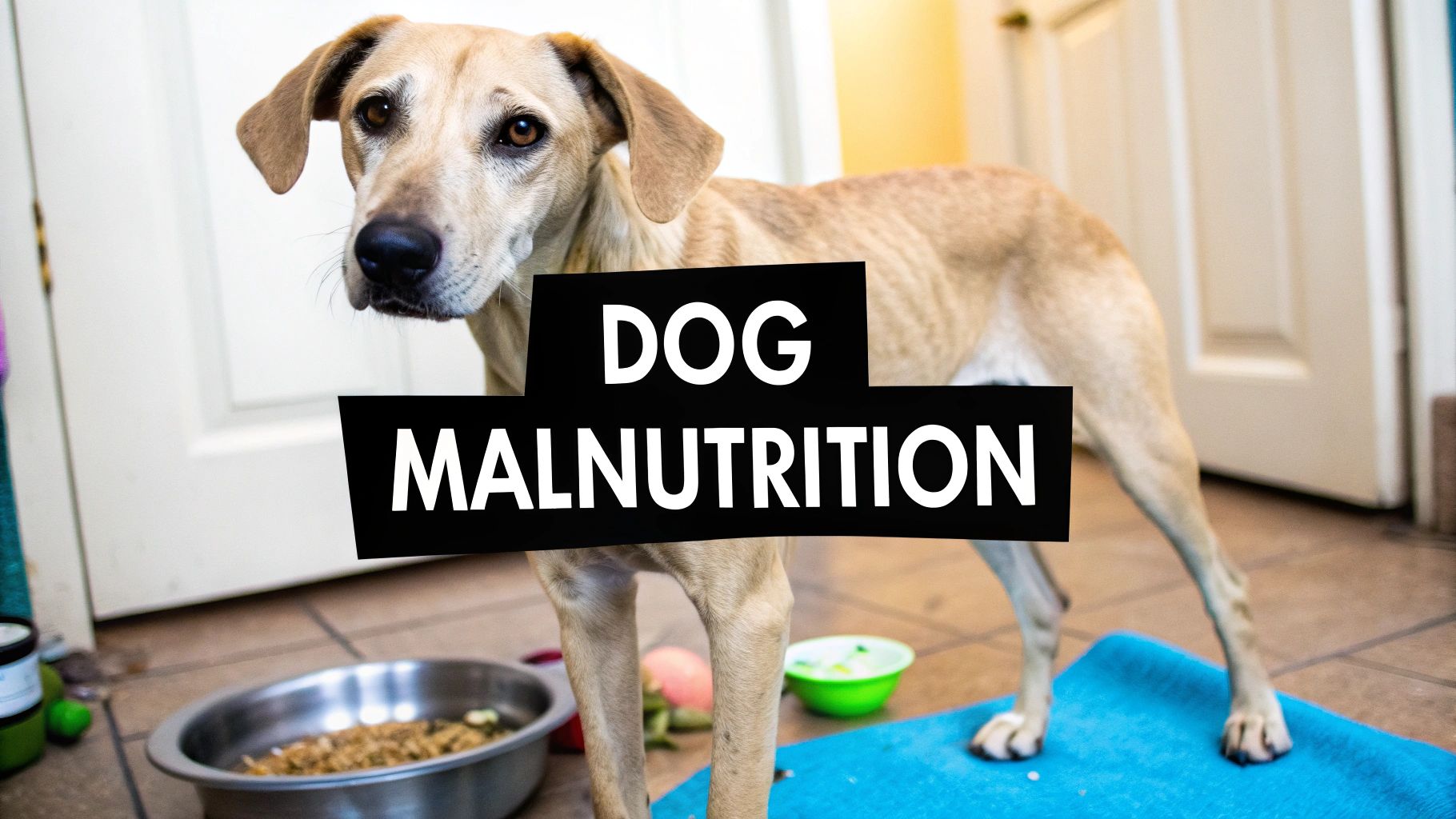
When you picture a malnourished dog, it’s easy to think of an obviously underweight animal. But that’s not the whole story. The real signs can be much sneakier, like a dull coat, persistent low energy, or subtle changes in appetite or digestion.
Malnutrition is often a hidden hunger, a quiet craving for essential nutrients that can affect dogs of any size or breed. Spotting these clues is the first, most critical step to getting them back to their vibrant, tail-wagging selves.
Beyond the Bowl: Understanding Canine Nutrition
Every dog owner wants the absolute best for their furry family member, and great nutrition is the foundation of a long, happy life. But figuring out what your dog actually needs can feel like navigating a maze.
Malnutrition isn’t just about starvation. More often, it’s a subtle problem where a dog’s diet is missing the specific building blocks their body needs to thrive.
Think of it like building a house. You can have a mountain of bricks (calories), but without the mortar (vitamins), windows (minerals), and a solid frame (protein), the whole structure is going to be weak. A dog can eat a full bowl every single day and still be malnourished if that food is packed with low-quality “filler” ingredients. These provide calories but very little else.
This is exactly why learning to spot the signs of malnutrition in dogs is so vital—it lets you see past a full food bowl and listen to what your dog’s body is trying to tell you.
What to Look For
The signals your dog sends can be physical, behavioral, or a mix of both, and they often creep up slowly. You might notice little shifts that are easy to brush off as just “getting older” or a personality quirk. But these clues are your dog’s way of communicating a much deeper need.
Here’s a quick rundown of what to keep an eye out for:
- Changes in Coat and Skin: Is their coat looking dull, dry, or brittle? Is their skin flaky? This is a classic sign that they’re missing essential fatty acids and high-quality proteins.
- Low Energy Levels: If your once-playful pup is now more interested in napping than playing, their diet might not be providing the right kind of fuel.
- Digestive Issues: Chronic diarrhea, constipation, or a lot of gas can mean their food isn’t being properly absorbed. Their gut is telling you something isn’t right.
- Behavioral Shifts: Unexplained irritability, anxiety, or even eating strange things like dirt (a behavior called pica) can be tied to nutrient gaps. For instance, some B vitamins are crucial for nervous system health, and a deficiency can show up in unexpected ways. You can learn more about B12 deficiency in dogs right here on our blog.
Malnutrition is about the quality of nutrients, not just the quantity of food. A dog can be at a normal weight, or even overweight, and still be starving for the vital vitamins and minerals their body craves.
To make it easier, here’s a quick checklist you can use to assess your own dog’s condition.
Quick Checklist for Signs of Malnutrition
This table summarizes the key physical and behavioral indicators to watch for. If you’re noticing several of these, it’s a good time to take a closer look at their diet and chat with your vet.
| Symptom Category | What to Look For |
|---|---|
| Coat & Skin | Dull, brittle fur; excessive shedding; flaky or dry skin. |
| Energy & Activity | Lethargy; lack of interest in walks or play; tires easily. |
| Digestion | Chronic diarrhea; constipation; excessive gas; vomiting. |
| Body Condition | Visible ribs/spine; loss of muscle mass; bloated belly. |
| Behavior | Irritability; anxiety; eating non-food items (pica). |
| Immune Health | Frequent infections; slow healing of wounds or sores. |
Remember, you are your dog’s best advocate. This guide is here to help you become a more informed one, so you can make sure their diet is truly supporting a long, vibrant, and joyful life by your side.
Decoding the Physical Signs of Poor Nutrition
Your dog can’t exactly tell you when they’re missing out on vital nutrients, but their body gives you plenty of clues. Learning how to read these physical signals is one of the most important things you can do for their long-term health. Think of these signs as early warnings that their current diet just isn’t cutting it.
From the tip of their nose to the end of their tail, a dog’s physical appearance is a direct reflection of their internal health. By paying close attention, you can spot the early signs of malnutrition in dogs and step in before a small issue becomes a much bigger problem.
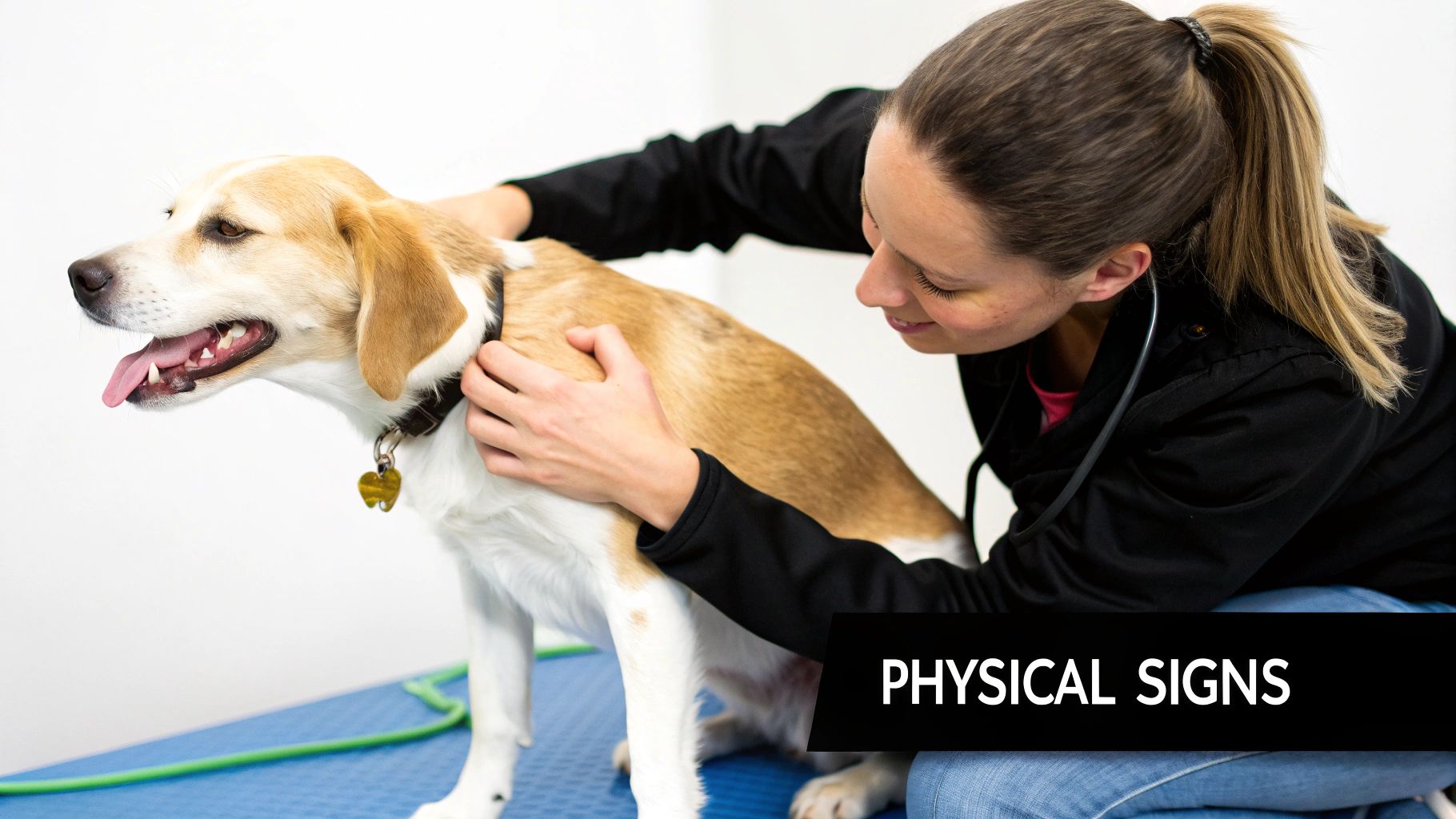
The Condition of Their Coat and Skin
One of the first and most obvious places to look is your dog’s coat. A healthy, well-nourished dog should have fur that’s shiny, strong, and soft. When key nutrients are missing, the skin and coat are often the first to suffer.
Here’s why: your dog’s body is smart and sends nutrients to the most essential organs first—the heart, the brain, the lungs. The skin and coat are last in line, so any deficiency shows up here pretty quickly.
You might notice things like:
- A Dull, Dry Appearance: The fur just loses its natural shine and feels coarse or brittle to the touch.
- Excessive Shedding: Sure, dogs shed. But a sudden increase or constant, heavy shedding outside of normal seasons can be a red flag.
- Flaky Skin (Dandruff): This is a classic sign of a deficiency in omega-3 and omega-6 fatty acids, which are absolutely crucial for keeping skin hydrated.
These issues often point straight to a lack of high-quality proteins and essential fatty acids. A food like ChowPow, built on real, protein-rich ingredients, directly supplies these building blocks to restore that healthy shine from the inside out.
Assessing Their Body Weight and Muscle Tone
A dog’s weight is a huge piece of the nutritional puzzle. While it’s easy to spot an underweight dog with visible ribs, it’s just as important to understand what you’re feeling. This is where the Body Condition Score (BCS) is so helpful.
The BCS is a simple, hands-on way to check your dog’s physical state without needing a scale. Gently run your hands along their ribcage. In a healthy dog, you should be able to feel the ribs easily under a thin layer of fat, but they shouldn’t be sticking out or sharply visible.
Vets use this method because malnutrition directly hits a dog’s body composition. In fact, long-term undernutrition leads to obvious muscle wasting and the depletion of fat stores. A BCS score below 4 on the standard 9-point scale is a clinical indicator that a dog is undernourished. You can read more about these veterinary assessment findings and how pros use them to diagnose malnutrition.
Important Takeaway: Don’t just look; feel your dog. A thick, fluffy coat can easily hide a very thin frame underneath. A regular hands-on check is the best way to keep tabs on their true condition.
But here’s a twist—poor nutrition can also lead to weight gain. Diets packed with cheap fillers and empty calories can make a dog overweight while they are simultaneously being starved of essential vitamins and minerals. It’s a perfect example of how malnutrition is about the quality of nutrients, not just the quantity of calories.
Clues from Their Mouth and Digestion
What’s happening inside your dog’s gut often shows up in their mouth and… well, what comes out the other end. These signs are easy to dismiss, but they give you critical feedback on how well their body is actually using its food.
That persistent bad breath you might write off as “doggy breath”? It can be a sign of dental disease, which is often made worse by a poor diet. Nutrients like calcium are vital for strong teeth, and a deficiency can lead to decay. Worse, bacteria from an unhealthy mouth can get into the bloodstream and impact major organs.
Chronic digestive upset is another major red flag. Keep an eye out for:
- Persistent Diarrhea or Loose Stools: This tells you that nutrients aren’t being absorbed properly in the intestines.
- Excessive Gas or Bloating: This is often a sign their system is struggling to break down low-quality ingredients or fillers.
- Vomiting: While an occasional upset stomach can happen, frequent vomiting is a clear signal that something is off with their diet or health.
These physical signs are your dog’s way of communicating. By learning to decode them, you become a more proactive and informed partner in their health. The goal is a vibrant, thriving companion, and it all starts with what you put in their bowl.
Recognizing the Behavioral Red Flags
A healthy diet fuels more than just your dog’s body—it fuels their very spirit. When essential nutrients go missing, the effects aren’t just physical. They can ripple through your dog’s personality, creating changes that are easy to write off as simple quirks or bad habits.
These behavioral shifts are some of the most overlooked signs of malnutrition in dogs. Learning to spot them for what they are—a call for better nutrition—is the first step to getting your happy, balanced dog back. A change in personality might just be their way of telling you something crucial is missing from their bowl.
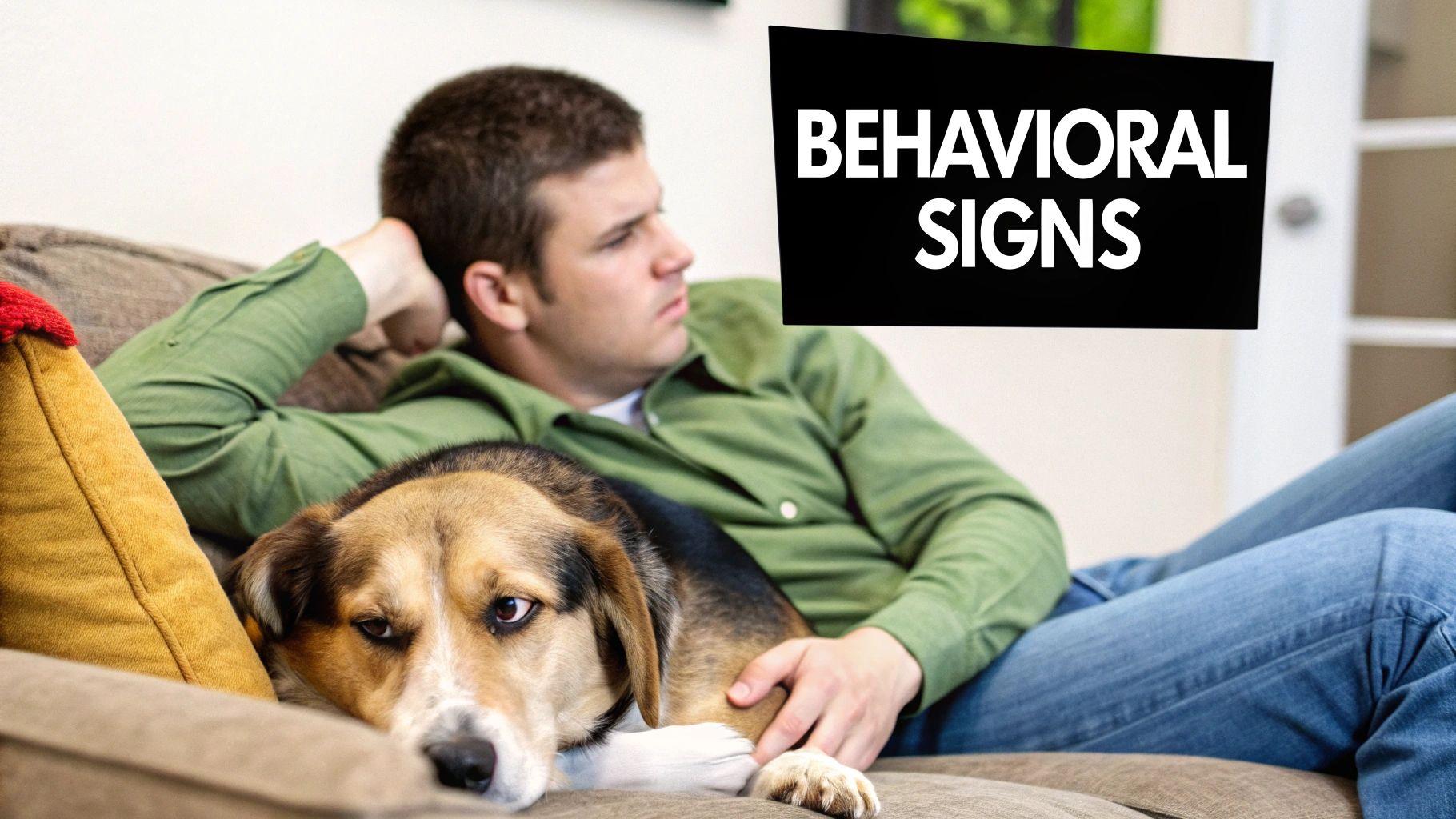
From Playful Pup to Constant Napper
One of the most obvious red flags is a sudden drop in energy. Does your dog seem completely uninterested in their favorite game of fetch? Are they choosing the couch over their daily walk more often than not? This isn’t always just a sign of getting older; it can be a direct result of a diet that’s running on empty.
Think of your dog’s food as the battery that powers their day. If that battery is filled with low-quality ingredients, it’s like trying to run a high-performance engine on cheap, watered-down gas. It simply won’t have the power to perform. This lethargy is often a sign that their diet lacks the right mix of proteins, fats, and complex carbs needed for real, sustained energy.
A dog’s mood and energy are directly tied to their nutrition. A diet lacking in specific B vitamins, for example, can impact nervous system function and lead to what might look like depression or a general lack of enthusiasm for life.
The Rise of Irritability and Anxiety
Has your once-calm companion become easily startled, unusually grumpy, or suddenly anxious? This kind of personality shift can be incredibly confusing for owners, but the answer might be hiding in their food bowl. Brain function and emotional stability are heavily dependent on a steady supply of specific vitamins and minerals.
When those key nutrients are in short supply, it can throw off the delicate chemical balance in the brain. For instance, minerals like magnesium help calm the nervous system, while amino acids (the building blocks of protein) are essential for producing the neurotransmitters that regulate mood. A deficiency can show up as:
- Increased Irritability: Snapping or growling over things that never used to be a big deal.
- New Anxieties: Suddenly developing fears of loud noises or becoming more clingy and insecure.
- Unusual Fussiness: A sudden pickiness with food can sometimes point to internal discomfort caused by poor nutrition.
By providing a complete nutritional profile, a high-quality diet helps ensure your dog’s brain has everything it needs to maintain a stable, happy temperament. A well-fed dog isn’t just healthier; they’re often calmer and more resilient, too.
Pica: The Strange Habit of Eating Non-Food Items
One of the most bizarre but telling signs of malnutrition in dogs is a behavior called pica. This is when a dog compulsively eats things that aren’t food—think dirt, rocks, sticks, or even their own feces. While it can sometimes be a behavioral issue, it’s often a dog’s primal instinct kicking in.
Their body is screaming for missing minerals like iron or calcium, and their instinct is telling them that eating soil might be the only way to find them. It’s a desperate attempt to self-supplement and correct a deep nutritional imbalance.
If you see your dog engaging in this strange behavior, don’t just dismiss it. It’s a powerful signal that their current diet is falling short. Upgrading to a nutrient-dense food, like ChowPow, provides a rich source of bioavailable vitamins and minerals. This directly addresses the deficiency at its source, often eliminating the strange craving and helping your dog feel satisfied and nourished from the inside out.
Understanding the Root Causes of Malnutrition
Spotting the physical and behavioral signs is a massive step forward, but the real solution lies in figuring out why your dog is malnourished in the first place. It’s not always as simple as an empty food bowl. In fact, malnutrition can happen even when a dog’s bowl is full every single day.
To truly get to the bottom of it, we need to look beyond the bowl. The problem often comes down to one of two things: the quality of the food itself, or an underlying health issue that’s stopping your dog from actually using the nutrients they eat.
The Problem of Low-Quality Food
Let’s be honest, many commercial dog foods are packed with cheap fillers like corn, wheat gluten, and mysterious “animal by-products.” These ingredients add bulk and calories, which makes the food seem substantial, but they offer very little real nutritional value. It’s the dog food equivalent of a person trying to live on a diet of nothing but chips and soda.
Sure, this kind of diet can make a dog feel full, but it leaves them starving for the high-quality proteins, vitamins, and minerals their body actually needs to function. This is a huge reason why even overweight dogs can show signs of malnutrition. They’re getting plenty of calories, but they’re deprived of the essential building blocks for good health.
A dog’s body can’t create essential amino acids, vitamins, or minerals on its own—they must come from their diet. When their food is full of indigestible fillers, their system is forced to work overtime for minimal nutritional payoff, leading to a slow decline in health.
This is exactly why choosing a nutrient-dense food like ChowPow is so critical. Our formula is built on real, whole-food ingredients to ensure every bite is packed with usable nutrition, not just empty calories.
When Health Issues Block Nutrient Absorption
Sometimes, the food isn’t the problem at all. You could be feeding your dog the best diet in the world, but if their body can’t properly absorb and use those nutrients, they’ll still become malnourished. Several underlying health conditions can act as a roadblock between your dog and their nutrition.
These internal saboteurs can include:
- Intestinal Parasites: Nasty critters like tapeworms and roundworms live in your dog’s digestive tract and literally steal nutrients from their food before their body gets a chance to absorb them.
- Dental Pain: If your dog has a sore tooth or inflamed gums, chewing can be agony. This pain often causes them to eat less or swallow food whole, which messes with proper digestion and can lead to malnutrition over time.
- Digestive Disorders: Conditions like Inflammatory Bowel Disease (IBD) or Exocrine Pancreatic Insufficiency (EPI) directly interfere with the body’s ability to break down food and absorb nutrients, no matter how high-quality the diet is.
Because these medical issues can look a lot like the signs of a poor diet, it’s absolutely essential to talk to your vet. They can run tests to rule out hidden health problems and make sure you’re tackling the true root cause. Your vet can confirm if the issue is dietary and help you map out the best path forward, which often includes a switch to a higher-quality, more digestible food.
Mismatched Diets for Life Stages
Finally, a dog’s nutritional needs aren’t one-size-fits-all; they change dramatically throughout their life. Feeding a diet that’s wrong for their age or size is a common—and often overlooked—cause of malnutrition.
A growing puppy, for instance, has massive requirements for protein, calcium, and calories to build strong bones and muscles. Giving them an adult maintenance formula will almost certainly lead to developmental problems. On the other hand, a senior dog needs fewer calories but highly digestible protein to maintain muscle mass without gaining extra weight.
Making sure your dog’s diet is matched to their specific life stage is fundamental for preventing the signs of malnutrition in dogs from ever showing up in the first place.
The ChowPow Path to Vibrant Health
Spotting the signs of malnutrition is the first critical step. But the real journey to a happy, thriving dog begins with what you put in their bowl. This is where you shift from diagnosing the problem to actively building the solution, one meal at a time. The right food doesn’t just fill a space—it refills their energy, rebuilds their body, and brings back their spark.
We created ChowPow with this exact mission. It’s not just another kibble; it’s a nutritional foundation designed to tackle the root causes of malnutrition head-on. Every single ingredient has a specific job, all working together to reverse the very symptoms that told you something was wrong.
Building Health From the Inside Out
When a dog shows signs of malnutrition, like a dull coat or zero energy, their body is practically screaming for essential building blocks. ChowPow answers that call with high-quality, highly digestible beef heart protein. Unlike cheap fillers that just add bulk, this premium protein delivers the amino acids needed to rebuild lean muscle and bring back that healthy, glossy coat.
It’s the same story with behavioral issues. Lethargy and irritability often trace back to a lack of proper fuel for the brain and body. Our purposeful blend of vitamins and minerals, all naturally present in our whole-food ingredients, supports everything from sharp cognitive function to stable energy levels. This isn’t a quick sugar rush; it’s about providing the sustainable, high-quality energy your dog needs to feel like themselves again.
This infographic lays out the stark difference between nutrient-dense ingredients and the empty fillers you’ll find in so many other foods.
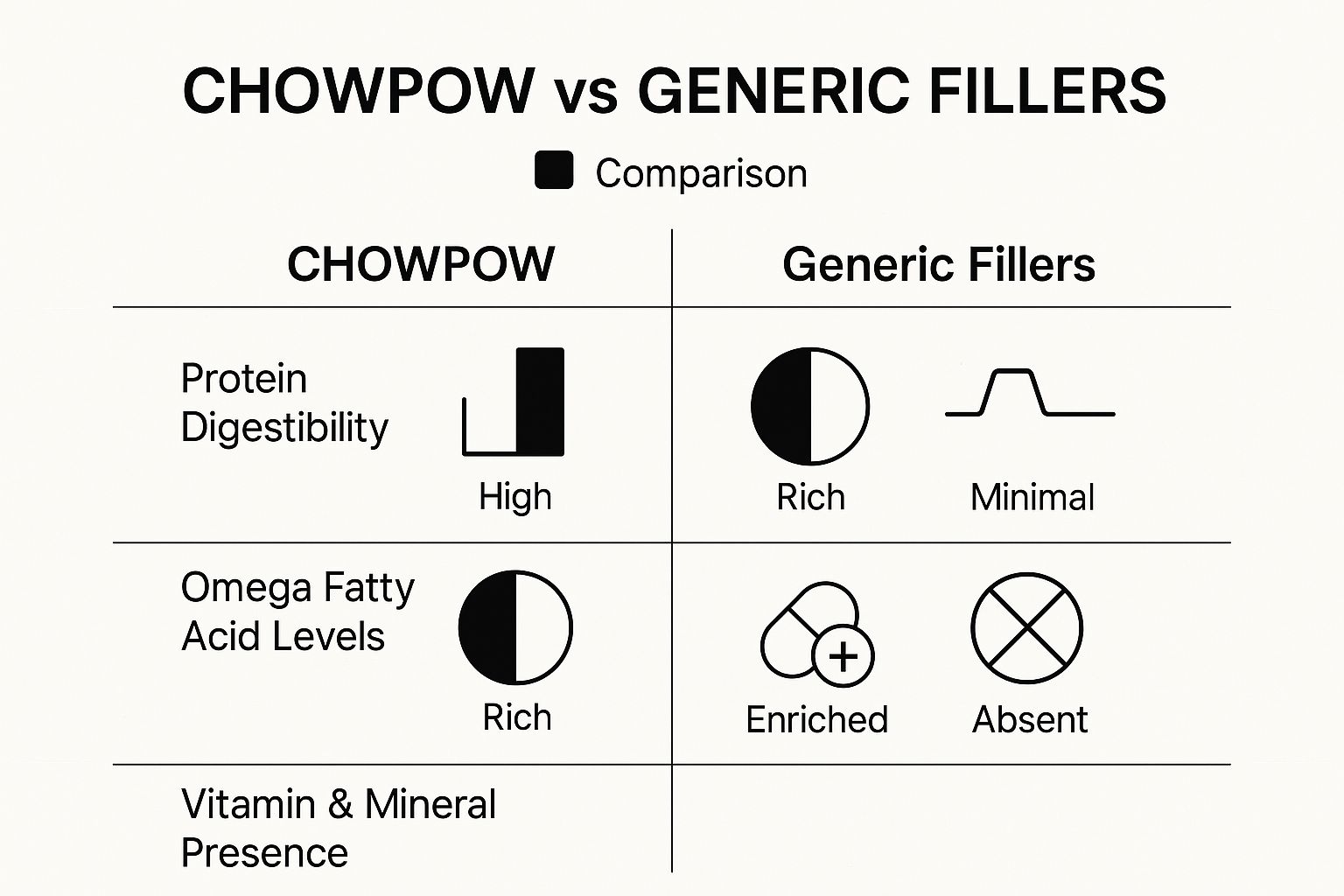
The takeaway is simple: what goes into your dog’s food directly fuels their health. Choosing high-quality, digestible nutrients is the most direct route to their well-being.
A Clear Comparison You Can See
It’s one thing to talk about “quality ingredients,” but seeing the difference side-by-side makes it undeniable. Many common dog foods rely on low-cost fillers that can make you think your dog is getting a full meal when, in reality, they’re being nutritionally short-changed.
Let’s get specific and see exactly how ChowPow’s ingredient philosophy stacks up.
How ChowPow Ingredients Compare to Common Fillers
| Nutritional Need | The ChowPow Ingredient Solution | Common Low-Quality Alternative |
|---|---|---|
| Muscle & Coat Health | Dehydrated Beef Heart: A highly digestible, single-source protein rich in amino acids to build strong muscle and a lustrous coat. | Meat By-Products & Corn Gluten Meal: Vague, often indigestible protein sources that provide minimal usable nutrients. |
| Energy & Vitality | Carrots & Apples: Natural sources of vitamins and complex carbohydrates for sustained energy without the sugar crash. | Corn & Wheat Fillers: Cheap carbohydrates that can cause energy spikes and crashes, contributing to lethargy. |
| Digestive Health | Celery & Apple Cider Vinegar: Provide natural fiber and enzymes to support a healthy gut biome and improve nutrient absorption. | Artificial Colors & Preservatives: Unnecessary chemicals that can irritate the digestive system and offer zero nutritional benefit. |
This isn’t just about making a better dog food. It’s about giving you a clear, honest, and effective way to invest in your dog’s long-term health. When a diet is built on real, functional ingredients, you’re not just feeding them—you’re truly nourishing them.
By focusing on nutrient density, ChowPow ensures every scoop delivers what your dog’s body is truly craving. It’s about making every single calorie count toward better health, vitality, and happiness.
For dogs that are seriously underweight or just need an extra boost, a targeted approach can make all the difference. Sometimes, even the best base diet needs a little help. To learn more, check out our guide on using dog food toppers for weight gain to see how a concentrated nutritional boost can speed up their recovery.
Choosing the right food is one of the most powerful things you can do for your dog, and ChowPow provides the honest, high-quality nutrition your best friend deserves.
Common Questions About Canine Nutrition
Having questions is a totally normal part of being a great dog owner. As you start digging into how to improve your dog’s diet, it’s only natural to wonder what to expect. We’ve got you covered with some clear, straightforward answers to the questions that pop up most often.
Think of this as your roadmap. Knowing what’s around the corner makes the journey to better health a much smoother and more rewarding experience for both of you. Let’s get into what every dog parent wants to know.
How Soon Will I See Improvements After Switching to ChowPow?
Every dog is an individual, but the path back to health often follows a pretty predictable timeline. Most owners tell us they notice a real spark in their dog’s energy and digestion within the first 2-4 weeks. A sudden interest in the food bowl and firmer, more consistent stools are usually the first happy signs you’re on the right track.
The more visible stuff, like a glossy coat and healthier skin, typically shows up within 4-8 weeks. That’s because it takes a little while for their body to put all those high-quality nutrients to work, rebuilding skin cells and hair follicles from the inside out. Just remember, consistency is everything when it comes to seeing those amazing, lasting results.
Can an Overweight Dog Actually Be Malnourished?
Yes, absolutely. This is one of the biggest misconceptions in canine health, and it’s a critical one to understand. Malnutrition isn’t about a lack of calories; it’s about a lack of essential nutrients—vitamins, minerals, and high-quality proteins.
It’s entirely possible for a dog to be overweight from a diet packed with cheap, empty-calorie fillers while, at the same time, their body is starved for the real building blocks of health. Think of it like this: their calorie tank is overflowing, but their nutrient tank is running on empty. This is precisely why a nutrient-dense food like ChowPow is so vital for dogs of all shapes and sizes. It’s all about delivering quality, not just quantity.
What Is the Best Way to Switch My Picky Dog to a New Food?
Slow and steady wins the race, especially with a picky eater. Making an abrupt switch can easily lead to an upset stomach, which will only make a fussy dog more suspicious of anything new.
Here’s a simple, proven game plan that works wonders:
- Start Small: Begin by mixing just a tiny bit of ChowPow (think 25% new food to 75% old food) into their current meal.
- Go Slow: Over the next 7-10 days, gradually increase the amount of ChowPow while you decrease the old food.
- Add Warmth: Gently warming the food can release its natural meaty aroma, making it far more tempting for a hesitant pup.
We craft our formulas with real-meat proteins that are incredibly palatable, winning over even the toughest critics. A little patience and a gradual approach are your best friends here.
My Dog Seems Fine. Why Should I Consider Switching Food?
Here’s the thing: preventing a problem is always, always better than trying to fix one down the line. Many of the early signs of malnutrition in dogs are incredibly subtle and can easily be brushed off as normal aging or just your dog having an “off” day.
Switching to a superior, nutrient-rich food now is one of the single best investments you can make in your dog’s long-term health. A high-quality diet provides the very foundation their body needs to maintain a rock-solid immune system, healthy joints, and that spark of vitality for years to come. By choosing a food like ChowPow, you’re not just feeding them for today—you’re actively safeguarding their future.
Ready to see the difference that truly high-quality nutrition can make? ChowPow is designed to provide the dense, bioavailable nutrients your dog needs to thrive, not just survive. Give your best friend the gift of vibrant health.
Explore the ChowPow difference and order your first bag today!
-
Product on sale
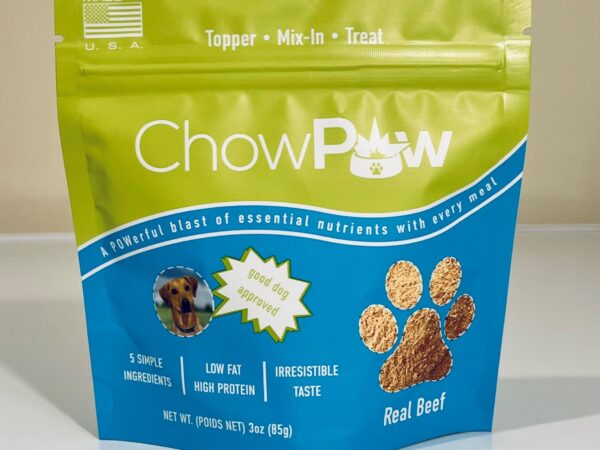 Dog Food Topper - Beef HeartOriginal price was: $14.99.$10.95Current price is: $10.95. - or subscribe and save up to 20%