

What to Feed a Dog with Cancer: A Complete Guide
When your dog is diagnosed with cancer, one of the first questions that floods your mind is often, what should I be feeding them? It's a completely normal and critical question. Focusing on a diet rich in high-quality, easy-to-digest protein and healthy fats—while cutting way back on carbs and sugars—can be a powerful way to support their body through this fight.
This approach is all about nourishing your dog and helping them maintain muscle mass, without accidentally feeding the cancer cells themselves.
Understanding Nutrition's Role in Your Dog's Cancer Journey
Hearing the word "cancer" from your vet is devastating, but it’s so important to remember you are not powerless. Nutrition is one of the most significant tools you have to support your dog's body during this incredibly challenging time.
The central concept is to switch to what many call a 'cancer-fighting diet.' Think of it this way: cancer cells absolutely love to gobble up simple carbohydrates (like sugars and starches) for fuel. By drastically limiting these ingredients, you're essentially trying to starve the cancer of its favorite energy source.
At the same time, you want to give your dog's body the best possible building blocks to stay strong. That's where high-quality protein and healthy fats come in. They help preserve crucial muscle mass, support a struggling immune system, and provide a clean form of energy that cancer cells can't easily use.
The Foundation of a Canine Cancer Diet
This nutritional strategy is about giving your dog's body the right tools for the fight. While it's a powerful supportive measure, it's not a cure. Any major diet change should always be discussed with your veterinarian to make sure it's the right move for your dog's specific situation.
To make things a bit clearer, the visual below breaks down the nutritional 'Do's' and 'Don'ts' for a dog with cancer.

As you can see, the focus shifts heavily toward whole, unprocessed foods like lean meats and beneficial fats, while steering clear of simple carbs and sugars.
This dietary shift is becoming more and more common in veterinary recommendations. It's a shocking statistic, but one in four dogs will develop cancer in their lifetime, with around 6 million new cases diagnosed in the U.S. each year. In response, veterinary oncologists are increasingly suggesting high-protein, high-quality diets centered on lean meats.
To give you a quick reference, here’s a simple table summarizing the key points of a canine cancer diet.
Quick Guide to a Canine Cancer Diet
This table breaks down the core principles, highlighting which foods to focus on and which to avoid to best support your dog.
| Nutritional Goal | Foods to Include (The 'Do's') | Foods to Limit/Avoid (The 'Don'ts') |
|---|---|---|
| Starve Cancer Cells | Low-glycemic vegetables (e.g., broccoli, cauliflower), minimal complex carbs. | Sugar, corn syrup, honey, simple starches (white rice, potatoes), processed grains. |
| Boost Protein | High-quality, lean animal proteins like chicken, turkey, fish, and eggs. | Low-quality protein sources, processed meats with fillers and additives. |
| Add Healthy Fats | Omega-3 fatty acids from fish oil, flaxseed oil, and other healthy fats. | Pro-inflammatory fats like corn oil, vegetable oil, and excessive saturated fats. |
| Support Immunity | Antioxidant-rich foods like dark leafy greens, berries (in moderation), and supplements like turmeric. | Artificial preservatives, colors, and flavors that can add stress to the body. |
Remember, this is a general guideline. Your vet or a veterinary nutritionist can help you fine-tune this approach for your dog's specific needs.
Choosing the Right Ingredients
Picking the right protein is absolutely essential. Lean options like chicken, turkey, and fish are packed with the amino acids their body needs for strength and immune health, without adding unnecessary fats that could complicate their condition. For a deeper dive, you can check out our guide on the best protein sources for dogs.
The goal is simple: provide a diet that supports the dog, not the disease. By focusing on high protein, moderate healthy fats, and very low carbohydrates, you give your companion the nutritional foundation they need to maintain their quality of life.
Building the Ideal Canine Cancer Diet Meal by Meal
Figuring out the right meal plan for a dog with cancer can feel a lot like building a fortress. You want to use the strongest materials possible to protect your dog, leaving no weak points for the disease to exploit. The building blocks of this fortress are high-quality protein, healthy fats, and very carefully selected carbohydrates.
Once you understand what to feed a dog with cancer, you can make every single meal count. The goal is to nourish their body, help them maintain strength, and sidestep ingredients that might accidentally help cancer cells thrive. It’s one of the most powerful ways you can support them through their journey.
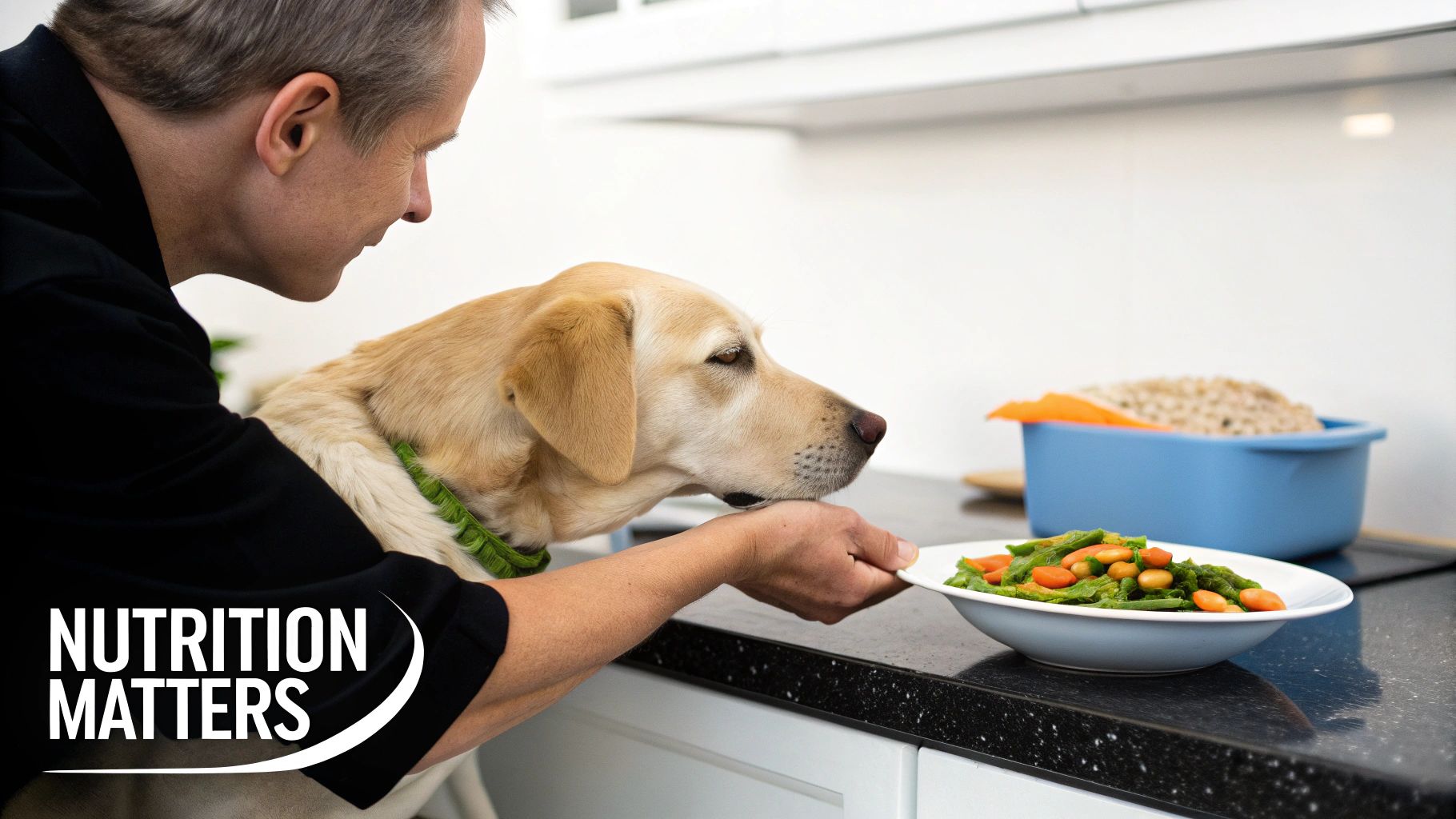
Let’s break down the ideal canine cancer diet piece by piece. This will help you read food labels with confidence and make the best possible choices for your companion.
Prioritize High-Quality, Digestible Protein
Protein is hands-down the most important nutrient in a canine cancer diet. It’s the foundation for strong muscles, a healthy immune system, and overall resilience. One of the most common and devastating side effects of cancer in dogs is cachexia, a severe muscle-wasting syndrome.
Think of it like this: cancer is a thief, aggressively stealing protein from your dog's muscles to fuel its own growth. To fight back, you have to provide a steady supply of high-quality, easily digestible protein to replenish what’s being lost.
Good sources of protein include:
- Cooked Chicken or Turkey: Lean and super easy for the digestive system to handle.
- Fatty Fish (like Salmon): Delivers great protein plus a fantastic source of anti-inflammatory omega-3s.
- Eggs: A powerhouse of complete protein, packed with essential amino acids.
By focusing on these premium proteins, you help your dog maintain their strength, which is absolutely vital for enduring treatments and keeping a good quality of life.
Embrace Healthy Fats, Especially Omega-3s
Healthy fats are the second cornerstone of this nutritional fortress. Here’s the good news: unlike cancer cells, your dog's body can efficiently use fats for energy. This is especially true for omega-3 fatty acids, which are true superstars in the fight against inflammation.
Cancer creates a state of chronic inflammation in the body. Omega-3s, particularly those from fish oil, have powerful anti-inflammatory properties that directly counteract this. They can also support immune function and may even help slow down tumor growth.
A serious condition called cancer cachexia—a wasting syndrome—affects up to 70% of canine cancer patients, causing significant weight loss even with adequate calorie intake. Research shows that adding omega-3 fatty acids from fish oil, specifically EPA, can reduce inflammation and improve life quality. One study even noted a 20-30% longer survival time for dogs with lymphoma when this was combined with chemotherapy. Learn more about these oncology findings.
Sources of beneficial fats include:
- Fish Oil: A concentrated source of EPA and DHA, the most effective types of omega-3s.
- Flaxseed Oil: A good plant-based source of omega-3s.
- Coconut Oil: Provides easily metabolized energy.
Minimize Carbohydrates and Sugars
If protein and fats are the strong stones of the fortress, simple carbs and sugars are the weak spots. Cancer cells have a massive appetite for glucose, which is what simple carbs break down into. They use this sugar as their primary fuel source to grow and multiply.
By minimizing carbs in your dog’s diet, you're essentially limiting the fuel supply available to the cancer. This strategy can force cancer cells to find other, less efficient energy sources, potentially slowing their progression.
This means you’ll need to become a bit of a pet food label detective. Many commercial dog foods, especially dry kibbles, are packed with carbohydrate fillers you’ll want to avoid.
Carbohydrates to Limit or Avoid:
- Corn and Corn Syrup: High-glycemic ingredients that give cancer cells a quick sugar rush.
- Wheat and White Rice: Simple starches that break down into sugar very easily.
- Sugary Treats: Any treats containing honey, molasses, or other forms of sugar.
- Potatoes and Peas: While often seen as "healthy," they are starchy and should be limited.
Instead, opt for low-glycemic vegetables like broccoli, cauliflower, and dark leafy greens. They provide valuable nutrients without the sugary downside. These dietary shifts are powerful, but sometimes getting all these nutrients into a sick dog's bowl is a challenge. That's where a targeted meal enhancement can make a world of difference, boosting the value of their existing food without a complete overhaul.
How ChowPow Can Enhance Your Dog's Meals
Knowing which ingredients to focus on is one thing. Actually getting those powerful nutrients into your dog's bowl, especially when they aren't feeling well, is a whole different ball game. This is where a high-impact meal enhancement like ChowPow can truly make a difference, simplifying the way you provide targeted support.
Instead of trying to completely overhaul a diet your dog is already used to (which can be stressful for everyone), you can simply boost the nutritional value of their current kibble. This approach ensures they get the concentrated nutrition their body needs to stay strong, without the added drama of a massive food switch.
A Simple Solution to a Complex Problem
ChowPow is a meal enhancement, not a meal replacement. Think of it as a nutritional supercharger for your dog's current food. It's specifically designed to boost their regular kibble or wet food with the exact components that help a dog fighting cancer.
Just one scoop can turn a standard meal into a powerhouse of targeted ingredients. It’s an incredibly easy and effective way to apply the nutritional principles we've talked about, minus the guesswork and the hassle of sourcing and prepping complex recipes from scratch.
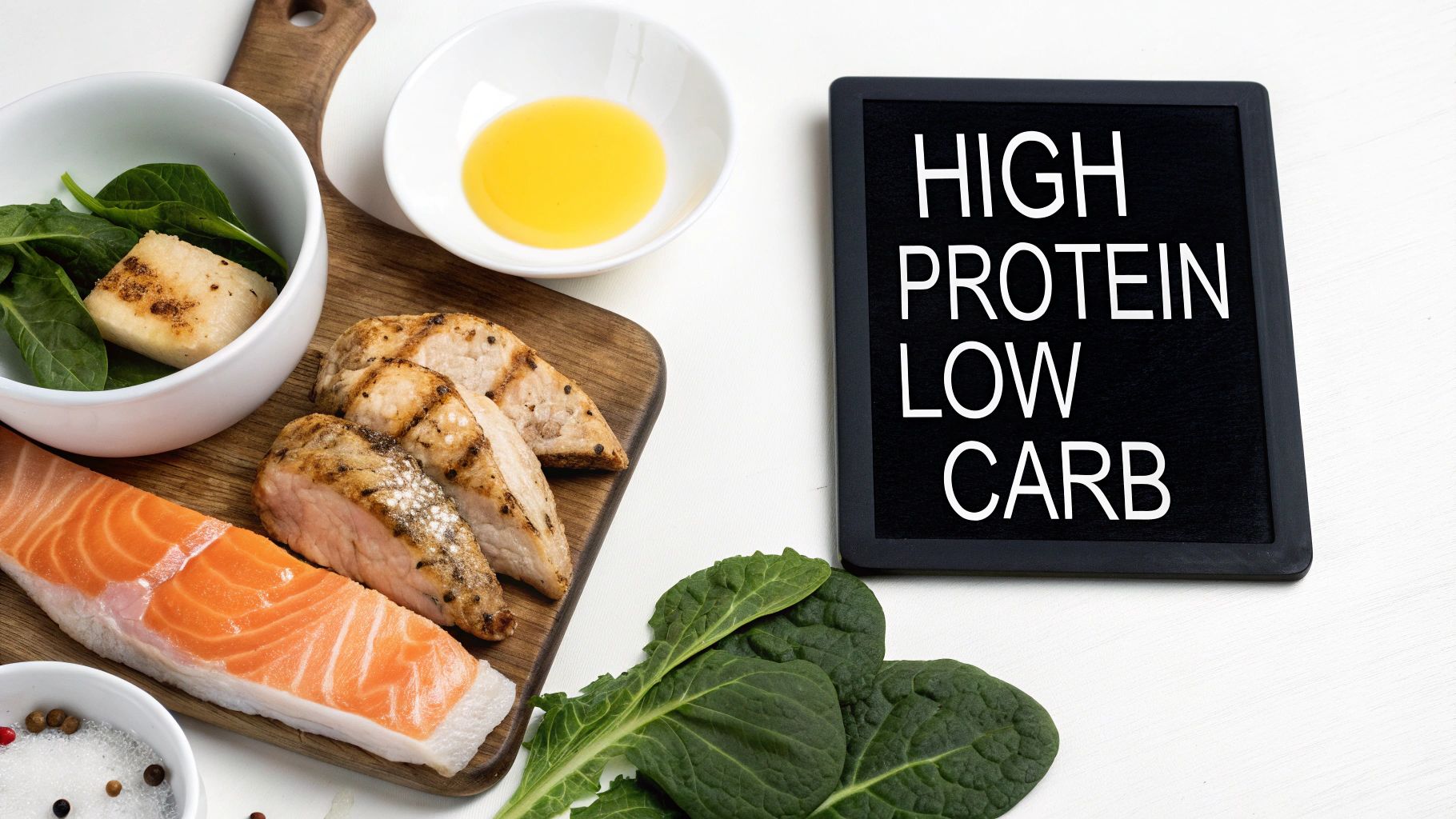
As you can see, the idea is to work with your dog's existing food, boosting its nutritional value with high-quality, targeted ingredients that matter most right now.
Key Ingredients and Their Purpose
Every single ingredient in ChowPow was chosen for a specific, supportive role. We've honed in on providing concentrated doses of the nutrients that are most critical when figuring out what to feed a dog with cancer.
- Concentrated Omega-3s: We source these for their powerful anti-inflammatory properties, which are absolutely essential for helping to counteract the chronic inflammation that cancer fuels in the body.
- Powerful Antioxidants: These little warriors work to neutralize harmful free radicals, protecting healthy cells from damage and supporting the immune system so it can do its job properly.
- Targeted Amino Acids: These are the very building blocks of protein. Providing a rich, easily-absorbed source helps fight back against muscle wasting (cachexia) and gives their body the raw materials needed to maintain strength.
By adding ChowPow to their existing kibble, you’re directly addressing the core nutritional needs of a dog with cancer: dialing down inflammation, supporting cellular health, and preserving that vital muscle mass.
ChowPow bridges the gap between knowing what your dog needs and actually getting it into their system. It’s a simple, stress-free addition that delivers high-impact support with every single meal.
A Practical Approach to Canine Cancer Nutrition
Let's be honest: overhauling a dog's entire diet can be overwhelming, and a sick dog may flat-out refuse drastic changes. A meal topper offers a much gentler way forward, enhancing their food's nutritional profile while often making it taste better, too. For owners looking for convenient ways to boost their dog's diet, exploring different options like dehydrated dog food toppers can offer some great, high-value nutritional ideas.
We designed ChowPow with this practical approach in mind. The table below breaks down exactly how each key component in our meal enhancement helps support your dog's health during this critical time.
How ChowPow Ingredients Support Your Dog
| ChowPow Ingredient | Primary Benefit for a Dog with Cancer | How It Helps |
|---|---|---|
| Omega-3 Fatty Acids | Reduces Body-Wide Inflammation | Cancer creates a highly inflammatory state. Omega-3s help calm this response, which can improve comfort and may slow disease progression. |
| Potent Antioxidants | Supports Immune Function | Antioxidants help protect healthy cells from damage caused by oxidative stress, freeing up the immune system to focus on fighting the disease. |
| Amino Acids | Prevents Muscle Wasting | Cancer often "steals" protein from muscle tissue. Supplying easily absorbed amino acids helps preserve strength and energy levels. |
Ultimately, using a meal enhancement like ChowPow provides peace of mind. You know that with each scoop, you are giving your beloved companion a concentrated dose of the very things their body needs most to keep fighting. It’s a simple action with a truly significant impact.
Tackling Appetite Loss and Other Common Challenges
It’s one of the most heartbreaking things to witness: your sick dog turning their nose up at a bowl of food. Appetite loss, also known as anorexia, is an incredibly common hurdle for dogs with cancer. It can be a direct result of the disease or a side effect of treatments like chemotherapy. When your dog won’t eat, it’s not just a worry—it actively works against their body's ability to stay strong and fight back.
But a lack of appetite doesn't mean you're out of options. Not at all. There are plenty of gentle, compassionate ways to encourage your dog to eat, helping them get the vital nutrition they need. This section is all about practical solutions to help you through these tough moments and hopefully bring a little comfort back to mealtime.
Simple Tricks to Stimulate Your Dog's Appetite
Sometimes, the smallest changes can make the biggest difference. Before you panic, give these simple but effective tricks a try to make food more enticing for a dog with a sensitive tummy or a weak sense of smell.
-
Gently Warm Their Food: Just a few seconds in the microwave (and always stir it well to get rid of any hot spots!) can make the food’s aroma so much more powerful. A rich, savory smell is often all it takes to tempt a dog who’s on the fence about eating.
-
Add a Savory Topper: A little splash of warm, low-sodium bone broth or even a spoonful of plain, boiled chicken can make their regular meal seem like a five-star dish. The goal is to add something irresistible without causing any digestive upset.
-
Hand-Feed Them: For a sick dog, the simple act of being hand-fed can be incredibly comforting. Your presence, your scent, and your gentle encouragement might just be the secret ingredient that convinces them to take those first few bites.
These little adjustments can often get you over minor appetite hurdles. If you need a few more ideas, our guide on how to get a sick dog to eat is packed with other strategies.
Managing Nausea and Treatment Side Effects
Nausea is a major villain when it comes to both cancer and its treatments. It's a huge reason why so many dogs refuse to eat. If you think your dog is feeling queasy, the game plan shifts to offering something that is both tempting and incredibly easy on their digestive system.
Think bland. Think simple. A small meal of boiled, unseasoned chicken mixed with a bit of plain, cooked sweet potato can be very soothing for an upset stomach. It delivers crucial protein and gentle fiber without being rich or overwhelming.
Remember, during these tough times, the main goal is simply to get calories and nutrients into your dog. It's completely fine to swap the "perfect" cancer diet for bland, easy-to-digest foods if that’s what they will actually eat.
The Critical Role of Hydration
Keeping your dog hydrated is every bit as important as getting them to eat. Dehydration can sneak up fast and make other symptoms worse, leaving your dog feeling even more tired and unwell. If your dog isn't drinking enough water on their own, it's time to get creative.
- Offer Ice Chips: Some dogs find crunching on ice chips or licking them out of your hand fun and refreshing.
- Mix Water into Their Food: Turning their meal into a soupy mash is a fantastic and easy way to sneak in extra fluids.
- Flavor Their Water: Try adding a tiny amount of low-sodium chicken or beef broth to their water bowl to make it more appealing.
These tactics don't just help with hydration; they can also make the food itself easier to eat. When you're figuring out what to feed a dog with cancer, don't forget to think about how their meals can pull double duty and boost their fluid intake. Every little bit helps.
Why Your Vet Is Your Most Important Ally
When your dog gets a cancer diagnosis, it can feel like you're navigating a confusing new world alone. But you're not. Your veterinarian is the single most important partner you have on this journey. Think of this guide as your detailed map—full of helpful routes and landmarks—but your vet is the experienced local guide who knows the terrain and can keep you both safe.
Before you change a single scoop of your dog's food, it's absolutely crucial to have a real, in-depth talk with your vet or a board-certified veterinary nutritionist. They're the only ones who can see the full picture of your dog's health and create a plan that truly helps, rather than harms.
No "One-Size-Fits-All" Cancer Diet
There's simply no magic diet for every dog with cancer. The right nutritional approach is deeply personal and hinges on a few key factors that only your vet can properly evaluate.
- Type of Cancer: Just like different cars need different types of fuel, different cancers can respond better to specific nutritional tweaks.
- Stage of Illness: A dog in the early stages might have very different needs than one in a more advanced stage who is struggling with muscle loss.
- Other Health Issues: This is a big one. Many dogs, especially our seniors, are also dealing with things like kidney disease, pancreatitis, or arthritis. A diet that's great for fighting cancer could be a disaster for their other conditions.
For instance, high-protein diets are often recommended for dogs with cancer, but that same diet could be downright dangerous for a dog whose kidneys are already struggling. This is exactly why a professional's oversight is non-negotiable. An improper diet can seriously worsen underlying problems. In dogs with both cancer and kidney issues, for example, too much phosphorus can increase health risks by as much as 40%. You can discover more insights about these oncology findings to see just how critical personalized care is.
Your veterinarian acts as the bridge between general nutritional guidelines and your dog’s specific medical reality. Their expertise ensures that any dietary strategy safely aligns with your dog’s complete health picture.
Getting the Most Out of Your Vet Visit
To make your conversation as productive as possible, walk into that appointment prepared. This is your chance to team up, ask every question you have, and build a solid plan together. Your vet will appreciate your initiative, and you’ll walk out feeling more in control and confident.
Think of it as a true partnership. You're the one on the ground, providing daily care and watching for changes. Your vet provides the medical expertise to make sure your actions are safe and effective.
Here are a few questions to get the ball rolling with your veterinarian or veterinary nutritionist:
- For my dog’s specific type of cancer, are there any nutrients we should be focusing on or limiting?
- Does my dog have any other health conditions we need to factor into their diet?
- Could any specific foods or supplements interact with their current medications?
- What’s a healthy target weight for my dog during treatment, and what’s the best way to track it?
- What do you think about adding a meal enhancement like ChowPow to their current food to boost nutrition and taste?
Working hand-in-hand with your vet is the smartest thing you can do. Their guidance is the most powerful tool you have to make the safest, most effective choices for your dog.
When you're navigating a cancer diagnosis with your dog, it's so easy to get hyper-focused on their food. What goes into their bowl feels like the one thing you can control. But your dog's quality of life, their day-to-day happiness, is about so much more.
True support is holistic. It’s about tending to their mind and spirit just as much as their body. Creating a calm, predictable, and low-stress environment can be just as powerful as the perfect meal plan.
Finding Comfort in the Familiar
Your dog doesn't understand the diagnosis, but they absolutely feel the changes—the vet visits, the new smells, maybe feeling a little "off." This is where routine becomes your superpower.
Keeping to familiar schedules, like their usual morning potty break or that evening cuddle session on the couch, provides a huge sense of security. These simple, predictable moments anchor their day, reducing anxiety and reassuring them that they're safe and loved, even when they don’t feel their best.
Simple Joys and Gentle Engagement
Enriching your dog's day doesn't need to be complicated or strenuous. The goal is gentle engagement that sparks a little joy without draining their energy.
Think about small things that can brighten their day:
- Gentle Walks: A slow, sniffy walk around the block can be fantastic for their mental and physical well-being. The key is to let them set the pace. If they want to stop and sniff a single blade of grass for five minutes, let them.
- Quiet Cuddle Time: Never, ever underestimate the healing power of your touch. Just sitting with your dog, stroking their fur, and speaking in a calm voice is incredibly comforting for both of you.
- Easy Brain Games: For dogs who are up for it, a simple puzzle toy or a snuffle mat with a couple of high-value, cancer-friendly treats can be a fun and welcome distraction.
The Big Picture: Your Path Forward
As you move forward on this journey, let's circle back to the core pillars of care. First, focus on a diet rich in high-quality protein and healthy fats while keeping those carbs to a bare minimum. Second, give their meals a boost with a targeted, easy-to-digest supplement like ChowPow. And finally, and most importantly, always partner with your veterinarian. They are your most valuable guide.
This thoughtful, proactive approach to care isn't just a niche idea; it's a growing movement. The global pet cancer therapeutics market was valued at a staggering USD 371.6 million in 2023, highlighting a massive demand for supportive care, including specialized nutrition. Countless dog owners report seeing brighter eyes and more wiggly tails after making these very shifts, a testament to how much this all matters. You can learn more about these pet care market findings and see you're not alone.
Your role in this journey is one of profound love and empowerment. Through thoughtful nutrition, a comforting environment, and a strong partnership with your vet, you are making a positive, tangible impact on your dog’s life every single day.
Got Questions? We've Got Answers
When you're navigating a cancer diagnosis for your dog, the questions can feel endless. It's completely normal. Here, we'll tackle some of the most common things pet owners ask, giving you clear, straightforward answers to help you feel more confident.
Can I Just Make My Dog's Food at Home?
Absolutely, and many owners find great comfort in controlling every single ingredient that goes into their dog's bowl. But it's a serious commitment. Whipping up a cancer-supportive diet is a world away from just boiling some chicken and rice; you have to nail the precise ratios of protein, fats, vitamins, and minerals your dog needs to thrive.
If you decide to go this route, it's absolutely essential to partner with a board-certified veterinary nutritionist. They're the experts who can create a complete and balanced recipe tailored to your dog's specific situation. A well-intentioned mistake here can unfortunately lead to serious nutritional gaps.
What Do I Do If My Dog Won't Eat?
Losing their appetite is one of the most common and stressful challenges. The first thing to try is making their food more enticing. Gently warming it up can release a lot of tempting aromas, or you can add a little bit of low-sodium bone broth to their bowl.
This is exactly where a high-value meal topper can be a game-changer. A sprinkle of something like ChowPow does two things at once: it adds an irresistible, beefy flavor that can tempt even the fussiest eaters, and it boosts their meal with targeted, high-quality nutrients. It's a simple way to add powerful nutrition to their existing kibble without overhauling their entire diet.
How Does Food Fit in with Chemo or Other Treatments?
Think of nutrition and veterinary treatments as a one-two punch against cancer. The right diet provides the strong foundation your dog's body needs to withstand the rigors of chemotherapy or radiation. It's the fuel that helps maintain muscle mass, supports their immune system, and gives them the energy to heal.
Nutrition isn't a replacement for medicine, but it's a powerful teammate. It plays a huge supportive role in improving your dog's quality of life and giving them the strength to better handle the physical demands of their treatment plan.
Are Fruits and Veggies Okay to Add to Their Meals?
Yes, many are not only safe but incredibly beneficial! Their antioxidant content is fantastic for supporting the body. Low-glycemic vegetables like broccoli, cauliflower, and green beans are excellent choices. Berries, especially blueberries, are also a great addition in moderation.
The key is knowing which ones to avoid. Grapes, raisins, and onions, for example, are toxic to dogs. Always introduce any new food slowly to watch for digestive upset, and run it by your vet first—some produce may not be ideal depending on your dog’s specific health needs.
This kind of proactive nutritional care is getting smarter all the time. Cancer will strike one in four dogs, a heartbreaking statistic that has thankfully pushed research forward. A groundbreaking 2023 study used genomic data from over 2,000 dogs to better understand how specific diets can support precision treatments. You can read more about these canine cancer research insights to see just how personalized this field is becoming.
At ChowPow, we know you want to do everything you can for your dog without adding more stress to your plate. Our dehydrated beef heart topper is a simple, powerful way to enhance their current food with the high-quality protein and nutrients they need most right now. Give their bowl a boost—you might be surprised by what a little sprinkle can do.
-
Product on sale
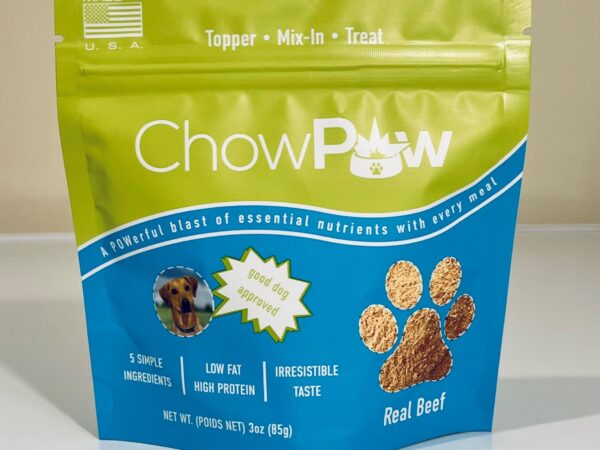 Dog Food Topper - Beef HeartOriginal price was: $14.99.$10.95Current price is: $10.95. - or subscribe and save up to 20%