
Abscess in Dogs: Symptoms, Treatment & Recovery Guide
You’re rubbing your dog’s belly, enjoying a quiet moment, and then your hand stops on something that was not there yesterday, a lump. Maybe it feels warm. Maybe your dog flinches. Maybe there’s a small scab in the middle and now your mind is racing.
That reaction is normal.
An abscess in dogs is one of those problems that can look dramatic and feel scary fast. The good news is that it is also a problem veterinarians deal with often. In simple terms, an abscess is a pocket of infection. Your dog’s body is trying to contain bacteria by walling the area off. That helps limit spread, but it also creates pressure, pain, swelling, and pus.
Some abscesses sit just under the skin and are easy to spot. Others show up in less obvious places, like a tooth root or an anal gland. A few are deeper and more serious. What they all have in common is this: They need veterinary attention, not guesswork at home.
If you found a new lump, drainage, facial swelling, or a sore area your dog keeps licking, you are right to pay attention. Prompt care usually means faster relief, less pain, and a smoother recovery.
That Scary Lump What Every Dog Owner Should Know
A dog abscess often starts with a small event you may never even notice, such as a tiny bite during rough play. A thorn under the skin. A damaged tooth. A blocked anal gland. Then, a day or two later, the area swells and suddenly looks much more serious than the original problem.

Think of an abscess like a sealed, inflamed pocket. Bacteria get into tissue where they do not belong. Your dog’s immune system sends in white blood cells to fight back. Fluid, dead cells, and debris build up. The body then walls that material off. This is why the lump can feel tense, sore, or squishy.
Why it looks so alarming
Abscesses can appear quickly. A dog may seem fine in the morning and by evening have a lump, redness, or obvious discomfort.
Pet parents often worry that every new lump might be a tumor. That fear is understandable, but abscesses and tumors are not the same thing. An abscess is an infection; many dogs feel better once the pressure is relieved and the infection is treated properly.
What matters most right now
Do not squeeze it. Do not poke it. Do not wait several days to “see if it pops.”
Key takeaway: A suspicious lump that is warm, painful, draining, or rapidly changing should be checked by a veterinarian as soon as possible.
The main thing to remember is reassuring. Most abscesses are treatable. Your job is to notice the signs early and get help before the infection digs in deeper.
How to Spot the Signs of a Canine Abscess
A canine abscess often announces itself in small ways before it becomes an obvious lump. Your dog may suddenly flinch when you touch one spot, keep licking the same area, or seem less interested in dinner. Those clues matter because dogs often show pain through behavior first and swelling second.

What you might notice on the body
On the skin, an abscess usually looks like a rounded swelling that appears quickly and feels tender. The area may be red, warm, or stretched tight. In some dogs, the fur thins over the lump. In others, you may only notice that one spot suddenly seems sore.
If the abscess breaks open, you might see a small hole or oozing fluid. The discharge can be bloody, yellow, green, or foul-smelling. That can look dramatic, but the infection is still present under the surface and needs veterinary care.
The texture can be confusing. Some abscesses feel firm at first. Others feel soft or fluid-filled, a bit like a water balloon under the skin. Both can be painful.
Changes in behavior are often the first clue
A sore, infected pocket changes how a dog moves through the day.
Watch for signs like these:
- Repeated licking or chewing at one spot
- Pulling away when touched
- Limping if the abscess is on a paw, leg, or between the toes
- Low energy or hiding
- Reduced appetite, especially if your dog seems painful or feverish
This is one place pet parents get tripped up. A dog does not need to have a huge visible lump to have a painful abscess. If your dog is acting like one area hurts, believe that signal.
Different locations create different symptoms
The location changes the pattern.
A dental abscess often causes swelling under the eye or along the cheek because the infected tooth root sits below the surface. Dogs may drool, paw at the mouth, chew on one side, or stop wanting crunchy food.
An anal gland abscess usually shows up as swelling beside the anus, rear-end licking, scooting, pain when sitting, or a sore that suddenly opens and drains near the back end.
A paw abscess can be easy to miss because all you see at first is limping or constant licking. If you spread the toes gently, you may find redness, swelling, or a tender spot between them.
Abscess Symptoms by Type
| Abscess Type | Common Location | Key Symptoms |
|---|---|---|
| Skin abscess | Anywhere under the skin, often after a bite or puncture | Swelling, warmth, pain, redness, discharge, licking |
| Dental abscess | Tooth root, face, under the eye | Facial swelling, drooling, bad breath, pain eating |
| Anal gland abscess | Beside the anus | Scooting, rear-end licking, swelling, pain sitting, drainage |
| Paw abscess | Between toes or pads | Limping, licking paw, swelling, tenderness |
When not to wait
Call your vet promptly if your dog has a painful lump, drainage, facial swelling, marked tiredness, or refuses food.
Tip: If your dog suddenly resists being touched in one place, do a slow nose-to-tail check in good light. Start by looking, then use gentle fingertips. You are checking for heat, swelling, moisture, and pain, not trying to press the area.
One more point can save time and stress. Dogs heal best when we support the whole body, not just the sore spot. Once your veterinarian confirms what is going on, good hydration, easy-to-eat meals, and enough protein can help a recovering dog keep up the energy needed for tissue repair while the infection is being treated.
Why Do Dogs Get Abscesses
An abscess usually starts with a simple problem. Bacteria get under the skin or into deeper tissue through a small break, and the body tries to wall that infection off in one place. That protective response works like putting a fence around a fire. It helps contain the spread, but it also creates pressure, pain, and a pocket of pus.
Sometimes the opening is obvious, such as a bite mark. Sometimes it is so small you never see it.
Bite wounds and punctures
Dog bites are a common cause because teeth can push bacteria deep below the surface. The skin may seal over fast, trapping germs where air cannot reach them easily. A lump can then appear a day or two later, even if the original wound looked minor.
Punctures from thorns, sticks, splinters, or grass seeds can do the same thing. These injuries act like a dirty needle. They carry bacteria inward, and they may leave a tiny piece of material behind that keeps the infection going until a veterinarian removes it.
Dental disease and anal glands
Some abscesses begin in places pet owners do not immediately check. A tooth root infection can build below the gumline and show up as swelling on the face, often under the eye. What looks like a skin problem may start in the mouth.
Anal gland abscesses follow a similar chain of events. The gland does not empty well, material builds up, irritation grows, and bacteria multiply in that closed space. Once pressure rises enough, the area can become very painful and may burst.
Why one dog gets an abscess and another does not
The trigger matters, but the dog's overall condition matters too. Dogs with skin folds, recurring ingrown hairs, allergy-related skin irritation, heavy tartar, or frequent paw inflammation may have more chances for bacteria to get past the body's normal barriers.
Healing strength matters as well. A dog fighting an infection needs enough water, calories, and protein to repair tissue and support the immune system. Veterinary treatment handles the infection itself, but recovery often goes more smoothly when home care supports the whole body. During the healing period, some families also review practical after-surgery dog care basics because many of the same principles apply, such as rest, wound monitoring, hydration, and easy-to-eat meals.
The bacteria are only part of the problem
Bacteria cause the infection, but swelling and trapped pressure create much of the pain your dog feels. That is why an abscess often seems to get worse quickly once it forms. The body is trying to contain the infection, yet that same process creates a sore, tight pocket that usually needs treatment.
Internal abscesses can be harder to recognize
Some abscesses form deeper in the body, including in organs or deep tissues. These are much less visible than a lump under the skin. A dog may only seem tired, sore, feverish, or uninterested in food.
Abscesses are usually the end result of a small injury, blocked structure, or hidden infection that gave bacteria the chance to settle in. Finding that starting point helps your veterinarian treat the current abscess and lowers the odds of another one forming later.
What to Expect at the Vet for an Abscess
A vet visit for an abscess often feels scary at first. Many dogs walk in with a painful, swollen lump and walk out more comfortable because the pressure has finally been relieved.

The exam and diagnosis
Your veterinarian usually starts with three simple questions: What is this lump, how far does it extend, and what caused it?
To answer that, they will examine the swelling, check your dog’s temperature, and look for clues from the location. A lump under the jaw raises different concerns than one near the tail or between the toes. They may also ask about recent scuffles, chewing, foxtails or grass awns, dental problems, or scooting.
A common test is a fine-needle aspirate. That means the vet places a small needle into the lump and withdraws some material to see whether it contains pus, blood, or another type of fluid. It is a quick way to tell whether the swelling behaves like an abscess or whether another problem, such as a cyst or tumor, needs a different plan.
If the abscess seems deep, unusually firm, or close to sensitive structures such as the eye, throat, or abdomen, your vet may recommend imaging or other tests before treatment.
Why treatment often starts with drainage
An abscess is a sealed pocket of infection. It works a bit like a splinter under pressure. The trapped material and swelling can hurt as much as the bacteria themselves.
That is why drainage is often the first step.
Your vet may:
- Clip the hair so the area can be cleaned and seen clearly
- Open and drain the pocket in a controlled, sterile setting
- Flush the cavity to wash out pus and debris
- Look for the source, such as a puncture wound, foreign material, damaged tooth, or anal gland problem
Some dogs tolerate this with local pain control and gentle restraint. Others need sedation, especially if the area is very sore or the abscess is in a delicate spot. If the pocket is large, your veterinarian may place a temporary drain so fluid can keep escaping instead of building up again.
When a simple lance is not enough
Some abscesses need surgery rather than basic drainage. This is more common when the infection runs deep, dead tissue must be removed, the abscess keeps coming back, or the location makes access difficult.
In those cases, anesthesia lets the vet clean the area thoroughly and search for the hidden cause. That cause matters. If a grass awn, damaged tooth root, or diseased anal gland remains in place, the abscess can refill like a clogged drain that was never fully cleared.
If your dog needs a procedure, it helps to review practical post-operative dog care steps at home before discharge so you know how to handle rest, medications, and wound checks.
A short visual overview can also help if you are nervous about what treatment may involve.
Medications, rechecks, and healing support
Most dogs go home with pain relief, and many also need antibiotics. If your vet collected a sample for culture, they may change the antibiotic later to match the bacteria more precisely.
Rechecks matter because an abscess can look better on the surface before the deeper tissue has settled down. If a drain was placed, your vet needs to decide when it is ready to come out. If the abscess involved a tooth or anal gland, your dog may need follow-up care for that underlying problem too.
This is also the point where home support starts to matter more than many owners expect. Healing tissue needs protein, fluids, and enough calories to rebuild itself, especially if your dog has been eating poorly from pain or fever. Veterinary treatment removes infection and pressure. Good recovery care, including easy-to-eat nourishing meals, helps the body do the repair work.
Key takeaway: The goal is not just to pop the lump. Your veterinarian is relieving pressure, clearing infected material, controlling pain, and fixing the reason the abscess formed in the first place.
Supporting Your Dog's Recovery at Home
Once your dog is back home, healing becomes a team effort. The veterinary treatment handles the infection itself. Your daily care helps the tissue repair cleanly and keeps small setbacks from turning into major ones.

Your home care checklist
A few habits make a big difference.
- Use the e-collar: Licking introduces bacteria, irritates tissue, and can reopen the area.
- Give every prescribed medication: Stopping early is a common reason infections linger.
- Check the wound daily: Look for swelling, discharge, bad odor, or renewed pain.
- Keep bedding clean: Fresh blankets help lower contamination around a draining site.
- Follow activity limits: Too much running or rough play can increase swelling and delay closure.
If your vet told you to use warm compresses, do it exactly as directed. Warmth can improve circulation and encourage drainage in the right stage of healing. It should feel gently warm, never hot.
What healing usually looks like
The area may still look messy for a little while, especially if the abscess was large or had to stay open to drain. Mild seepage early on can be expected in some cases. What you want to see over time is less swelling, less tenderness, and a dog who seems more comfortable each day.
Contact your vet promptly if:
- The swelling returns
- Drainage suddenly increases
- Your dog stops eating
- The area smells foul
- Your dog becomes listless or feverish
Food can support healing
Recovery takes energy. A dog who is fighting infection and rebuilding tissue needs consistent calories, protein, hydration, and key nutrients. That matters even more if your dog is older, picky, or recovering from surgery at the same time.
According to VCA’s guidance summarized in the verified data, nutrients such as zinc and omega-3s can support collagen synthesis and help moderate inflammation, and wound-model findings suggest they may potentially shorten healing time by 20 to 30% when nutritional needs are well supported (VCA guidance referenced in the verified data).
This does not replace veterinary treatment. It supports the body while treatment does its job.
Tip: If your dog is eating less because of pain, ask your vet whether softening meals, adding warm water, or changing medication timing might help.
Make medication easier, not stressful
Many recovering dogs become suspicious the moment they see a pill. Try keeping the routine calm and predictable. Offer medication with a small amount of approved food if your vet says that is okay. If your dog needs a bland or softened meal for comfort, keep portions consistent so you can tell whether appetite is improving.
Small daily observations matter. Is your dog more willing to stand up? Less focused on the sore spot? Finishing meals more reliably? Those are useful signs of progress.
The Role of Nutrition in Healing an Abscess
A healing body has a long to-do list. It has to fight bacteria, clear damaged tissue, rebuild skin and connective tissue, and keep the immune system running well enough to prevent the infection from regaining ground. That work depends on nutrition.
Why appetite often drops
Dogs with abscesses may eat poorly for several reasons. Pain makes chewing unpleasant, especially with dental infections. Fever can blunt appetite. Antibiotics or stress can upset the stomach. If the abscess was drained or surgically treated, your dog may feel worn out. Pet parents often get stuck at this stage.
What the body needs during recovery
Protein matters because tissue repair needs amino acids. Hydration matters because sick dogs can become reluctant drinkers. A nutrient-dense addition to regular meals can be useful when a dog is only willing to eat a smaller volume.
For immune support and recovery nutrition, it can also help to read practical guidance on ways to boost dog immune system support.
Some pet parents do best with a simple approach:
- Add a flavorful topper to regular kibble to improve interest in food.
- Mix a topper with water to make meals softer and more aromatic.
- Use a small amount of food to help with medication acceptance, if your veterinarian approves.
Nutrition supports care. It does not replace it.
This point is worth being very clear about. Meal enhancements are not a substitute for drainage, antibiotics, pain control, dental treatment, or anal gland care when those are needed.
They are helpful because they support the dog who is doing the healing.
For many recovering dogs, the practical win is not some dramatic “superfood” effect. It is that the dog eats the meal, gets protein, drinks more willingly, and experiences less stress around medication time. In real life, those basics matter.
Key takeaway: The best recovery diet is one your dog will reliably eat, one that supports protein intake and hydration, and one that fits the plan your veterinarian has prescribed.
If your dog has another medical condition, such as kidney disease, pancreatitis, or severe dental pain, ask your vet before changing foods or adding supplements. The right nutritional support should make recovery smoother, not complicate it.
How to Prevent Future Abscesses
A future abscess often starts as something easy to miss. A tiny puncture under thick fur. A cracked tooth hiding in the back of the mouth. Irritated anal glands that keep getting inflamed. Prevention works best when you treat those small problems like sparks near dry grass. Catch them early, and they are much less likely to turn into a painful pocket of infection.
Lower the risk outside
Bite wounds, thorn pricks, and splinters are common starting points. If your dog gets overstimulated around unfamiliar dogs, give greetings more structure or skip them. Calm, controlled interactions reduce the chance of the kind of puncture wound that seals over on top and traps bacteria underneath.
Outdoor checks matter too. After walks, hikes, or rough play, run your hands over your dog and look closely at paws, between toes, skin folds, armpits, groin, and ears. You are checking for small holes, stuck plant material, tender spots, and areas your dog suddenly does not want touched.
Skin that is itchy and inflamed is easier to damage. If your yard has a heavy parasite problem, reducing flea and tick exposure may help limit scratching and self-trauma. For pet owners exploring outdoor prevention, this guide to yard treatment for ticks and fleas is a useful starting point.
Small injuries deserve quick attention. If your dog often comes home with scrapes or paw nicks, this guide to treating your dog's cut paw can help you respond early before irritation turns into infection.
Stay ahead of dental and skin trouble
Some abscesses begin far from where they seem to appear. A swelling under the eye may start with an infected tooth root. That is why home dental care and regular veterinary dental exams matter, even if your dog is still eating.
Skin needs the same kind of quiet attention. Dogs with dense coats, deep wrinkles, or a favorite licking spot can hide moisture, debris, and tiny wounds. During grooming, part the fur and look all the way down to the skin. Redness, odor, damp patches, or a suddenly sensitive area can be early warning signs.
Do not overlook anal gland support
Anal gland abscesses are one of the clearest examples of how prevention is not only about cleaning and watching. It is also about what comes out in the stool.
Firm, well-formed stools help the anal glands empty more normally during bowel movements. As noted by FirstVet's discussion of abscess causes and treatment options, diet is often overlooked in anal gland prevention. For some dogs, toppers that include natural fiber sources such as carrots and celery may help support stool quality, which can lower the chance of impaction and infection.
That does not mean every dog needs a topper or a diet change. It means nutrition can support the body mechanics that help prevent this specific kind of abscess. If your dog has recurring anal gland trouble, ask your veterinarian which diet adjustments make sense for your dog’s age, weight, and medical history.
A simple prevention routine
- After outdoor time: Check for punctures, burrs, sore spots, and swelling.
- Each week: Look in the mouth and around the tail area.
- At grooming time: Part the fur and inspect the skin closely.
- At mealtime and potty breaks: Notice changes in chewing, stool quality, licking, or scooting.
- If something seems off for more than a day: Schedule a veterinary exam before a small issue has time to seal over and fester.
Prevention is usually quiet, not dramatic. A few careful checks, good follow-through, and the right nutrition can spare your dog a lot of pain later.
Your Questions About Dog Abscesses Answered
Can I treat an abscess in dogs at home?
Home treatment should focus on support, not drainage. An abscess is like a pocket of infection under pressure. If you squeeze or lance it at home, you can push bacteria deeper into the tissue, miss the true source, and cause a painful reaction if your dog jerks or bites.
The safest first step is to book a veterinary exam. After that, home care usually means giving medications exactly as prescribed, keeping the area clean if your veterinarian advises it, and helping your dog rest and eat well enough to heal.
Will it go away if it bursts?
Sometimes a burst abscess looks better for a moment because some of the pressure is gone. The problem is that the infection often does not end there. Pus, damaged tissue, and the original cause can still remain under the surface.
That is why a draining abscess still needs veterinary attention. Your dog may need the area flushed, pain relief, antibiotics, or treatment for the trigger, such as a tooth problem, bite wound, or anal gland infection.
Are abscesses always emergencies?
Some can wait for the next available appointment. Some cannot.
Seek urgent care if your dog has swelling around the face or neck, trouble breathing, trouble swallowing, severe pain, marked tiredness, vomiting, collapse, or a suddenly worsening condition. Those signs can point to a deeper infection or swelling in a dangerous location.
Can an abscess come back?
Yes. Abscesses often return when the underlying cause is still there. A broken tooth root, a grass awn under the skin, or chronic anal gland disease can restart the cycle even after the swelling improves.
Follow-up matters here. Rechecks, finishing all prescribed medication, and paying attention to eating, stool quality, licking, and energy level can help your veterinarian catch lingering problems early. Nutrition can help too. A dog who eats enough protein, calories, and fluids is usually better equipped to repair tissue and stay on track during recovery.
What about deeper abscesses inside the body?
Internal abscesses are much more serious than the skin lumps pet owners usually notice first. They can affect organs, spread infection through the body, and make a dog very sick before there is anything obvious to see from the outside.
Warning signs may include fever, vomiting, low appetite, belly pain, weakness, or behavior that just feels wrong for your dog. If your veterinarian is concerned about an internal abscess, fast testing and treatment are needed.
How long does healing take?
Healing time depends on the abscess location, how much tissue is involved, whether it was drained, and what caused it in the first place. A simple skin abscess may improve fairly quickly after proper treatment. A deep wound, dental abscess, or internal infection usually takes longer and often needs rechecks.
Recovery is also about what your dog can handle day to day. If eating is uncomfortable, nausea is present, or medication causes a poor appetite, healing can slow down. Softened meals, extra moisture, and a palatable topper can make it easier for some dogs to keep eating while they recover.
If your dog is recovering from an abscess, eating well can make day-to-day care much easier. ChowPow is a dehydrated beef heart meal topper designed to boost the nutritional value and flavor of your dog’s current food, not replace it. You can sprinkle it over kibble, mix it with water for a savory broth, or use it to help disguise medication for picky eaters, seniors, and dogs getting back on their feet after illness or surgery.
-
Product on sale
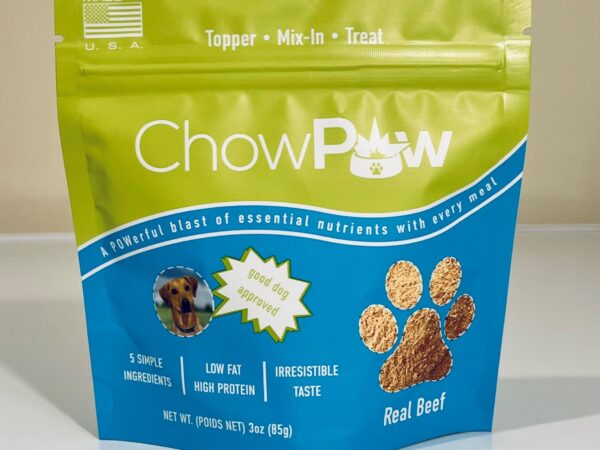 Dog Food Topper - Beef HeartOriginal price was: $14.99.$10.95Current price is: $10.95. - or subscribe and save up to 20%