
Are Bully Sticks Safe for Dogs? The Complete 2026 Guide
So, are bully sticks safe for dogs? The short answer is yes, but it comes with some really important “if’s.” Vets often prefer them over rawhide because they’re a single-ingredient, highly digestible chew, but that doesn’t mean they’re risk-free. True safety comes down to picking the right stick for your dog, knowing the potential pitfalls, and supervising them while they chew.
The Honest Answer to Bully Stick Safety
If you've ever felt dizzy from all the conflicting advice on dog chews, you're not alone. One minute, bully sticks are the ultimate natural treat. The next, you’re hearing horror stories that make you second-guess everything. My goal here is to cut through that noise and give you the confidence to make the best choice for your dog.

Let’s be real: no dog chew is 100% risk-free. But with the right know-how, you can bring those potential dangers way, way down. This isn’t about scaring you away from a treat your dog clearly loves; it’s about empowering you with practical, easy-to-follow safety tips.
The golden rule of safe chewing is simple: match the chew to the chewer. A bully stick that’s perfect for a 15-pound Boston Terrier could be a serious choking hazard for a 90-pound German Shepherd.
We're going to walk through the four biggest risks—choking, bacteria, calories, and dental damage—and I'll give you simple, actionable steps to turn this popular treat into a safe and fun experience. Think of this as your go-to guide for making a smart decision about your dog’s well-being.
Bully Stick Safety at a Glance
Before we get into the nitty-gritty, here's a quick cheat sheet covering the main safety factors every dog owner should have on their radar.
| Safety Factor | Potential Risk | Best Practice |
|---|---|---|
| Size & Shape | Choking on small end pieces or swallowing large chunks. | Choose a stick longer than your dog’s muzzle and thick enough to resist being swallowed whole. |
| Bacterial Contamination | Exposure to pathogens like E. coli or Salmonella from improperly processed sticks. | Buy from reputable brands that irradiate or properly cook their products. Wash hands after handling. |
| Calorie Content | High protein and fat can lead to weight gain if given too often. | Treat bully sticks as a special, occasional chew—not a daily snack. Adjust daily food accordingly. |
| Dental Health | Extremely hard sticks can fracture teeth, especially in aggressive chewers. | Select a slightly softer, air-dried stick and supervise to prevent overly aggressive chewing. |
This table gives you the basics, but keep reading to understand the why behind each of these best practices.
Navigating the Benefits and Risks
To make a truly informed choice, you need to see both sides of the coin. On one hand, bully sticks have some major advantages over other chews on the market. On the other, ignoring the potential hazards can lead to some serious, and expensive, problems.
Here’s a quick rundown of what every owner needs to know:
- Key Benefit – Digestibility: Made from 100% beef muscle, they are fully digestible. This is a huge plus compared to rawhide, which can swell and cause dangerous blockages.
- Key Risk – Choking: This is the most common danger. It happens when a dog chews the stick down to the last few inches and tries to swallow that small, hard nub. It can easily get lodged in their throat or cause an internal obstruction.
- Key Benefit – Dental Health: All that gnawing isn't just for fun! The chewing action helps scrape away plaque and tartar, which is great for promoting healthier teeth and gums.
- Key Risk – Calories: These treats are packed with protein and calories. Without mindful feeding, they can contribute to unhealthy weight gain, especially for smaller or less active dogs.
We’ll dive much deeper into how to manage each of these points later in the guide.
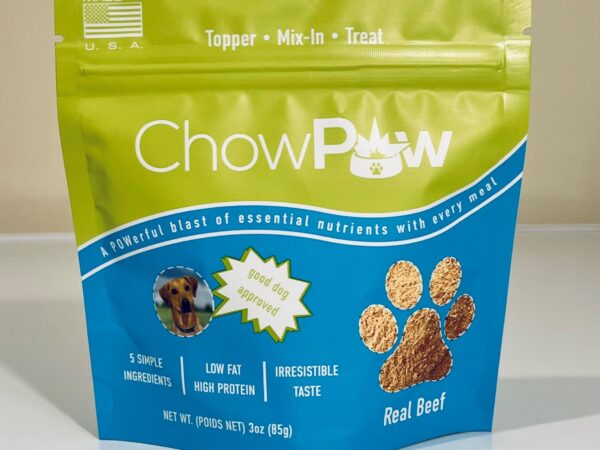
For some dogs—especially picky eaters or those with sensitive teeth—a hard chew isn't always the right answer. A nutrient-dense meal enhancement like ChowPow can be a fantastic way to boost their meal's appeal and nutritional value without the risks that come with hard chews. Remember, ChowPow is a meal supplement designed to enrich your dog's current food, not replace it.
So, What Exactly Is a Bully Stick?
Plenty of us toss our dogs a bully stick without a second thought—we just know they go nuts for them. But if we're going to talk about whether they're truly safe, we have to get clear on what they actually are. Let's pull back the curtain on this super popular chew.

A bully stick is a single-ingredient dog chew made from 100% beef pizzle. If you're not familiar with the term, "pizzle" is just the technical word for a bull's penis. That might sound a little jarring, but it's this all-natural origin that makes them so special.
Unlike so many processed chews packed with artificial binders, weird colors, and mystery flavors, a bully stick is simply a piece of high-protein muscle. Its simplicity is its greatest strength, offering a natural and satisfying chew for dogs of all shapes and sizes.
From Farm to Chew
The journey from farm to your dog's chew toy is pretty straightforward, but the process is crucial for making a safe, high-quality product. Knowing the steps involved helps you understand why splurging on a reputable brand is well worth it for your dog's health.
First, the raw beef muscle is cleaned thoroughly to get rid of any impurities. After that, it gets stretched and is often braided or twisted into different shapes and thicknesses. The final, and most important, step is a slow drying process—either baking or air-drying—that wicks away moisture and hardens the muscle into the tough, long-lasting chew your dog loves.
This careful preparation is what separates a premium bully stick from a questionable one. A quality chew will be properly cleaned and dried, which significantly cuts down the risk of bacterial contamination and makes for a more consistent, safer product.
Why Its Makeup Matters for Safety
The fact that bully sticks are pure muscle tissue is a huge piece of the safety puzzle, especially when it comes to digestion. Because of this natural composition, they are easily broken down by your dog's stomach acids.
Bully sticks have consistently proven to be one of the most digestible dog chews out there. Veterinary research backs this up, often highlighting how much safer they are than alternatives like rawhide. Rawhide is made of chemically treated collagen that can be tough for a dog's system to break down. Bully sticks, on the other hand, are just muscle that digests through the normal enzymatic process in a dog's stomach. For a deeper dive into this vet-backed research, check out the insights on BullySticksDirect.com.
Knowing what a bully stick is—and how it’s made—is the first step toward making a confident choice for your pup. By understanding its single-ingredient nature, you can better appreciate both its benefits and the potential risks we'll get into next.
Here are the four biggest risks to watch out for when giving your dog a bully stick, and how to stay ahead of them.
While bully sticks are a fantastic, long-lasting chew, they aren't totally risk-free. Your job as a pet parent is to be aware of the potential issues and take a few simple steps to make chew time safe and fun. By understanding the four main concerns—choking, contamination, calories, and dental damage—you can easily manage them.
Let's break down each one.
Choking and Blockages: The Top Concern
Without a doubt, the number one danger with bully sticks is the risk of choking or causing an intestinal blockage. This almost always happens when your dog has chewed the stick down to a small, hard nub. They're so excited to finish their treat that they try to swallow that last piece whole, which can get stuck in their throat or further down the digestive tract.
This isn't a minor worry; it’s a major concern for dog owners everywhere. In a survey of 812 dog owners, a whopping 85.8% said the chance of a bully stick getting stuck in their dog’s stomach or intestine was a primary risk. You can see the full survey findings here to get a sense of how common this fear is.
The great news? This risk is almost completely preventable with one simple tool.
Solution: A Bully Stick Holder
A bully stick holder is a non-negotiable safety gadget for any dog that loves these chews. It’s a simple device that grips the end of the stick, making it physically impossible for your dog to swallow that final, dangerous piece. Think of it like a car seat for your dog's chew time—it secures the object and prevents a predictable accident.
Bacterial Contamination and Sourcing
The second big risk is bacterial contamination. Since bully sticks are a natural animal product, they can carry nasty bacteria like E. coli or Salmonella if they aren't processed correctly. Low-quality sticks from unregulated sources often skip crucial safety steps, putting both your dog and your family at risk.
This is where paying attention to the brand and its sourcing really matters. You want to buy from a company that’s transparent about how they make their products and puts safety first.
- Look for Irradiation or Proper Cooking: Good brands use methods like irradiation or thorough cooking to kill off any harmful pathogens. This is a clear sign a company is committed to safety.
- Check the Country of Origin: Stick with bully sticks sourced from countries with high food safety standards, like the United States, Canada, or Brazil.
- Wash Your Hands: Simple but important. Always wash your hands with soap and water after handling a bully stick, just like you would after touching raw meat.
By being a smart shopper and practicing good hygiene, you can dramatically lower the risk of bringing harmful bacteria into your home.
High Calorie Count and Weight Management
A lot of owners don't realize that bully sticks are far from a "zero-calorie" snack. They're packed with protein and fat, which means they come with a hefty calorie count. A single 6-inch bully stick can have anywhere from 80 to 150 calories, depending on how thick it is.
For a small or medium dog, that can be a big chunk of their daily calorie budget. If you give them bully sticks too often without adjusting their meals, it can easily lead to weight gain.
The best way to manage this is to follow the "10% rule" that veterinarians recommend.
The 10% rule is simple: treats should never make up more than 10% of your dog's total daily calorie intake. This keeps treats as a fun bonus, not a source of unhealthy extra pounds.
On days your dog gets a bully stick, just cut back a little on their kibble to balance things out. It's also a good idea to limit bully sticks to a few times a week instead of every day to help keep their weight on track.
Dental Damage and The Thumbnail Test
Finally, while chewing is great for a dog's teeth, a chew that’s too hard can cause serious problems like cracked or broken teeth. This is especially true for senior dogs with more brittle teeth or for "power chewers" who go to town on their chews. Bully sticks are generally much safer than super-hard options like antlers or some bones, but it's still smart to check their hardness. If you want to learn more about other chews, check out our guide on which bones are safe for dogs.
There's an easy way to see if a chew is too hard: the thumbnail test.
- Press Your Thumbnail into the Chew: Try to make a dent in the surface of the bully stick with your thumbnail.
- Check the Result: If you can leave a small mark, the chew probably has enough "give" to be safe for your dog's teeth. If it's rock-hard and you can't make an impression at all, it might be too dense and could pose a risk for a tooth fracture.
Supervising your dog is also key. If you see them chewing frantically with aggressive force, it's a good idea to take the stick away for a bit and let them calm down.
For dogs with existing dental problems, or for owners who want to avoid hard chews entirely, making their regular food more exciting can be a great alternative. A meal topper like ChowPow adds amazing flavor and a nutritional boost to their kibble without any of the risks of hard chews. It’s a perfect way to supplement their diet, as it's designed to make their existing food better, not replace it.
How to Choose the Safest Bully Stick
Walking down the chew aisle can feel overwhelming. With a wall of options staring back at you, how can you be sure you're picking a truly safe bully stick for your dog? The good news is, you don’t need a degree in canine nutrition to make a smart choice. You just need to know what to look for.
By zeroing in on three key factors—size, source, and smell—you can confidently grab a chew that dials down the risks and amps up the fun. Think of it as your simple, go-to checklist every time you shop.
Match the Stick to Your Dog
The single most important safety decision you'll make is getting the size right. A bully stick that's too small is a serious choking hazard. On the flip side, one that's too thin for a powerful chewer will be gone in minutes, completely defeating the purpose of a long-lasting treat.
The rule of thumb is simple: the stick should be wider than your dog's throat and longer than their muzzle. This simple check makes it much harder for them to even attempt to swallow it whole.
Here’s a quick guide to matching the stick's thickness to your dog's chewing style and weight:
- Thin or Standard Sticks: These are perfect for the gentle chewers, puppies, and small breeds under 25 pounds. They offer a satisfying chew without being too much of a challenge.
- Thick or Jumbo Sticks: Got a medium to large breed dog (over 30 pounds) or a certified "power chewer" like a Pitbull or Rottweiler? You need a thicker stick that can stand up to some serious jaw strength.
- Braided Sticks: These are a fantastic option for aggressive chewers of any size. The braided design makes for a thicker, more durable chew that takes a lot longer to break down.
Below is a helpful decision tree to guide you through the key safety steps when offering a bully stick.

This visual guide reinforces that safety starts with using a holder, selecting the right size, and always supervising chew time.
For a more detailed breakdown, here’s a chart to help you pick the perfect bully stick based on your dog's weight.
Choosing the Right Bully Stick for Your Dog's Weight
Use this chart to select the appropriate bully stick size and thickness to minimize choking hazards for your dog.
| Dog Weight (lbs) | Recommended Stick Thickness | Recommended Stick Length |
|---|---|---|
| Under 15 | Thin / Standard | 4-6 inches |
| 15-30 | Standard / Thick | 6-9 inches |
| 30-50 | Thick / Jumbo | 9-12 inches |
| 50+ | Jumbo / Braided | 12+ inches |
Remember, this is a starting point. Always observe your dog's chew style and adjust as needed to keep them safe.
Investigate the Source and Processing
Heads up: not all bully sticks are created equal. Where the stick comes from and how it's made have a huge impact on its safety. Low-quality products from unregulated facilities can be a breeding ground for nasty bacteria like Salmonella and E. coli.
To avoid this, look for brands that are upfront about their practices.
A reputable company will proudly share its sourcing and processing information. If a brand is cagey about where its beef comes from, consider it a red flag.
Look for bully sticks sourced from countries with high food safety standards, like the United States, Canada, or Brazil. Also, check for processing methods like irradiation or slow-baking, which are designed to kill pathogens and deliver a safer final product for your dog.
Beyond the treats themselves, keeping your dog's whole environment safe is crucial. When it comes to yard care, for example, checking out a pet owner's guide to safe pesticides for pets can help you protect your furry friend from other hidden dangers.
Let Your Nose Be the Judge
Finally, let's talk about the smell. A fresh, high-quality bully stick has a mild, natural, and slightly earthy scent. If you pick one up and get hit with a strong, foul, or chemical-like odor, put it back. That powerful stink is often a dead giveaway of poor cleaning and processing.
A low-odor or odorless stick usually means it has been thoroughly cleaned and properly dried, which lowers the risk of bacterial contamination. While your dog might be drawn to the smell, a less stinky stick is typically a cleaner, safer choice for them—and a much more pleasant one for you.
For dogs who can't handle hard chews because of dental issues or age, you can still give them that rich, beefy flavor they crave. A high-quality meal enhancer like ChowPow provides all the nutritional perks of beef in a gentle, easy-to-digest powder. It’s a perfect way to boost the taste and nutritional value of their current kibble, not replace it.
Smart Ways to Manage Bully Stick Calories
It’s easy to think of a bully stick as just a chew toy, but that’s a common mistake. In reality, it's a calorie-packed treat that can quickly throw your dog’s entire diet off balance if you're not paying attention. Managing these hidden calories is a huge part of answering the question, "are bully sticks safe for dogs?" because long-term health is just as critical as avoiding immediate dangers like choking.
We often forget that treats add up. Think about it this way: if you ate a rich, decadent brownie every single day without adjusting your other meals, you'd probably start seeing the effects on the scale. A bully stick is the doggy version of that brownie—a high-value, high-calorie snack that absolutely needs to be accounted for.
Without keeping an eye on things, the calories from these chews can quietly lead to weight gain, putting extra stress on your dog's joints and overall health.
Understanding the Calorie Impact
So, how many calories are we really talking about? The numbers might surprise you. A good rule of thumb from veterinarians is that treats should make up no more than 10% of a dog's total daily calories. The problem is, many owners hand over a chew without adjusting their dog's regular meals to compensate.
A standard 6-inch bully stick contains around 88 calories. Veterinary nutritionists have found they pack about 3.01 kilocalories per gram, making them a very concentrated source of energy. You can dig into a full nutritional analysis in this article about bully stick safety.
For a 40-pound dog that needs about 1,000 calories a day, that single stick uses up almost their entire 100-calorie treat budget. For a smaller dog, it could be way over their daily limit.
Think of your dog’s daily food as their main bank account, and treats as a small petty cash fund. A bully stick makes a big withdrawal from that fund, so you need to plan for it.
Forgetting to account for these calories is one of the easiest ways well-meaning owners contribute to pet obesity. The good news is, managing this is pretty straightforward with a few simple tweaks.
Practical Strategies for Calorie Control
You don’t have to swear off bully sticks for good. You just need a smart plan to fit them into a healthy diet. This proactive approach lets your dog enjoy their favorite chew without sidelining their long-term wellness.
Here are three simple strategies you can start using today:
- Limit Chew Sessions: Instead of letting your dog go to town on a whole stick at once, set a timer for 10-15 minutes. When time’s up, take the stick away and save the rest for another day. This helps spread the calories out.
- Reduce Meal Portions: On days your dog gets a bully stick, just scoop a little less kibble into their bowl at mealtime. A small reduction can easily offset the calories from a chew session, keeping their daily intake on track. For more on this, check out our guide on why weight management matters for your dog.
- Make Them a Special Occasion: Treat bully sticks like a special dessert, not a daily habit. Reserving them for just 2-3 times a week makes them feel even more exciting for your dog and keeps their calorie count in a much healthier range.
For dogs that are picky eaters, recovering from an illness, or have sensitive teeth, a hard, high-calorie chew might not be the best way to get them interested in food. Instead of adding extra calories, you can make their main meal more enticing with a nutrient-dense topper. A meal supplement like ChowPow boosts the nutrition and flavor of their existing kibble, sparking their appetite without the risks or calories of a hard chew. It’s designed to improve their current food, not replace it, making every bite more appealing.
Better Nutrition Beyond Hard Chews
Look, bully sticks are a fantastic, engaging treat for a ton of dogs. But let's be real—they aren't the right choice for every single pup.
For some dogs, the very things that make a bully stick so great—its toughness and high calorie count—are the exact reasons they should be off the menu. A one-size-fits-all approach to treats just doesn’t cut it in the real world.
Think about seniors with sensitive teeth, puppies with jaws that are still developing, or dogs on a strict low-fat diet. For them, a hard chew introduces risks that just aren't worth it. The potential for a cracked tooth or a major digestive upset often outweighs the benefit of keeping them busy for a while. It’s always worth asking if a different kind of reward might be a safer, healthier option.
Encouraging Appetites the Smart Way
What about the picky eaters or the dogs recovering from an illness? You might think a tempting, calorie-dense chew is the answer, but it's usually not. Piling on empty calories can throw their balanced diet out of whack, and honestly, a hard chew is often the last thing a dog with a low appetite wants to tackle.
A much smarter strategy? Make their main meal completely irresistible. This is where a meal enhancement really shines. Instead of adding a high-calorie treat on the side, you can elevate the food already in their bowl, making sure they get balanced nutrition in every single bite. When you think about how to spoil your dog the right way, enriching their core meals is a perfect example of smart, responsible love.
The goal shouldn't be to just add calories, but to add value. Boosting the nutritional density and flavor of their main meal encourages a healthy appetite without compromising their overall diet.
This is exactly where a product like ChowPow comes in. It’s not another hard chew or a simple biscuit. As a meal enhancement, ChowPow is specifically designed to boost the nutritional value and flavor of your dog’s existing kibble. You just sprinkle it right on top.
It sparks their appetite with a rich, beefy flavor and delivers essential nutrients—all without the risks tied to hard chews. It’s a perfect way to support your dog’s health from the inside out and turn every meal into their favorite one. This isn't about replacing their food; it's about making it better.
And if you're exploring other ways to support your dog’s dental health without reaching for hard chews, you might find our article on how dental chews work for dogs pretty helpful.
Got Questions? We’ve Got Answers.
Even after digging into all the details, you probably still have a few specific questions buzzing around. Let's tackle some of the most common ones that pop up for dog owners, so you can feel totally confident in your decisions.
Are Bully Sticks Safe for Puppies?
Yes, but with a few important ground rules. A puppy’s mouth is full of new teeth, and their tummy is still pretty sensitive, so you have to be extra careful. Stick with a thin, 6-inch bully stick that’s a good match for their smaller mouth and less powerful chewing.
When you first offer it, keep the session short—think 5-10 minutes max. This gentle introduction helps their digestive system get used to the new treat. Above all, never leave them alone with it and always use a bully stick holder. That little tool is your best friend for preventing them from gulping down that last little piece.
How Often Can I Give My Dog a Bully Stick?
For most dogs, 2-3 times per week is a great sweet spot. Giving them a bully stick every day isn't the best idea, mainly because they are packed with calories. That can quickly lead to unwanted weight gain if you're not careful.
A good guideline to live by is the 10% rule: treats, including bully sticks, shouldn't make up more than 10% of your dog's daily calorie count. On a bully stick day, you might want to scoop out just a little less kibble at mealtime to keep things balanced.
What if My Dog Swallows the End of a Bully Stick?
First things first: take a deep breath. Since bully sticks are made from beef pizzle, they're highly digestible. A small, swallowed piece will most likely pass right through their system without a hitch. The key is to keep a close eye on your dog for the next 24-48 hours.
You're watching for any signs of trouble that could point to a blockage. Be on the lookout for:
- Vomiting or trying to vomit
- Acting unusually tired or lethargic
- Straining to poop
- Turning their nose up at food
If you spot any of these signs, don't wait—call your vet right away. Of course, the best way to handle this situation is to prevent it from ever happening. A quality bully stick holder is a simple, effective tool that takes a lot of the worry out of the equation.
For dogs who can't handle hard chews—whether due to sensitive teeth, recent surgery, or just being a picky eater—a meal topper is a fantastic way to boost their appetite and nutrition. ChowPow gives your dog's regular kibble a nutrient-dense, super-tasty upgrade, turning any meal into a five-star experience. See how to enrich their diet at ChowPowNow.com.
-
Product on sale
 Dog Food Topper - Beef HeartOriginal price was: $14.99.$10.95Current price is: $10.95. - or subscribe and save up to 20%