

Are Sweet Potatoes Ok for Dogs? A Complete Guide
Yes, dogs can absolutely eat sweet potatoes! Think of them as a healthy, natural vitamin boost to add to your pup's food, not a full meal replacement. When prepared the right way, this simple root vegetable can be a fantastic and nutritious addition to your dog's diet.
The Simple Answer on Sweet Potatoes for Dogs
We get this question all the time from dog owners: "Are sweet potatoes really okay for my dog?" The answer is a big yes, but with a few important rules to follow. When you serve them correctly, these vibrant orange veggies offer great nutrients that support your dog’s overall health.
Sweet potatoes are packed with dietary fiber, which helps maintain a healthy digestive system. They also deliver essential vitamins like A and C, which are crucial for good vision, a strong immune system, and healthy skin.
But here’s the important part: how you serve them really matters. Never, ever feed your dog raw sweet potato. It’s tough for them to digest and can even cause a dangerous blockage. You also need to skip all the extras we humans love—that means no seasonings, butter, or oils. Just plain, cooked sweet potato.
The trick is to view sweet potatoes as a special treat or a healthy mix-in, not something that replaces their main food. They're here to supplement, not substitute, the balanced nutrition your dog gets from their daily kibble.
If you're looking to really punch up the nutritional value when adding healthy extras like sweet potato, a high-quality meal enhancement like ChowPow can make all the difference. As a meal supplement, ChowPow is designed to boost your dog's existing food. A simple sprinkle over their bowl adds concentrated, high-value protein that perfectly complements the fiber and vitamins from the vegetables, making their meal even better.
For a quick and easy reference, here’s a simple guide to keep on hand for serving sweet potatoes safely.
Sweet Potatoes for Dogs Quick Guide
This little chart breaks down the do's and don'ts at a glance. Stick to the 'Yes' list, and you can't go wrong!
| Safe Ways (The 'Yes' List) | Unsafe Ways (The 'No' List) |
|---|---|
| Cooked & Plain (Baked, steamed, or boiled) | Raw Sweet Potato (Choking and digestive risk) |
| Peeled (Skin can be hard to digest) | Seasoned (No salt, sugar, butter, or spices) |
| Small, Soft Pieces (Easy to chew and swallow) | Fried (Sweet potato fries contain unhealthy oils) |
| In Moderation (As an occasional food booster) | Canned in Syrup (Too much sugar) |
Ultimately, keeping it simple is the safest bet. Plain, cooked, and in small amounts is the perfect recipe for a happy, healthy pup.
So, what's the big deal with sweet potatoes? It turns out vets and dog lovers alike are onto something. When you get right down to it, a plain, cooked sweet potato is like a natural multivitamin fresh from the garden, packing functional benefits that go way beyond a simple, tasty snack.
That brilliant orange color? It’s a dead giveaway for their superstar nutrient: beta-carotene. When your dog eats it, their body converts this powerful antioxidant into vitamin A. This is the stuff that helps keep their vision sharp, their immune system ready for action, and their skin and coat looking healthy.
More Than Just Vitamin A
But the goodness doesn't stop there. Sweet potatoes bring a lot more to the table than just their famous beta-carotene. Each helping gives your dog a solid boost in a few other key areas.
- Dietary Fiber: Absolutely essential for good digestive health. Fiber is what keeps your dog’s bathroom breaks regular and helps maintain a happy, balanced gut. If you want to dive deeper, we have a whole guide on the benefits of fiber for canine digestion.
- Vitamin C: Another antioxidant that helps reduce inflammation and can even support your dog's cognitive function as they get older.
- Potassium: This crucial mineral helps with everything from keeping fluids balanced to making sure nerve signals fire correctly and muscles contract smoothly.
From a nutritional standpoint, sweet potatoes are a home run because they deliver all these benefits with very little fat. For example, a single cup of baked sweet potato contains over 23,000 IU of beta-carotene and about 6-7 grams of fiber, all while being a low-calorie treat at just 86 kcal per 100g. This makes them a safe and healthy choice, especially if you're watching your dog's weight.
By adding a small amount of sweet potato, you’re not just giving a treat; you're supplementing their diet with functional ingredients. It’s a smart way to boost the nutritional value of their regular food without piling on empty calories.
Potential Risks and How to Avoid Them
While sweet potatoes are a fantastic treat, the way you prepare them makes all the difference. Get it right, and you’ve got a healthy snack. Get it wrong, and you could be looking at a vet visit. Simply put, preparation is everything.
The absolute number one rule is to never feed your dog raw sweet potato. Think of it like a hard, starchy rock. A dog's digestive system just isn't built to break it down, which can cause anything from a bad stomach ache to a dangerous intestinal blockage. Always, always cook sweet potatoes until they are soft enough to mash easily.
Choking Hazards and Seasoning Dangers
Even when cooked, sweet potato can pose a choking risk. Big, hard chunks are a problem, especially for smaller dogs or eager eaters who swallow their food whole. Your best bet is to cut the cooked sweet potato into small, bite-sized pieces that are right for your dog's size.
Just as important is what you don't add. The seasonings we love are often bad news for dogs. Salt, garlic powder, onion powder, and sugar are all off-limits. Ingredients like garlic and onion are actually toxic to dogs, so it's a hard no.
Keep it plain. The only safe way to serve sweet potato is cooked and completely unseasoned. No butter, no oils, and definitely no sweet potato pie filling, which is packed with sugar and spices your dog can't handle.
Calorie and Sugar Content
Let's talk about the carbs and sugar. Sweet potatoes are starchy vegetables, and while the sugar is natural, it still adds calories to your dog's daily intake. This is exactly why portion control is non-negotiable.
You have to be extra careful with dogs that are overweight, diabetic, or not very active. Because sweet potatoes have a high glycemic index, they can cause a spike in blood sugar. Giving too much can also lead to weight gain or even trigger a painful bout of pancreatitis in susceptible dogs. You can learn more about what causes pancreatitis in dogs in our detailed guide.
How to Safely Prepare and Serve Sweet Potatoes
Ready to get cooking for your canine companion? The good news is that preparing sweet potatoes for your dog is incredibly simple. The golden rule is to always cook them thoroughly and serve them plain.
Your best bets are baking, boiling, or steaming the sweet potato. You'll know it's ready when it’s soft enough to be easily pierced with a fork. Cooking not only makes it easier for your dog to digest but also eliminates the risk of choking on a hard, raw piece.
Most importantly, keep it simple. That means absolutely no salt, sugar, butter, oil, or other seasonings. While we love those additions, they can lead to an upset stomach or even more serious health issues for our dogs. And, of course, always let the cooked sweet potato cool down completely before serving it.
Serving Sizes and the 10% Rule
So, how much sweet potato is a safe amount? A fantastic guideline for any treat is the "10% Rule." This just means that all treats and supplements combined shouldn't make up more than 10% of your dog's total daily calories. This ensures they get the bulk of their nutrition from their balanced dog food, which should remain their primary source of calories.
Here are a few easy-to-follow serving suggestions based on your dog's size:
- Small Dogs (under 20 lbs): Just one teaspoon of mashed sweet potato is a perfect portion.
- Medium Dogs (20-50 lbs): A tablespoon or two works great as a special treat.
- Large Dogs (over 50 lbs): A few small, soft cubes or a couple of tablespoons is a safe amount.
Feel free to get a little creative with how you serve it! You can mash it up and mix it into their regular food, use it to sneak in a pill, or offer up small, soft cubes as a high-value training reward.
By sticking to these simple preparation and serving tips, you can confidently add this nutritious veggie to your dog's treat rotation. You're not just giving them something tasty; you're adding a safe, healthy boost to their day.
Boosting Nutrition for Picky Eaters and Seniors
Sometimes, a healthy treat like sweet potato isn't quite enough to tempt a fussy eater or meet the higher demands of a senior dog. If your pup is turning their nose up at their bowl, adding a nutritious supplement can make all the difference.
Mashed sweet potato is fantastic for older dogs or those recovering from an illness, thanks to its soft texture and healthy carbs. But for some, especially finicky seniors, you need an extra boost of high-value protein and an irresistible smell to get them interested in food again.
The Power of a Nutrient-Dense Meal Enhancement
This is where a premium meal enhancement really shines. Think about sprinkling a high-quality powder, like ChowPow, over a spoonful of mashed sweet potato mixed into their regular kibble. You're doing more than just adding flavor—you're combining the fiber and vitamins of the veggie with the concentrated protein and amino acids of a top-tier ingredient like dehydrated beef heart.
This simple step can turn a basic meal into a nutrient-packed, must-eat experience. It's a great strategy to kickstart a lagging appetite, boost energy, and support overall wellness.
ChowPow is designed as a meal enhancement, not a meal replacement. The goal is to boost the nutritional value and flavor of your dog's regular food, making their meals both more exciting and more beneficial without replacing their main diet.
This approach is especially helpful for:
- Picky Eaters: The rich, meaty aroma can convince even the most stubborn dogs to eat their food.
- Seniors: The extra protein helps maintain muscle mass, while the soft texture is easy on aging teeth and gums.
- Recovering Dogs: It delivers easily digestible nutrients to help them get their strength back.
By combining the simple goodness of sweet potato with a powerful meal enhancer like ChowPow, you're giving your dog the best of both worlds. For more ideas, check out our guide on the best dog food toppers for picky eaters.
Frequently Asked Questions About Dogs and Sweet Potatoes
We've covered a lot of ground, but you probably still have a few lingering questions. Let's tackle some of the most common queries we hear from dog owners about sweet potatoes.
Can My Dog Eat Sweet Potato Skins?
It's better to just skip the skins. While they aren't technically toxic, they're tough, fibrous, and can be really hard for your dog to digest. This often leads to an upset stomach and can even be a choking hazard.
Do yourself (and your pup) a favor and take a minute to peel the sweet potato first. Stick to serving just the soft, cooked flesh.
How Much Sweet Potato Can I Give My Dog?
When it comes to treats, the golden rule is the "10% Rule." This means snacks and extras should never make up more than 10% of your dog's total daily calories. Their main, balanced meal should always be the star of the show.
So what does that look like? It really depends on their size:
- Small Dogs: One teaspoon of mashed, cooked sweet potato is a perfect portion.
- Large Dogs: You can go up to one or two tablespoons.
Remember to introduce any new food slowly. A tiny amount is all you need to see how your dog's system reacts.
Think of sweet potato as a special, high-value treat, not an everyday meal filler. This way, your dog gets all the good stuff without any of the risks. Moderation is always your best friend.
Are Canned Sweet Potatoes Safe for Dogs?
Nope, definitely steer clear of the canned stuff. Canned sweet potatoes are almost always packed in a sugary syrup or loaded with sodium and preservatives. None of those additives are good for your dog and will likely cause an upset stomach.
Your safest bet is always to buy fresh, whole sweet potatoes and cook them yourself. That way, you know exactly what’s in their bowl: nothing but plain, yummy sweet potato.
Is There a Difference Between Sweet Potatoes and Yams?
Yes, and this is an important one! It’s a common point of confusion, especially in U.S. grocery stores where orange-fleshed sweet potatoes are often mislabeled as "yams." These are safe for dogs when cooked.
However, a true yam is a completely different vegetable from a different plant family. True yams contain compounds that can be toxic if they aren't prepared in a very specific way. To keep things simple and safe, just stick to the veggies clearly labeled as "sweet potatoes."
Adding a little mashed sweet potato is a great way to sneak in some extra fiber, but if you're looking for a real nutritional upgrade, protein is where it's at. ChowPow was created as a meal enhancement to add a serious boost of essential nutrients and irresistible flavor to any meal. It's a supplement, not a substitute, for your dog's regular food. A quick sprinkle can help support a picky appetite and ensures your dog gets the high-quality protein they need to truly thrive. See what it's all about at https://chowpownow.com.
-
Product on sale
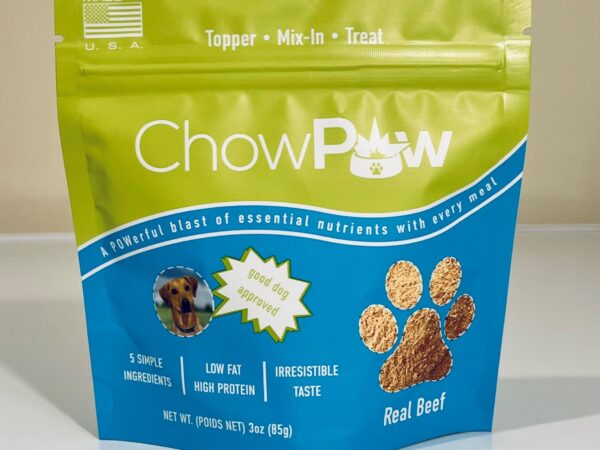 Dog Food Topper - Beef HeartOriginal price was: $14.99.$10.95Current price is: $10.95. - or subscribe and save up to 20%