
A Guide to Curing Bad Breath in Dogs
That stinky breath you get a faceful of when you lean in for a doggy kiss? It’s easy to write it off as just "dog breath," but it's often your dog's first and most obvious way of telling you something isn't right.
While a little bit of odor is normal, persistent bad breath—also known as halitosis—is a key health signal you really shouldn't ignore. This guide will help you understand the simple steps you can take to address the root causes and get back to enjoying those sweet puppy kisses.
Why Your Dog's Bad Breath Is More Than Just an Odor
When you catch a foul smell, your first thought might be about what your dog ate. But that odor is a critical clue. In most cases, bad breath is the number one symptom of plaque and tartar buildup, which can lead to serious dental issues.
In fact, a shocking 80% of dogs show signs of dental disease by age three. That means the stinky breath is often the first red flag for a problem that's already started.
Decoding the Smelly Signals
The specific type of smell can actually give you some pretty good hints about what’s going on. A simple, slightly foul odor often points right to their mouth, but different smells can signal trouble in other parts of the body. Learning to tell them apart is the first step to finding the right solution.
Bad breath is often the first sign of dental problems. The bacteria building up on the teeth is the cause of the foul smell, so removing this debris can significantly improve this area.
A proactive approach is always best. Combining good home dental care with top-notch nutrition is the key to supporting your dog's oral health and their overall well-being.
Decoding Your Dog's Breath: What Different Smells Mean
Believe it or not, not all bad breath smells the same. The scent can change depending on the root cause, and being able to identify it can help you and your vet figure out what's happening.
This quick guide helps you identify potential health issues based on the specific smell of your dog's breath.
| Smell | Potential Cause | What to Do Next |
|---|---|---|
| Rotten or Fishy | Dental Disease (Plaque, Tartar, Gingivitis) | Check gums for redness and start a home dental routine. Schedule a vet check-up. |
| Sweet or Fruity | Possible Diabetes | Contact your veterinarian immediately for diagnostic testing. |
| Urine or Ammonia-Like | Possible Kidney Disease | Contact your veterinarian immediately for blood work and analysis. |
| Unusually Foul or Vomit | Digestive or Liver Issue | Monitor for other symptoms like lethargy or vomiting and consult your vet. |
By paying attention to these signals, you can move from just masking the smell to actually tackling the core problem. This is how you help your dog live a much healthier, and happier, life.
The Hidden Causes of Canine Halitosis
That doggy breath can be a real room-clearer, but to get rid of it for good, we need to look past the smell and figure out what’s actually causing it. While you might notice the odor all of a sudden, the issue has likely been brewing for a while. The most common culprit for bad breath in dogs is almost always what’s going on inside their mouth.
Think about it: every time your dog eats, tiny bits of food get left behind on their teeth. These food particles mix with saliva and the mouth's natural bacteria, forming a sticky, invisible film we call plaque. If that film isn't brushed away, it starts to harden.
In just a few days, that soft plaque calcifies and turns into tartar—a hard, yellowish-brown crust that clings stubbornly to the teeth. Tartar’s rough surface is the perfect real estate for even more bacteria to move in and set up camp.
From Plaque to Periodontal Problems
This is where a simple breath issue can snowball into a serious health problem. Tartar doesn't just stay on the visible part of the tooth; it creeps down below the gumline, irritating the sensitive gum tissue and causing inflammation, or gingivitis. This is the stage where you might see red, swollen gums that may even bleed a little during chewing or brushing.
If left unchecked, gingivitis can advance to periodontal disease. This is a painful infection that attacks the gums and the bone structures holding the teeth in place. It can lead to loose teeth, tooth loss, and allows nasty bacteria to get into the bloodstream, where they can travel and potentially damage vital organs. That truly awful smell is often the scent of this active infection and decaying tissue.
A dog's mouth is a complex ecosystem. Bad breath is a major sign that the balance has been tipped, with harmful bacteria overpowering the good.
Beyond just plaque, persistent bad breath is often rooted in a struggling oral microbiome. The concept of rebalancing the oral microbiome offers a fascinating look into the foundation of oral health, even though the specific methods for pets are different from ours.
When It Is Not Just Their Teeth
While dental disease is hands-down the number one cause of bad breath in dogs, it’s not the only possibility. Sometimes, the smell is pointing to a different problem.
- Something Stuck: Has the bad breath appeared overnight? Your dog might have a piece of a stick, chew toy, or food wedged between their teeth or in the roof of their mouth. As it starts to decay, it can create a sudden and powerful odor.
- Diet and Digestion: What goes in must come out—and sometimes you can smell it on their breath. A diet full of processed junk can throw their gut health out of whack, and digestive problems often show up as bad breath. A healthy gut is key to a healthy dog, a topic we cover in our article on your dog's digestive health report card.
- Nutritional Gaps: If your dog’s diet is missing important nutrients, their immune system can take a hit. This makes it much harder for their body to naturally fight off the oral bacteria responsible for creating plaque and that signature stinky breath.
Getting to the bottom of these hidden causes is your first step. Once you realize that bad breath in dogs is a signal, not just a smell, you can start to address the real problem.
Your Step-By-Step Home Dental Care Routine
Okay, so you know why your dog's breath smells funky. But knowing is only half the battle—taking action is what really counts. The single best thing you can do is create a consistent dental care routine at home to fight off the plaque and tartar causing all that stink.
Trust us, a few minutes of gentle care every day goes way further than a rare, stressful deep-cleaning session.
The secret is to make it a positive, rewarding experience. Start slow. Grab a dog-specific toothpaste (poultry or beef flavors are usually a big hit) and let them have a lick. Never use human toothpaste; it contains ingredients like xylitol that are toxic to dogs. Once they're cool with the paste, you can gradually introduce a soft-bristled toothbrush or a finger brush.
The Power of Consistency
A consistent routine is everything when it comes to preventing that sticky film of bacteria from building up. Think of it this way: plaque is always trying to form on your dog's teeth. Daily brushing is your best defense to stop it in its tracks.
While the tools are different for our pets, understanding how to prevent tartar buildup at home gives you a great idea of the general principle. It’s all about disruption.
If left alone, that plaque hardens into tartar, and that's when the real problems start. This simple diagram shows exactly how it happens.
What begins as a few leftover food bits can spiral into a serious dental issue, causing that awful breath and even bigger health concerns down the road.
Building Your Dental Toolkit
Brushing is the gold standard, no doubt. But it’s not your only option! Adding a few other dental aids to your arsenal can boost your efforts, especially if your dog puts up a fight about the toothbrush.
Here’s a simple, step-by-step game plan to build a solid dental care habit:
- Go Slow with the Toothbrush: Let your dog lick some dog-safe toothpaste off your finger. After a few days of that, try rubbing the paste on their gums. Finally, bring in the toothbrush for just a few seconds, praising them like they just won a gold medal.
- Add in Dental Wipes: For days when a full brush just isn't happening, dental wipes are a fantastic backup. They're less invasive and let you quickly wipe away plaque from the tooth surfaces.
- Try Water Additives: These are simple, tasteless liquids you pour right into your dog's water bowl. They’re packed with enzymes that work to break down plaque and freshen breath with every single sip.
- Offer Safe Dental Chews: Chewing is a dog’s natural way of scraping their teeth clean. A good dental chew is designed to reduce plaque through that mechanical abrasion. If you’re curious, we have a whole guide on whether dental chews really work for dogs.
The goal isn't perfection; it's consistency. Even brushing a few times a week is dramatically better than doing nothing at all. Find a combination of tools that works for both you and your dog.
By weaving these simple steps into your routine, you can turn dental care from a dreaded chore into a healthy habit. Your dog gets a healthier mouth, and you get fresher puppy kisses for years to come.
How Better Nutrition Can Transform Your Dog's Breath
While we spend a lot of time thinking about brushing and dental chews, one of the most powerful tools against bad breath in dogs is already in your home: their food bowl. It’s a direct line—what your dog eats every day can either starve the plaque-causing bacteria or give them an all-you-can-eat buffet.
Think about it. Many commercial kibbles, even the expensive ones, are loaded with carbohydrates, starches, and sugars. For the smelly bacteria in your dog's mouth, this is like fast food. The more of this "junk" they have to feast on, the faster they'll multiply and build up that sticky film of plaque that leads to tartar and, you guessed it, doggy breath.
Elevating Their Kibble for Better Oral Health
This is where a simple nutritional boost can completely change the game. You don't need to throw out their current food and start from scratch. The real magic is in enhancement, not replacement. By adding a nutrient-dense food topper to their existing kibble, you can boost its nutritional value and make it work so much harder for their oral health.
A great meal topper helps tackle bad breath from a few different angles:
- It cuts off the bacteria's food supply: By adding whole-food ingredients, you’re balancing out the starchy nature of kibble with high-quality proteins and nutrients that don't feed the bad guys.
- It supports a happy gut: Stinky breath isn't always just a mouth problem. An out-of-whack digestive system can send unpleasant odors right back up. A diet rich in simple, whole foods is key to a healthier gut.
- It strengthens their natural defenses: Good nutrition builds a stronger immune system, making your dog's body better at fighting off the oral bacteria that cause inflammation and infection in the first place.
Why a Simple Meal Enhancer Like ChowPow Works
This is the exact reason we made ChowPow. It's not another kibble. It’s a simple, powerful meal enhancement designed to add serious nutritional value to the food you already trust. A single sprinkle boosts their meal with pure, whole-food goodness, helping their body fight bad breath from the inside out.
The goal isn't to replace your dog's food, but to make it better. A meal enhancer adds concentrated nutrients that support whole-body health, which is the foundation of fresh breath.
ChowPow is made with just four simple, locally sourced ingredients, with nutrient-dense beef heart as the hero. Beef heart is an incredible source of high-quality protein and essential amino acids that support everything from strong muscles to a resilient immune system. When your dog’s body has the right fuel, it’s in a much better position to maintain oral health all on its own.
By boosting their diet with these key nutrients, ChowPow helps you improve their breath from the inside out. You can dive deeper into the benefits of adding food toppers to your dog's diet in our detailed guide. It's such a small step, but it can make a massive difference in their overall wellness—and make those puppy kisses a whole lot sweeter.
When to See a Veterinarian About Bad Breath
While a great diet and consistent home care are your best tools for fighting bad breath in dogs, some situations are just too big to handle on your own. Knowing when to call in a professional is a key part of being a responsible dog parent.
Think of it this way: certain symptoms are like bright red flags waving for your attention. Ignoring them can turn a small, fixable issue into a much bigger, more painful problem down the road. Your vet is a vital partner in your dog's health journey, with the expertise to spot things you can't see and get your pup the treatment they need.
Clear Signs That Need a Vet's Attention
If you peek inside your dog's mouth and spot any of the following, it's time to make that vet appointment. These are often signs of advanced dental disease or other painful problems that need immediate medical help.
- Bleeding or Severely Swollen Gums: Gums that are puffy, bright red, or bleeding are never normal. This is a classic sign of serious inflammation or infection (gingivitis) that has gotten out of hand.
- Loose or Broken Teeth: A wiggly or fractured tooth means the structures holding it in place are failing, usually due to advanced periodontal disease. This is always painful and a major source of infection.
- Reluctance to Eat or Chew: Is your dog suddenly turning their nose up at their favorite food? Maybe they are dropping kibble or only chewing on one side of their mouth. These are huge clues that they're in pain.
- Pawing at the Mouth or Excessive Drooling: When a dog paws at their face or drools more than usual, they're often trying to tell you something hurts in their mouth.
- Unusual Lumps or Bumps: Any new growth inside the mouth needs to be checked out by a vet right away to rule out serious issues like oral tumors.
Never write off sudden or ongoing changes in your dog's mouth or behavior. Acting fast can prevent serious pain, save teeth, and protect your dog's overall health.
Odors That Signal a Deeper Problem
Sometimes, the smell itself is the biggest clue. If your dog's breath has a very specific and unusual odor, it could be a critical warning that something more serious than plaque is at play.
As we mentioned earlier, these specific scents are major red flags for underlying diseases that need a vet's diagnosis.
- A Sweet, Fruity Smell: This distinct odor is a classic warning sign for diabetes.
- An Ammonia or Urine-like Smell: This sharp scent can point to the kidneys not working as they should, signaling potential kidney disease.
If you pick up on either of these specific smells, don't wait. Call your vet immediately. These conditions require quick diagnostic tests and a solid treatment plan to manage your dog's health. When it comes to your best friend, acting fast is always the right move.
A Proactive Plan for a Lifetime of Fresh Breath
When it comes to your dog's bad breath, the best offense is a good defense. The goal isn't just to mask the smell but to stop it from becoming a real problem in the first place.
This doesn't mean adding a bunch of difficult chores to your day. It’s all about creating simple, powerful habits that safeguard your dog's long-term health. Think of it as shifting from damage control to active prevention, ensuring you get a lifetime of fresh-breathed cuddles.
The Three Keys to Canine Oral Wellness
A healthy mouth really comes down to consistency. We've found the most effective way to keep your dog's oral health in top shape is to build a routine around these three core practices.
Consistent Home Dental Care: Daily brushing is the absolute best way to remove plaque before it can harden into stubborn tartar. You can back this up with things like dental wipes and safe-to-chew toys to keep that bacteria from building up day after day.
A Nutrient-Dense Diet: What goes into your dog's bowl has a massive impact on their oral health. You can boost their nutrition from the inside out by adding a whole-food meal enhancer like ChowPow. It’s a simple supplement that boosts the nutritional value of their current kibble. This supports a healthy gut, which strengthens your dog's natural ability to fight off the bacteria that cause plaque.
Regular Professional Check-Ups: Your vet is your most important partner here. Annual or semi-annual dental exams are essential for catching problems you simply can't see at home, long before they become serious.
By investing in better nutrition and consistent care, you are not just fighting bad breath. You are supporting your dog’s total wellness for a longer, happier life.
Got Questions About Your Dog’s Bad Breath? We’ve Got Answers.
Even when you're on top of your dog's dental care, some questions are bound to come up. Let's tackle a few of the most common things dog owners ask about stinky breath.
Is It Normal For a Puppy to Have Bad Breath?
Sometimes, yes—but only for a short while. When puppies are teething, they can get a case of "puppy breath" as their baby teeth make way for adult ones. This process can create little pockets where bacteria gather, causing a mild, temporary smell.
What's not normal is a smell that's truly foul or one that sticks around for more than a couple of weeks. If that happens, it’s a good idea to check in with your vet. They can look for stubborn baby teeth that didn't fall out or other early dental issues.
Can I Use Human Toothpaste on My Dog?
That’s a hard no. You should absolutely never use human toothpaste on a dog. Our toothpaste is full of ingredients that are dangerous for them, like fluoride (which causes major stomach upset) and xylitol. Xylitol is an artificial sweetener that is extremely toxic to dogs, even in small amounts.
Stick to toothpaste made specifically for dogs. It’s formulated to be safe, effective, and often comes in flavors they actually enjoy, like poultry or beef.
How Does a Meal Enhancer Like ChowPow Help Bad Breath?
A quality meal enhancer works on bad breath from the inside out, turning your dog's regular meal into a more powerful tool for their health. It’s a simple way to boost their existing diet, not replace it.
ChowPow improves breath by adding whole-food nutrition and promoting better digestion. This helps address bad breath that starts in the gut, a common and often overlooked cause.
First, by adding nutrient-dense superfoods like beef heart, this meal supplement helps fortify your dog's natural ability to fight off plaque-causing bacteria. Second, it supports a healthier digestive system. An unbalanced gut is a hidden culprit behind stinky breath, so getting that in order can make a huge difference. It’s an easy way to make their kibble work harder for their total wellness.
Ready to boost your dog’s nutrition and fight bad breath from within? Sprinkle some ChowPow on their next meal. Visit ChowPowNow.com to learn more.
-
Product on sale
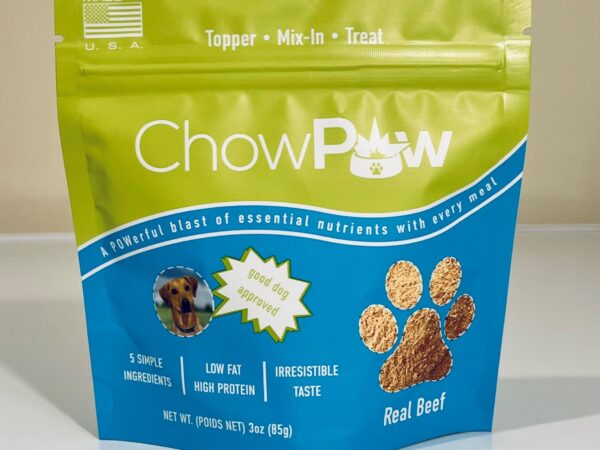 Dog Food Topper - Beef HeartOriginal price was: $14.99.$10.95Current price is: $10.95. - or subscribe and save up to 20%