

Benefits of Yogurt for Dogs: Safety & Nutrition Guide
You're eating breakfast, your dog is sitting close, and the yogurt cup suddenly becomes the most interesting thing in the room. If you've ever wondered whether one small lick is harmless or whether yogurt is good for dogs, you're asking the right question.
The short answer is yes, but with rules. Plain yogurt can work as a small treat or meal boost for some dogs, but it isn't automatically a health food, and it definitely isn't right for every dog. Some pups handle it well. Others get gas, loose stool, or obvious stomach discomfort after only a little.
That's where people often get mixed up. They hear “probiotics” and assume yogurt is a must-have. In reality, yogurt is better thought of as an optional add-on to your dog's regular food, not a replacement for balanced meals. Used carefully, it can offer a few nutritional perks. Used casually, it can also create avoidable problems.
Can My Dog Have a Bite of My Yogurt
A common scene goes like this: you peel back the foil on a cup of yogurt, take a spoonful, and your dog locks eyes with you like you're holding treasure. Maybe it's a senior dog who's become picky. Maybe it's a young dog who wants every snack you touch. Either way, most owners want a simple answer.

The honest answer is that a small bite of the right kind of yogurt is usually fine for many dogs. The wrong kind can be a problem fast. That's why “can dogs eat yogurt?” isn't really about yogurt in general. It's about the specific product in your hand and the specific dog in front of you.
If the yogurt is plain and unsweetened, a tiny taste may be a reasonable treat for a dog that handles dairy well. If it's flavored, sugar-free, or packed with extras, it stops being a simple treat and starts requiring a closer label check.
Why owners get confused
People often blend three different ideas together:
- Treats that taste good
- Toppers that make food more appealing
- Supplements meant to support a specific health goal
Yogurt can sometimes act like the first two. It can be tasty, and a spoonful mixed into kibble may help some dogs show more interest in dinner. But that doesn't mean it works like a purpose-built supplement.
Practical rule: Think of yogurt as a small bonus food, not a cure and not a meal.
That distinction matters most for dogs with touchy stomachs, older dogs, and dogs recovering from illness. In those cases, pet parents are often hoping for something gentle and helpful. Yogurt may fit that role, but only if the dog tolerates it and only if the yogurt is simple and plain.
A better question to ask
Instead of asking only “Can my dog have a bite?”, ask this:
What am I trying to accomplish?
If your goal is just sharing a safe little snack, yogurt may work. If your goal is stronger digestive support, better appetite at mealtime, or a more reliable nutrition boost, yogurt may not be the best tool for the job.
The Real Nutritional Benefits of Yogurt for Dogs
Yogurt can offer some useful nutrition for dogs, but the benefit depends on what you want it to do. If your goal is a tasty topper with a little extra value, yogurt can fit. If your goal is steady digestive support or a more reliable appetite boost, yogurt starts to look more limited.
Three parts of yogurt usually get the most attention. Protein, calcium, and live cultures. Each can help in a small way, but none turns yogurt into a complete solution by itself.
Protein, calcium, and live cultures
Protein helps your dog maintain muscle and repair body tissues over time. A spoonful of yogurt can add a little, which is nice, but it will not change the nutritional picture much if your dog already eats a balanced diet.
Calcium supports bones and teeth. That sounds impressive, but context matters. For most healthy dogs on a complete food, yogurt is more of a small nutritional extra than an important calcium source.
Live cultures are the part that gets the most hype. These are beneficial bacteria created during fermentation, and they may include strains such as Lactobacillus bulgaricus, Streptococcus thermophilus, Lactobacillus acidophilus, Bifidus, and Lactobacillus paracasei.
That sounds promising, and sometimes it is.
What probiotics actually do
Your dog's gut is home to a large microbial community. You can picture it like a garden. When the mix is in good shape, digestion tends to run more smoothly. Probiotics add some of the helpful organisms that may support that balance.
If you want a clearer explanation of how gut-support ingredients work together, this guide on the benefits of prebiotics and probiotics is a helpful read.
Here is the part many dog owners miss. Yogurt contains live cultures, but that does not mean it works as predictably as a supplement made for digestive support. The amount and type of beneficial bacteria can vary by product, processing, storage, and serving size. A few spoonfuls may help one dog and do very little for another.
That is why yogurt works best as a food with some functional value, not as a dependable gut-health plan.
For dogs that need more targeted support, many owners get more consistent results from digestive health supplements for dogs. Those products are made to support a specific goal, instead of asking a human dairy food to do a supplement's job.
The most useful way to view yogurt
Yogurt can be a functional treat. It may add flavor, a bit of protein, some calcium, and some live cultures. That is worthwhile.
It is also okay to keep your expectations modest.
If your dog enjoys plain yogurt and tolerates dairy well, it can be a nice extra. If you are trying to improve digestion, support the gut more consistently, or make meals appealing day after day, yogurt is often a partial answer rather than the best one.
How to Choose a Safe Yogurt for Your Dog
Standing in the dairy aisle can get surprisingly confusing. The front of the package might say “light,” “protein,” “Greek,” or “low sugar,” but those words don't tell you whether a yogurt is dog-safe.
The most useful filter is simple: plain and unsweetened first, everything else second.
What to look for and what to avoid

Here's a straightforward comparison:
| Safer choice | Riskier choice |
|---|---|
| Plain yogurt | Flavored yogurt |
| Unsweetened yogurt | Sugar-free yogurt |
| Low-fat or non-fat yogurt | Full-fat yogurt |
| Yogurt with live cultures | Yogurt with lots of added ingredients |
The biggest red flag is xylitol. If a yogurt contains xylitol, it's not a “maybe” item. It's an avoid item.
Other label issues matter too:
- Added sugars can make yogurt heavier and less useful as a simple treat.
- Artificial flavors add extra variables that don't help your dog.
- High fat content can make a sensitive dog feel worse instead of better.
Greek yogurt versus regular yogurt
Owners often ask whether Greek yogurt is better. In practical use, both can be okay if they're plain and unsweetened. Greek yogurt is thicker, which some owners like because it's easier to spoon onto food or offer on a lick mat.
What matters more than “Greek” versus “regular” is the ingredient panel. A plain product with minimal ingredients is the safer direction either way.
A quick label-reading checklist
Use this when you shop:
- First check the flavor. Plain is the safest starting point.
- Then check sweeteners. If you see xylitol, put it back.
- Look for simplicity. Fewer extras usually means fewer surprises.
- Consider your dog's stomach. If your dog is sensitive, even a safe yogurt might still not be the best fit.
If your dog has a history of digestive fussiness, a dairy product may not be the gentlest topper choice. In that case, many owners prefer options designed for easy mealtime support, such as dog food toppers for sensitive stomach.
A yogurt can be safe on the label and still be a bad match for your individual dog. Safety and tolerance aren't the same thing.
Safe Serving Sizes and Creative Treat Ideas
You open the fridge, your dog hears the yogurt tub, and suddenly you have a very hopeful face at your feet. That is usually the moment owners give too much. With yogurt, the safer approach is to treat it like a condiment, not a side dish.

A small spoonful is plenty for most dogs. As noted earlier, treats and extras should stay a small part of the daily diet, and yogurt fits best in that category. It can add taste and a little variety, but it is not reliable enough to act as your main plan for digestive support or appetite help.
That difference matters. A dab of yogurt can make a meal more inviting today. A purpose-built supplement is usually the more dependable choice if you want the same result day after day.
A simple way to portion it
Start with the tiniest amount your dog will still notice, then watch how they do over the next day. If yogurt agrees with them, you can stay in that small range.
- Small dogs: a lick or very small spoonful
- Medium dogs: a small spoonful
- Large dogs: up to a slightly larger spoonful
The goal is tolerance, not volume.
If this is your dog's first try, use less than you think you need. Yogurt works a bit like adding butter to toast. A thin smear changes the experience. A heavy layer changes the whole food.
Useful ways to serve yogurt
Yogurt is most useful when it solves a small problem.
- As a kibble topper: Stir in a dab to add smell and moisture to dry food.
- For medication: Use a very small amount to coat a pill if your dog takes medicine more willingly that way.
- On a lick mat: Spread a thin layer and freeze it for a slower, more engaging treat.
- As a training bonus: Offer a little lick from a spoon for dogs who love soft treats.
- On warm days: A chilled bite can feel refreshing without becoming a full snack.
This video gives a visual idea of how some owners use yogurt as a simple treat:
The line between “helpful” and “too much”
Yogurt gets less helpful when it becomes automatic. If you start adding it to every meal, the extra calories add up, and dairy can become more of a burden than a benefit for some dogs.
It also helps to be honest about what yogurt is doing. If your dog eats better because yogurt makes dinner smell richer, that is useful. But it does not mean yogurt is the best long-term tool for appetite support. Many owners eventually want something more consistent, especially if their dog is picky, older, or has a touchy stomach.
Serving mindset: If the yogurt looks like part of the meal instead of a small topper or treat, it is probably too much.
Used this way, yogurt can be a fun extra. It is less convincing as a daily strategy. That is the key distinction many yogurt guides skip.
Potential Risks and When to Avoid Yogurt
You add a spoonful of yogurt because it seems like the gentlest topper in the fridge. Your dog cleans the bowl, then has gas a few hours later or wakes you up for an urgent potty trip. That is the catch with yogurt. It looks mild, but for some dogs, dairy is where stomach trouble starts.
The main issue is tolerance. Yogurt contains less lactose than milk, but it still contains dairy sugars and proteins that some dogs do not handle well. A dog can enjoy the taste and still have a poor reaction afterward, which is why yogurt sometimes gets more credit than it deserves.
Common signs that yogurt is not agreeing with your dog include:
- Gas
- Loose stool
- Bloating
- Stomach discomfort
- Vomiting in more sensitive dogs
Dogs with a history of digestive upset need extra care here. The same goes for dogs recovering from diarrhea, dogs with sensitive stomachs, and dogs who do poorly with rich foods. In those cases, yogurt can act like adding a “healthy” splash of cream to a delicate meal. The label may sound wholesome, but the stomach only cares whether it can handle it.
Fat content matters too. Richer yogurts can be harder to digest, which makes them a poor choice for dogs who already have trouble with greasy or heavy treats. Flavored or sweetened yogurts create a different problem. They may contain added sugars or ingredients that do nothing useful for your dog.
There is also a practical point many yogurt guides skip. If your goal is digestive support, yogurt is an inconsistent tool. One dog does fine with it, another gets an upset stomach, and a third likes it but gets little real benefit from the small amount typically served. Owners looking for a steadier option often do better with dog food toppers and meal enhancers made for a dog's diet rather than guessing with dairy.
A simple rule helps. If yogurt causes digestive problems once, do not keep testing slightly different brands or serving sizes in hopes that the next spoonful will work.
If a food keeps making your dog uncomfortable, it is not supporting their health, even if it sounds nutritious.
For healthy dogs who tolerate dairy, plain yogurt may still be an occasional treat. For dogs with touchy stomachs, recurring GI issues, or a pattern of reacting to rich foods, skipping yogurt is often the calmer and smarter choice.
A Better Boost Introducing Purpose-Built Meal Enhancers
You open the fridge because your dog is ignoring dinner again. A spoonful of plain yogurt feels like a smart fix. It smells interesting, looks wholesome, and sometimes it does tempt a reluctant eater to take a few bites.
That can work in the moment. The bigger question is whether yogurt is the best tool for the job.
Many yogurt guides stop too early. They treat yogurt as if "good for dogs" automatically means useful for digestive support, appetite help, or daily nutrition. Those are different goals, and yogurt does not meet all of them equally well.
Yogurt is better understood as an occasional add-on. A purpose-built meal enhancer is made to do a more specific job. It works like the difference between tossing extra toppings on a meal and using an ingredient chosen to improve the whole bowl in a predictable way.
Why yogurt often falls short
Yogurt can offer taste and a little variety, but it is still a human food being borrowed for a dog. That matters. The benefits are often inconsistent from one dog to the next, and even from one brand to another.
A dog owner trying to support digestion or improve meal acceptance usually needs something more reliable than "maybe this dairy product helps."
As noted earlier, yogurt can also be hit or miss for sensitive stomachs, and the probiotic benefit from a small spoonful may not amount to much in real life. So while yogurt can be fine as a treat, it is not automatically the strongest choice for a dog who needs steady support.

What purpose-built enhancers do better
A dedicated topper or meal enhancer is designed for canine use from the start. That means the product has a clear role. Support the food already in the bowl. Add appeal. Add targeted nutrition. Do it in a way that is easier to repeat day after day.
That kind of design helps with common feeding problems:
- More predictable results than rotating human foods based on what is in the fridge
- Fewer ingredient concerns than flavored, sweetened, or richer dairy products
- Better support for picky eaters who need aroma and flavor to stay interested in meals
- A clearer daily purpose for owners who want more than an occasional treat
This approach often makes more sense for seniors, dogs recovering from illness, and dogs that need encouragement to finish regular meals. If you want a fuller explanation of why many owners use dog food toppers and meal enhancers as part of a regular feeding routine, that guide is a helpful place to start.
The practical bottom line
If your dog likes plain yogurt and handles it well, a small spoonful now and then is usually fine. There is no need to treat yogurt like a bad food.
But if your real goal is dependable digestive support, better appetite, or a more consistent nutritional boost, yogurt is often a patch, not a plan.
ChowPow is a good example of the difference. It is not trying to turn a human snack into a dog supplement. It is a meal enhancer made to improve the food your dog already eats, which makes it a steadier option for picky eaters, older dogs, and dogs who need more interest in the bowl without relying on dairy.
-
Product on sale
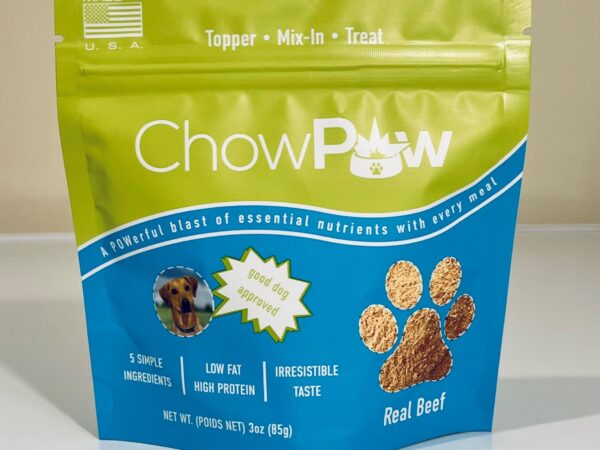 Dog Food Topper - Beef HeartOriginal price was: $14.99.$10.95Current price is: $10.95. - or subscribe and save up to 20%