

Dog Food Toppers for Sensitive Stomachs
If you're looking for the best dog food toppers for sensitive stomach, the answer is almost always simplicity. You want clean, limited-ingredient formulas that boost digestion without stirring up trouble. Think single-source proteins and gentle, natural ingredients that add real nutritional value to your dog's current food and support their overall gut health.
Understanding Your Dog's Sensitive Stomach
Does your dog sometimes give their food bowl a suspicious sniff and walk away? Deal with room-clearing gas? Or have unpredictable potty breaks? These aren't just funny quirks—they could be whispers from a sensitive stomach.
Think of your dog's digestive system like a finely tuned engine. When all the parts are working in harmony, it runs like a dream. But throw in one little thing that doesn't agree with it, like a tricky ingredient, and the whole system can start to sputter.
It's easy to notice the big, obvious signs like vomiting or diarrhea. But often, digestive stress is much more subtle, showing up in ways you might not immediately connect to what's in their bowl.
Signs Your Dog May Have a Sensitive Stomach
Spotting the signs early is key. While some symptoms are clear, others are easy to miss. Here’s a quick guide to what you should be looking for.
| Symptom | What to Look For |
|---|---|
| Picky Eating or Food Refusal | Suddenly turning their nose up at food they used to love. This could be their way of saying, "This makes my tummy hurt." |
| Loose Stools or Diarrhea | One of the most common and obvious signs that something is not right with their digestion. |
| Excessive Gas | We're not talking about the occasional toot. Unusually frequent or foul-smelling gas often signals digestive imbalance. |
| Vomiting or Regurgitation | Frequent throw-ups, especially after eating, are a clear red flag. |
| A Dull or Flaky Coat | A struggling gut has a hard time absorbing nutrients, which can show up as poor skin and coat health. |
| Low Energy or Lethargy | If your dog is using all their energy just to digest their food, they won't have much left for playtime. |
| Straining During Defecation | Difficulty going to the bathroom can be just as much of a sign of GI upset as loose stools. |
| Gurgling Stomach Noises | Loud, frequent stomach rumbles (borborygmi) can indicate gas and digestive distress. |
Paying attention to these clues is the first step toward helping your pup feel better. For a deeper look into dietary solutions, check out our guide on what to feed a dog with a sensitive stomach.
Why Expert Guidance Is Essential
Adding a high-quality food topper can be a game-changer for a dog with a sensitive gut. It makes their regular kibble more enticing, easier to process, and packs an extra nutritional punch. This isn't just a niche idea; it's a reflection of a massive shift in how we care for our pets. In fact, digestive health is the driving reason for over 80% of pet owners who buy food toppers.
A food topper is meant to be a nutritional boost, not a replacement for a complete and balanced diet. Think of it as a meal enhancement or supplement that improves their current food. ChowPow, for instance, is designed to elevate the nutritional value of their kibble, adding incredible flavor and key nutrients without overhauling their entire dietary foundation. This is not a replacement for their current food, but a way to boost its value.
But here’s the most important thing: a food topper is a tool for management, not a cure for an underlying medical issue. If your dog is showing persistent signs of digestive distress, your very first step should be a call to the vet. They can run diagnostics to rule out anything serious and help you build a dietary plan that's both safe and effective for your dog's specific needs.
Decoding Ingredients: What to Look For and Avoid
Trying to read a dog food label can feel like deciphering a secret code. But when you’ve got a dog with a sensitive stomach, knowing exactly what’s in their food isn't just a nice-to-have—it's absolutely essential for their comfort and health. The trick is to lean into simplicity and quality, choosing ingredients that soothe the digestive system instead of challenging it.
Think of your dog's gut as a peaceful little garden. The right ingredients are like gentle rain and sunshine, helping everything thrive. The wrong ones? They're like aggressive weeds, quickly causing chaos and upsetting the whole system. Your job is to become a mindful gardener for your dog's meals.
Safe Havens for a Sensitive Gut
When you’re picking out a dog food topper for a sensitive stomach, you want to see a short, recognizable ingredient list. These are the "safe haven" ingredients, the ones that are generally easy on the tummy while delivering real nutritional value.
Here are some of the best things to spot on a label:
- Single-Source Animal Proteins: Instead of a mysterious "meat meal" or a mix of chicken, beef, and lamb all jumbled together, look for one clearly named meat source. This makes it so much easier to figure out what agrees with your dog and what doesn't.
- Gentle, Digestible Fibers: Ingredients like pumpkin and sweet potato are superstars for digestive health. They provide soluble fiber, which can help firm up loose stools and feed the good bacteria in the gut.
- Nutrient-Dense Organ Meats: Organs like beef heart are true nutritional powerhouses. They’re packed with essentials like taurine, iron, and B vitamins in a natural, highly digestible form that’s gentle on the stomach.
This is where the "less is more" philosophy really proves its worth. A topper with just one or two top-notch ingredients is often way better than a product with a laundry list of fillers and additives.
Potential Troublemakers to Avoid
Knowing what to look for is only half the battle. You also have to know what to run away from. Certain ingredients are notorious for causing digestive upset, gas, and inflammation. These are the weeds you want to pull from your dog’s garden immediately.
A food topper is supposed to enhance a meal, not complicate it. Adding a simple, clean topper like ChowPow's single-ingredient dehydrated beef heart gives their regular kibble a major nutritional boost without introducing potential irritants. It's a pure, powerful supplement designed to work with their current food for digestive peace.
To keep your dog's sensitive system happy, it's smart to avoid products containing these common triggers:
- Vague or Unnamed Meats: Be wary of labels that just say "meat by-products" or "animal digest." These are low-quality, ambiguous ingredients that can be really tough for a sensitive dog to process.
- Common Grain Fillers: While not all grains are bad, ingredients like corn, wheat, and soy are frequent allergens and can be hard to digest. They’re often just cheap fillers that offer little nutritional value.
- Artificial Additives: Artificial colors, flavors, and preservatives have no business being in a healthy diet. They can irritate the gut lining and trigger bad reactions in sensitive dogs. Look for natural preservatives like mixed tocopherols (a form of Vitamin E) instead.
Learning to spot these ingredients is a game-changer. For a deeper dive, check out our complete guide on what ingredients to avoid in dog food.
By becoming a savvy label reader, you can choose a food topper with confidence, knowing it will support your dog’s digestive health. This simple act turns mealtime from a source of stress into a moment of pure nourishment and care for your best friend.
Why Dehydrated Beef Heart Is a Game Changer
When you're trying to find the perfect dog food toppers for sensitive stomach issues, it's easy to get lost in a sea of complicated ingredients. But sometimes, the simplest solutions are the most powerful. That's where dehydrated beef heart comes in—it's not just another ingredient, but a true nutritional powerhouse that can make a real difference for your dog.
Think of it like this: when you want to make a healthy smoothie even healthier, you don't add a bunch of processed junk. You add a superfood, like a scoop of spinach or a slice of avocado. Dehydrated beef heart does the same thing for your dog's kibble. It’s not meant to replace their meal, but to supercharge it, boosting the value of what’s already in their bowl.
This single-ingredient approach is a massive win for dogs with delicate digestive systems. You're focusing on one high-quality protein, which sidesteps the risk of introducing a bunch of potential triggers. It’s a safe, simple, and effective choice.
The Nutritional Power of Organ Meat
Here’s a little secret: organ meats are nature's multivitamins. Unlike the skeletal muscle we typically think of as "meat," the heart is incredibly dense with specific nutrients vital to a dog's health. It provides a concentrated dose of wellness that’s also highly bioavailable, meaning your dog's body can actually absorb and use it easily.
Beef heart is especially loaded with a few key compounds:
- Taurine: An essential amino acid that's critical for cardiovascular health, supporting the heart muscle's function and rhythm.
- Iron: This mineral is the foundation of energy production. It helps move oxygen through the body, keeping your dog active and alert.
- Coenzyme Q10 (CoQ10): A potent antioxidant that fuels cellular energy and protects the body from oxidative damage.
- B Vitamins: Beef heart is packed with B vitamins like B12, B6, and riboflavin, which are essential for everything from nerve function to metabolism.
For a dog with a sensitive gut, getting these nutrients from a natural, whole-food source is so much gentler than from synthetic supplements. It's like the difference between eating a fresh orange and taking a vitamin C pill—the orange delivers the vitamin in a natural package the body knows how to process.
By adding this one powerful ingredient, you’re giving them a whole spectrum of benefits without the complexity that can so easily upset a sensitive system. Want to dig deeper into these benefits? You can learn more about why adding beef heart to your dog’s diet can be beneficial.
Gentle Dehydration Locks in Goodness
How an ingredient is prepared is just as important as what it is. The real magic of dehydrated beef heart is in its gentle preservation process. Slow dehydration removes moisture at a low temperature, which brilliantly locks in all those vitamins, minerals, and amino acids without cooking them away.
This is a huge contrast to the high-heat methods used for most commercial dog foods and treats, which can destroy delicate nutrients. Dehydration keeps the nutritional integrity of the beef heart intact, making sure your dog gets the maximum benefit from every single bite.
Better yet, this process means there's no need for artificial preservatives, sketchy colors, or fake flavors. The result is a pure, clean, and shelf-stable product that’s incredibly easy for a sensitive tummy to digest. No mystery chemicals or fillers to worry about—just 100% natural goodness.
This simple, clean approach isn't just a niche idea; it's a movement. The dog food topper market is set to explode from USD 6.1 billion in 2024 to an estimated USD 12.6 billion by 2034, with formulas for sensitive stomachs leading the way. Dog owners everywhere are finally connecting the dots between diet and digestive health, and they're demanding clean, effective solutions. You can read more about this growing market trend on futuremarketinsights.com.
When you choose a topper like ChowPow, you're tapping into this philosophy of simple, targeted nutrition. It’s a straightforward and effective way to elevate your dog’s daily meal, turning basic kibble into a customized, nutrient-rich experience that supports their well-being from the inside out.
How to Introduce a New Food Topper Safely
When you're dealing with a sensitive stomach, bringing a new food topper into the mix needs a gentle touch. Think of it like introducing new foods to a baby—you wouldn’t jump straight to a three-course meal. The golden rule here is the “low and slow” method. It’s a simple, gradual process that gives your dog’s digestive system time to adjust, preventing any sudden surprises or setbacks.
Getting all the benefits from a nutritional booster like ChowPow really comes down to patience. Rushing things is the fastest way to cause the exact tummy troubles you're trying to prevent. A well-planned, gradual introduction helps their system adapt smoothly, so you can see all the good stuff without any of the drama.
The Gradual Introduction Plan
A 7-to-10-day transition period is usually the sweet spot. This schedule lets you keep a close eye on your dog's reaction at each stage before you increase the amount. By mixing just a tiny bit of the topper with their regular food and slowly upping the ante, you're giving their gut bacteria a chance to get comfortable with the new ingredient.
During this time, pay close attention to what their body is telling you. You’re looking for consistency in their stool, a happy appetite, and their usual energy level. These are all green lights that tell you it’s safe to move to the next step.
Here’s a simple schedule to get you started on the right foot.
7-Day Topper Introduction Schedule
This step-by-step plan is designed to help you gradually add a new topper to your dog’s meals, minimizing the risk of an upset stomach.
| Day(s) | Topper Amount | Kibble Amount | What to Monitor |
|---|---|---|---|
| Days 1-2 | Just a tiny pinch (about 10% of the recommended serving) | 100% of their normal portion | Any changes in stool firmness, signs of gas, or picky eating. |
| Days 3-4 | A quarter of the recommended serving | 100% of their normal portion | Continued positive signs; look for good energy and normal appetite. |
| Days 5-6 | Half of the recommended serving | 100% of their normal portion | Stools should be consistently firm and well-formed. |
| Day 7+ | The full recommended serving | 100% of their normal portion | Your dog is enjoying their meals with no signs of digestive distress. |
Following this deliberate pace is the best way to guarantee a smooth transition, making the new topper a welcome and beneficial part of their daily meals.
The Critical Role of Rehydration
For dehydrated toppers like ChowPow, one simple step makes a world of difference: just add water. While you can certainly sprinkle it on their food dry, rehydrating it first really unlocks its full potential for a dog with a sensitive gut. Adding a little warm water turns the powder into a savory gravy that is much easier for their system to process.
Adding moisture is one of the most effective ways to support a dog's digestion. Dry kibble can be tough on the gut, and rehydrating a topper provides essential moisture that helps break down the food more easily, aiding nutrient absorption and promoting overall gut health.
This little trick also makes the meal smell amazing, which can be a game-changer for picky eaters. It’s a simple move that boosts hydration, improves digestibility, and makes mealtime way more exciting.
The visual below shows how a high-quality, whole-food ingredient gets transformed into an easy-to-use powder.
This just shows how a gentle dehydration process keeps all the natural goodness of the whole beef heart, concentrating its nutrients into a simple, digestible powder that’s ready for your dog's bowl.
Monitoring Your Dog and When to See a Vet
Once you've carefully started adding a new dog food topper for a sensitive stomach, your role shifts from chef to detective. It's time to be a loving observer, gathering clues to see how your dog is really feeling. After all, their well-being is the number one priority, and paying close attention to their behavior will tell you everything you need to know.
This monitoring phase is so important. It’s how you’ll confirm whether a simple, nutrient-dense topper like ChowPow is not just a tasty treat, but a true ally for their digestive health. Often, the best results are quiet ones—a return to happy, comfortable normalcy.
Positive Signs to Look For
When a food topper is the right fit, the positive changes can be both subtle and super obvious. These are the green flags telling you that you’re on the right track. Keep an eye out for these encouraging signs.
- Renewed Interest in Food: Is your once-finicky eater suddenly licking the bowl clean? A healthy appetite is one of the very first signs that their meal is not only delicious but also making them feel good from the inside out.
- Firmer, More Consistent Stools: This is the gold standard for gut health. Seeing well-formed, regular bowel movements is a clear indicator their system is processing food efficiently.
- Increased Energy Levels: When a dog’s gut isn't in turmoil, they have way more energy for walks, playtime, and all their favorite activities. A happy gut equals a happy, energetic pup.
- Reduced Gas and Bloating: A noticeable drop in tummy gurgles and smelly gas means their digestive tract is much calmer and more settled.
Warning Signs That Need Attention
On the flip side, it’s just as critical to recognize when something isn’t working. If you spot any of these red flags, it’s a clear signal to hit pause on the new topper and re-evaluate. Your dog’s body is great at telling you when an ingredient isn't agreeing with them.
Remember, a food topper like ChowPow is a meal enhancement or supplement designed to improve your dog’s existing diet and manage dietary sensitivities. It is not a cure for underlying medical conditions. Your veterinarian is your most important partner in your dog's health journey.
Be on the lookout for these warning signs:
- Persistent Diarrhea or Vomiting: If loose stools or throwing up continue for more than a day or two, stop the topper immediately.
- Lethargy or Decreased Activity: A sudden dip in energy could be a sign their body is struggling with the new food.
- Skin Issues like Itching or Rashes: Food sensitivities can absolutely show up on the skin. Don't ignore new hot spots or constant scratching.
- Complete Food Refusal: If your dog suddenly starts avoiding their food entirely, something is definitely off.
If you observe any of these symptoms, it’s time to take a step back.
When to Consult Your Veterinarian
Your role is to monitor and support, but your veterinarian's job is to diagnose and treat. While a high-quality food topper can be a fantastic tool for managing mild digestive upset, it can't replace professional medical advice.
You should always touch base with your vet if:
- Negative symptoms hang around or get worse even after you’ve stopped the new topper.
- Your dog shows signs of serious pain, dehydration, or distress.
- You have any nagging concerns about an underlying health issue that could be more serious.
Building a strong partnership with your vet is the best thing you can do for your dog. By working together, you can make informed choices that put their long-term health and happiness first, turning mealtime back into the joyous, nourishing experience it’s meant to be.
Got Questions About Food Toppers? We've Got Answers.
Jumping into the world of dog food toppers can bring up a lot of questions, especially when you’re trying to do right by a dog with a sensitive stomach. You want to make choices you can feel good about, and confidence starts with clear answers.
Let's walk through some of the most common questions we hear about using a meal enhancement like ChowPow. Our goal is to clear up any confusion so you can get back to what matters most: happy mealtimes with your best friend.
How Much ChowPow Should I Give My Dog?
When you’re dealing with a nutrient-dense topper like this, a little truly goes a long way. It's designed to be a powerful nutritional boost, not a whole meal, so the golden rule is to start small. Less is definitely more, especially when you're introducing something new to a sensitive system.
As a general guide, you can aim for about 1/2 teaspoon for small dogs or 1 teaspoon for medium to large dogs. But honestly, the best first step is to start with even less than that. Just a tiny sprinkle. See how your dog handles it, and then you can slowly work your way up to the full serving over a few days.
Can This Topper Replace My Dog's Regular Food?
This is a really important one, and the answer is a firm no, it cannot. Think of ChowPow as a meal enhancement or supplement. Its whole purpose is to boost the nutritional value and flavor of the food your dog is already eating, making their regular kibble more exciting and packed with extra goodness.
It's a lot like adding a superfood smoothie to your own healthy diet. It brings fantastic benefits, but it doesn't replace the balanced meals you need for your core health. Your dog’s complete-and-balanced food is the foundation, and a topper is there to build on it, not replace it.
Is Beef Heart Safe for Every Dog?
For the vast majority of dogs, single-ingredient beef heart isn't just safe—it's an incredibly nutritious choice. It's packed with things they need, like taurine, iron, and CoQ10. Its pure and simple nature makes it a fantastic dog food topper for a sensitive stomach because you're not juggling a long list of potential triggers.
That said, there are always exceptions. If your dog has a serious, specific health condition—like advanced kidney disease where protein needs to be tightly controlled, or certain heart issues—you should absolutely talk to your vet first. They know your dog's unique history and can give you tailored advice before you add any new supplement to their routine.
Why Is Rehydrating the Topper So Important?
You can absolutely sprinkle ChowPow on dry, but we highly recommend adding a little warm water first. Mixing it into a gravy doesn't just make it tastier; it unlocks a few key benefits that are especially helpful for dogs with picky habits or delicate digestive systems.
Adding water helps in a few crucial ways:
- Boosts Aroma and Flavor: Warm water releases the rich, savory smell of the beef heart. For a dog who's lost their appetite or is just plain fussy, this can be a total game-changer.
- Easier on the Gut: A wet, gravy-like texture is much gentler on the stomach and easier to process than a dry powder on top of dry kibble. It simply gives their digestive system less work to do.
- Adds Essential Moisture: Most dogs eating a dry kibble diet are chronically under-hydrated. Adding water to their meals is one of the easiest and best things you can do to support healthy digestion and their overall well-being.
This simple step turns a sprinkle into a hydrating, easy-to-digest flavor boost that makes mealtime delicious and comfortable. It’s an easy win for their health and happiness.
Ready to turn your dog's boring kibble into a meal they'll crave? With ChowPow, you can add a powerful boost of pure, single-ingredient nutrition that supports digestion, energy, and overall wellness. Give your best friend the simple, wholesome goodness they deserve.
-
Product on sale
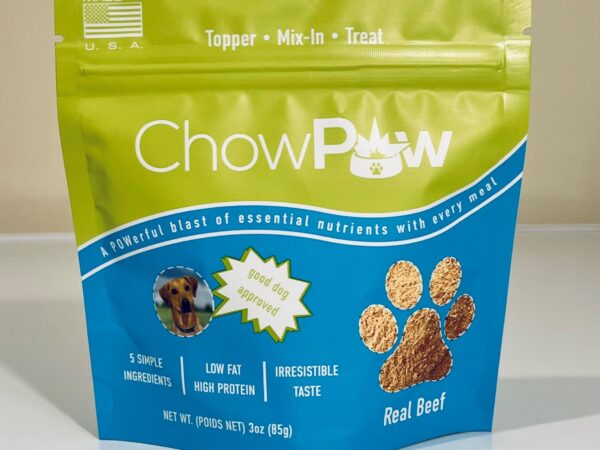 Dog Food Topper - Beef HeartOriginal price was: $14.99.$10.95Current price is: $10.95. - or subscribe and save up to 20%