Best dog food for senior dogs: Essential nutrition guide
When it comes to the best dog food for senior dogs, there’s no single magic formula. Instead, it’s about finding a food specifically designed to support their changing bodies. That usually means a recipe with high-quality, digestible protein, controlled calories to prevent extra pounds, and joint-supporting nutrients like glucosamine.
A senior dog's diet needs to do two things well: maintain their muscle mass without causing weight gain and be gentle on their aging digestive system. A fantastic and simple way to boost the nutritional value of their current kibble is with a nutrient-dense meal enhancement.
Understanding Your Senior Dog’s New Dietary Needs
As your loyal companion heads into their golden years, their nutritional needs take a pretty big turn. Think of it like the difference between a pro athlete's diet and a retiree's—what fueled them in their prime just isn't the right match anymore. Their body is going through subtle but important changes, and their diet has to adapt to help them navigate this new stage of life with ease.
Just like us, dogs experience a slower metabolism as they get older. They just don't burn calories as efficiently, which makes them much more prone to weight gain, even if they seem to be eating the same amount. Any extra weight puts a real strain on their joints, heart, and other organs, which is why calorie control suddenly becomes a top priority.
The Challenge of an Aging Body
One of the biggest shifts we see is a natural loss of muscle mass, a condition called sarcopenia. Over time, this process can make your dog weaker and less mobile. To fight back, their diet absolutely must include high-quality protein that's easy for their body to absorb and use.
Unlike the old-school senior diets that were often high in carbs and low in protein, modern nutrition focuses on preserving that precious lean muscle. This approach helps your dog maintain their strength, stability, and a healthy metabolism well into their later years.
Their digestive system also tends to get a bit more sensitive with age. The gut can struggle to break down and pull nutrients from highly processed foods, leading to gas, unpredictable potty breaks, or just general discomfort. A diet rich in beneficial fiber and gentle ingredients is key to keeping their digestion on track and ensuring they get the most from every single meal. To get a better handle on these shifts, you can explore the common signs of aging in dogs and see how they tie back to nutrition.
Core Principles of Senior Dog Nutrition
To meet all these new demands, the best food for a senior dog is built on a few core principles. Getting a handle on these concepts will make you feel much more confident when choosing what’s best for your furry friend.
Here’s what a great senior diet should always prioritize:
- High-Quality Protein: Look for named animal sources right at the top of the ingredient list, like chicken, beef, or lamb. This protein needs to be easy for their system to use for muscle maintenance without putting extra stress on their kidneys.
- Controlled Calorie Levels: The food should be less energy-dense than a standard adult formula to help prevent obesity. This is all about finding the right balance of protein, fat, and carbohydrates.
- Beneficial Fiber: Ingredients like pumpkin or brown rice are great for regulating digestion, preventing constipation, and supporting the good bacteria in their gut.
- Joint Support: Many senior formulas will include glucosamine and chondroitin. These are powerhouse ingredients for helping maintain cartilage and reducing the inflammation that comes with arthritis.
Ultimately, switching to a senior-specific diet isn't just about changing brands. It's about giving your dog the targeted support they need to feel their best. Enhancing their current food with a nutrient-rich meal supplement like ChowPow is a brilliant way to boost their protein intake and tempt a picky eater without a stressful, complete diet overhaul. This approach ensures they get that extra support while still enjoying the food they already know and love.
How to Decode Senior Dog Food Labels
Stepping into the dog food aisle can feel like a pop quiz you didn't study for. With dozens of bags all claiming to be the "best" for your senior dog, how do you sort through the marketing hype? The secret is on the back of the bag. Learning to read a dog food label is like getting a backstage pass to your dog's nutrition—it turns you from a confused shopper into their biggest health advocate.
Think of the label as the food's resume. It tells you everything you need to know about its qualifications to fuel your older dog. The two most critical parts to master are the ingredient list and the guaranteed analysis.
The Guaranteed Analysis Unpacked
The Guaranteed Analysis is that little box of percentages you see on every bag. It lists the minimums for crude protein and fat, and the maximums for fiber and moisture. While the numbers look simple, they offer powerful clues about the food's quality and what it’s designed to do.
For seniors, you want to see a solid protein percentage to maintain muscle and a controlled fat level to keep them from packing on extra pounds. We used to think older dogs needed less protein, but that idea is outdated. New research shows that senior dogs actually thrive on high-quality protein to preserve muscle mass, paired with fewer calories to match their less active lifestyle.
For example, a top-tier senior formula might have around 28% protein and 12% fat—a great balance for an aging dog. You can dig into specific formulas and check out detailed product reviews on DogFoodAdvisor.com.
Prioritizing High-Value Ingredients
The ingredient list is your best friend. It’s organized by weight, so whatever is listed first is what makes up most of the food. This is where you can spot a quality recipe in seconds.
Look for a specific, named animal protein right at the top. Think "deboned chicken," "lamb meal," or "beef." These are clear, high-value ingredients, not vague terms like "meat by-products."
Beyond the main protein, keep an eye out for functional ingredients that give seniors an extra boost:
- Joint Support: Glucosamine and chondroitin are the dynamic duo for supporting aging joints and keeping them comfortable.
- Brain & Skin Health: Omega-3 fatty acids, usually from fish oil or flaxseed, are fantastic for cognitive function and maintaining a healthy, shiny coat.
- Gentle Digestion: Look for wholesome, digestible carbs and fiber sources like sweet potatoes, pumpkin, and brown rice that are easy on a senior's system.
To make things a bit easier when you're in the store, here's a quick checklist to run through.
Senior Dog Food Label Checklist
| Nutrient/Ingredient | What to Look For (The Good Stuff) | What to Avoid (The Red Flags) |
|---|---|---|
| Protein Source | Named meats like "chicken," "beef," "lamb meal" listed first. | Vague terms like "meat by-products" or "animal meal." |
| Carbohydrates | Digestible complex carbs like sweet potatoes, brown rice, oats, pumpkin. | Cheap fillers like corn, wheat, or soy, especially in the first few ingredients. |
| Fats | Named fats like "chicken fat" or "sunflower oil." Omega-3s from fish oil or flaxseed. | Unnamed "animal fat." Artificial preservatives like BHA, BHT, or ethoxyquin. |
| Additives | Natural joint support (glucosamine, chondroitin), antioxidants (vitamin E), probiotics. | Artificial colors (e.g., Red 40), artificial flavors, chemical preservatives. |
This table is a great starting point, but let's dive a little deeper into what you should actively avoid.
Spotting Red Flags on the Label
Knowing what to avoid is just as important as knowing what to look for. Certain ingredients are tell-tale signs of a lower-quality food that might not sit well with your senior's more sensitive system. For a complete breakdown, you can check out our guide on how to read dog food labels.
A good rule of thumb: If the first few ingredients sound like they belong in a science lab instead of a kitchen, it’s probably not the best choice for your best friend.
Be on the lookout for these common red flags:
- Vague Meat Sources: Terms like "meat and bone meal" or "animal by-product meal" are non-specific and could come from any number of low-quality sources. You want to know exactly what your dog is eating.
- Artificial Junk: Steer clear of artificial colors, flavors, and preservatives like BHA, BHT, or ethoxyquin. They add zero nutritional value and can be harmful over time.
- Cheap Fillers: Ingredients like corn, wheat, and soy are often used to bulk up food on the cheap. They can be tough for some dogs to digest and are common culprits for food sensitivities.
Once you know these basics, that confusing label becomes a clear roadmap. By focusing on real-food ingredients, looking for those beneficial extras, and steering clear of the red flags, you can choose a food that gives your senior the top-tier nutrition they absolutely deserve.
Managing Common Health Issues with Proper Nutrition
Your dog's diet is one of the most powerful and accessible tools you have for managing the health challenges that come with age. Think of the right food as a form of internal support—it can help soothe stiff joints, manage weight, and keep their digestive system running like a well-oiled machine. By making a few targeted adjustments, you can directly improve your dog's comfort and quality of life.
It's clear that pet owners are catching on. The senior pet food industry is expected to balloon to $15.2 billion by 2025, and for good reason. A whopping 78% of pet owners around the world are actively looking for products that will help their furry friends live longer, healthier lives. This shift shows that proactive dietary choices are becoming a standard part of responsible pet care. You can read the full report on senior pet food market trends to see just how much this space is growing.
Let’s dig into four of the most common health concerns for senior dogs and the practical, nutritional strategies you can use to help manage them.
Supporting Stiff and Achy Joints
One of the first things you might notice is your dog moving a bit slower, hesitating before jumping on the couch, or being a little stiff after a nap. This is often a sign of arthritis, a condition where the protective cartilage in their joints wears down over time. Cartilage is like the shock absorber in their hips and elbows; when it thins out, movement can become painful.
Luckily, certain nutrients act like an internal support crew for these aging joints.
- Omega-3 Fatty Acids: Found in fish oil, these are potent natural anti-inflammatories that can help dial down joint swelling and discomfort.
- Glucosamine and Chondroitin: These compounds are the actual building blocks of cartilage. Adding them to the diet helps cushion the joints and support what cartilage is left.
A simple way to get more of these joint-friendly nutrients into their diet is by adding a high-quality supplement or meal topper to their existing food. Every meal becomes another chance to soothe their joints.
Maintaining a Healthy Weight
As dogs get older, their metabolism naturally slows down, and they usually aren't tearing around the yard like they used to. This combination is a perfect recipe for weight gain, which puts extra strain on their joints, heart, and other organs. Managing their weight isn't about starving them—it's about adjusting their calorie intake to match their new, more relaxed lifestyle.
The goal is to provide satisfying meals that are less dense in calories but still packed with the good stuff. A high-fiber, lower-calorie diet is key to helping a less active dog feel full and stay lean.
Look for foods with lean proteins and beneficial fiber from sources like pumpkin or sweet potatoes. Fiber is fantastic because it helps them feel satisfied after eating, which means less begging for treats. This approach is far more effective than just feeding smaller portions of their old food, which can accidentally lead to them missing out on essential nutrients.
This infographic breaks down what to look for on a senior dog food label, helping you spot the good stuff and avoid the red flags.
As you can see, a top-notch senior diet is built on a foundation of clearly named proteins and beneficial additives like joint support, while steering clear of vague fillers or artificial ingredients.
Easing Dental Discomfort
Dental issues are incredibly common in older dogs. After years of chewing, they can end up with worn or missing teeth, gum disease, and general mouth pain. This can make crunching on hard, dry kibble a real challenge. If you notice your dog dropping food, chewing on one side of their mouth, or avoiding their bowl entirely, a sore mouth could be the culprit.
Thankfully, the fix is often simple: make their meals softer and more appealing. Just adding a little warm water or a savory broth to their kibble can soften it enough to be eaten comfortably.
A nutrient-rich meal enhancement like ChowPow, when mixed with water, creates a delicious gravy that not only softens their food but also adds essential hydration and a tempting aroma to get them interested in eating again. It's a small change that can make mealtime enjoyable again for a dog with a sensitive mouth.
Calming a Sensitive Digestive System
An older dog's digestive tract can become more sensitive over the years, making it harder for them to process rich, fatty, or highly processed ingredients. This can lead to some unpleasant side effects like gas, bloating, or inconsistent stools. The secret to good digestive health in seniors is a diet built around easily digestible proteins and prebiotics.
Gentle proteins like chicken or turkey are much easier for their system to break down and absorb. At the same time, prebiotics—a special type of fiber that feeds the good bacteria in their gut—help maintain a healthy digestive balance. By focusing on these gentle, supportive ingredients, you can help promote a calm and regular digestive system, ensuring your old friend gets all the goodness from their food without the upset.
Giving Your Senior's Meals a Boost with ChowPow
Even the best senior dog food on the market can use a little help, especially when you're dealing with a picky eater or an older body that doesn't absorb nutrients like it used to. This is where adding a meal enhancement can be a total game-changer. Instead of switching up a diet your dog is already comfortable with, you can simply elevate it and fill in those nutritional gaps that naturally pop up in their golden years.
Think of it like adding a superfood powder to your morning smoothie. The base is already solid, but that little extra scoop targets specific needs and boosts the overall benefit. For our senior pups, that simple boost can make a huge difference in how they feel day-to-day.
More Than Just a Topper—a True Nutritional Power-Up
We designed ChowPow to be that exact kind of power-up. It's really important to remember that ChowPow is a meal enhancement, not a meal replacement. Its whole purpose is to work alongside your dog’s current food, adding a layer of high-value nutrients, irresistible flavor, and much-needed hydration that you just can't get from dry kibble alone.
This approach is perfect for seniors because it lets you sidestep the digestive drama that often comes with a sudden food change. You get to stick with the kibble their system knows while supercharging it with ingredients that directly support an aging body.
Simply sprinkling ChowPow over their usual food turns an ordinary meal into something special. It's such an easy way to help support everything from their immune system to their appetite, making every single bowl work harder for them.
The concentrated nutrients in ChowPow, all from real beef heart, are incredibly bioavailable. In simple terms, this means an older dog's gut can absorb and use them more easily, ensuring they get the full punch of nutrition from every bite—even if their digestion isn't what it used to be. You can dive deeper into how this works and read about the golden years and golden health benefits of beef heart for elderly dogs right here on our blog.
Waking Up a Fading Appetite
One of the most stressful things for any senior dog owner is watching their best friend lose interest in food. It could be due to a weaker sense of smell, sore teeth, or just feeling a bit sluggish. The rich, savory aroma of ChowPow is often all it takes to get that old spark back.
Dogs experience the world through their noses, and the natural, meaty scent of real beef heart is almost impossible for them to ignore. A little sprinkle over their kibble wakes up their senses and reminds them that, yes, their food bowl is actually exciting! It’s a simple trick that gets even the fussiest seniors cleaning their bowls again.
Adding a Splash of Hydration and Softness
Staying hydrated is absolutely critical for senior dogs. It helps support everything from kidney function to keeping their joints lubricated. But let's be honest, many older dogs just don't drink enough water. ChowPow gives you a brilliant and simple fix for that.
Here’s how you can use ChowPow to boost their water intake and make mealtime easier:
- Make a Savory Gravy: Just mix a scoop of ChowPow with a bit of warm water. Stir it until you get a smooth, pourable gravy.
- Pour it Over Kibble: Drizzle that delicious gravy right over your dog's dry food and give it a quick stir.
- Serve and Enjoy: The gravy doesn't just add a burst of flavor they'll love; it also sneaks essential moisture into their diet.
This does more than just hydrate, too. It softens up hard, crunchy kibble, making it so much easier for dogs with sensitive gums or missing teeth to chew without any ouch. You're turning a potentially tough meal into a soft, delicious, and easy-to-eat feast they can enjoy without a problem.
The Right Way to Switch Your Senior Dog's Food
Making a dietary change for your senior dog isn't something to rush. Their digestive systems have been doing the same job for a long time and can be a bit set in their ways. A sudden switch is a recipe for an upset stomach, so the secret to a happy transition is to take it slow and steady.
This gradual approach gives their gut time to adapt, helping you dodge common problems like diarrhea, gas, or vomiting. Think of it like easing into a warm bath instead of jumping into a cold pool—much less shocking to the system! This careful process is a big reason why the global market for elderly dog food is expected to be worth around $2.5 billion in 2025. It shows just how many owners are looking for the absolute best nutrition for their aging friends. You can discover more insights about the elderly dog food market on DataIntellix.
The 10-Day Transition Schedule
To keep things simple and smooth, we swear by the 10-day plan. This schedule methodically introduces the new food while phasing out the old, giving your dog’s digestive system plenty of time to get acquainted without any drama.
Here’s the breakdown for a seamless switch:
- Days 1–3: Mix 75% old food with 25% new food. This is just a little taste, introducing new flavors and ingredients without overwhelming their system.
- Days 4–6: Shift the ratio to an even 50/50 split. By now, your dog’s gut should be getting used to the new formula.
- Days 7–9: Time to tip the scales. Go with 75% new food and just 25% old food. The new diet is now the main event.
- Day 10: You did it! It’s time for 100% new food. Your dog has officially made the switch.
This timeline is a fantastic guide, but remember, you know your dog best. Feel free to adjust the pace if needed.
The most important part of this process is observation. Your dog will tell you if the pace is right. A happy dog with normal energy and solid stools means you’re on the right track.
Keeping an Eye on Your Dog During the Switch
As you work your way through the 10-day plan, pay close attention to how your dog is feeling. Their body will give you all the feedback you need.
Watch for these key signals:
- Stool Consistency: This is your number one clue. Their poop should stay firm and well-formed. If you start seeing consistently soft stool or diarrhea, that’s a sign to slow down. Just stick with the current food ratio for an extra day or two before moving on.
- Appetite and Energy: Your dog should still be excited for mealtime and have their usual spark. If they suddenly lose interest in their food or seem sluggish, the new diet might not be sitting right with them.
- Skin and Coat: This is more of a long-term thing, but keep an eye out for any new itchiness or skin irritation. It could point to a potential food sensitivity you weren't aware of.
Don't panic if you see a little bit of digestive upset. Just dial it back to the previous food ratio for a day or two to let their system settle down. By following this simple plan and listening to what your dog is telling you, you'll be able to make the switch to a healthier senior diet with confidence.
Working With Your Vet on Senior Dog Nutrition
Think of this guide as your homework. You're learning the fundamentals, getting familiar with the vocabulary, and understanding the big picture of your senior dog's nutritional needs. But your veterinarian? They're the professor who knows your dog's specific case study inside and out. They're your most critical partner in this journey.
Your vet is the only one who can truly connect the dots between what you see at home and the complex biological changes happening inside your aging pup. Their guidance isn't just a suggestion; it's the key to turning general knowledge into a precise, effective action plan for your dog.
Knowing When to Make the Call
While you're now equipped to make smarter daily choices, some things are non-negotiable red flags. These signs often point to deeper health issues where diet is just one piece of the puzzle. Consulting with trusted local veterinarians is essential, as they can run the right tests to figure out what's really going on.
Keep a close eye out for these warning signs:
- Sudden Weight Changes: Whether your dog is rapidly losing pounds or gaining them without a change in diet, it could signal serious issues like thyroid problems, diabetes, or even kidney disease.
- Ongoing Tummy Troubles: A single off day isn't a crisis. But if you're dealing with persistent diarrhea, vomiting, or a total loss of appetite, it’s time for a professional diagnosis.
- Changes in Thirst or Urination: Is the water bowl suddenly always empty? A dramatic spike in drinking and urinating is a classic symptom of kidney trouble or diabetes.
- Lethargy or Odd Behavior: If your once-energetic companion is now sluggish, listless, or seems confused, don't just write it off as old age. It's crucial to rule out underlying medical causes first.
Building the Perfect Diet Plan, Together
Once your vet has a clear picture of your dog's health, you can work together to build a truly customized nutrition plan. This is where your new knowledge really shines. Instead of just asking, "What food should I buy?" you can now have a much more productive conversation.
Try asking something like, "Given his mild joint stiffness, do you think a diet with higher levels of omega-3s should be our priority right now?" This elevates the discussion from a simple recommendation to a true collaboration.
Your vet brings the medical expertise; you bring the day-to-day observations. You know your dog’s quirks, habits, and personality better than anyone. They know the science. When you combine those two perspectives, you create a plan that isn't just good, it's perfect for your dog.
This is also the perfect time to discuss how a meal supplement like ChowPow can fit into the picture. You can review its simple, whole-food ingredients with your vet to see how it can complement their primary diet—whether you need to boost protein, add vital nutrients, or just get a picky eater interested in their bowl again. It ensures every single meal is working hard to help your senior dog thrive.
Common Questions About Senior Dog Food
Stepping into the world of senior dog care can feel like a whole new ballgame. Your dog's needs are changing, and it’s completely normal to have questions. Let's tackle some of the most common ones we hear from owners of aging pups.
At What Age Is My Dog Considered a Senior?
There’s no magic number here—it really comes down to breed and size, since smaller dogs tend to have longer lifespans. It’s less about the birthday candles and more about their biological clock.
Here's a rough guideline:
- Giant breeds (like Great Danes or Mastiffs) often hit their golden years around age 5 or 6.
- Large breeds (like German Shepherds or Labs) are typically considered seniors around 7 or 8.
- Small breeds (like Chihuahuas or Yorkies) might not be seniors until they’re 10 to 12 years old.
Your vet is always the best person to make the official call. They can do a full health check-up to see how your individual dog is aging and what their body needs now.
My Senior Dog Is Losing Weight—What Should I Do?
Sudden weight loss in an older dog is a red flag. The very first step is a trip to the vet to rule out any underlying health issues, like dental disease, kidney problems, or other metabolic conditions.
Once you have a clean bill of health or a treatment plan, you can focus on nutrition. Try offering smaller, more frequent meals that are packed with calories and, most importantly, smell and taste delicious. This is where a nutrient-dense meal enhancement like ChowPow can be a game-changer. Sprinkling it over their food adds a boost of calories and a savory aroma that can entice even the pickiest eaters.
Is It Okay to Just Feed Less of Their Regular Adult Food?
That might seem like a simple solution, but it’s not the best approach. Just cutting back on their regular kibble can lead to nutritional gaps.
Senior dog food isn't just a "diet" version of adult food; it’s a completely rebalanced formula. It typically has higher-quality, easily digestible protein to protect muscle mass, fewer calories to prevent unhealthy weight gain, and often includes extras like glucosamine for joint support.
Feeding a smaller portion of adult food reduces calories, sure, but it also reduces vital protein, vitamins, and minerals they need more than ever. A proper senior diet ensures they get everything their aging body requires.
Is Wet Food Better Than Dry Food for Seniors?
Honestly, one isn't universally "better" than the other. The best choice really depends on your dog's specific needs, health, and, let's face it, their personal preference.
Dry food (kibble) is great for dental health because the chewing action helps scrape away plaque. It's also usually more budget-friendly. On the flip side, wet food has a much higher moisture content, which is fantastic for keeping seniors hydrated. Its soft texture is also a lifesaver for dogs with sore gums, sensitive teeth, or missing teeth.
A great strategy is to combine the two. You can serve their regular kibble and then pour a warm, savory gravy over the top by mixing a meal supplement like ChowPow with a little water. This simple trick gives you the best of both worlds: the dental benefits of kibble with the hydration and easy-to-chew softness of wet food.
Ready to make your senior's meals something to get excited about again? Try ChowPow today and see how easy it is to boost their nutrition, support a finicky appetite, and add essential hydration to every bowl. Visit ChowPowNow.com to learn more.
-
Product on sale
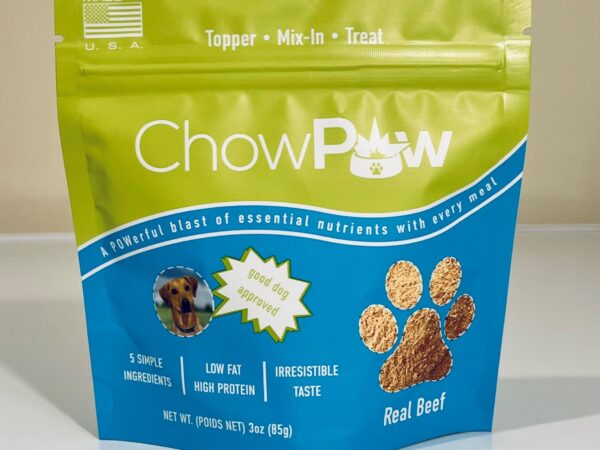 Dog Food Topper - Beef HeartOriginal price was: $14.99.$10.95Current price is: $10.95. - or subscribe and save up to 20%