
Best Dog Food for Underweight Dogs: A Practical Guide
When you first notice your dog is looking a bit too lean, it’s natural to feel a pang of worry. Maybe their ribs are a little more visible, or they just don't have that same spark. It’s a clear sign that something’s off, but the good news is you’re in the right place to figure out how to help them bounce back.
The best food for an underweight dog is one that’s high in calories, packed with quality protein and healthy fats, and—crucially—delicious enough to tempt a lagging appetite. While there are special formulas out there, one of the simplest and most effective strategies is to enrich the food they already love. Adding a nutrient-dense meal enhancement, like ChowPow, can boost calories and protein without the digestive upset that a sudden, complete diet switch can cause.
What to Do When You Notice Your Dog Is Underweight
Seeing your best friend looking thin is tough. Your immediate instinct is to fix it, and you absolutely can. With the right game plan, you can help your companion regain their strength and get back to a healthy, vibrant weight.
But before you change a single scoop of kibble, the first and most critical step is to call your veterinarian. This is completely non-negotiable. A vet check-up is the only way to rule out underlying health problems that could be causing the weight loss. This ensures any dietary changes you make are not only effective but also safe for your dog's specific situation.
Understanding the Causes of Weight Loss
To find the right nutritional solution, you first have to understand the problem. Weight loss in dogs isn't always straightforward, and there are a few common culprits your vet will help you investigate.
Some of the most frequent reasons a dog might be underweight include:
- Medical Issues: Things like intestinal parasites, painful dental problems, diabetes, or gut disorders can mess with appetite or prevent their body from absorbing nutrients properly.
- Stress and Anxiety: Just like us, dogs can go off their food when they're stressed. A new home, another pet joining the family, or separation anxiety can all be triggers.
- Picky Eating Habits: Let's face it, some dogs are just plain finicky. If their food isn't exciting, they might not eat enough to maintain a healthy weight.
- High Energy Levels: Highly active breeds and working dogs can burn through calories like a furnace. They often need a more calorie-dense diet just to keep up with their own energy output.
Learning how to tell if your dog is underweight is a vital skill. Our guide can walk you through checking their body condition score right at home.
What Makes a Food Good for Weight Gain?
Once your vet has given you the green light to focus on nutrition, you can start looking at their food bowl. The global dog food market is massive—hitting around USD 63.10 billion in 2024—because owners like you want the absolute best for their pets. That demand has led to a lot of specialized foods, but the core principles for healthy weight gain are actually quite simple.
An effective food for helping a dog gain weight needs to hit a few key marks.
It has to be calorie-dense, loaded with high-quality protein and healthy fats, and above all, incredibly tasty. The idea is to pack maximum nutrition into a smaller amount of food that your dog will actually be excited to eat.
This is exactly where a simple enhancement strategy shines. Instead of a jarring diet change that could lead to an upset stomach, think about boosting their current meal. Adding a high-value topper like ChowPow gives them that concentrated burst of protein and calories they need, making their old, familiar food suddenly irresistible. It's a gentle approach that respects their digestive system while delivering the powerful nutrition they need to thrive again.
Understanding the Building Blocks for Healthy Weight Gain
To help your dog get back to a healthy weight, it helps to think like you're rebuilding a house. You can't just throw a random pile of materials at the problem and hope for the best. You need the right building blocks, in the right amounts. For your dog, these building blocks are protein, fat, and carbohydrates—the macronutrients that will fuel their entire recovery.
Getting a handle on what each one does is the key to reading a dog food label with confidence. This way, you know you’re helping your dog build lean muscle and lasting energy, not just unhealthy fat. The goal is a strong, vibrant dog, and that journey starts in the food bowl.
Protein: The Bricks of the Body
High-quality protein is, without a doubt, the most important nutrient for an underweight dog. Think of it as the bricks needed to repair and build everything in their body—rebuilding lost muscle mass, mending tissues, and keeping their immune system strong.
Without enough protein, a dog simply can't rebuild what they've lost. When you're scanning a dog food label, you want to see a high protein percentage, ideally from animal sources. These are more "bioavailable," which is just a fancy way of saying your dog's body can absorb and use them much more easily. For those interested in a deeper dive into animal wellness and nutrition, programs like the Certificate Pet Wellness Business can offer a wealth of professional knowledge.
But not all protein is created equal. It's really important to choose foods with high-quality animal ingredients. You can learn more about the best protein sources for dogs to understand why ingredients like beef, chicken, and fish are so fantastic for muscle development.
To put this all into perspective, here’s a quick guide to the key nutrients and what you should be looking for.
Key Nutrients for Healthy Canine Weight Gain
| Nutrient | Role in Weight Gain | What to Look For |
|---|---|---|
| High-Quality Protein | The essential building block for rebuilding lost muscle mass, repairing tissues, and supporting immune function. | 25%-35% of the food's composition, ideally from named animal sources like beef, chicken, or fish. |
| Healthy Fats | The most calorie-dense nutrient, providing concentrated energy to fuel recovery without needing large meal volumes. | 15%-25%, with specified sources like chicken fat or fish oil (for Omega-3s). |
| Digestible Carbs | Provides quick, easily accessible energy for daily activities, sparing protein to be used for muscle repair instead of fuel. | 20%-40% from wholesome sources like sweet potatoes, pumpkin, or brown rice. Avoid fillers. |
This table gives you a solid framework for evaluating any dog food, helping you zero in on formulas that are truly built for recovery and healthy weight gain.
Healthy Fats: The High-Efficiency Fuel
If protein provides the bricks, then healthy fats are the high-efficiency fuel that powers the entire construction project. Fats are the most concentrated source of calories you can find, packing in more than double the energy per gram compared to protein or carbs. For an underweight dog, this is exactly what we need.
That calorie density is crucial. It lets your dog get the energy they need from a smaller, more manageable amount of food—a huge advantage if their appetite isn't what it used to be.
Healthy fats, especially those from fish oil or quality animal sources, do more than just add calories. They also support brain function, help reduce inflammation, and give your dog that healthy, shiny coat—often one of the first signs you'll see that things are getting better.
Look for foods with a solid healthy fat content to make sure your dog has all the fuel required for daily life and the tough work of rebuilding their body.
Carbohydrates: The Quick-Energy Crew
Finally, carbohydrates are like the quick-energy crew on the job site. They provide the readily available fuel your dog needs for everyday things like a walk around the block, a game of fetch, or even just a happy tail wag. While protein and fat are doing the heavy lifting of rebuilding, carbs keep the lights on.
Good carbs from sources like sweet potatoes or brown rice are easy to digest and offer a steady stream of energy. This is important because it prevents your dog's body from having to burn precious protein for fuel, freeing it up for muscle repair where it's needed most. When you get the balance right, all these systems work together perfectly to help your dog regain their strength, vitality, and a healthy weight.
How to Choose the Right Food for Your Underweight Dog
Stepping into the dog food aisle can feel overwhelming. With countless bags and cans all promising peak nutrition, picking the right one for a dog that needs to gain weight is a real head-scratcher. The secret isn't finding one "magic" food, but understanding how to build a winning strategy with the different types available.
When you know the pros and cons of dry kibble, wet food, and even home-cooked diets, you can piece together a plan that works for your dog. This know-how empowers you to make a choice that doesn't just add calories, but also tempts their appetite and supports their unique needs.
Evaluating Dry Kibble
For a lot of owners, dry kibble is the go-to because it's convenient and lasts forever. When it comes to weight gain, its biggest advantage is calorie density. High-quality, "performance" style kibbles are made for active or working dogs, and they pack a serious nutritional punch in every single scoop.
This is a huge plus for a dog with a weak appetite, since you can deliver more calories and protein without having to pile their bowl high with food. When you're searching for the best dog food for underweight dogs in kibble form, keep an eye out for formulas with high protein (over 25%) and high fat (over 15%).
The pet food market has exploded with variety, which is great for us owners. Dogs make up the biggest slice of this market, with dry dog food accounting for about 30% of what's consumed and wet food holding a 20% share. This variety means you can find specialized formulas, and with e-commerce, getting those high-calorie options is easier than ever. You can learn more about pet food market trends and see how our demand is shaping what's on the shelf.
The Appeal of Wet Food
Wet or canned food has a secret weapon that kibble just can't match: a powerful aroma and lots of moisture. For a picky eater, a senior dog with a tender mouth, or a pup recovering from an illness, the rich smell of wet food can be way more tempting than a bowl of dry pellets.
That extra moisture also helps with hydration and can make the food gentler on their digestive system. While it's often not as calorie-dense as a performance kibble, its sheer tastiness means your dog is more likely to clean their bowl, making sure they get every bit of nutrition they need.
A simple and super effective strategy is to mix a spoonful of wet food right into your dog’s kibble. This gives you the best of both worlds: the calorie density of the dry food with the irresistible smell of the wet.
A Note on Home-Cooked Diets
Cooking your dog's meals from scratch gives you total control over every last ingredient. You can use fresh, whole foods like lean meats, healthy oils, and easy-to-digest carbs like sweet potatoes to build a calorie-rich diet.
But this path comes with a big warning label. It is incredibly difficult to create a meal plan that is truly complete and balanced without a professional's help. A home-cooked diet missing key vitamins or minerals can cause more harm than good over time.
If you're thinking about this option, it is absolutely essential to consult with a veterinary nutritionist. They have the expertise to help you create recipes that hit all of your dog’s specific nutritional targets for safe, healthy weight gain.
The Simplest Solution: Enhancing Their Current Meal
Instead of a complete diet overhaul—which can sometimes trigger an upset stomach—the most effective and gentle approach is often just to improve the food they already know and love. This is where a high-quality meal topper becomes your best friend.
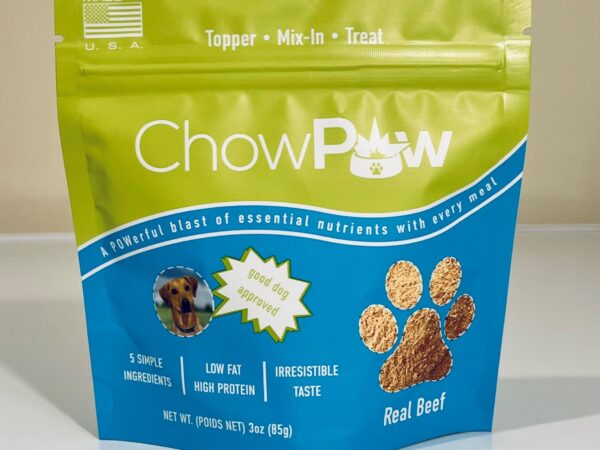
A meal enhancement like ChowPow is designed for exactly this situation. It’s not a replacement for their main meal, but a powerful booster that amps up its nutritional value. Sprinkling a scoop of dehydrated beef heart over their regular kibble or wet food instantly adds a concentrated shot of top-tier protein and calories.
This one simple step hits two critical goals at once:
- It adds the building blocks they need for muscle repair and healthy weight.
- Its rich, meaty aroma makes the whole meal irresistible, encouraging even the fussiest eaters to lick the bowl clean.
By using a topper, you can stick with their familiar food and avoid the stress of a sudden diet change, all while giving them the powerful nutritional boost they need to get back on their paws and thrive.
Building a Safe and Effective Feeding Plan
Knowing what to feed your dog is a huge first step, but the real magic happens when you build a solid plan around it. Just dumping more food into their bowl isn't the answer—that can easily lead to an upset stomach and doesn't guarantee your dog is actually absorbing the good stuff. A thoughtful, structured feeding plan is what ensures they gain weight safely and steadily.
Think of it less like just feeding them and more like creating a personalized wellness roadmap. It takes a little bit of simple math, a lot of patience, and paying close attention to how your dog responds. You're setting them up for long-term health from the inside out.
Calculating Your Dog's Daily Calorie Needs
First things first, we need to figure out your dog's energy requirements. The starting point for this is their Resting Energy Requirement (RER). This is just the baseline number of calories their body needs to function at rest—powering things like breathing, circulation, and digestion.
The formula looks a bit science-y, but it’s straightforward: RER = 70 x (ideal body weight in kg)^0.75.
Don't worry, you don't need to dust off your old scientific calculator. Plenty of online RER calculators can do the math for you. The key is to plug in your dog's ideal weight (what your vet wants them to weigh), not their current underweight number. This RER value is your foundation. Your vet can then help you find the right multiplier to encourage safe weight gain, which is often around 1.2 to 1.6 times the RER, depending on their age and activity level.
As you map out the plan, don’t forget the small details, like making sure their feeding bowls are clean and appropriate for them. Hygiene and practicality are quiet but important parts of any successful routine.
The Power of Smaller, More Frequent Meals
Once you have that daily calorie target, resist the temptation to serve it all in one or two giant meals. A big pile of food can be overwhelming for an underweight dog's sensitive digestive system, which can lead to poor nutrient absorption or even vomiting.
A much better approach is to split their total daily calories into three or four smaller meals spaced out over the day.
This strategy is a game-changer for a few reasons:
- Easier on the Gut: Smaller portions are much easier for their system to process, meaning they'll absorb more of those vital nutrients you're trying to get into them.
- Keeps Energy Stable: More frequent meals help maintain consistent blood sugar levels, preventing those sluggish energy crashes between meals.
- Tempts a Picky Eater: For a dog with a low appetite, a small, less intimidating meal is often way more appealing than a mountain of kibble.
A Gradual Transition Is Key
Whether you're switching to a new high-calorie kibble or adding a nutritious topper like ChowPow, the golden rule is to go slow. Any sudden change can shock your dog’s digestive system and trigger problems like diarrhea or gas—the last thing a dog on a weight-gain journey needs.
A 7-to-10-day transition period is perfect for helping their gut adapt smoothly.
The whole point is to gently phase in the new food while phasing out the old one. This process minimizes the risk of stomach upset and gives your dog’s digestive system time to adjust gracefully.
Here’s a sample schedule that works well for most dogs:
- Days 1-3: 75% old food + 25% new food/topper
- Days 4-6: 50% old food + 50% new food/topper
- Days 7-9: 25% old food + 75% new food/topper
- Day 10: 100% new food/topper
Monitoring Progress Beyond the Scale
The number on the scale is important, but it doesn't tell the whole story. Healthy weight gain is about rebuilding their overall condition, not just chasing a number. As you stick to your plan, keep an eye out for these other positive signs:
- More Pep in Their Step: Are they more playful and engaged than before?
- A Healthy Shine: A glossier, healthier-looking coat is a fantastic sign of better nutrition.
- Good Gut Health: Firm, consistent stools show that their digestive system is happy with the new diet.
- Better Muscle Tone: Gently run your hands over their back and hips. You should start to feel more substance as they rebuild muscle.
These observations, combined with regular weigh-ins, will give you a complete picture of your dog’s progress and let you know your plan is working.
Boosting Meals with a High-Value Topper Like ChowPow
Let’s be honest: completely overhauling your dog’s diet can be a massive headache. It often ends in digestive nightmares or a hunger strike from your pickiest eater. There's a much simpler, often more effective, way to get those crucial calories in—elevating the meal they already know and love.
This is where a high-value, single-ingredient meal enhancement becomes your secret weapon. Instead of swapping out their entire food, you're adding a concentrated nutritional punch. Think of it like adding a supercharged supplement to their fuel tank; you’re boosting the performance of what’s already there without ripping out the engine. This approach is gentler on their gut and makes mealtime exciting again.
The Nutritional Power of a Single Ingredient
When you're trying to add calories and nutrients, simple is almost always better. ChowPow is made from just one thing: dehydrated beef heart. This isn't a random choice. Beef heart is a canine superfood, naturally packed with the exact nutrients an underweight dog needs to rebuild muscle and get their spark back.
It’s a powerhouse for a few key reasons:
- High-Quality Protein: Beef heart is brimming with complete animal protein, giving your dog the essential amino acids needed to repair weak tissues and build lean muscle.
- Natural Taurine: This amino acid is a rockstar for cardiovascular health, which is especially important for a dog working to regain strength and stamina.
- Rich in Iron: Iron is critical for red blood cells to carry oxygen around the body. Getting enough iron is the key to kicking lethargy to the curb and boosting energy levels.
Not a Replacement, but a Powerful Booster
It is very important to understand that ChowPow is not a replacement for your dog's regular balanced food. It’s a meal enhancement or supplement. Its job is to boost their current kibble or wet food by adding a dense source of calories and vital nutrients right on top.
Think of it like adding a scoop of protein powder to your morning smoothie. The smoothie is already good for you, but that scoop takes its muscle-building power to a whole new level. ChowPow does the exact same thing for your dog's bowl, making sure every bite is working overtime to support healthy weight gain.
The infographic below shows just how easy it is to work a topper into their feeding plan.
This simple three-step process makes sure you're adding a powerful supplement like ChowPow safely and effectively, getting all the nutritional benefits without any tummy trouble.
Winning Over the Pickiest Eaters
One of the biggest struggles with an underweight dog is often a crummy appetite. If they won't eat, even the most calorie-dense food in the world is useless. This is where the rich, meaty aroma of dehydrated beef heart is an absolute game-changer. For most dogs, that intense scent is irresistible, turning a boring bowl of kibble into something they can’t wait to dive into.
This boost in palatability encourages them to clean their bowl, making sure they actually get the calories and nutrients they desperately need. This trend toward better ingredients is why the human-grade pet food market, valued at USD 2.77 billion in 2024, is booming. People want premium, bioavailable ingredients without junk fillers.
By making food exciting again, you’re not just feeding them—you’re rebuilding a positive, happy relationship with mealtime. To get the full scoop on how these enhancers can help, check out our guide on dog food toppers for weight gain. A simple sprinkle can make all the difference on their journey back to a healthy weight.
Knowing When to See a Vet About Your Dog's Weight
While sorting out your dog's diet is a fantastic goal, your veterinarian is always your most important partner in their health. Before you make a single change to that food bowl, it’s absolutely critical to get a professional opinion.
Your vet is the one who can figure out if the weight loss is a simple nutritional issue or a sign of something more serious hiding under the surface.
Trying to tweak your dog's diet without a proper diagnosis is like trying to fix a knocking car engine just by putting in different gas. You might be addressing a symptom, but you could be completely missing the real problem. A vet check-up gives you the all-clear, ensuring your plan for healthy weight gain is both safe and effective.
Red Flags That Mean "Call the Vet Now"
Sometimes, weight loss doesn't happen in a vacuum. It comes with other signs that something is off. If you notice any of the following symptoms alongside a drop in weight, it's time to schedule a vet appointment immediately. These are your dog's way of telling you they need medical help.
Key symptoms to watch for include:
- Sudden or Rapid Weight Loss: A little change over time can be a concern, but a sudden, noticeable drop in weight is a major red flag. It often points to an acute medical issue that needs attention right away.
- Big Changes in Appetite: This can go both ways. A dog who suddenly turns up their nose at food is an obvious worry. But so is a dog who seems starving all the time yet keeps getting thinner.
- Lethargy or Weakness: Has your dog’s energy just tanked? If they seem unusually tired, weak, or uninterested in things they used to love, it’s a clear signal that something is wrong.
- Digestive Upset: Persistent vomiting or diarrhea can quickly lead to dehydration and stop your dog from absorbing nutrients, causing them to become underweight fast.
By getting professional medical advice first, you're building a foundation of trust and giving yourself the power to make the best possible decisions for your dog. Your vet is your co-pilot on this journey, and their guidance ensures you're on the safest path to recovery.
Think of it this way: your vet’s job is to figure out the "why," and your job is to handle the "how."
Once they've ruled out medical conditions like parasites, painful dental disease, or metabolic disorders, you can confidently shift your focus to nutrition. This team approach guarantees you’re treating the actual problem, giving your dog the best shot at regaining their strength, vitality, and a healthy weight.
Unpacking Your Canine Weight Gain Questions
Embarking on a weight gain journey with your dog can feel like navigating a maze. Even with the best plan, little questions pop up. We get it. This section is all about clearing the air on those common concerns so you can move forward with confidence.
Getting these details right is the key to helping your best friend rebuild their strength the right way—safely and for the long haul. Let's tackle some of those lingering uncertainties.
How Quickly Should My Dog Put On Weight?
This is a marathon, not a sprint. The real goal isn't just to add pounds; it's to build lean, healthy muscle that supports their joints and overall well-being. A slow, steady approach is always the safest bet.
You should be aiming for a gradual increase of about 1-2% of their ideal body weight each week. So, if your dog’s target weight is 50 pounds, you’d be looking for a gain of about half a pound to one pound per week. Always work with your vet to keep a close eye on their progress, making sure the pace is just right for your individual dog.
What if My Underweight Dog Is Also a Picky Eater?
Ah, the fussy eater. This can make any feeding plan feel like an uphill battle. When a dog turns their nose up at mealtime, the first job is to make that bowl of food absolutely irresistible. Gently warming their food can be a good first step, as it releases more of the aroma and can pique their interest.
But honestly, the most effective trick in the book is often a high-value meal topper.
A simple sprinkle of something incredibly tasty adds a powerful, meaty aroma that even the most stubborn dogs struggle to ignore. It’s often the secret weapon that gets them to clean their bowl and get the nutrition they desperately need.
Can't I Just Give Them Bigger Portions of Their Normal Food?
Piling on more of their current food seems like the obvious fix, but it's rarely the best path forward. While it certainly adds calories, it might not provide the right type of nutrition needed to build back strength and muscle. Most standard dog foods just aren't concentrated enough in the high-quality protein and healthy fats required for muscle repair.
A much better strategy is to fortify their existing meals with a nutrient-dense supplement. This amps up the nutritional value of every bite, adding those crucial building blocks without the risk of digestive upset from massive portions. It's a core reason why finding the best dog food for underweight dogs is more about improving their diet than just increasing it.
Is a Meal Topper a Full Meal?
This is a critical point: a meal topper like ChowPow is not a complete food. Think of it as a powerful nutritional booster, a supplement designed to enhance your dog’s regular balanced kibble or wet food.
Its job is to add a concentrated punch of high-quality protein, calories, and essential nutrients, making every bite count for more. You should always use it on top of their main meal to ensure their overall diet remains complete and balanced for their long-term health.
At ChowPow, we believe that giving your dog a nutritional boost should be simple. Our single-ingredient beef heart topper makes it easy to turn any meal into a high-protein, irresistible feast that supports healthy, steady weight gain.
-
Product on sale
 Dog Food Topper - Beef HeartOriginal price was: $14.99.$10.95Current price is: $10.95. - or subscribe and save up to 20%