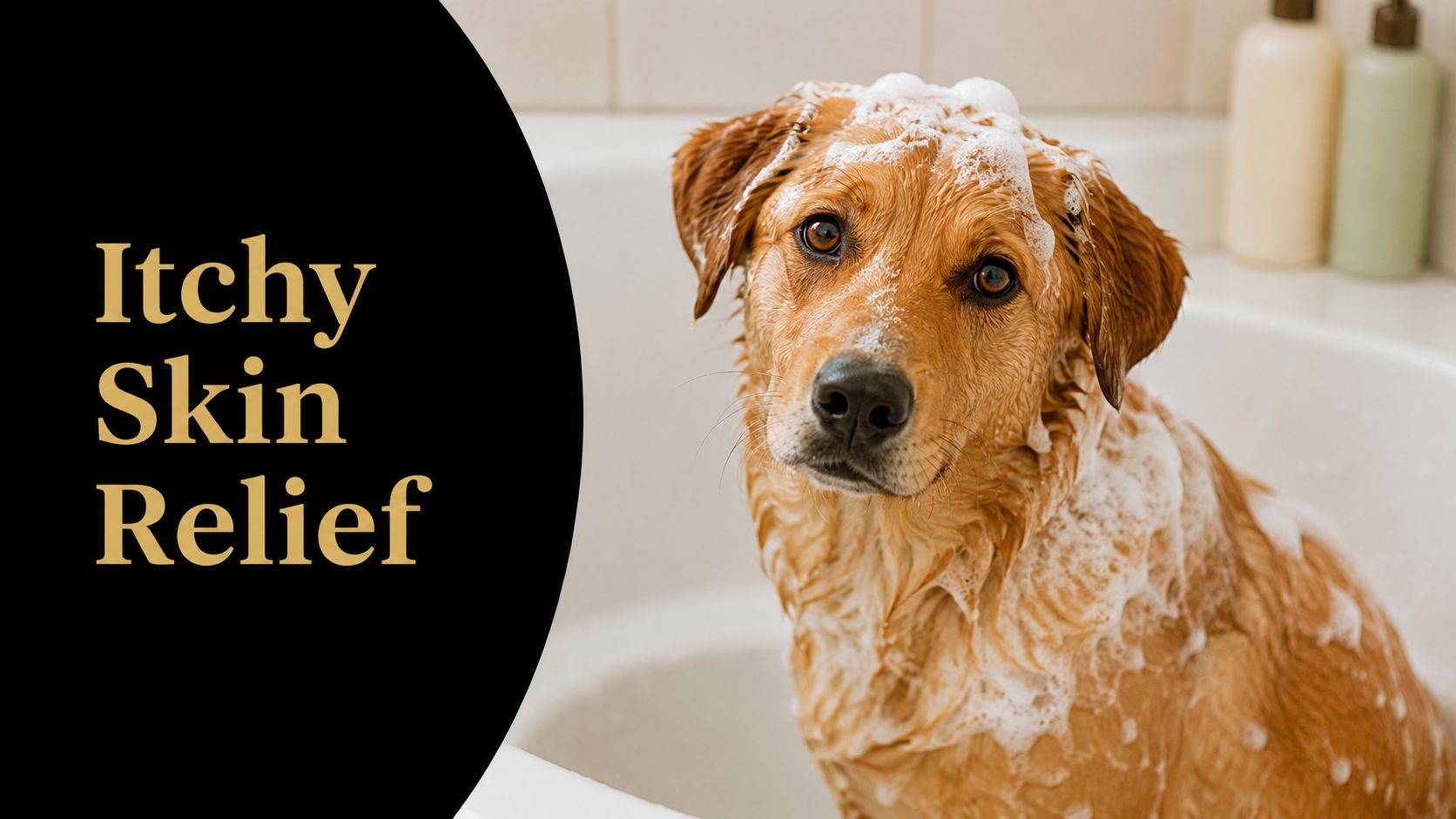
Best Dog Shampoo for Itchy Skin: A 2026 Buyer’s Guide
Your dog keeps scratching. Then the licking starts. Then you notice the paws, the belly, the ears, and maybe a trail of flaky skin on the bed. Most dog owners end up in the same place after a few restless nights. They're standing in front of a shelf of shampoos that all promise relief and wondering which one will work.
Itchy skin can look simple from the outside, but it usually isn't. One dog needs a gentle oatmeal wash. Another needs an antimicrobial shampoo. A third needs skin barrier support and better nutrition at the same time. If you pick the wrong product, you might clean the coat without helping the skin.
A better approach is to think in two directions. Soothe the skin from the outside with the right shampoo, and support the skin from the inside with food that helps the body maintain a healthier coat and stronger skin over time. That combination gives you a much better shot at real relief.
Your Dog Is Itching and You Want to Help
When a dog is uncomfortable, the signs are hard to miss. Scratching at the neck. Rubbing along the carpet. Chewing at the feet late at night. Some dogs get clingy. Some get restless. Some seem irritated because they can't settle down.
If you've been trying to help and not getting clear answers, you're not alone. According to a 2023 survey from the American Veterinary Medical Association, 68% of veterinarians recommend specialized shampoos to manage chronic itchiness, establishing therapeutic bathing as a primary clinical intervention (AVMA survey reference). That matters because it tells you shampoo isn't just a grooming product anymore. In many cases, it's part of treatment.
Practical rule: The best dog shampoo for itchy skin depends on why your dog is itchy, not just how itchy they seem.
Owners often get stuck because every itchy dog looks the same at first. Red skin is red skin. Scratching is scratching. But the fix changes depending on whether the problem is allergy, dry skin, parasites, or a skin infection riding on top of another issue.
That's why the smartest plan starts with two questions. What's happening on the skin right now? And what's supporting the skin underneath every day?
Here's the simple way to understand it:
- Outside care: The right shampoo can calm irritation, wash away allergens, support the skin barrier, or help manage microbial overgrowth.
- Inside care: Good nutrition helps the body maintain healthy skin structure, coat quality, and normal immune function.
- When both matter: Dogs with recurring itch often need more than a quick bath. They need a routine.
You don't need to become a dermatologist to make a better choice. You just need a clear way to match the product to the problem.
Why Is My Dog So Itchy Common Causes Explained
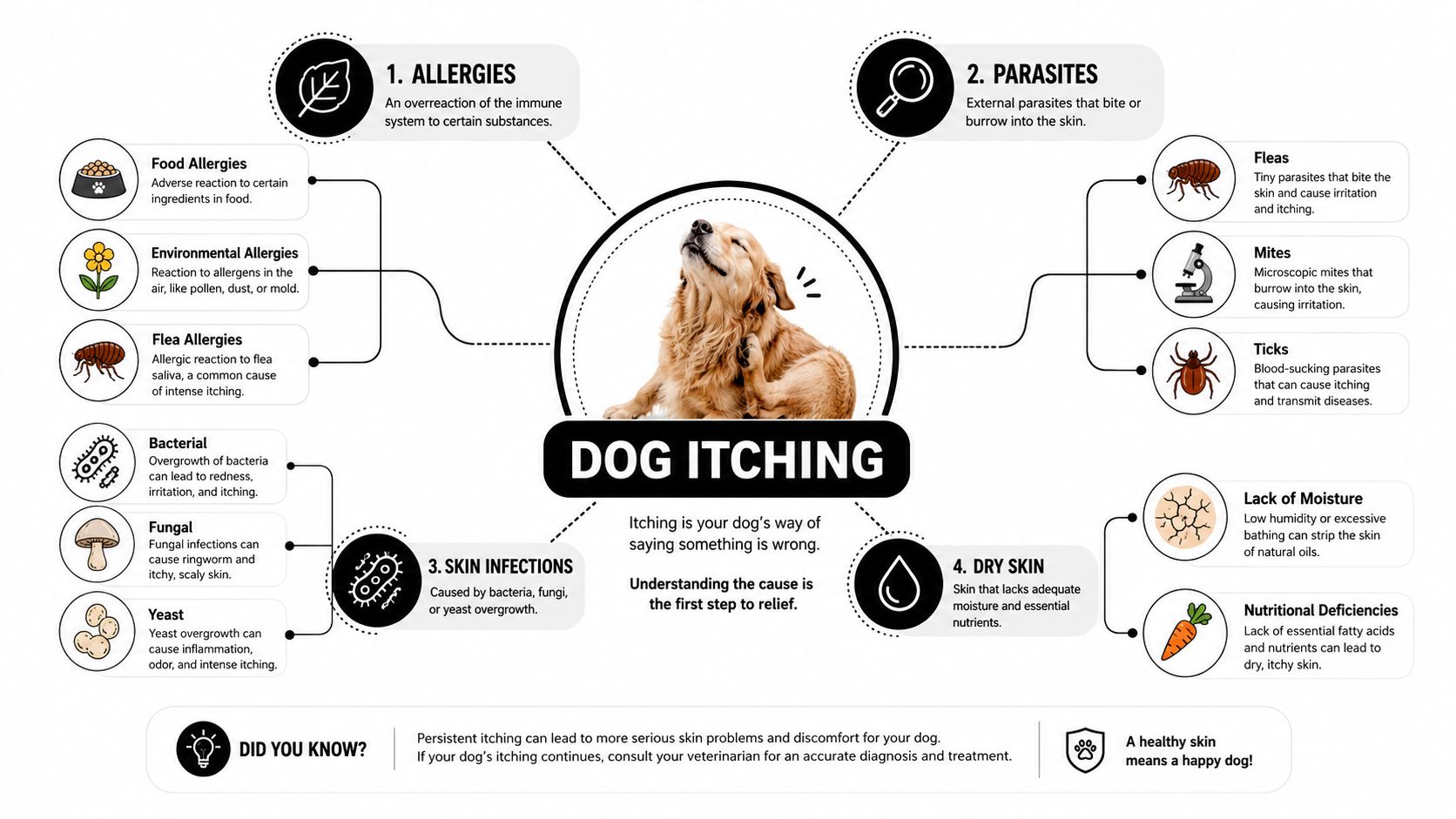
Before buying a shampoo, it helps to sort itching into a few broad buckets. Most itchy dogs fit into one or more of these: allergies, parasites, infections, or dry skin.
Allergies
Allergies are one of the biggest reasons dogs itch. Some react to things in the environment like pollen or dust. Others react to ingredients in food. Some dogs are especially miserable after flea bites because their immune system overreacts to the bite itself.
Think of allergies like an over-sensitive smoke alarm. The trigger may be small, but your dog's body responds like it's a major emergency. The result is inflamed skin, more scratching, and a skin barrier that gets weaker every time the cycle repeats. If your dog has recurring flare-ups, this guide on canine atopic dermatitis helps explain that pattern in plain language.
Parasites
Parasites irritate skin in a much more direct way. Fleas bite. Mites burrow or inflame the skin. Ticks can leave irritated spots and may come with other health concerns. With parasites, shampoo may help clean the skin, but it won't replace proper parasite control.
A lot of owners miss this because they assume no fleas means no flea problem. But a dog can react strongly to just a small number of bites.
Skin infections
Inflamed skin often invites trouble. Once the skin is damaged from scratching, bacteria or yeast can take advantage of it. That can turn a mild itch into a stronger one very quickly.
Signs that push me to think about infection include:
- Odor: Skin starts to smell unpleasant, even soon after bathing.
- Greasy texture: The coat feels sticky or oily near irritated areas.
- Red patches or bumps: Especially on the belly, armpits, paws, or ears.
- Persistent licking: Dogs often focus on infected paws and skin folds.
When the skin gets inflamed, microbes often move in after the fact. The itch you see may not be from one cause. It may be a stack of problems.
Dry skin
Some dogs have dry, flaky skin that becomes itchy and uncomfortable. The skin may look dull, powdery, or rough. These dogs often do better with mild shampoos, better moisturization, and supportive daily nutrition rather than harsh medicated washes.
Dry skin can also overlap with the other causes above. That's common. A dog might start with allergies and end up dry, flaky, and irritated because the barrier isn't holding moisture well anymore.
Decoding Shampoo Labels What Ingredients Actually Work
Dog shampoo labels can be noisy. “Natural.” “Soothing.” “Gentle.” “Veterinary formula.” Those words don't tell you much unless you know which ingredients do what.

Soothing ingredients for mild irritation
If your dog's skin looks irritated but not infected, start by looking for ingredients that calm and soften the skin.
Colloidal oatmeal is a classic choice for a reason. It helps soothe irritated skin and supports moisture retention. Aloe vera is often added for a cooling, calming effect. These ingredients are often a good fit for mild seasonal itch, dry skin, or maintenance bathing between flare-ups.
These aren't miracle ingredients. They're comfort ingredients. That's useful, but only if the underlying issue is something they can reasonably help.
Barrier repair ingredients for allergic skin
Labels warrant closer attention: Topical formulations containing ceramides, essential fatty acids, and phytosphingosine are clinically effective at repairing the skin's lipid barrier, which improves moisture retention and resilience against allergens and microbes (skin barrier support reference).
That matters most in allergic dogs. Their skin barrier often acts like a leaky brick wall. Instead of keeping moisture in and irritants out, it does both poorly. Barrier-support shampoos try to help patch that wall.
Phytosphingosine is especially helpful because it supports barrier repair while also offering anti-inflammatory and antimicrobial support. If your dog has chronic allergy-related irritation, this category deserves more attention than it usually gets.
Medicated ingredients for infection and stronger itch
Some shampoos are less about comfort and more about treatment support.
- Chlorhexidine: Used when bacteria or yeast are part of the problem.
- Miconazole or ketoconazole: Helpful when fungal or yeast overgrowth is suspected.
- Pramoxine hydrochloride: A topical anesthetic that helps reduce itching at the skin level.
These ingredients work best when the dog's signs match the product. A chlorhexidine shampoo can be helpful for secondary infections. It won't do much for a dog whose only problem is dry winter skin.
Emerging microbiome-targeted options
A newer category is aimed at dysbiosis, which means the skin's microbial balance is off. That matters because some itchy dogs don't just have inflammation. They also have recurring microbial imbalance that keeps the cycle going.
One ingredient getting attention is Ophytrium. It shows up in shampoos designed to support the skin microbiome instead of only soothing the surface.
For a human parallel, some people with scalp irritation look for a gentle shampoo for irritated scalps because they've learned that “clean” and “calming” aren't the same thing. The same logic applies here. You want a formula that matches the biology of the problem.
Common Anti-Itch Shampoo Ingredients at a Glance
| Ingredient Category | What It Does | Best For |
|---|---|---|
| Soothing agents | Calm irritated skin and add comfort | Mild itching, dryness, routine support |
| Barrier-support lipids | Help repair the skin barrier and improve moisture retention | Allergic skin, chronic irritation, flaky skin |
| Antimicrobials | Help manage bacterial or yeast overgrowth | Secondary infections, greasy or odorous skin |
| Topical anesthetics | Reduce itch sensation at the skin level | Dogs that seem intensely uncomfortable |
| Fragrance-free hypoallergenic bases | Lower the chance of extra irritation from unnecessary additives | Sensitive skin, dogs that react easily |
How to Choose the Best Shampoo for Your Dog
Once you know the broad causes and the key ingredients, choosing gets easier. You're not shopping by brand name anymore. You're shopping by symptom pattern.
Start with what you can see
Look at the skin and coat before you buy anything. Is the skin mainly dry and flaky? Is there redness in the paws and belly? Does the coat smell off? Are there greasy spots, crusts, or repeated hot spots?
Those clues matter more than front-label promises.
Use this checklist:
- Check the main pattern. Dry flaking points you toward soothing or barrier-support shampoos. Odor, greasy skin, or recurring bumps point more toward medicated formulas.
- Read the active ingredients. Don't stop at “anti-itch” on the bottle. Look for oatmeal, aloe vera, ceramides, chlorhexidine, pramoxine, miconazole, or ketoconazole depending on the problem.
- Avoid extra irritants. Fragrance-free and hypoallergenic formulas are often the safer starting point for sensitive dogs.
- Think about recurrence. If the itch keeps coming back, a microbiome-focused option may be worth considering.
When newer formulas make sense
Recent studies show shampoos with Ophytrium, a microbiome-targeting ingredient, can reduce itch scores by 35% faster than traditional oatmeal-only formulas in dogs with recurrent skin infections, yet this option is rarely discussed in consumer guides (Ophytrium reference).
That doesn't mean every itchy dog needs Ophytrium. It means dogs with repeated infection-type flare-ups may need more than a soothing wash. If your dog seems better for a few days after bathing and then slips right back into itching, this category is worth asking your vet about.
Buying shortcut: Match the shampoo to the skin pattern first. Brand loyalty comes second.
What to skip
Some products make itchy skin worse because they focus on scent or appearance instead of tolerance.
Avoid formulas that lean heavily on:
- Artificial fragrance: Scented doesn't mean soothing.
- Dyes: They add nothing useful for skin health.
- Harsh extras: If your dog is already inflamed, simpler is usually better.
If you're torn between two options, the safer pick is usually the one with clearer active ingredients and fewer decorative additions.
The Right Way to Bathe an Itchy Dog for Maximum Relief
A therapeutic bath works differently from a quick cleanup after a muddy walk. The technique matters almost as much as the bottle.
Start with a calm setup so you're not rushed. Brush out loose hair if your dog will tolerate it. Use lukewarm water, not hot water. Hot water feels comforting to people, but it can dry and irritate inflamed canine skin.

Bathing steps that help, not irritate
Work the water all the way through the coat before adding shampoo. Thick-coated dogs can look wet on top while the skin underneath is still dry. Then apply the shampoo and massage it down to the skin, especially where your dog is itchy.
Common trouble spots include the paws, belly, groin, armpits, neck, and base of the tail.
Here's the basic routine:
- Wet thoroughly: The product has to reach the skin to do anything useful.
- Apply with intention: Don't just slick it over the topcoat.
- Massage gently: Use your fingertips, not your nails.
- Rinse completely: Leftover residue can keep the irritation going.
- Dry softly: Pat with towels instead of rough scrubbing.
This short visual guide can help if bath time tends to turn chaotic: how to bathe a dog.
Contact time is not optional
For medicated products, the biggest mistake owners make is rinsing too soon. To achieve therapeutic efficacy, medicated shampoos containing antimicrobial agents or topical anesthetics like pramoxine hydrochloride require a specific 3–5 minute lather time to allow the active ingredients to penetrate the coat and reach the skin (medicated shampoo contact time reference).
That wait can feel long with a wiggly dog, but it's where the treatment value is.
A few ways to make those minutes easier:
- Use a timer: Guessing often leads to cutting it short.
- Keep one hand on your dog: Gentle contact helps many dogs stay calmer.
- Offer low-key praise: Calm voice, calm movements.
- Avoid the face unless directed: Use a damp cloth around sensitive areas.
Later in the process, this video shows the flow in action.
After the bath
What you do after rinsing also matters. Damp skin trapped under a thick coat can stay irritated. Dry your dog well, especially in folds, between toes, and under the collar area.
If the skin looks angrier right after every bath, stop experimenting and get veterinary guidance. That can signal the formula is wrong, the skin is infected, or the bathing frequency needs adjustment.
Nourish Healthy Skin from the Inside Out
Shampoo helps from the outside. Skin is still built from the inside.
A healthy skin barrier depends on enough protein, amino acids, fats, vitamins, minerals, and hydration. If the body doesn't have the raw materials it needs, the coat often looks dull, the skin may become less resilient, and recovery from flare-ups can take longer.
That doesn't mean every itchy dog needs a brand-new diet. In many cases, owners do better by improving the nutritional quality of what their dog already eats. A good topper or meal enhancer can support that goal without replacing the base food.
What skin-supportive nutrition should do
For itchy dogs, I tell owners to focus less on marketing buzzwords and more on function. The food in the bowl should help maintain body condition, support normal immune function, and provide strong nutritional building blocks for skin and coat.
That usually means paying attention to:
- High-quality protein: Skin and coat depend on amino acids.
- Supportive fats: The skin barrier needs lipids to stay resilient.
- Micronutrient density: Vitamins and minerals support normal skin turnover.
- Palatability: If your dog won't eat well, even a good formula can't help much.
Some owners also like reading broader ingredient discussions, such as this overview of hemp for animal feed, when they're exploring functional additions to a dog's diet.
Why a topper can make sense
Meal enhancers can be practical for picky eaters, senior dogs, and dogs recovering from stress or illness. They can also help owners improve nutrition without throwing out their current kibble routine.
That distinction matters. A topper is a boost, not a replacement for a complete diet. If you're trying to support skin and coat quality, adding nutrient-dense foods to the existing meal can be easier than changing everything at once.
Better skin care often starts before bath time. It starts in the food bowl, with nutrients the body can use to maintain skin and coat health every day.
If you want more detail on what to look for in daily feeding, this guide on best dog food for skin and coat is a useful next read.
The practical view
A dog with itchy skin may need all of the following at once: a better-matched shampoo, fewer skin irritants, parasite prevention, and better nutritional support. Owners sometimes look for one fix because that feels simpler. Skin care usually works better as a stack of helpful habits.
That's also why even the best dog shampoo for itchy skin may seem to “stop working” if the dog's body still doesn't have what it needs for strong skin maintenance. The outside and inside approach works because each side supports the other.
When to See a Vet Signs a Shampoo Is Not Enough
Home care can do a lot. It just can't do everything.
If your dog has mild dryness or seasonal itch, the right shampoo and a better care routine may help quite a bit. But some dogs need diagnostics, prescription treatment, or a clearer diagnosis before things improve.
Red flags worth acting on
Call your vet if you notice any of these:
- The itching keeps going or gets worse: Especially after you've already tried a sensible shampoo routine.
- Open sores or hot spots appear: These can escalate quickly.
- There's hair loss: Patchy thinning can point to infection, parasites, allergy, or other medical issues.
- The skin smells bad: Odor often suggests microbial overgrowth.
- Your dog seems unwell overall: Low energy, poor appetite, or behavior changes matter.
Why this matters
Shampoo is a tool. It is not a diagnosis. It can soothe, support, and sometimes help manage infection at the skin level, but it won't tell you whether your dog has allergies, mites, yeast overgrowth, or a deeper medical issue.
The best outcomes usually come from combining smart home care with veterinary guidance when the signs say it's time. That gives your dog relief now and a better long-term plan, instead of another round of guesswork.
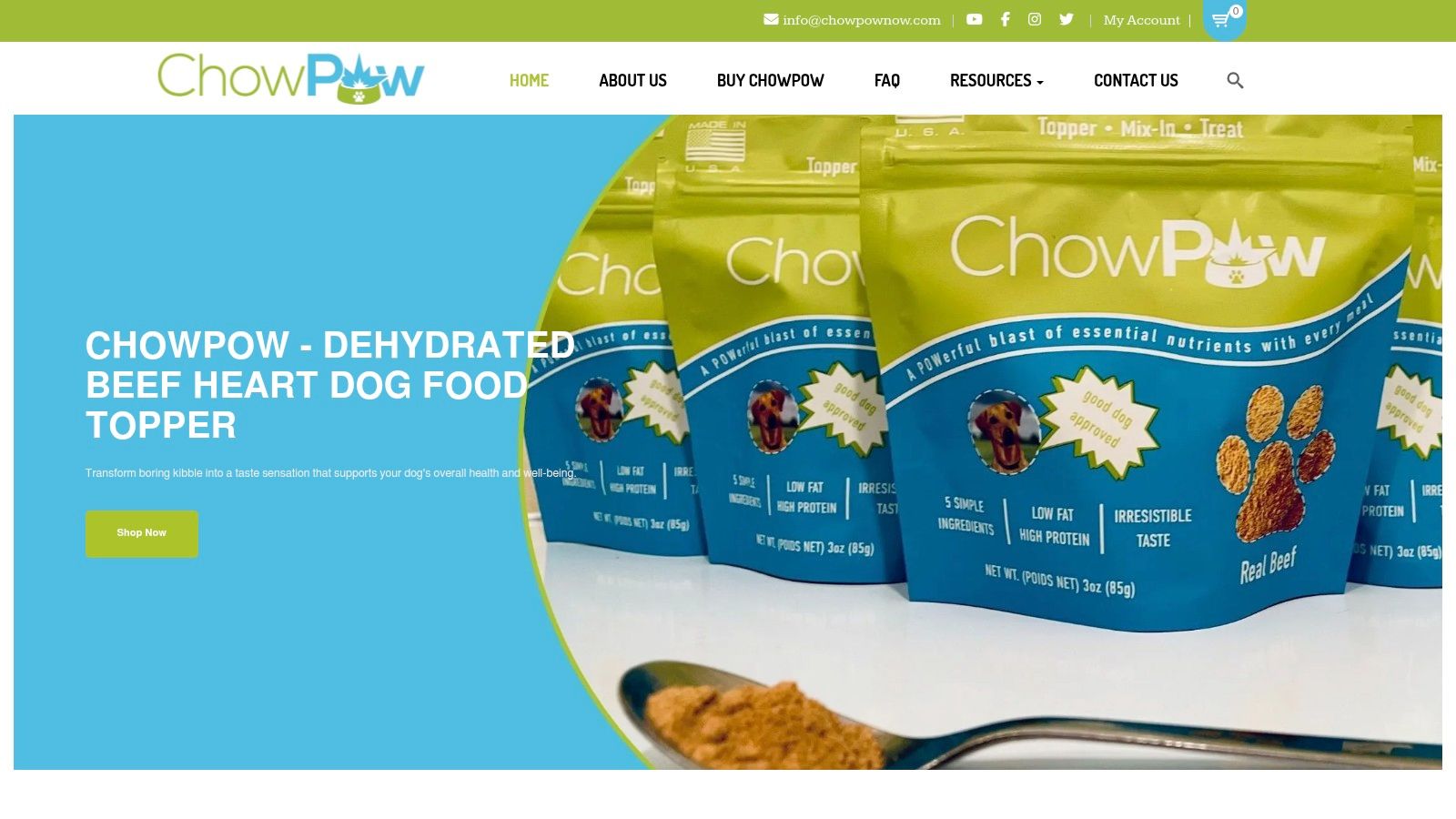
If you want to support your dog's skin and coat from the inside while keeping their current kibble routine, ChowPow is an easy add-on to consider. It's a meal enhancer, not a replacement for your dog's regular food, so you're boosting the nutritional value of the bowl they already eat. For picky eaters, seniors, and dogs that need extra support, that kind of simple daily upgrade can make healthy routines easier to stick with.
-
Product on sale
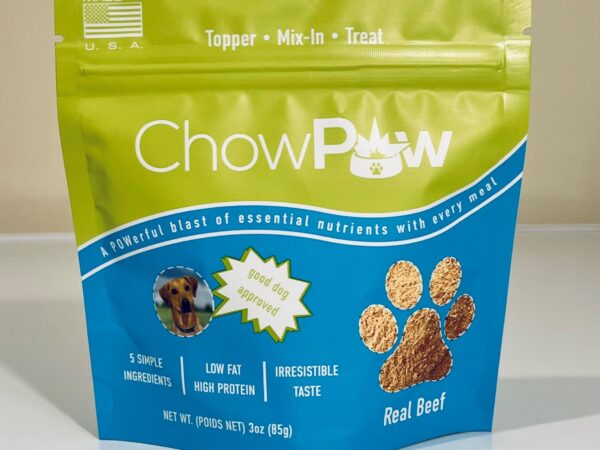 Dog Food Topper - Beef HeartOriginal price was: $14.99.$10.95Current price is: $10.95. - or subscribe and save up to 20%