

Finding the Best Food for Dogs in 2026
If you've ever found yourself staring at a wall of dog food bags, wondering which one is the one, you're not alone. The honest answer is that the best food for dogs isn't a single brand or formula.
Instead, the perfect meal is a diet built specifically for your dog's age, breed, health, and how much they run around the park. Think about it this way: you wouldn't feed a growing toddler the same diet as a professional athlete, right? The same common-sense logic applies to our four-legged family members.
Building a Better Bowl for Your Dog
The good news is that choosing the right food doesn't have to feel like a final exam. The secret is to start with a great foundation—a high-quality, complete-and-balanced kibble—and then customize it to meet your dog’s unique needs. This approach gives you the reliability of a proven diet with the targeted benefits of specific, powerful ingredients.
Imagine your dog’s kibble as a healthy, well-rounded plate of food. For a lot of dogs, that's perfectly fine. But what about the picky eater who turns their nose up at everything? The senior who isn't as interested in food anymore? Or the canine athlete who needs an extra boost?
You wouldn't toss their whole meal and start from scratch. You'd add something to make it better. That's exactly where a nutritional booster shines.
A meal enhancement or supplement like our ChowPow is not designed to replace your dog's current food. It’s meant to boost the nutritional value and flavor of their existing kibble, turning a good meal into a great one.
Understanding Your Dog's Core Needs
The first step is figuring out what your dog truly needs right now, in their current stage of life. A bouncy puppy's nutritional checklist looks completely different from a sweet, snoozing senior's.
For instance, puppies need a ton of calories and specific nutrients like DHA for brain development. Older dogs, on the other hand, often do better with fewer calories to manage their weight, but with extra support for their aging joints.
To help you get started, we've put together this quick-glance table to summarize the most important nutritional priorities for dogs at every stage.
Nutritional Needs At a Glance
| Life Stage / Condition | Primary Nutritional Focus | Key Nutrients | Recommended Food Format |
|---|---|---|---|
| Puppy | Rapid Growth & Development | High Calories, Protein, Fat, DHA, Calcium | High-quality puppy kibble |
| Adult | Health & Energy Maintenance | Balanced Protein & Fat, Omega Fatty Acids | Complete-and-balanced adult kibble |
| Senior | Joint Health & Muscle Maintenance | High-Quality Protein, Glucosamine, Omega-3s | Easily digestible senior formula |
| Picky or Recovering | Appetite Stimulation & Nutrient Density | Highly Palatable Protein, Vitamins, Minerals | Kibble + a high-value topper |
As you can see, the goals shift as your dog ages. Here’s a bit more on what that looks like in their bowl:
- Puppies: Their whole world is about growing. Their diet has one main job: to fuel that rapid development. This means plenty of calories, protein, and essential fatty acids for their brand-new bodies and brains.
- Adults: Once they're grown, the goal switches to maintenance. A balanced diet should keep their energy steady and muscles strong without packing on extra pounds.
- Seniors: Comfort and easy digestion are king. Seniors often need fewer calories but require high-quality, easy-to-digest protein to maintain muscle mass, plus nutrients to support their joints.
- Picky or Recovering Dogs: For these pups, the biggest challenge is getting them to eat in the first place. The focus is on appetite stimulation and concentrated nutrition. A super tasty, nutrient-dense food or topper can be the key to encouraging them to eat and get the vital nutrients they need to thrive.
Why Choosing Dog Food Is So Complicated Today
Have you ever walked down the pet food aisle and just… stopped? The sheer number of bags, cans, and boxes is enough to make anyone’s head spin. Each one promises a different miracle, from a shinier coat to a healthier gut.
Just a couple of decades ago, things were a lot simpler. Choosing your dog’s dinner was like picking between a cheeseburger or a hot dog at a classic roadside diner. Easy.
Today, that simple diner menu has morphed into a multi-page gourmet novel. There are special formulas for every breed, age, and lifestyle you can think of. While having so many options is great, it also makes the final decision feel incredibly high-stakes.
The Rise of the Four-Legged Family Member
So, what changed? This explosion in choice didn't happen in a vacuum. It was sparked by a huge shift in how we view our dogs—they’re not just pets anymore. They’re cherished family members.
This trend, often called "pet humanization," means we want to give them the same level of care we’d want for ourselves. And that starts right in their food bowl.
As a result, we’re no longer satisfied with just basic kibble. We’re looking for meals that actively support their joint health, make their coat gleam, and keep their energy levels up. The pet food industry has definitely listened, rolling out a dizzying array of specialized diets, premium ingredients, and targeted formulas.
Navigating a Booming Market
This demand for better dog nutrition has sent the industry into overdrive. In fact, the global dog food market is projected to soar from $45.62 billion in 2026 to $61.4 billion by 2030. That massive number is a direct reflection of dog owners like you investing in their pup's health and vitality. You can explore the full market report to see just how fast this space is growing.
On one hand, this boom is fantastic—we have more high-quality choices than ever before. The downside? It's created a perfect storm of marketing jargon and confusing claims. Words like "holistic," "ancestral," and "human-grade" sound impressive, but what do they actually mean for your dog?
The key isn't to find a single "magic" bag of food. It's about learning to cut through the marketing fluff and focus on what truly matters: the ingredients and nutritional value inside.
This is especially true when you’ve already found a good kibble but want to add a little something extra. Instead of completely overhauling your dog’s diet, a simple addition can make all the difference.
Take a high-quality meal enhancement like ChowPow, for example. It isn't meant to replace your dog's main meal; it's a nutritional boost. Sprinkling a bit of real beef heart powder onto their existing food can amp up the protein and make it irresistible to even the pickiest eater—all without forcing you to switch brands.
Getting a handle on this market is the first step. It prepares you to become a savvy shopper who can read a label and make choices based on substance, not just flashy packaging.
How to Read a Dog Food Label Like a Pro
To find the best food for your dog, you've got to become a bit of a label detective. That flashy packaging with pictures of happy, athletic dogs? It’s designed to catch your eye, but the real story is always on the back of the bag. Learning to read a dog food label is your secret weapon—it lets you see past the marketing hype and understand exactly what you’re feeding your best friend.
Think of it like scanning the nutrition facts on your own food. At first, it can feel like a wall of text, but once you know what to look for, you can quickly spot the high-quality options and steer clear of the ones filled with less-desirable ingredients. This skill is key to making confident choices based on substance, not just clever advertising.
The modern dog food market is a busy place, shaped by what we owners want, industry trends, and an ever-growing number of choices. This visual breaks down how our love for our dogs has created this huge, specialized market.
As you can see, our relationship with our dogs directly fuels the industry, leading to all the different types of food you see on the shelves.
The Ingredient List Tells the Tale
The most important part of that entire label is the ingredient list. Ingredients are listed by weight, from heaviest to lightest, before cooking. This means the first five ingredients make up the real substance of the food, so they deserve your full attention.
You always want to see a high-quality, named protein source right at the top. Look for specific wording like "deboned chicken," "beef," or "salmon." These are whole, identifiable proteins that provide the essential amino acids your dog needs for strong muscles and great overall health.
On the flip side, vague terms are a major red flag. Be cautious when you see ingredients like these:
- "Meat and bone meal": This is a rendered product from mammal tissues, but the exact animal source is a mystery.
- "Meat by-products": While not automatically bad, this can include less digestible parts like spleens or lungs, and the quality can be all over the place.
- "Poultry by-product meal": Similar to meat by-products, the source isn't specific. It's generally considered a lower-quality ingredient than named poultry.
Choosing a food with a clearly named meat as the first ingredient is the easiest and most effective way to ensure you're starting with a quality foundation for your dog's diet.
Cracking the Code of the Guaranteed Analysis
The Guaranteed Analysis is that little box of percentages on the label. It looks technical, but it’s actually pretty straightforward once you know what each number means for your dog. It shows the minimum and maximum levels of key nutrients.
Here's the breakdown:
- Crude Protein (Minimum %): This is the minimum amount of protein in the food. Protein is vital for everything from muscle growth to a healthy immune system. Puppies and active dogs need more, while seniors need high-quality, easy-to-digest protein.
- Crude Fat (Minimum %): Fat is your dog's main source of energy. It also keeps their skin healthy and their coat shiny. Most healthy adult dogs do well with a balanced amount, but a highly active dog might need a food with higher fat content.
- Crude Fiber (Maximum %): This tells you the maximum amount of indigestible fiber, which is important for good digestion. Too much can get in the way of nutrient absorption, so you generally want to see a moderate level, usually around 3-5%.
- Moisture (Maximum %): This one is simple—it’s just how much water is in the food. Dry kibble usually has a moisture content of around 10%.
When you're trying to figure out the right portion size, understanding calorie content is just as important. For a great deep-dive on this, check out this resource: A Complete Guide to Calorie Content in Dog Food. This guide from Denver Dog really helps put the Guaranteed Analysis into a practical context for your dog’s daily needs.
Want to become a true label-reading pro? We’ve got you covered. Learn more about how to read dog food labels in our article. Once you get the hang of checking the ingredient list and the guaranteed analysis, you’ll feel totally empowered to pick the best food for your dog based on facts, not just marketing fluff.
Matching Nutrition to Your Dog's Unique Needs
You wouldn't feed a toddler the same dinner as a grandparent, right? The same logic applies to our dogs. The best food for them changes as they journey through life. A bouncy puppy, a healthy adult, and a wise old senior all have completely different nutritional scorecards.
Getting this right isn't about chasing one single "perfect" food. It’s about being a savvy owner who adapts their dog's diet to fit their current stage and circumstances. Sometimes, a dog hits a rough patch—like becoming a picky eater or recovering from an illness—that calls for a nutritional assist. Instead of a stressful, full-diet overhaul, a simple, targeted boost can make all the difference.
Fueling the Growth of a Puppy
Puppies are basically little construction zones powered by pure chaos and joy. Their bodies are working overtime building strong bones, lean muscle, and a sharp mind. To keep up with this incredible development, their diet needs to be packed with calories and specific, high-octane nutrients.
- Higher Calories: Puppies burn through energy at a shocking rate. Their food has to fuel their non-stop playtime and their rapid physical growth.
- More Protein and Fat: Protein is the essential building block for all that new muscle tissue. Healthy fats provide concentrated energy and are vital for brain development. You can learn more about how much protein your dog needs in our detailed guide.
- DHA for Brain Health: This specific omega-3 fatty acid is a non-negotiable for cognitive and visual development. A quality puppy food will be rich in DHA to help them grow into a smart, confident adult.
Maintaining Health in Adult Dogs
Once your dog reaches adulthood, the goal of their diet shifts from rapid growth to steady maintenance. Now, the focus is on providing balanced nutrition that keeps their energy levels stable, their body strong, and supports long-term health—all without piling on unwanted pounds.
A high-quality, complete-and-balanced adult formula is the perfect foundation. It should provide a moderate amount of protein to maintain muscle mass and just enough fat to fuel their daily adventures. At this stage, consistency is your best friend in preventing obesity, a common problem that can trigger a whole host of other health issues down the line.
Think of an adult dog's diet like a well-oiled machine. It needs the right kind of fuel, in just the right amount, to run smoothly day in and day out without wearing down the parts.
Supporting Seniors Through Their Golden Years
As dogs move into their senior years, their metabolism naturally slows down and their bodies start to show a little wear and tear. Their nutritional needs shift again, this time toward comfort, easy digestion, and targeted support for common age-related problems.
- Fewer Calories: Senior dogs are generally less active, so they need fewer calories to stay at a healthy weight. Extra pounds put a lot of unnecessary strain on their aging joints.
- High-Quality, Digestible Protein: Keeping muscle mass is crucial for seniors' mobility and strength. Easy-to-digest protein helps them do this without putting extra stress on their kidneys.
- Joint Support: Ingredients like glucosamine and chondroitin can be a game-changer for supporting older joints, helping to improve mobility and keep them comfortable.
Addressing Unique Challenges Like Pickiness and Recovery
Sometimes, the biggest hurdle isn't your dog's age—it's their appetite. A dog might suddenly turn into a picky eater, or they might lose interest in their bowl while recovering from an illness or surgery. In these moments, just getting them to eat anything becomes the number one priority.
This is where a meal enhancement becomes your secret weapon. Instead of completely switching their food (which can often cause an upset stomach), a high-value meal topper makes their existing meal irresistible. A simple sprinkle of a nutrient-dense, super-tasty powder can fire up their appetite and deliver a concentrated dose of nutrition right when they need it most.
This strategy is catching on fast. Dog food already commands a massive 60% of the entire global pet food market because owners are demanding formulas that truly work for their dog's specific needs. The market is increasingly being shaped by innovative enhancers like toppers, which premium toppers are shaping the future of pet nutrition. For a picky or recovering dog, that simple boost can be the key to getting them back on their paws.
Elevating Their Bowl with a Nutritional Booster
So you’ve done the hard work. You’ve sifted through countless brands and found a solid, high-quality kibble that serves as the foundation of your dog's diet. But what happens when their needs shift, or they just get bored? Instead of starting your search for the best food for dogs all over again, there's a much simpler approach: just elevate the bowl they already love with a nutritional booster.
A meal topper isn’t meant to replace your dog's main food—it’s an upgrade. Think of it like adding fresh avocado to a sandwich or sprinkling protein-packed nuts on your morning oatmeal. You aren't reinventing the meal, just making it better with targeted, powerful ingredients.
This is exactly where a supplement like ChowPow comes in. It’s designed to enhance the kibble your dog already eats, turning a good meal into a great one without the stress of a full diet change.
The Power of Simple Ingredients
The secret to a great booster is all about simplicity and quality. ChowPow is made with just four human-grade, locally sourced ingredients, and each one is there for a specific, transparent reason. No mysterious fillers, no artificial flavors, and no unnecessary additives. Just pure, concentrated nutrition you can feel good about.
Here’s exactly what's inside every small-batch jar and why it’s there:
- Beef Heart: This is the star of the show. We chose beef heart because it's a true superfood for dogs, packed with high-quality protein and essential amino acids to support strong muscles and boundless energy. Its rich taste is also a fantastic tool for getting picky eaters excited about mealtime.
- Carrot: A natural source of beta-carotene, which the body converts to Vitamin A. This helps support healthy vision, skin, and immune function.
- Celery: This humble veggie provides a little boost of vitamins and minerals while also offering antioxidant benefits to support overall health.
- Apple Cider Vinegar: Just a small amount helps support healthy digestion, making sure your dog can absorb all those wonderful nutrients in their bowl.
This focus on single-source, high-quality protein is more than just a passing trend. The historic boom in the dog food market—projected to hit $61.4 billion by 2030—was driven by this exact kind of owner awareness. It’s put a spotlight on toppers, especially when you consider that over 50% of owners say their dogs are finicky eaters. For these pups, as well as seniors or those in recovery, high-protein additions like beef heart deliver amino acids that standard kibble can sometimes lack.
Solving Real Problems with a Simple Sprinkle
A good nutritional booster is a versatile tool that can help tackle some of the most common challenges we face as dog owners. It gives your pup targeted support right when they need it most.
For the Picky Eater
A sprinkle of ChowPow can make any meal irresistible. The rich, meaty aroma of beef heart triggers a dog’s natural instincts, turning a boring bowl of kibble into something special.
For the Senior Dog
Older dogs often have a weaker sense of smell or sensitive teeth, which can make them less interested in eating. ChowPow’s powerful scent entices them to their bowl, and its powder form is gentle on their mouths. Plus, the high-quality protein helps them hang on to crucial muscle mass.
For the Recovering Pup
After an illness or surgery, a dog's body needs extra fuel to heal, but their appetite is often the first thing to go. A nutrient-dense topper delivers concentrated nutrition in a small, delicious package, supporting a strong and speedy recovery.
By focusing on quality and transparency, elevating your dog’s diet becomes both easy and trustworthy. You know exactly what they’re getting—and why it’s helping them thrive.
Every batch of ChowPow is lab-tested and crafted with care, giving you complete peace of mind. If you want to dive deeper into how this simple addition can make a huge impact, you might enjoy our article on the benefits of adding food toppers to your dog's diet. It’s a simple way to give your dog the very best, one scoop at a time.
Practical Tips for a Healthier Mealtime
Figuring out the right food for your dog is a huge win, but it's only half the story. The other, equally important part is how you feed them. By putting that knowledge into practice with a few simple, consistent habits, you can make an incredible difference in your dog's day-to-day well-being.
Let's start with the basics: mastering portion control. It's easy to overdo it, and just like with us, overeating leads to obesity in dogs, putting a serious strain on their joints and organs.
Your dog's food bag gives you a starting point, but always adjust based on their activity and body shape. Your best friend here is a simple measuring cup—"eyeballing it" is a recipe for slowly creeping weight gain.
Establishing a Feeding Routine
Dogs are creatures of habit, and they absolutely thrive on a predictable schedule. A solid feeding routine doesn't just manage their hunger pangs; it gets their entire digestive system on a regular, healthy rhythm.
Feeding your dog at the same times every day helps stop them from grazing (a common cause of weight gain) and makes it much easier to spot if their appetite suddenly takes a nosedive.
Beyond the bowl itself, a clean and calm space makes a world of difference. A hygienic rest area is key, and something as simple as a dog bed with a washable cover helps keep their spot fresh and inviting, making the whole environment more positive.
You'll also want to get in the habit of checking your dog's body condition. Run your hands along their side—you should be able to feel their ribs without pressing through a thick layer of fat. When you look down at them from above, you should see a clear, tucked-in waist. Catching weight changes early is the best way to stay ahead of problems.
Creative Ways to Use a Meal Topper
A high-quality nutritional booster like ChowPow isn’t just a fix for picky eaters. Because it's a simple, versatile supplement, you can use it to make any meal better without having to do a complete diet overhaul.
A great meal supplement is like a secret weapon in your pantry. It can solve multiple problems with one simple scoop, from stimulating appetite to making medication more palatable.
Here are a few practical ways you can put it to work:
- The Dry Sprinkle: This is the easiest method by far. Just sprinkle the recommended amount of ChowPow over their regular kibble. That rich, meaty beef heart aroma is fantastic for tempting a fussy dog to clean their bowl.
- The Savory Gravy: Mix ChowPow with a little warm water to create a delicious, hydrating gravy. This is a game-changer for senior dogs with sensitive teeth or any pup who could use more moisture in their diet.
- The Medication Disguise: We've all been there. Hiding pills can be a daily struggle. Mixing medication into a small spoonful of this savory gravy turns a stressful chore into a tasty treat.
By focusing on portion control, a solid routine, and a few creative enhancements, you can turn every mealtime into an opportunity to actively support your dog's health and happiness.
Common Questions About Dog Nutrition
When you're trying to do the best for your dog, it feels like a million questions pop up about their food. It can be a confusing world to step into! You want to be sure you're making the right calls for your best friend's health.
Let's clear the air and tackle some of the most common questions we hear from dog owners. Think of this as your go-to guide for quick, reliable answers.
Can I Feed My Dog Human Food?
It’s so tempting to share a bite from your plate, especially with those puppy-dog eyes staring up at you. But for the most part, it’s best to resist the urge. A lot of our food is simply too rich, fatty, or salty for a dog's system.
Even worse, some common ingredients like onions, garlic, chocolate, and grapes are downright toxic to them. However, a few plain, whole foods can be a great treat in moderation! Think small pieces of cooked, unseasoned meat, a few green beans, or some carrot sticks. Just be sure to always stick to dog-specific foods for their main meals.
There's a big difference between "human-grade" ingredients and "human food" from your plate. ChowPow, for example, is made with 100% human-grade beef heart, but it's a supplement prepared specifically to boost your dog’s diet—not as a leftover from your dinner.
Is Grain-Free Food Better for My Dog?
The grain-free craze took off with the idea that grains are just "unnatural fillers" that cause allergies. And while it's true that a small number of dogs do have a genuine allergy to a grain like wheat, most dogs handle grains just fine.
In fact, healthy whole grains like brown rice and oats can provide fantastic fiber and essential nutrients. The real marker of good food isn't the absence of grains—it's the presence of high-quality, digestible protein as the star ingredient. Unless your vet has flagged a specific grain allergy, there's usually no medical reason to go grain-free.
How Do I Know if My Dog Is at a Healthy Weight?
The number on the scale doesn't tell the whole story, especially with so many different breeds and body types. The best way to check is to use your hands and eyes.
Gently run your hands over your dog's sides. You should be able to feel their ribs under a thin layer of fat without pressing hard. Next, look at your dog from above. You should see a clear, visible "waist" that tucks in between their ribs and hips. If you can't feel the ribs or see that waist, your pup might be carrying a few extra pounds.
Ready to turn a good meal into a great one? ChowPow makes it simple to boost your dog's nutrition and appetite. Just a sprinkle of our all-natural beef heart meal enhancement can make their bowl irresistible. Visit us at ChowPow to learn more!
-
Product on sale
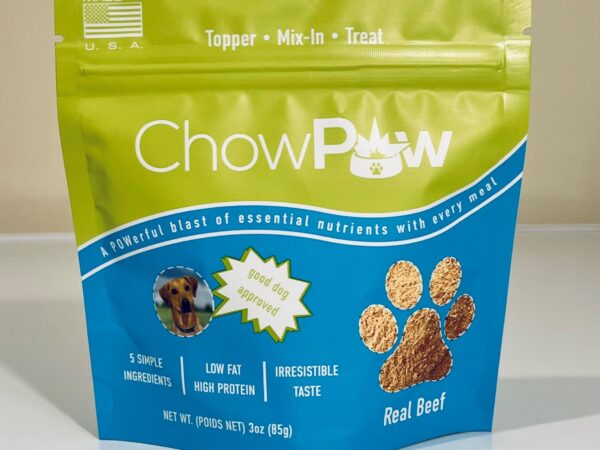 Dog Food Topper - Beef HeartOriginal price was: $14.99.$10.95Current price is: $10.95. - or subscribe and save up to 20%