

The Best Ingredients for Homemade Dog Food Unlocked
The best ingredients for homemade dog food are a balanced trio of lean proteins, vitamin-rich vegetables, and healthy fats. Think of it like putting together your own plate—you need a main course, some greens, and a healthy oil to bring it all together. It’s the same basic formula for your dog's best health.
Giving Your Dog the Best Homemade Nutrition
Deciding to make your dog’s meals from scratch is a huge act of love. You get total control over every single ingredient, making sure they only get fresh, wholesome food. But this journey comes with a big responsibility: creating a nutritionally complete diet is way more complicated than just tossing some meat and veggies in a bowl.
Without the right balance, you could accidentally leave out critical vitamins and minerals. It's a surprisingly common trap for even the most well-meaning pet parents. In fact, one major study revealed that a staggering 94% of homemade dog food recipes were nutritionally incomplete, lacking the essential nutrients dogs need to truly thrive. You can explore the full study about homemade diet deficiencies to see the common pitfalls for yourself.
This is exactly why getting a handle on the core components is so important. Let’s walk through the nutritional building blocks of a great canine diet.
The Building Blocks of a Healthy Meal
A truly balanced meal breaks down into three main categories, and each one plays a unique, vital role in your dog's well-being.
- Proteins: This is the foundation for strong muscles, healthy organs, and boundless energy. We're talking lean meats and nutrient-packed organ meats.
- Vegetables: They’re the source of essential vitamins, minerals, antioxidants, and fiber, all working to keep the immune system robust and digestion running smoothly.
- Fats: Don't skip the healthy fats and oils! They are absolutely crucial for brain function, a shiny coat, healthy skin, and absorbing certain key vitamins.
This simple diagram shows you how these three core components form the base of a complete and healthy meal.
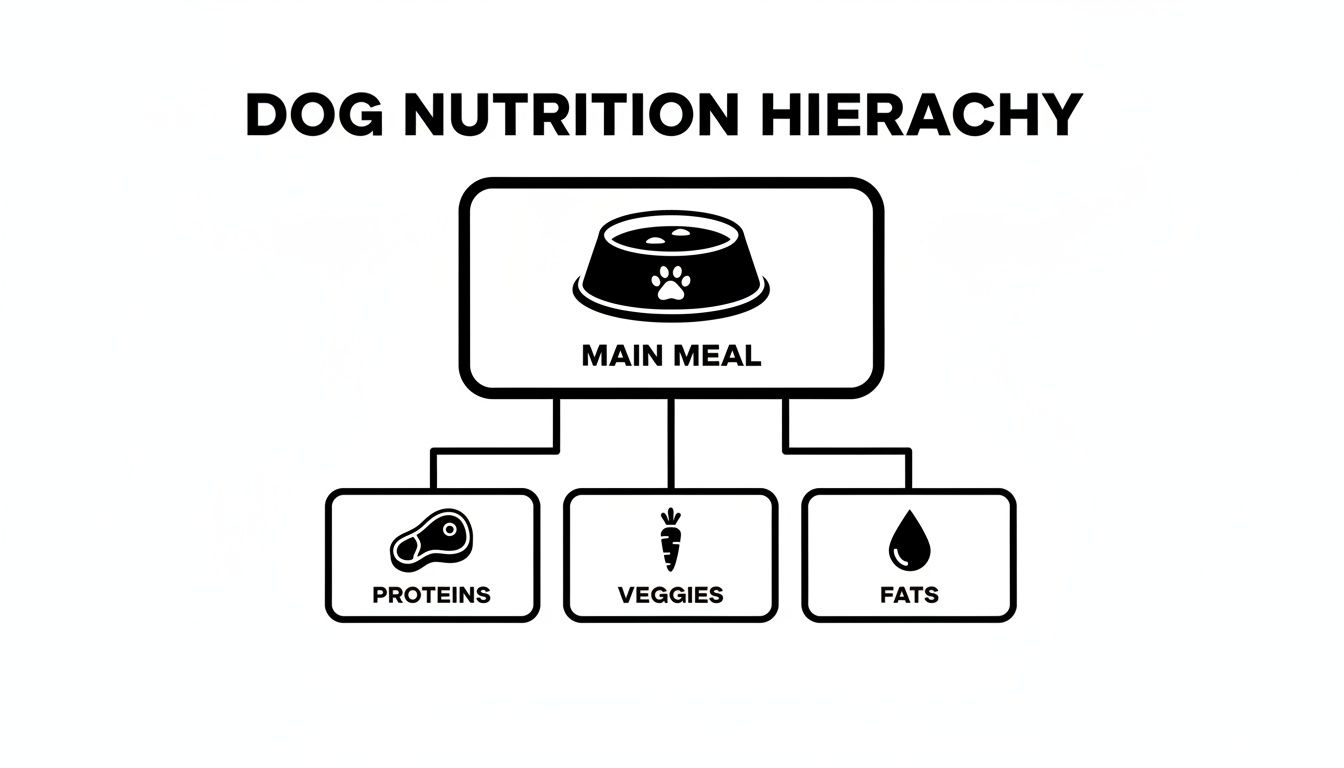
This hierarchy makes it clear that a balanced meal isn't about any single ingredient—it’s about how they all work together in harmony. Nailing that perfect balance day in and day out is honestly the biggest challenge of DIY dog food. It's why many owners choose to boost their dog's regular kibble with a nutrient-dense supplement like ChowPow. It’s a great way to add the nutritional benefits of high-quality ingredients to their existing food without any of the guesswork.
Choosing the Right Proteins for Your Dog
If you're going to build a healthy meal for your dog from scratch, protein is the foundation. Seriously, it's the most important building block for everything from strong muscles and healthy organs to their immune system. Think of it like the foundation of a house—if it's not solid, the whole structure is wobbly. Getting the protein right is the first and most critical step.
The key is to stick with lean, high-quality meats that are packed with essential amino acids but aren't loaded with fat. Go-to options like chicken, turkey, and lean ground beef are fantastic choices that most dogs go crazy for. They're easy to digest and deliver the power your dog needs for daily energy and tissue repair, making them some of the best ingredients for homemade dog food.
Beyond Muscle Meat: The Power of Organs
While lean muscle meats are a must, you'd be missing a huge opportunity if you skipped organ meats. Organs like liver and heart are basically nature's multivitamins, offering a super-concentrated dose of nutrients you just won't find in muscle meat alone. They're incredibly rich in vitamins A and B, iron, and taurine.
Beef heart, in particular, is a nutritional rockstar. While it's technically a muscle, its nutrient profile is as dense as any organ meat. That unique combination makes it an amazing addition to boost your dog's diet, giving them real support for their cardiovascular health and overall vitality.
Organ meats are significantly more nutrient-dense than traditional muscle meats. Just a small amount can provide a powerful boost of vitamins and minerals, making them a highly efficient way to elevate your dog's meal.
Beef Heart: A Superior Protein Source
Not all proteins are created equal, and some really stand out from the pack. While chicken might be the most common ingredient in U.S. pet foods by sheer volume, beef heart is a far superior, nutrient-packed choice for enhancing your dog's meals.
Get this: beef heart provides 17% more protein than chicken breast per ounce. It’s also loaded with more B vitamins (like B12 for energy) and zinc for immunity. This is a big deal, especially since amino acids from protein sources make up a 33% market share of pet food ingredients, as noted in a Pet Food Institute analysis.
This makes beef heart a slam-dunk for supporting your dog's energy and immune system. Plus, its rich flavor is a game-changer for picky eaters. It’s no surprise we made dehydrated beef heart the star ingredient in our ChowPow meal enhancement supplement.
Safe Preparation and Cooking
How you prepare the protein is just as important as which one you pick. Some people advocate for raw diets, but they come with real risks of bacterial contamination from things like Salmonella and E. coli, which can make both you and your dog sick.
To be safe, it's best to cook all meats thoroughly. Here are a few simple tips:
- Boil or bake: These methods are great because they cook the meat evenly without needing extra fats or oils.
- No seasoning: Never add salt, onions, garlic, or other seasonings. Many are toxic to dogs.
- Drain excess fat: If you're using ground meats, always drain off the rendered fat after cooking to keep the meal lean and healthy.
Proper prep ensures your dog gets all the good stuff without any of the risks. For a deeper look at different options, check out our guide on the best protein sources for dogs.
Adding Vegetables for Vitamins and Fiber
If protein is the star of your dog's meal, think of vegetables as the essential supporting cast. They're the specialists who provide the vitamins, antioxidants, and fiber that protein alone can't deliver, building a strong immune system and keeping digestion running smoothly. Tossing in the right veggies is an easy way to add a pop of color, a bit of texture, and a serious nutritional boost to their bowl.
Vegetables bring crucial micronutrients to the table that a simple meat-and-potatoes diet misses. Carrots, for example, are loaded with beta-carotene, which a dog's body converts into Vitamin A for better vision and immune health. Green beans offer plant-based iron and vitamins, while celery provides hydration and gut-friendly fiber. It's these additions that turn a good meal into a great one.
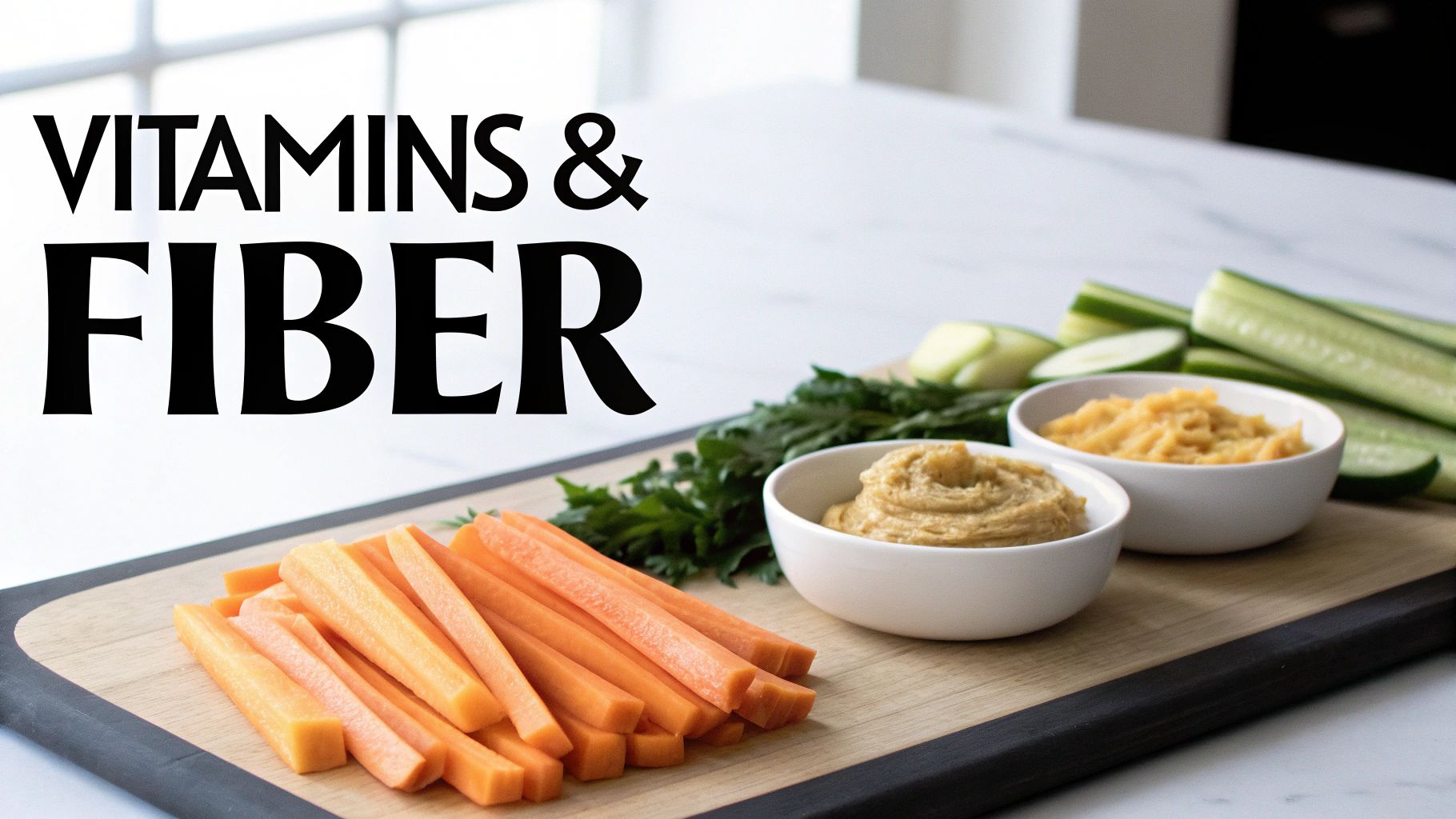
Nutrient-Rich Veggies Your Dog Will Love
Mixing it up is key! A variety of dog-safe vegetables ensures a broader spectrum of nutrients. Here are some of the best and easiest veggies to incorporate as a boost to your dog’s food:
- Carrots: Fantastic for dental health when served raw (with supervision, of course!), and a powerhouse of Vitamin A when cooked. Plus, that natural sweetness is a big hit with most dogs.
- Green Beans: A low-calorie option packed with important vitamins and minerals. They're perfect for adding bulk to a meal to help manage your dog's weight.
- Sweet Potatoes: When cooked and served in moderation, sweet potatoes are an amazing source of dietary fiber, vitamin B6, and vitamin C. Just never, ever serve them raw.
- Pumpkin Purée: This is the go-to for digestive upset. Pure pumpkin (make sure it's 100% pure, not the sugary pie filling!) is rich in fiber and can help with both constipation and diarrhea.
Getting the Prep Right Matters
How you prepare vegetables makes a huge difference. While some dogs love crunching on a raw carrot, most veggies need to be steamed or boiled. This simple step breaks down their tough cellular walls, making it much easier for your dog to absorb all the good stuff inside.
For an even bigger nutritional punch, try puréeing the cooked vegetables. This guarantees they mix in perfectly with the rest of the food, so your dog’s system can put every last nutrient to use.
A great guideline to follow is the 90/10 principle. About 90% of your dog's diet should come from their balanced main food (like their regular kibble), while the other 10% can be healthy additions like veggies and treats.
A Quick Guide to Dog-Safe and Toxic Produce
Knowing which veggies to add is only half the battle; knowing which ones to avoid is critical for your dog's safety. Some of our favorite human foods are incredibly dangerous for them.
This table is your cheat sheet for quickly checking what's safe to share and what's a definite no-go.
| Safe for Dogs | Benefit | TOXIC Never Feed |
|---|---|---|
| Carrots | Vitamin A, Fiber | Onions, Garlic, Chives |
| Green Beans | Iron, Vitamins | Grapes & Raisins |
| Sweet Potatoes | Vitamin C, Fiber | Avocado |
| Pumpkin | Digestion, Fiber | Macadamia Nuts |
| Broccoli (in moderation) | Vitamin C, Fiber | Chocolate |
| Celery | Hydration, Vitamins | Artificial Sweeteners (Xylitol) |
Always double-check before introducing a new food. If you’re ever in doubt, it’s best to just leave it out. By sticking to the safe list, you can be confident that you’re only adding value to every meal you serve.
Don’t Forget Healthy Fats and Oils
While protein builds muscle and veggies pack in the vitamins, healthy fats and oils are the unsung heroes of your dog’s diet. Think of them as the skilled, behind-the-scenes crew making sure the whole show runs smoothly. They’re absolutely vital for everything from brain function and absorbing nutrients to keeping your dog's skin healthy and their coat shiny.
Fats are a fantastic, concentrated source of energy, but their most important job is delivering essential fatty acids like Omega-3 and Omega-6. These are compounds your dog's body simply can't make on its own, so they have to come from their food. Nailing this delicate balance is one of the trickiest parts of making homemade dog food.
Finding the Right Balance of Fats
Getting the ratio of Omega-6 to Omega-3 fatty acids just right is a huge deal. Most commercial dog foods have plenty of Omega-6 (it’s common in chicken and certain plant oils), but they often fall short on Omega-3s, which are critical for keeping inflammation in check.
Here are a few excellent sources of healthy fats to think about adding to your dog's bowl:
- Fish Oil: A powerhouse of Omega-3s, fish oil from salmon, sardines, or anchovies is famous for supporting joint health, brain function, and skin integrity.
- Flaxseed Oil: This is a fantastic plant-based source of Omega-3s, making it a great choice for dogs who might have sensitivities to fish.
- Olive Oil: A little bit of extra virgin olive oil can be a healthy addition, offering monounsaturated fats and antioxidants. If you want to dive deeper, you can explore the surprising health benefits of extra virgin olive oil.
Adding a small amount of these oils can make a big difference, but it's really easy to overdo it. Always chat with your vet to figure out the right dose for your dog’s size and health needs, because too much fat can lead to an upset stomach or even pancreatitis.
Beyond Oils: Essential Supplements
Beyond the world of fatty acids, there's another key nutrient that often gets missed in homemade diets: calcium. It’s the very foundation for strong bones and teeth, and not getting enough can lead to serious health problems down the road. Many people think giving their dog a bone is a natural way to supply calcium, but this comes with a major risk.
Never feed your dog cooked bones. They become brittle and can easily splinter, causing choking or severe internal damage. While some raw bones might be safer under strict supervision, the risk often outweighs the reward.
A much safer bet is to add a measured calcium supplement, like calcium carbonate or even finely crushed eggshells, to their meals. But here’s the catch: getting the calcium-to-phosphorus ratio correct is another complicated piece of the nutritional puzzle. This is why many dog owners look for a simpler solution.
Instead of stressing over balancing every single component, you can boost your dog's existing kibble with a meal enhancer like ChowPow. It’s an easy way to ensure key nutrients are included without the risk of getting the delicate balance wrong.
How to Easily Boost Your Dog's Nutrition
So, we've walked through the ins and outs of proteins, veggies, and fats. It’s pretty clear that whipping up a perfectly balanced homemade meal for your dog every single day is a serious commitment. Getting the ratios just right, worrying about nutrient gaps, and the constant meal prep can honestly feel a little overwhelming.
But what if you could give your dog all the goodness of whole-food ingredients without needing a degree in canine nutrition?
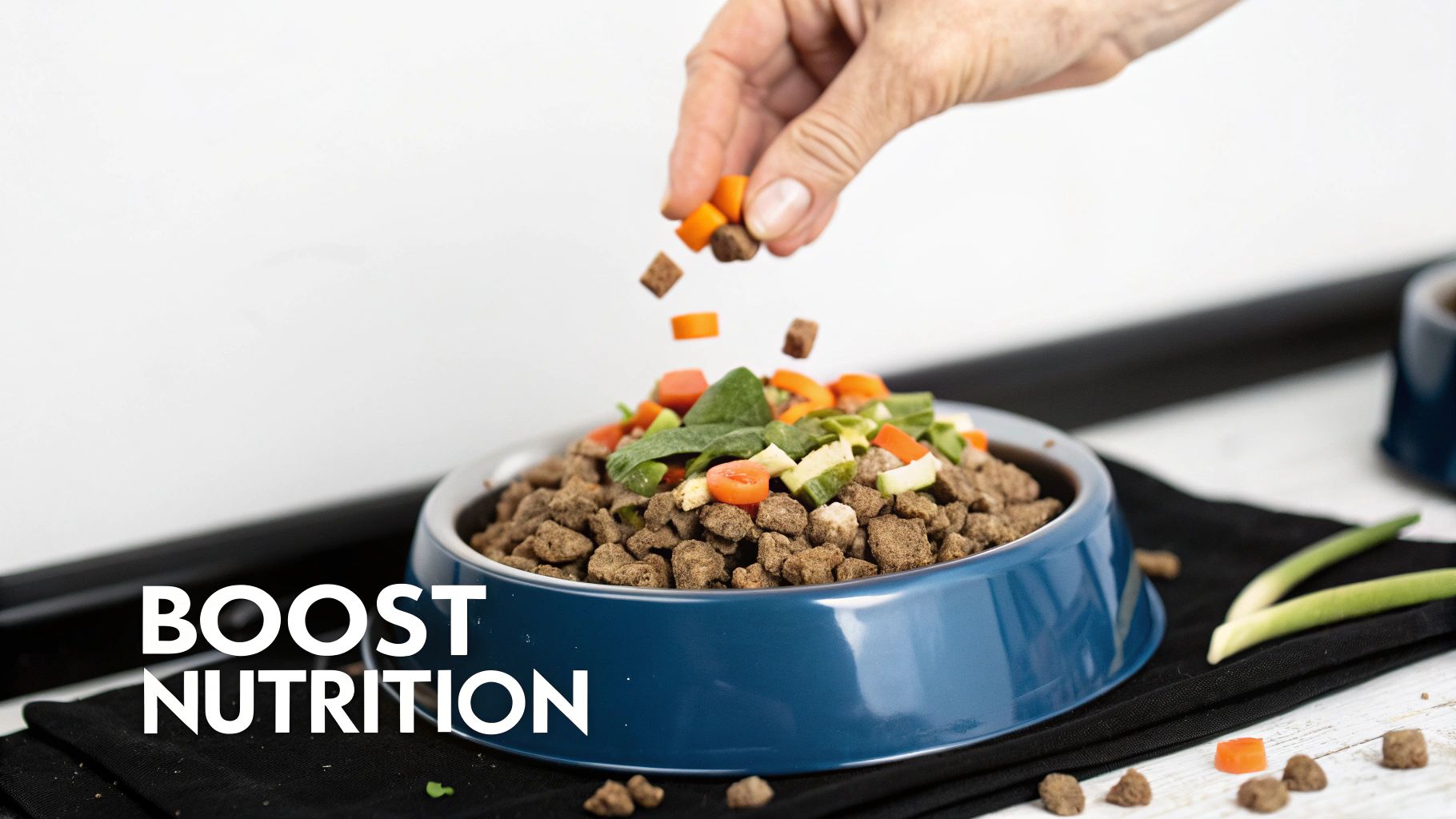
This is exactly where a meal enhancement supplement becomes your best friend. Instead of replacing your dog's kibble, you simply give their existing food a powerful upgrade. Think of it as "nutritional insurance" for their regular meals. It's a simple way to fill in any gaps and add a serious health boost.
Introducing ChowPow A Simple Solution for Better Meals
ChowPow was created to bridge those nutritional gaps and make your dog’s food way more exciting. It’s a meal enhancement, not a full meal replacement, designed to work seamlessly with the kibble you’re already feeding. Just sprinkle a scoop over their bowl, and you’re adding a concentrated blast of nutrients and flavor they'll go crazy for.
We kept it simple by focusing on just a few high-impact, all-natural ingredients to deliver targeted benefits:
- Dehydrated Beef Heart: As we covered, beef heart is a protein powerhouse. It's loaded with taurine for heart health and packed with B vitamins to keep their energy levels up.
- Carrots and Celery: These classic veggies bring in essential vitamins and fiber, which are fantastic for supporting their immune system and keeping digestion running smoothly.
This isn't about starting from square one. It's about taking the food your dog already knows and loves and making it significantly better, with practically zero extra effort from you.
Why a Meal Topper Works So Well
Using a meal topper like ChowPow is one of the easiest wins you can get for your dog’s nutrition. It tackles the most common struggles dog owners face, especially if you've got a picky eater, a senior pup, or a dog who just needs a little extra TLC. The logic is simple: a nutrient-dense topper makes food more appealing and easier to digest.
This approach gives you total peace of mind. You know your dog is getting a boost of the best ingredients for homemade dog food without you having to worry about creating an imbalanced diet by replacing their food. For a deep dive into using powders, some people check out resources like an ultimate guide to using protein powder in cooking, but a canine-specific formula like ChowPow is crafted just for your dog's unique needs.
A high-quality meal enhancer provides concentrated, bioavailable nutrients that are easily absorbed. This makes it an incredibly efficient way to support your dog’s health, especially for senior dogs or those with sensitive digestive systems.
The Perfect Tool for Every Dog Owner
Whether you're battling a picky pup who sniffs their kibble and walks away, or you have a senior dog who needs softer, more enticing food, a topper can be a game-changer. It rehydrates with a little water to create a savory gravy that coats every bite of kibble, making dinnertime exciting again.
Ultimately, a meal supplement offers a practical, stress-free way to level up your dog's nutrition. You can learn more about the benefits of adding food toppers to your dog's diet and see for yourself how this one simple step can make a huge difference for your best friend.
Common Questions About Homemade Dog Food
Thinking about making homemade food for your dog? It’s a great way to get more involved in their nutrition, but it definitely brings up a lot of questions. From "how much?" to "is it really cheaper?", let's walk through some of the most common things pet parents ask.
Can I Fully Replace Kibble With Homemade Food?
The short answer is yes, but it’s incredibly tricky to get right. Crafting a 100% complete and balanced homemade diet that meets all of your dog's needs, day in and day out, is a job best left to a veterinary nutritionist. Research has consistently shown that the vast majority of recipes you find online are missing at least one essential nutrient.
A much safer—and more practical—approach is to use homemade ingredients as an enhancement to your dog's high-quality kibble. By using a balanced meal topper or supplement, you can seriously upgrade their bowl's nutritional value and taste without the risk of replacing their core diet and creating a nutritional imbalance.
How Much Homemade Food Should I Feed My Dog?
There’s no magic number here. Portion size depends on everything from your dog's age and breed to their daily zoomie count. A good starting point is to feed roughly 2-3% of their ideal body weight in fresh food each day, but this is just a general guideline. A lazy Basset Hound needs far fewer calories than a hyperactive Border Collie.
Your vet is always your best resource for figuring out the exact caloric intake your dog needs to thrive. And if you’re using a meal enhancement supplement like ChowPow, it’s even easier—just follow the serving suggestions on the package to add a nutrient boost without overdoing it on calories.
Will Homemade Food Help My Picky Eater?
Absolutely! This is one of the biggest wins for homemade ingredients. For many picky pups, dry kibble is just plain boring. The rich aromas and interesting textures of fresh ingredients are often all it takes to reignite their interest in mealtime.
Ingredients with strong, meaty smells like beef heart are especially good at tempting fussy eaters. A simple way to see if this works for your dog is to sprinkle a flavorful supplement like ChowPow over their regular kibble. It’s amazing how often this simple trick gets them excited about their bowl again.
Many pet owners find that a simple nutritional boost is all it takes to solve picky eating habits. The fresh scent and savory taste of a meal enhancer can transform a boring bowl of kibble into an irresistible feast.
Is Making My Own Dog Food Cheaper?
It might seem that way at first, but the costs can add up surprisingly fast. Sourcing all the different high-quality proteins, fresh vegetables, and specific supplements needed for a truly balanced meal often ends up being more expensive than a premium commercial dog food.
The biggest hidden cost, however, is the risk of future vet bills if the diet is incomplete. Using a targeted meal enhancement supplement is a much more cost-effective way to deliver high-value nutrition. It gives you the benefits of the best ingredients for homemade dog food without the expense and complexity of trying to build an entire diet from scratch.
Ready to give your dog's meals a simple, powerful, and delicious boost? ChowPow makes it easy to add the nutritional benefits of beef heart and fresh vegetables to any bowl of kibble.
-
Product on sale
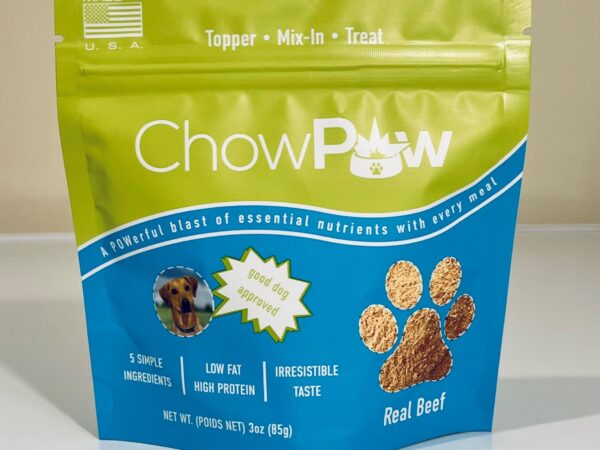 Dog Food Topper - Beef HeartOriginal price was: $14.99.$10.95Current price is: $10.95. - or subscribe and save up to 20%