
A Vet-Informed Guide to the Best Nutritional Supplements for Dogs
Trying to find the "best" nutritional supplement for your dog is a bit like searching for one perfect food for every person on earth—it just doesn't exist. The real answer is much more personal. The best supplement is the one that perfectly fits your dog's unique needs, which are shaped by their age, breed, diet, and overall health.
Think of supplements as a way to boost an already good diet, not as a replacement for their current kibble. And when it comes to choosing, whole-food supplements are almost always the winning ticket because they deliver nutrients in their natural, most easily absorbed form.
Understanding Your Dog’s Unique Nutritional Needs
Before you add anything to your dog's bowl, the first step is understanding that every single pup is an individual. Just like us, their dietary needs shift and change throughout their lives. What a lanky, growing Great Dane puppy needs is a world away from what a senior Pug requires to keep his joints feeling good.
The whole idea behind supplementation is simple: fill in the nutritional gaps that are specific to your dog. Even a top-shelf commercial kibble is formulated for the "average" dog. But let's be honest, your dog is anything but average! They have their own genetic blueprint, lifestyle, and history, which is why a one-size-fits-all approach just doesn't cut it.
This is where a personalized strategy makes all the difference. The most important factors to consider are your dog's age, breed, and current diet.
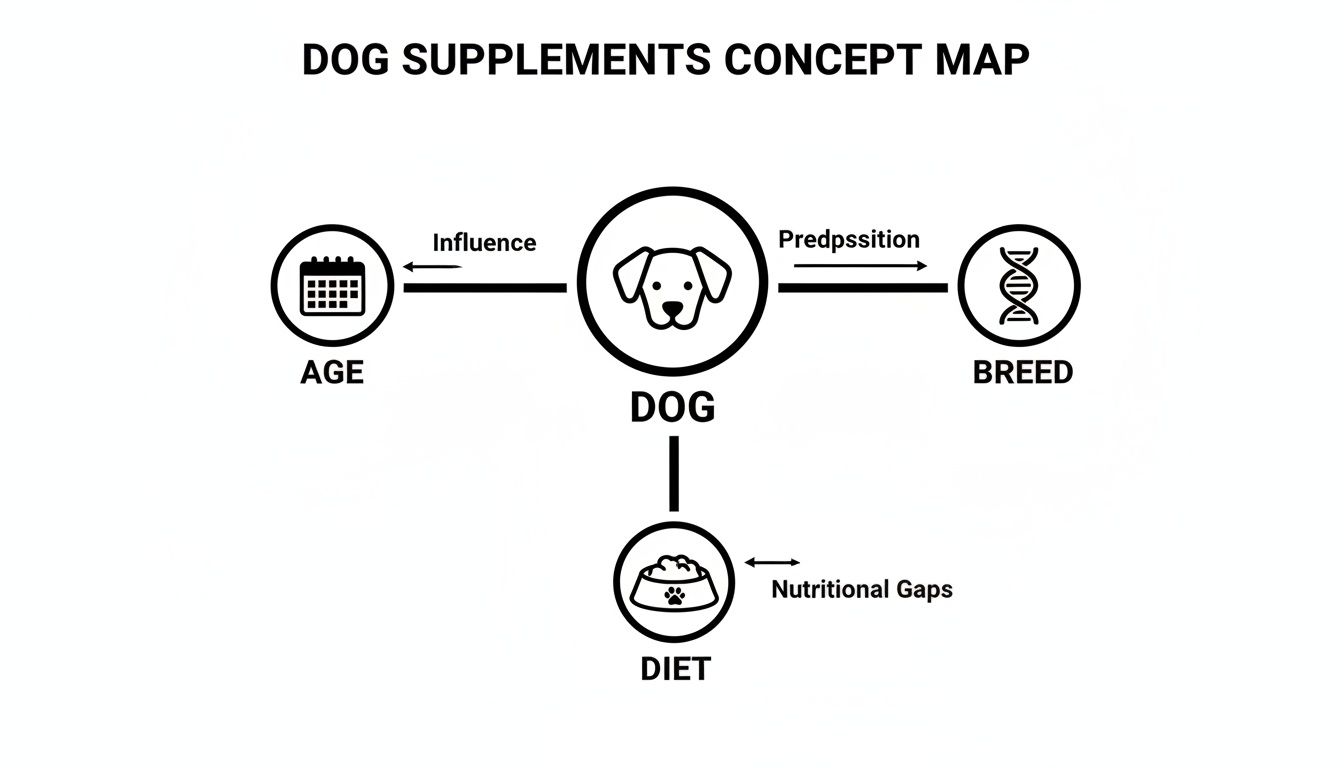
As you can see, a smart supplement plan is built around your dog's specific circumstances, not just a generic recommendation you read somewhere online.
Supplements as a Nutritional Boost
It's so important to see supplements as an enhancement to high-quality food, not a replacement for it. Imagine their daily food is the foundation of a house—it provides the essential structure. A whole-food supplement, like our meal enhancement ChowPow, is like adding insulation, wiring, and plumbing. It adds the vital components that make the whole house function at its best, boosting the nutritional value of their regular kibble.
A supplement shouldn't be a crutch for a poor diet. Instead, it should be a tool to elevate an already balanced meal, ensuring your dog gets everything they need to thrive at every stage of life.
When you add a whole-food meal topper, you aren’t overhauling their entire diet. You're simply concentrating its nutritional power with natural, targeted ingredients. This gives them the support they need without messing up the dietary balance they’re already used to.
Key Factors to Consider
Before you start shopping, take a minute to think about these key aspects of your dog's life. Each one offers a clue about what their body might be asking for.
- Age: A puppy's body is in overdrive building bones and brains, while a senior dog often needs extra help with joint comfort and keeping their mind sharp.
- Breed: Let's face it, genetics play a huge role. Labradors are famously prone to joint issues, while French Bulldogs often struggle with skin sensitivities. Knowing your breed's tendencies is a head start.
- Activity Level: A Border Collie herding sheep all day has vastly different energy and muscle recovery needs than a Basset Hound who prefers the couch.
- Current Diet: Take a good look at the label on their food bag. What's already in there will tell you a lot about what might be missing.
Omega-3s for a Healthy Coat and Sharp Mind
If you could pick one supplement that acts like a full-body tune-up for your dog, omega-3 fatty acids would be a top contender. Think of them as the essential lubricating oil that keeps everything from their skin cells to their brain pathways running smoothly. As one of the most scientifically backed supplements out there, omega-3s are a smart addition for dogs of all ages.
The real stars of the show are two specific types of omega-3s: EPA (eicosapentaenoic acid) and DHA (docosahexaenoic acid). These powerhouse fats are fantastic at managing inflammation, which makes them incredibly effective for soothing dry, itchy skin and building a thick, glossy coat from the inside out.
For puppies, DHA is a brain-building giant, supporting cognitive development and making them more trainable. For our senior friends, it helps keep their minds sharp and can offer much-needed support for aging joints.
Why Whole-Food Sources Matter Most
You’ve probably seen fish oil capsules, and while they're a common source of omega-3s, getting these nutrients from whole foods is a more natural approach. Ingredients like beef heart, which is the main component of ChowPow, provide these essential fatty acids in a form your dog's body is built to recognize and use. No synthetic additives, just pure, bioavailable nutrition.
Adding a scoop of a meal topper like ChowPow over your dog’s regular kibble is one of the easiest ways to boost their omega-3 intake. You're not replacing their food; you're enhancing it. This simple step can make a huge difference in their skin, coat, and overall vitality. If you want to dive deeper into how diet impacts your dog's appearance, check out our guide on the food and fur connection.
The science is firmly behind omega-3s. Clinical trials have consistently shown that supplementation can lead to a 20–40% reduction in lameness scores for dogs with osteoarthritis in just 8–12 weeks. And with North America making up over 40% of the global pet supplement market, it's clear that both vets and pet parents trust their effectiveness. You can learn more about the pet wellness boom on americanpetproducts.org.
Think of it this way: Kibble provides the basic building blocks, but a whole-food topper sprinkles in the specialized nutrients that turn a good diet into a great one. It’s the finishing touch that supports everything from a shiny coat to a quick-thinking mind.
Common Signs Your Dog May Need an Omega-3 Boost
So, how can you tell if your dog could use more omega-3s in their diet? The signs can be subtle at first, but if you know what to look for, their coat, skin, and even their movements will give you clues.
Here are some of the most common signs to watch for.
| Symptom | What It Looks Like | How Omega-3s Can Help |
|---|---|---|
| Dull, Dry Coat | Lacks shine and feels brittle or coarse to the touch. | Helps moisturize the skin and coat from within, promoting that natural luster. |
| Flaky Skin or Dandruff | You notice white flakes on their fur, especially on their back or in their bedding. | Reduces skin inflammation and supports the skin's natural moisture barrier. |
| Excessive Shedding | More hair loss than is typical for their breed or the season. | Strengthens hair follicles, which can help minimize breakage and excess shedding. |
| Itchy Skin & Hot Spots | Constant scratching, licking, or chewing at certain spots on their body. | Calms the inflammatory responses that are often the root cause of itchiness. |
| Stiffness After Rest | They're slow to get up after a nap or seem a bit creaky in the morning. | Helps lubricate joints and reduce the inflammation associated with arthritis. |
By catching these signs early, you can be proactive about your dog’s health. Boosting their diet with a natural, whole-food source of omega-3s is a simple step to help them feel comfortable in their own skin and stay active for years to come.
How Joint Supplements Support Canine Mobility
For many dogs, especially our active, large-breed, and senior friends, healthy joints are the secret to a happy, mobile life. Think of your dog's joints like the hinges on a busy door. With years of running, jumping, and playing, those hinges can start to wear down, making movements feel stiff and creaky. Joint supplements act like a high-quality lubricant and maintenance crew, keeping everything moving just as it should.
The big names you'll see in these supplements are glucosamine, chondroitin, and collagen. I like to think of these as the "scaffolding and cushioning" for your dog’s joints. Glucosamine is a building block for cartilage—that tough, flexible tissue padding the ends of their bones. Chondroitin helps that cartilage hold onto water, keeping it spongy and ready to absorb shock. They're a dynamic duo for maintaining structure and cutting down on painful friction.
Recognizing the Early Signs of Joint Discomfort
Dogs are masters at hiding pain, so the first signs of joint trouble are almost always subtle. It’s rarely a dramatic yelp; more often, it's a slow shift in their daily routine. As a dog owner, your observation skills are your best tool for catching these issues early.
Keep an eye out for these small changes:
- Stiffness After Naps: Does your dog seem a little slow or stiff when getting up after a good snooze?
- Hesitation Before Jumps: Do they pause and think before hopping on the couch or into the car, when they used to clear it with ease?
- Slowing Down on Walks: Are they starting to lag behind or seem less excited about their daily adventures?
- Difficulty with Stairs: Is going up or down the stairs becoming a slower, more deliberate task?
These are often the very first clues that their joints could use a little extra support. By tuning into these early signs, you can help protect their mobility for years to come.
The Power of Proactive Support
When it comes to joint health, getting ahead of the problem is so much more effective than trying to fix it later. Starting a joint supplement before major issues pop up can help preserve healthy cartilage and put off age-related stiffness. It's like putting good tires on your car before they go bald—it just prevents trouble down the road.
The goal of supplementation isn’t just to manage existing discomfort. It’s to actively preserve healthy joint function for as long as possible, keeping your dog playful and comfortable through every stage of life.
This preventative mindset is especially critical for breeds genetically prone to joint problems, like German Shepherds, Labradors, and Golden Retrievers. Giving them the building blocks for strong joints from an early age is one of the kindest things you can do for their long-term wellness. To dive deeper into identifying risks, check out our detailed guide to joint health for dogs.
Whole Foods: The Natural Delivery System
While synthetic joint supplements are everywhere, getting these key nutrients from whole foods provides a more natural, bioavailable source. Ingredients like green-lipped mussel, for example, are naturally packed with glucosamine, chondroitin, and omega-3s, delivering a powerful combination in one whole-food package.
This is where a meal enhancer like ChowPow fits in perfectly. Instead of trying to hide another pill, you can simply sprinkle a nutrient-dense topper over their kibble. This approach boosts the nutritional value of their meal without overhauling their diet, making sure they get these vital joint-supporting compounds in a form their body can easily use. For picky eaters or seniors, it makes supplementation completely effortless.
Historically, ingredients like glucosamine and chondroitin have been mainstays in joint support for decades. Over the last 30 years, clinical studies have shown that these compounds can lead to a 15–35% improvement in lameness or pain scores, particularly when paired with omega-3s. Their consistent spot as a top seller in the pet supplement market speaks volumes about their trusted role in canine care.
Probiotics and Enzymes for a Healthy Gut
A healthy gut is pretty much the engine room for your dog's entire body. I like to think of their digestive system as a vibrant ‘gut garden.’ In this garden, probiotics are the good seeds that help everything flourish, while prebiotics (a special type of fiber) are the fertilizer, feeding those good seeds and helping them grow strong.
When this internal garden is in balance, it does a whole lot more than just digest food. A thriving gut microbiome helps your dog pull the maximum amount of nutrients from their meals. It also plays a huge role in building a strong immune system—in fact, a massive portion of your dog's immune defenses are located right in their gut.
The Role of Probiotics and Prebiotics
Probiotics are live, beneficial bacteria that help keep the digestive tract in check. They're especially helpful during times of stress, after a round of antibiotics (which can wipe out both good and bad bacteria), or for dogs who just seem to have sensitive stomachs. Think of them as reinforcements for your dog's internal army of good guys.
Prebiotics, on the other hand, aren't bacteria at all. They're specific plant fibers that act as lunch for the good bacteria already living in the gut. By feeding these beneficial microbes, prebiotics help them multiply and create a healthy environment, which naturally crowds out the harmful bacteria.
Digestive Enzymes: The Little Helpers
While probiotics and prebiotics manage the gut garden's overall health, digestive enzymes have a totally different job. They are the 'little helpers' responsible for breaking down food into smaller, absorbable pieces. Different enzymes tackle fats, proteins, and carbohydrates, making sure your dog can unlock and actually use all the nutrition packed into their food.
Most healthy dogs produce enough enzymes on their own. But some dogs, particularly seniors or those with certain health conditions, might get a real boost from a supplement that includes them. To get a better handle on how these two gut-boosters work together, you can dig deeper into how to compare digestive enzymes and probiotics.
Supporting Gut Health Naturally
There's a good reason why digestive health has become such a hot topic in canine wellness. Market data shows that probiotics are a massive segment of the pet supplement world, making up roughly 38% of the market in some reports. Pet parents are seeing what the science shows: that a happy gut often means a happier, healthier dog.
For dogs with sensitive systems, a minimally processed, whole-food topper can be an amazing way to support digestion without causing irritation. Toppers like ChowPow provide nutrients in a format that's easy for the body to recognize and use, which is perfect for maintaining that balanced gut garden.
Keeping your dog's gut healthy isn't just about preventing an upset tummy. It's about building a solid foundation for their immune system and making sure they get the full nutritional value from every single bite they eat.
Ultimately, a well-functioning digestive system shows up in your dog’s energy, their skin and coat, and even their poop. To learn what your dog's digestion might be telling you, check out our guide on how to read your dog's digestive health report card. When you focus on gut health, you're truly supporting their well-being from the inside out.
How to Choose a Safe and Effective Supplement
Walking down the pet supplement aisle can feel overwhelming. With so many bottles making bold promises, how do you sort the good from the gimmick? The great news is, you don't need a Ph.D. in animal nutrition to make a smart choice—just a simple roadmap for spotting quality.
The goal is to become a savvy pet parent who can cut right through the marketing fluff. It all comes down to learning how to read an ingredient list, knowing which seals of approval actually matter, and spotting the red flags of a low-quality product. Arming yourself with this knowledge means you can feel confident that you’re bringing home a supplement that's both safe and genuinely helpful for your dog.
Reading the Ingredient List
First things first: flip that bottle over and look at the ingredient panel. This is where the truth lives. High-quality supplements lead with recognizable, whole-food ingredients right at the top of the list. Think "beef heart" or "salmon oil," not a long list of synthetic chemicals you can't even pronounce.
A meal topper like ChowPow, for example, lists beef heart as its very first ingredient. That tells you the main component is a nutrient-dense whole food, not some cheap filler. Transparency like this is everything. If a company is cagey about what's actually in their product, that's a huge red flag.
When you're evaluating supplements, always look for proof of independent third-party supplement testing. This provides an unbiased check on a product's claims and safety, giving you crucial peace of mind.
Trustworthy Seals and Dosing
Certifications from reputable organizations add another layer of trust. One of the most respected seals in the pet world is the NASC (National Animal Supplement Council) Quality Seal. Seeing this seal means the manufacturer has committed to seriously strict quality control, from how they source their ingredients all the way through final production.
The NASC seal is your shortcut to finding brands that are serious about safety. It means the company passed a comprehensive third-party audit and follows strict rules for labeling.
But a great product is only effective if you use it correctly. Proper dosing is just as critical as the ingredients themselves. A trustworthy supplement will have clear, easy-to-follow instructions based on your dog's weight. Vague advice like "give one scoop daily"—without specifying whether that's for a Chihuahua or a Great Dane—is a sign of a poorly thought-out product. Good companies provide precise guidelines to make sure your dog gets just the right amount.
High-Quality vs. Low-Quality Supplement Checklist
Choosing the right supplement gets a lot easier once you know exactly what to look for—and what to run from. Use this simple checklist as your guide the next time you're trying to find the best nutritional support for your dog.
| Quality Factor | What to Look For (High-Quality) | Red Flags to Avoid (Low-Quality) |
|---|---|---|
| Ingredients | Whole-food ingredients listed first (e.g., beef heart, salmon). Clear, recognizable names. | Synthetic vitamins, chemical preservatives, or unnamed "animal by-products." |
| Transparency | Clear sourcing information and manufacturing practices. Easily accessible contact information. | Vague, exaggerated claims like "cures disease." No information about where ingredients come from. |
| Certifications | Third-party seals like the NASC Quality Seal. Lab results available for purity and potency. | No third-party verification. Lack of quality control information. |
| Dosing | Specific instructions based on your dog's weight and size. | Ambiguous or one-size-fits-all dosing instructions. |
Ultimately, a little homework goes a long way. By prioritizing transparency, quality ingredients, and proper certifications, you can confidently choose a supplement that truly supports your dog's health and well-being.
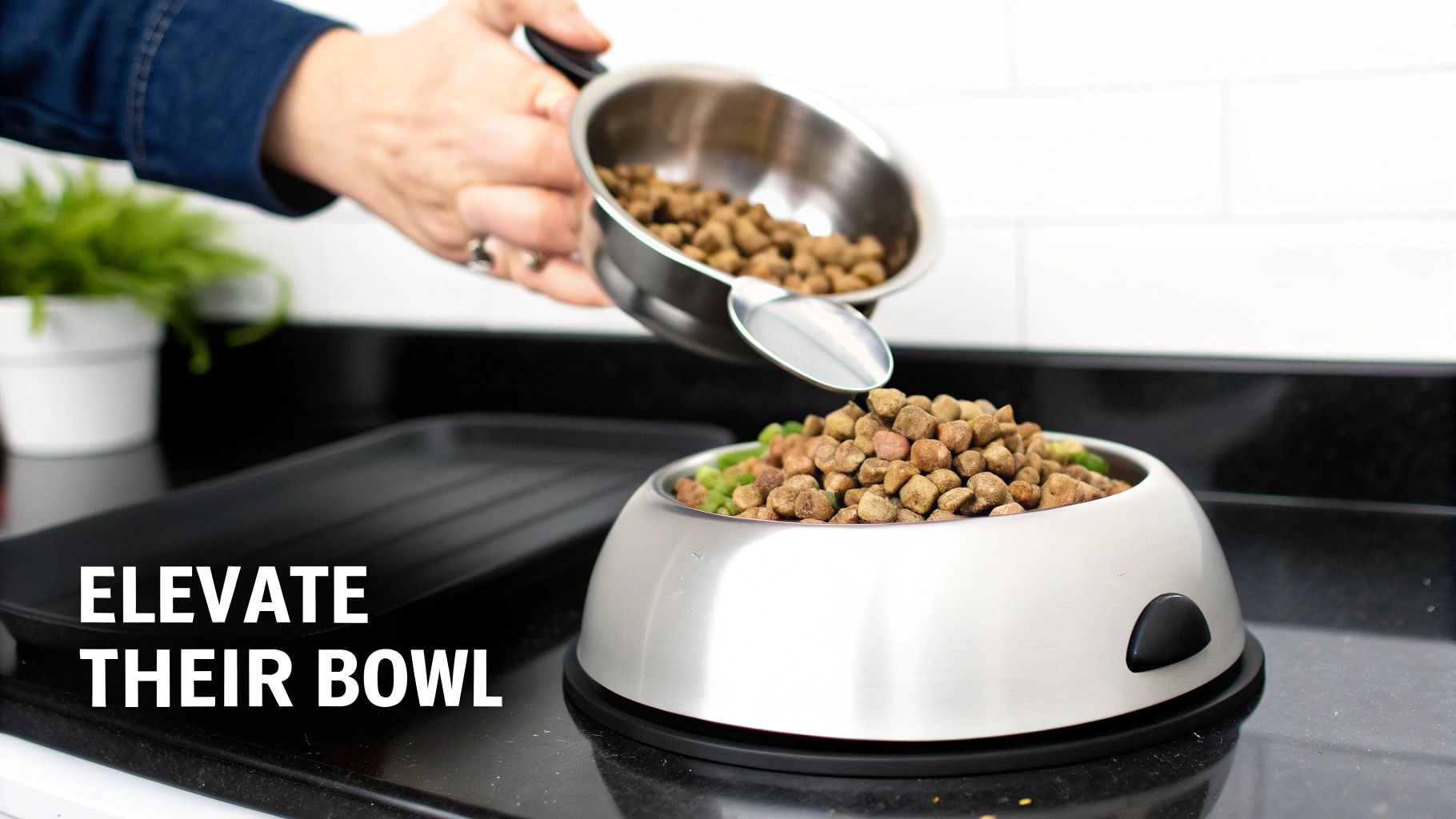
Elevate Your Dog’s Bowl with ChowPow
After wading through the world of canine supplements, you might be looking for a simple, effective way to put it all into practice. For owners who want to give their dog’s diet a real boost without a complete overhaul, ChowPow offers a refreshingly straightforward solution. It’s designed to be the easiest "yes" you can make for your dog's health.
Think of your dog's daily kibble as a solid, reliable foundation. Now, imagine ChowPow as the fresh, nutrient-packed ingredients a chef adds to turn a simple meal into something truly special. It’s not a replacement; it’s a meal enhancement that works with the food your dog already knows and loves, amplifying its nutritional value and taste with every scoop.
Why Whole-Food Toppers Make a Difference
ChowPow is crafted from nutrient-rich, whole-food ingredients like beef heart. This means it naturally provides many of the best nutritional supplements for dogs—including omega-3s, vitamins, and minerals—in a form their bodies are built to recognize and absorb. No synthetic additives, no mysterious chemical names on the label. Just pure, simple nutrition that enhances their current food.
This whole-food approach is a game-changer in a few key situations that many pet parents know all too well:
- Picky Eaters: The rich, meaty aroma can turn a fussy eater into an enthusiastic one, ensuring they get the calories and nutrients they need without a daily struggle.
- Senior Dogs: Its soft, powdery texture is easy on aging teeth and sensitive stomachs, delivering a punch of easily digestible nutrients.
- Recovering Pups: For a dog getting back on their paws after an illness or surgery, it provides a concentrated source of vital energy and protein to help them bounce back.
With ChowPow, you’re not just adding a supplement; you’re upgrading the entire meal. It’s a simple way to fill nutritional gaps and ensure your dog is getting the diverse nutrients that support long-term health and happiness.
The Simplicity of a Single Scoop
The real beauty of ChowPow is just how easy it is. There’s no complicated measuring or trying to hide pills in peanut butter. You just add a scoop to your dog's regular meal to instantly elevate its nutritional profile. It’s that simple.
This single step adds a powerhouse of nutrients that support everything from a glossy coat and healthy skin to strong muscles and robust energy levels. By making high-quality nutrition this accessible, you can feel confident you’re giving your furry family member the best, one delicious bowl at a time. It’s the perfect bridge between their standard diet and optimal wellness.
Common Questions About Dog Supplements
As you start exploring the world of canine wellness, it's totally normal for questions to pop up. Making smart, informed choices is the bedrock of your dog's health, so let's clear up some of the most common uncertainties you might have about supplements.
Can I Just Give My Dog My Own Vitamins?
It might seem like a simple shortcut to share your supplements, but this is one area where you absolutely shouldn't. It's a genuinely dangerous idea.
Human supplements are made for human bodies, with dosages that can be way too high for a dog. Even more concerning, many products for people contain ingredients that are flat-out toxic to dogs. The sweetener xylitol is a common and often life-threatening culprit found in everything from vitamins to peanut butter.
Always, always stick to products made specifically for dogs. Their bodies have unique needs, and a canine-specific formula is the only way to guarantee both safety and effectiveness.
How Long Does It Take to See a Difference?
This is where a little patience goes a long way. Unlike a fast-acting medication, nutritional supplements work more subtly, supporting the body's own natural processes over time. You're not going to see a huge change overnight.
For things like better joint mobility or a healthier, shinier coat, you're typically looking at several weeks, usually 4 to 8, before the benefits become noticeable. Consistency is your best friend here. Sticking to the daily routine is what gives the supplement a real chance to do its job.
Is It Possible to Give Too Many Supplements?
Oh, absolutely. It's a classic case of "too much of a good thing." While the right supplements can be incredibly helpful, piling them on can backfire.
Over-supplementing can throw your dog's system out of whack, creating nutritional imbalances where too much of one vitamin or mineral actually blocks the absorption of another. In some cases, it can even lead to toxicity, which is why it's so important to talk to your vet before starting any new routine. They can help you figure out what your dog truly needs, if anything.
This is where a balanced, whole-food product like a meal topper really shines. Instead of trying to juggle multiple bottles of pills and powders, you're providing a blend of nutrients in a natural, food-based form that the body knows how to use and regulate.
What’s the Difference Between a Meal Topper and a Chewable Vitamin?
This is a fantastic question, and it really gets to the heart of how your dog's body gets and uses nutrients.
A typical multivitamin chew is often made with synthetic, isolated vitamins that are pressed into a treat form. While they can be helpful, the nutrients aren't in their natural state.
A whole-food meal topper like ChowPow is a completely different animal. Think of it as a meal enhancement. It's made from real food ingredients, like nutrient-dense beef heart. This means it delivers vitamins and minerals in their most natural, bioavailable form—exactly how your dog's body was designed to absorb them. It boosts both the nutrition and the taste of their regular food, making their entire bowl more powerful.
Ready to elevate your dog’s daily meal with a simple, powerful boost of whole-food nutrition? Explore ChowPow and see the difference a single scoop can make. Learn more at https://chowpownow.com.
-
Product on sale
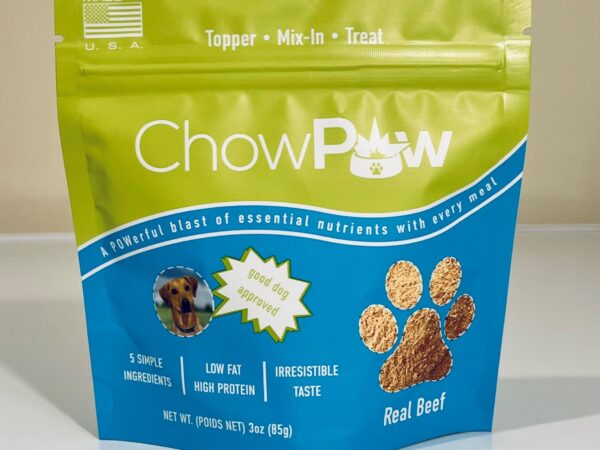 Dog Food Topper - Beef HeartOriginal price was: $14.99.$10.95Current price is: $10.95. - or subscribe and save up to 20%