
Discover can dogs eat parsley: A Safe Guide for Your Dog
Let's get straight to it: yes, dogs can eat parsley, but it’s not as simple as grabbing a bunch from the fridge and tossing it in their bowl. Think of it like a healthy garnish on your own plate—a little bit adds flavor and a nice nutritional boost, but you wouldn't make a meal out of it. The real secret is using the right kind in the right amount.
So, Can Dogs Eat Parsley? Here’s What You Need to Know
You've probably heard that parsley is a fantastic natural breath freshener for dogs. But you've also likely wondered if it's genuinely safe, and you’re smart to be cautious. The world of canine nutrition can be confusing, and what works for one pup might not for another. This guide will help clear up the confusion so you can feel confident about what you’re adding to your dog's diet.
The single most important thing to know is that not all parsley is created equal. The two common types you see at the grocery store have one crucial difference for our dogs.
- Curly-Leaf Parsley (Petroselinum crispum): This is the one you want. When given in moderation, it’s the safe and beneficial option for dogs, with ruffled leaves packed full of vitamins.
- Flat-Leaf (Italian) Parsley (Petroselinum neapolitanum): This variety is best avoided. It contains much higher levels of a compound called furanocoumarin, which can cause skin irritation (photosensitivity) and stomach upset, especially if your dog eats too much.
To make this super simple, the table below breaks down the key differences at a glance.
Parsley for Dogs Quick Safety Check
| Feature | Curly-Leaf Parsley | Flat-Leaf (Italian) Parsley |
|---|---|---|
| Appearance | Ruffled, "curly" leaves | Broad, flat leaves |
| Safety for Dogs | Safe in moderation | Avoid due to higher furanocoumarins |
| Best Use | A healthy, nutritional garnish | Not recommended for canine consumption |
So, when in doubt, just remember: curly is for canines!
This quick decision guide shows you exactly how to approach it safely.

As the flowchart makes clear, just stick with the curly-leaf variety and always serve it in small, sensible amounts.
Why Moderation is Everything
Even with the safe curly kind, moderation is the golden rule. Parsley is a mild diuretic, meaning it helps the body flush out excess fluid. While a little bit of this action can be helpful, too much could put a strain on your dog's kidneys or even lead to dehydration.
Think of parsley as a nutritional supplement, not a meal. You wouldn't swap your dog's balanced food for a single ingredient, and it's the same idea here. Parsley is meant to enhance their diet, not take it over.
When you use it correctly, you get to add a sprinkle of green goodness without any of the worry. This is the exact same philosophy we built into ChowPow. Our meal enhancement is designed to boost the nutritional value of the food your dog already loves, not replace it. Adding ChowPow to their existing kibble is a simple way to give their everyday meal a powerful nutritional upgrade.
The Surprising Health Benefits of Parsley for Your Dog
So, you’re chopping parsley for dinner and your dog is giving you that look. Why should you even consider tossing a few leaves their way? While most of us know it as a garnish that can help with stinky dog breath, this humble herb is actually a tiny green powerhouse of nutrition.
When used the right way, a little sprinkle of fresh curly parsley can do more than just freshen up their kisses—it can give their entire system a healthy boost.

Think of parsley as a natural, leafy multivitamin. It’s absolutely packed with key nutrients that play a big role in keeping your dog healthy from nose to tail.
A Boost for Vision and Immunity
One of parsley’s biggest claims to fame is its high concentration of Vitamin A. This vitamin is essential for maintaining sharp vision, especially in dim light. It’s also a cornerstone of a healthy immune system, helping your dog’s body build a strong defense against common bugs and illnesses.
On top of that, parsley is a fantastic source of Vitamin C, a powerful antioxidant. Just like in our own bodies, Vitamin C helps neutralize harmful free radicals, which can reduce inflammation and support healthy cells. This is especially great for senior dogs who can use all the extra help they can get to keep their immune systems strong. You can get the full scoop on the power of antioxidants for dogs in our detailed guide.
Parsley is way more than a simple garnish; it’s a functional food. By adding it to your dog's bowl, you're giving them a natural shield that helps protect their vision, fortify their immune system, and support healthy organ function.
Essential for Blood and Bone Health
Did you know parsley is one of the richest plant sources of Vitamin K? This vitamin is absolutely critical for proper blood clotting. While we all hope our pups never get a serious cut, having enough Vitamin K in their system ensures their body can spring into action and respond effectively to injuries.
But that’s not all. Vitamin K also plays a key role in building strong, healthy bones by helping with calcium absorption. This makes parsley a great little addition for growing puppies and active adult dogs, helping their skeletal structure stay tough and resilient.
Supporting Urinary Tract and Kidney Function
Beyond its impressive vitamin lineup, parsley has antimicrobial and diuretic properties. In simple terms, this means it can help promote a healthy urinary tract by gently flushing out unwanted bacteria and toxins.
This gentle cleansing action also helps support the kidneys, keeping them running smoothly. It’s a helpful boost, but always remember—this is a supplement, not a cure. It should never replace advice from your vet for an existing health issue.
By understanding these benefits, it’s easy to see how a tiny sprinkle of parsley—or an expertly blended meal topper like ChowPow that includes beneficial ingredients—can seriously upgrade your dog's daily kibble. It’s a simple way to turn an ordinary meal into one that actively works for their long-term wellness.
Hold On—What Are the Risks of Parsley for Dogs?
While a little sprinkle of parsley can be great, it’s not a free-for-all. As with any new food, knowing the potential downsides is just as important as knowing the benefits. When it comes to parsley, there are a few critical things every dog owner needs to be aware of.
The biggest red flag is with a specific type: flat-leaf (or Italian) parsley. This variety has higher levels of compounds called furanocoumarins. If a dog eats too much of it, they can develop photosensitivity—a nasty condition where their skin gets incredibly irritated and inflamed from sun exposure. Imagine a severe, itchy sunburn that’s triggered from the inside out.

Even with the safer curly-leaf kind, you have to remember that more isn't better. Giving your dog too much parsley can easily lead to an upset stomach, vomiting, or diarrhea. And while its diuretic effect helps flush the system, overdoing it can put a lot of strain on the kidneys. This is especially true for dogs with sensitive tummies, so you might want to look into other gentle options like our dog food toppers for a sensitive stomach.
The Problem with Overfeeding Parsley
So, how much is too much? Vets generally agree that curly parsley is safe when served correctly—that means no more than one tablespoon of chopped parsley for every 20 pounds of your dog's body weight. However, issues arise when owners accidentally use the wrong type or give too much. This all points to one simple, crucial rule: stick to curly parsley, and only use a little bit.
The goal of adding an herb like parsley is to supplement, not to overwhelm. A tiny sprinkle adds benefits; a large handful creates risks. This is why a balanced meal enhancer like ChowPow is so effective—it delivers concentrated nutrition without disrupting your dog’s core diet. It's designed to boost, not replace, their regular food.
Which Dogs Should Never Eat Parsley?
For some dogs, even a small amount of curly parsley is a bad idea. It’s absolutely essential to know if your dog is in one of these groups to avoid serious health problems.
- Dogs with Kidney Problems: Parsley is a diuretic, which means it makes the kidneys work harder to process fluids. For a dog that already has kidney disease or poor kidney function, this extra work can make their condition much worse.
- Pregnant Dogs: Certain compounds in parsley can stimulate the uterus. In pregnant dogs, this could potentially lead to complications or even premature labor. It’s best to keep it completely off the menu during pregnancy.
- Puppies: A tiny taste probably won’t hurt, but it’s best to be cautious. A puppy’s digestive and kidney systems are still developing and can be easily overwhelmed by new, potent foods.
At the end of the day, knowing this information helps you make the safest choice for your best friend. It’s a reminder that you're not just feeding your dog—you're looking out for their entire well-being.
How to Safely Prepare and Serve Parsley to Your Dog
So, you're ready to add this little green superfood to your dog's bowl? Fantastic! Making sure you prepare and serve parsley correctly is key to unlocking all its benefits safely.
Getting it right is all about careful prep and portion control. We'll walk you through everything you need to know, from picking the best bunch at the store to serving it up just right.
First things first: always grab fresh, organic curly parsley. This is the only variety you should be feeding your dog. Give any bunches that look wilted, yellowed, or slimy a hard pass—fresh herbs always pack the biggest nutritional punch.
Step 1: Wash and Prep
Once you've got your parsley home, it's time for a good rinse. Even organic produce can pick up contaminants on its way to your kitchen. Giving it a thorough wash is a must before it gets anywhere near your dog. For some great tips, you can learn how to remove pesticides from fruits and vegetables with this handy guide.
After washing, pat the parsley dry and get your chopping board ready. You’ll want to mince both the leaves and the stems very finely. This simple step makes it much easier for your dog to digest and helps prevent any choking risk, especially for smaller pups.
Step 2: Find the Right Serving Size
When it comes to figuring out how much parsley your dog can have, the golden rule is to start small. Every dog’s system is unique, so it’s always smart to see how they react to a tiny amount first.
Vets typically suggest a serving of ½ teaspoon per 10 pounds of body weight, given two to three times a week. For a medium-sized dog (22-55 lbs), that’s about half a teaspoon of finely chopped parsley.
Here’s a quick guide to help you get started:
- Small Dogs (under 10 lbs): A tiny pinch (less than ¼ teaspoon)
- Medium Dogs (10-30 lbs): ¼ to ½ teaspoon
- Large Dogs (30-80 lbs): Up to 1 teaspoon
- Giant Breeds (80+ lbs): Up to 1 tablespoon
Remember, these are just general guidelines. Always begin with less and watch for any signs of an upset stomach. Think of parsley as a nutritional boost to enhance your dog's regular meal, not as a replacement for it.
Step 3: Serving Suggestions
The easiest way to serve parsley is to just sprinkle the finely chopped herb right on top of your dog’s food. It works perfectly with kibble, wet food, or even a home-cooked meal, adding a fresh, green kick without any fuss.
Want to give their meal an even bigger nutritional upgrade? Try pairing it with a high-quality meal enhancement. A sprinkle of fresh parsley over ChowPow creates a powerhouse combo. ChowPow is a supplement designed to make your dog’s current food more nutritious and delicious. The parsley adds vitamins and breath-freshening goodness, while the ChowPow delivers the protein and flavor that wins over even picky eaters. It’s a simple trick that turns their regular kibble into a meal that’s both exciting and incredibly nourishing.
Boost Your Dog’s Bowl with Parsley and ChowPow
Alright, so you’ve got the hang of how to add a little parsley to your dog’s meals. That's a fantastic start. But what if you could take their entire bowl from good to great?
Sprinkling some fresh, chopped parsley is a nice touch. But pairing it with a high-quality meal topper like ChowPow? Now you're talking about a real nutritional upgrade that transforms their entire meal.

Think of it this way: kibble is the basic structure of their dinner. Fresh parsley is like a healthy, green garnish. But ChowPow is the nutritional booster that makes everything else work better.
A Powerful Combination for Picky Eaters
One of the most common headaches for dog parents is a picky eater. You can try adding all the healthy greens you want, but it’s pointless if your dog turns their nose up at the bowl. This is exactly where combining parsley and ChowPow becomes a total game-changer.
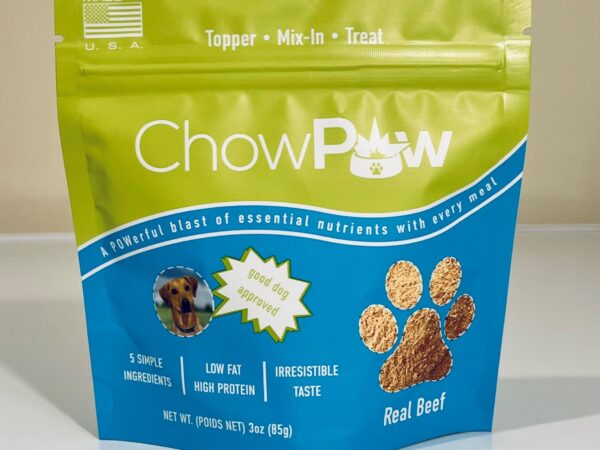
ChowPow is made from a single, powerful ingredient: dehydrated beef. Most dogs find its rich, meaty flavor absolutely irresistible, which can coax even the fussiest pups to finish every last bite. When you sprinkle this potent topper over their food, you’re not just adding a tasty bonus; you’re delivering a serious boost of high-quality protein and essential amino acids without any weird fillers or artificial junk. You know exactly what they are getting.
By pairing the irresistible taste of ChowPow with the fresh boost of parsley, you create a meal that’s not only incredibly enticing but also layered with nutritional benefits. It’s the perfect one-two punch for health and flavor.
This simple combo turns a boring bowl of kibble into something vibrant, delicious, and deeply nourishing. The ChowPow brings the mouth-watering appeal and foundational protein, while the parsley adds fresh vitamins and that famous breath-freshening chlorophyll. It’s an easy win to make sure every bite is working for their health and happiness.
How to Use ChowPow as a Nutritional Supplement
It’s important to remember that ChowPow is a meal enhancement, not a meal replacement. It’s a supplement designed to supercharge the nutritional value of your dog's current diet, making it the perfect partner for fresh additions like parsley. It works with their existing food to make it better.
Here’s a super simple way to put it all together:
- Start with Their Usual Kibble: Scoop their regular portion of food into their bowl.
- Sprinkle on ChowPow: Add a scoop of our dehydrated dog food toppers to bring that essential protein and flavor.
- Garnish with Parsley: Finish it off with your measured, finely chopped curly parsley.
- Mix and Serve: Give it a quick stir to coat the kibble and spread the goodness around.
This easy routine transforms mealtime from a daily chore into an exciting, health-boosting event. While parsley is a great addition, a balanced approach to your dog's overall diet is what truly matters. We recommend exploring some general dog nutrition resources for more comprehensive guidance. Your dog gets a meal they can't wait to eat, and you get the peace of mind knowing you’re supporting their well-being from the inside out.
Still Have Questions About Parsley? We’ve Got Answers.
We've gone over a lot, but you might still have a few specific questions about parsley for your pup. That’s totally normal! When it comes to our dogs, we want to be sure about every little detail.
Let's clear up some of the most common questions we hear from dog owners just like you. Our goal is to give you the confidence to make the best, safest choices for your furry family.
Can Puppies Have Parsley?
It’s always smart to be extra careful with puppies. Their little tummies are still developing and can get upset by new foods pretty easily. While a tiny pinch of fresh curly parsley isn't toxic, it’s a potent herb for a system that's still figuring things out.
Introducing strong herbs too early might just lead to an upset stomach, and nobody wants that for their new little friend.
We recommend holding off on the parsley until your puppy is older and fully transitioned to their adult dog food. Before adding any new herbs or supplements like our ChowPow meal enhancer, a quick chat with your vet is the best first step. They’ll give you advice tailored to your puppy's specific age, breed, and health.
Are Parsley Stems Safe for Dogs?
Yes, the stems of curly parsley are safe for dogs and packed with many of the same good nutrients as the leaves. No need to spend time picking the leaves off one by one!
However, the stems are much tougher and more fibrous. This texture can be a potential choking hazard, especially for small dogs or pups who get so excited they gulp their food without chewing.
To keep things safe, just make sure you chop the stems as finely as you do the leaves. Mincing them into tiny pieces makes them easy to swallow and digest. Remember, this advice is only for the safe, curly-leaf parsley variety.
What Are the Signs of Parsley Poisoning?
Knowing the warning signs is a must for any responsible dog owner. True poisoning from curly parsley is rare and usually only happens with very large amounts, but issues can definitely arise if a dog eats the unsafe flat-leaf (Italian) parsley.
Keep an eye out for these symptoms:
- Gastrointestinal Upset: This is the most common sign. Look for vomiting and diarrhea.
- Lethargy: Your dog may seem unusually tired, weak, or just not interested in their favorite activities.
- Photosensitivity: If they ate flat-leaf parsley, you might see skin irritation, redness, or rashes, especially after sun exposure.
- Changes in Urination: Drinking and urinating a lot more than usual can be a sign that their kidneys are under strain.
If you even suspect your dog ate too much parsley or you spot any of these signs, don't wait. Call your veterinarian or an emergency animal hospital immediately.
How Often Should I Give My Dog Parsley?
Moderation is the golden rule here. While parsley is full of benefits, it's a supplement, not a main course. Think of it as a healthy garnish to boost their meal.
A good rule of thumb is to offer a properly sized serving of finely chopped curly parsley just two to three times per week. This schedule lets your dog get all the nutritional perks without overwhelming their system.
Sticking to this frequency ensures the mild diuretic effect doesn't put any long-term, unnecessary strain on their kidneys. It keeps parsley firmly in the "healthy treat" category, where it can safely enhance a balanced diet.
You're now a pro on how to use parsley to power up your dog’s bowl! The next step is making it an easy, regular habit. A sprinkle of fresh parsley combined with the irresistible flavor and protein of ChowPow is the simplest way to turn boring kibble into a super-food meal your dog will go crazy for. Ready to make every meal count? Visit https://chowpownow.com to give your dog the nutritional boost they deserve.
-
Product on sale
 Dog Food Topper - Beef HeartOriginal price was: $14.99.$10.95Current price is: $10.95. - or subscribe and save up to 20%