Can Dogs Have Ice Water? the Cold, Hard Facts for 2026
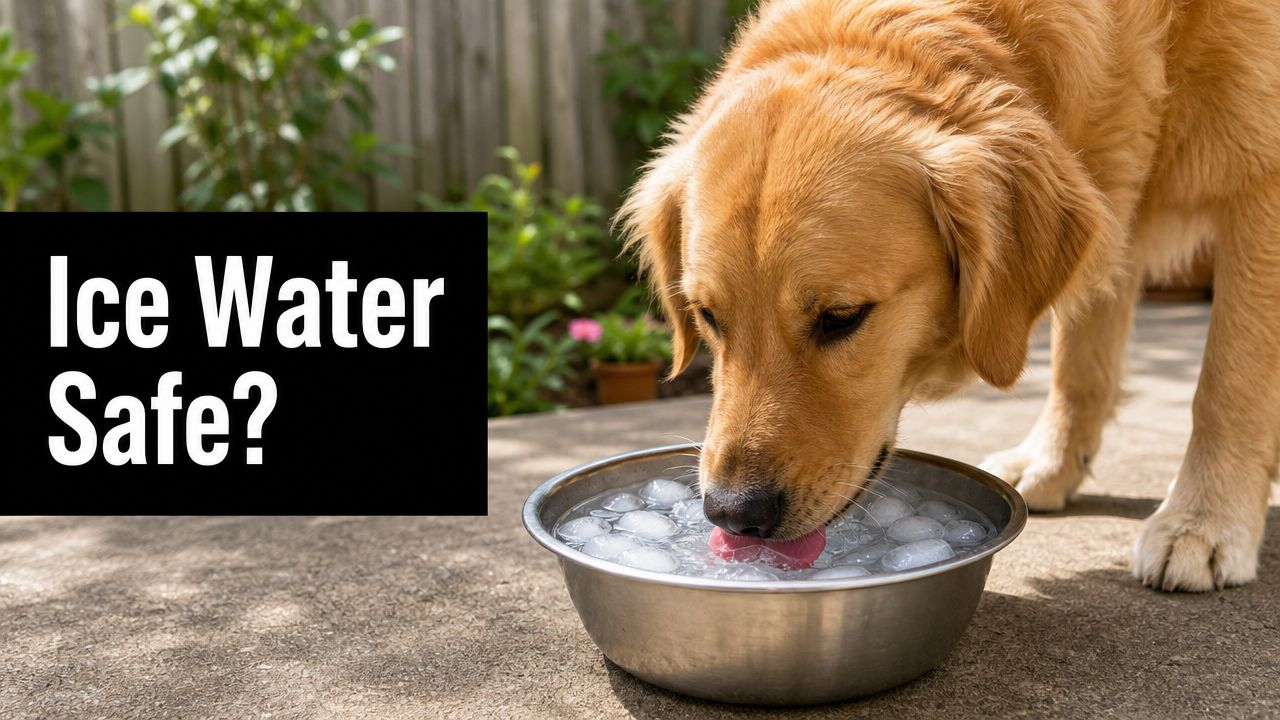
Yes. Healthy dogs can generally have ice water, and the bigger issue is usually how fast they drink, not the water's temperature.
If you're standing in the kitchen with a panting dog at your feet and a handful of ice in your glass, that's probably the exact question on your mind. The internet has made this topic feel more complicated than it needs to be. A lot of owners have heard that cold water is dangerous, especially after exercise or on hot days, and then they hesitate when their dog most needs a drink.
The reassuring answer is that ice water itself isn't the villain for a healthy dog. The safer way to think about it is this: focus less on temperature panic and more on smart hydration habits. That means paying attention to your dog's drinking style, choosing safe ice sizes, and offering water in a way that helps them cool down without gulping.
Is Ice Water Safe for Your Dog?
For most healthy dogs, yes, ice water is generally safe.
Veterinary sources have publicly pushed back on the old warning that ice water causes dangerous stomach problems. In an ABC News report on the ice water myth, Dr. Tina Wismer of the ASPCA's Animal Poison Control Center said the warning is “false,” and Dr. Michael Tuder called it an “urban legend.” That's an important reset for worried owners.
A simple everyday example helps. If your dog comes in from the yard, drinks cool water with a few small pieces of ice, and then settles down comfortably, that's usually not a problem. Most dogs handle cold water just fine, and some seem to enjoy it more on warm days.
What owners often get wrong
The confusion usually starts when people mix up cold water with unsafe drinking behavior.
A dog that charges to the bowl and gulps anything in front of them can have trouble whether the water is cold, cool, or room temperature. The practical question isn't only “can dogs have ice water,” but also “how should I offer it so my dog drinks safely?”
Good hydration isn't just about what's in the bowl. It's about how your dog uses it.
If you want a broader look at habits that support steady fluid intake, this guide on the best way to hydrate your dog is a useful companion read.
A better rule of thumb
Think in layers:
- Healthy dog, normal setting: Ice water is usually fine.
- Very thirsty dog: Slow the pace of drinking.
- Dog that chews ice hard: Skip large cubes.
- Dog that seems overheated: Use controlled cooling and water access, not a bowl packed with frozen chunks.
That approach is more useful than a blanket “never give ice” rule.
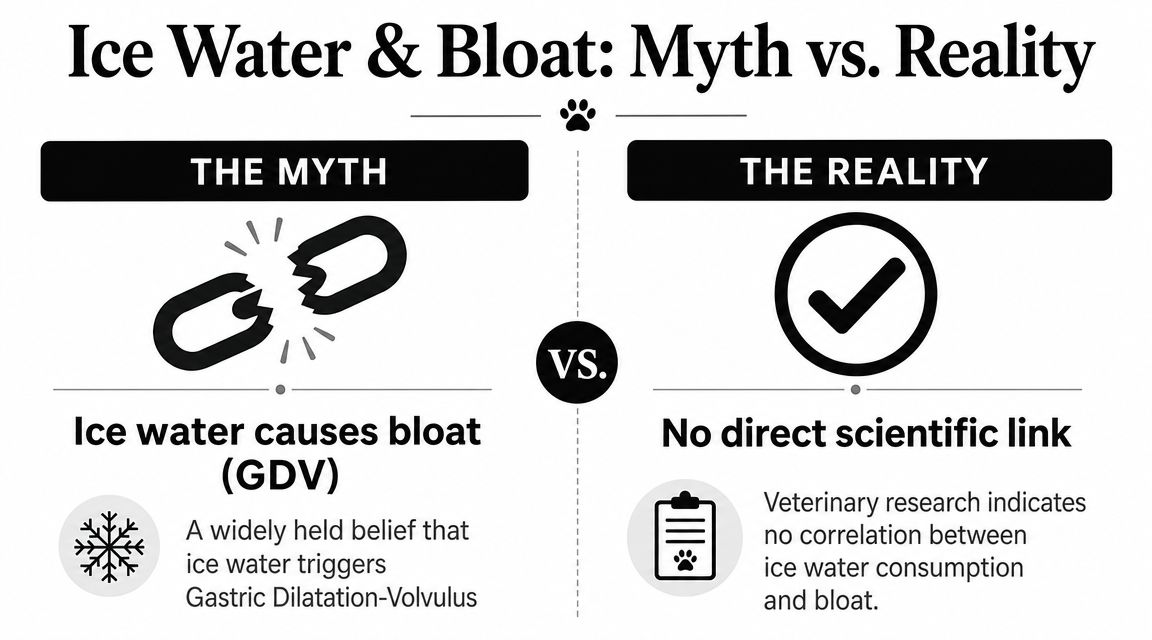
Debunking the Bloat and Ice Water Myth
A common version of this fear goes like this: a dog comes inside panting, heads straight for the bowl, drinks fast, and later seems gassy or uncomfortable. It is easy to blame the ice because it is the unusual part people remember.
But GDV, often called bloat, is a complex medical emergency. It is not caused by water being cold.
Why the myth sounds convincing
The myth links two events that may happen close together. A hot dog drinks. The dog later looks uncomfortable. From there, people may assume the cold water triggered a dangerous stomach problem.
That is a very human shortcut. We notice timing and mistake it for cause.
A better way to look at it is to separate temperature from drinking style. The bowl temperature matters less than the pace and circumstances of the drinking.
What deserves more attention
The bigger concern is usually rapid gulping, especially after heavy exercise or excitement. A dog that chugs water can swallow air along with it, which may lead to temporary bloating, burping, or stomach upset. That is very different from saying ice water causes GDV.
So the safer question is not just, “Can dogs have ice water?” It is, “How do I help my dog drink in a steady, comfortable way?”
That shift matters for prevention. It moves the focus from fear of cold water to habits you can control.
A practical way to picture it
A calm dog lapping from a bowl is using the water the way the body expects. A frantic, extra-thirsty dog can treat the bowl like a race.
One pattern is lower risk for most healthy dogs. The other is the one that deserves your attention.
| Situation | What matters most |
|---|---|
| Dog rushes in after hard play and gulps | Pace of drinking, swallowed air, need for a short cooldown |
| Dog drinks calmly from cool water with a few small ice pieces | Usually low concern for a healthy dog |
| Dog seems desperate to drink and cannot slow down | Offer smaller amounts at a time and supervise |
The helpful takeaway for owners
If your dog enjoys cold water, you do not need to panic about the temperature itself. Focus on how you offer it.
Use a bowl that encourages normal lapping. After intense play, let your dog settle for a minute, then offer a moderate amount of cool water instead of letting them empty a large bowl all at once. If your dog is a reluctant drinker, a small amount of moisture-rich topper mixed into meals or added to water separately can help make hydration more appealing without turning the bowl into a gulping contest.
The old myth points owners toward the wrong target. Safe hydration is usually about pacing, supervision, and reading your dog's behavior.
The Real Dangers of Ice for Dogs
Once you set aside the bloat myth, the actual risks become easier to see. They're mostly mechanical, not digestive.

Veterinary guidance highlighted by Chewy notes that hard ice cubes can fracture teeth, and large pieces can create a choking hazard. The same guidance recommends crushed ice or small chips instead of large, hard cubes, especially for dogs with dental disease or smaller mouths. It also notes that for overheated dogs, cool water rather than ice is the safer choice. Here's the full explanation from Chewy's veterinary education article on dogs and ice.
Tooth damage is more common than owners expect
Dogs don't always chew gently. Some crunch ice the same way they crunch hard toys, antlers, or very dense treats. That's where trouble starts.
A large, solid cube can be hard enough to crack a tooth, especially in dogs that bite down with force. You may not notice the damage right away. Later, you might see drooling, face rubbing, or a dog that suddenly prefers softer food.
Choking risk depends on size and style
The second concern is shape and swallowing behavior.
A small dog with a big cube has a different risk than a large dog licking crushed ice from a bowl. Dogs that grab and gulp are more likely to get into trouble than dogs that lick slowly.
A few safer choices:
- Use crushed ice or chips: They melt faster and are easier to manage.
- Skip large freezer cubes: They're harder, bulkier, and more tempting to chew.
- Be careful with vulnerable dogs: Small breeds, seniors, and dogs with dental issues need more caution.
Practical rule: If the ice looks like something your dog will try to chomp whole, it's too big.
Best Practices for Safe Summer Hydration
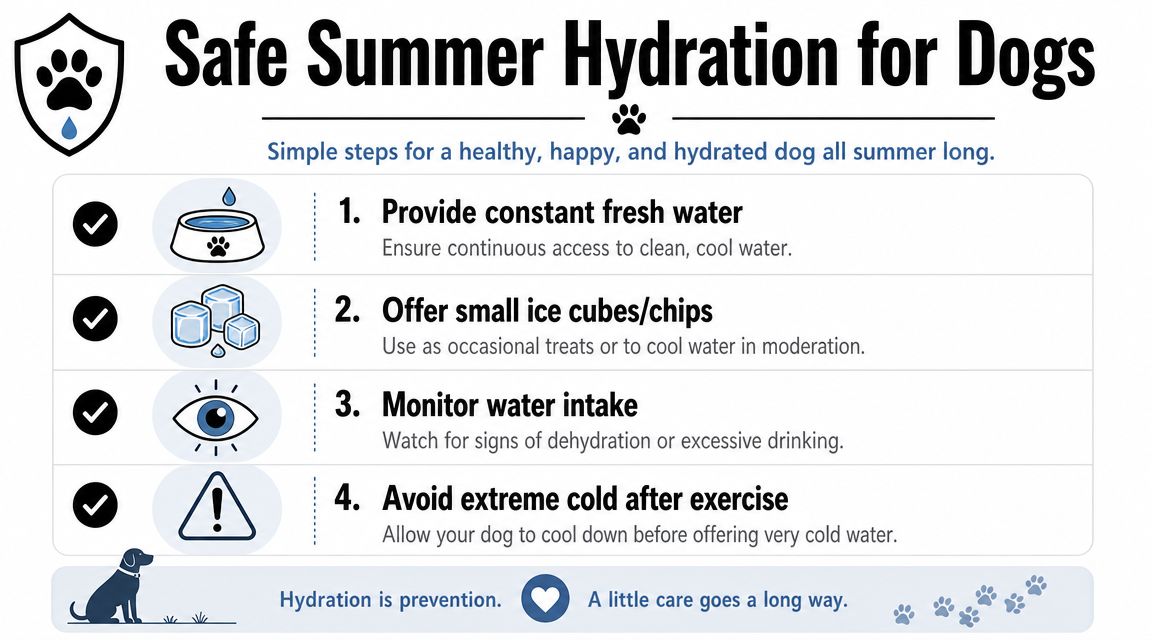
Your dog comes in from a hot walk, breathing hard and heading straight for the water bowl. In that moment, the goal is not the coldest water possible. The goal is safe, steady rehydration that helps your dog cool down without gulping too fast.
After exercise, slow everything down
Dogs often drink fastest when they are the hottest and most excited. That is why routine matters more than ice.
Bring your dog into a cooler area first. Let them settle for a minute, then offer a modest amount of cool water. A few calm drinking breaks work better than one big bowl that invites frantic gulping. If your dog tends to drain the bowl in seconds, refill in stages and stay close enough to watch their pace.
A simple comparison helps here. After a hard workout, people usually do better with steady sips than with chugging an entire bottle at once. Dogs are similar.
Choose cooling methods that match the situation
For everyday summer hydration, cool or refrigerated water is usually enough. Ice is optional, not required.
If your dog enjoys a little chill in the bowl, use small pieces that melt quickly rather than turning the drink into something they want to chew. The main question is less "Can dogs have ice water?" and more "How is my dog drinking it?" A calm licker handles cold water very differently from a dog that charges in and swallows fast.
For dogs that are reluctant to drink, temperature is only one piece of the puzzle. Some dogs respond better when water is fresh, offered in a quiet spot, or given a mild flavor boost. A small amount of a nutritional topper such as ChowPow mixed into water can make it more appealing, which may help encourage regular drinking throughout the day instead of one oversized post-play gulp.
Make the environment work in your favor
A dog that stays cooler usually drinks more comfortably.
Set water bowls in shaded, low-traffic areas. Indoors, a quiet recovery spot with good airflow can help your dog relax enough to drink at a normal pace. Outdoors, surface temperature matters too. Hot patios and sun-baked yard areas can add stress fast. For owners looking at ways to reduce heat underfoot, this guide to cooling artificial grass for Austin offers ideas for making outdoor spaces more comfortable.
You can pair that setup with other simple habits like rest breaks, shade, and a predictable cooldown routine. This article on keeping your dog cool and comfortable all summer long fits well with a smart hydration plan.
A simple summer hydration checklist
- Refresh water often: Clean, cool water is usually more inviting than a bowl that has been sitting in the heat.
- Watch your dog's drinking style: Fast gulpers need slower, smaller offerings after activity.
- Use bowls in calm places: Less excitement often means steadier drinking.
- Help your dog cool before they get desperate to drink: Shade, rest, and cooler surfaces all help.
- Use flavor thoughtfully if needed: A light topper can encourage regular hydration, which is often safer than letting thirst build all day.
How to Encourage Healthy Drinking Habits
Your dog comes in from a warm walk, sniffs the bowl, and walks away. Then an hour later, they act suddenly thirsty and drink too fast. That pattern worries owners, but the fix usually is not about avoiding cold water. It is about making drinking easy, appealing, and steady throughout the day.

Make drinking easy to say yes to
Dogs have preferences, just like people. Some want very fresh water. Some dislike a bowl that bumps their whiskers. Some older dogs hesitate if bending down feels stiff or if the water is too plain to catch their interest.
A water bowl works a lot like a dinner plate. If the shape, height, or material feels awkward, your dog may avoid it even when they need it. Nandog's guide on dog bowls can help you compare bowl features that support easier, more comfortable daily drinking.
Start with simple changes:
- Refresh water more often so it smells and tastes clean.
- Try a wider or shallower bowl if your dog seems hesitant.
- Offer water in the place where your dog already settles down to rest.
- Keep more than one bowl available if your dog spends time in different parts of the house.
Small adjustments often work better than dramatic ones.
Use flavor as a hydration tool
Some dogs need a reason to take a few calm laps now instead of waiting until they feel parched. A light flavor boost can help with that. Used well, it encourages regular sipping and can break the cycle of ignoring water, then gulping it.
ChowPow is a dehydrated beef heart meal topper that some owners mix into water to create a mild savory broth. That can help picky dogs, seniors, or dogs getting back to normal after stress or illness. It is a meal enhancement, not a substitute for a complete diet.
The goal is not to get your dog to drink a huge amount at once. The goal is to make water inviting enough that your dog drinks willingly, in smaller amounts, across the day.
Watch the pattern, not just the bowl
A full bowl does not always mean a well-hydrated dog. Pay attention to habits. Is your dog taking a few relaxed drinks now and then, or ignoring water for long stretches and then rushing it?
If you are unsure whether your dog is getting enough, review these signs of dehydration in dogs. That gives you a better way to judge hydration than temperature fears alone.
Steady drinking is usually the safer target. Cool water can be part of that plan. So can a better bowl, a quieter setup, or a small amount of flavor that helps your dog drink before thirst builds into a frantic gulp.
Warning Signs That Require a Vet Visit
Most dogs will do fine with cool water, but owners should still know what counts as an emergency. The safest mindset is calm observation. You don't need to panic, but you also shouldn't wait too long if something looks wrong.
Signs that deserve prompt attention
Call your veterinarian if you notice any of these after drinking, chewing ice, or heat exposure:
- Breathing trouble: Struggling to breathe, noisy breathing, or obvious distress.
- Repeated retching or gagging: Especially if little or nothing comes up.
- A swollen or tight-looking abdomen: Any sudden belly enlargement needs attention.
- Drooling with pain signs: Face rubbing, pawing at the mouth, or refusing food can point to a broken tooth or oral injury.
- Choking concerns: Repeated coughing, panic, gagging, or inability to swallow normally.
- Extreme weakness or collapse: This is urgent.
Bowl setup matters too
Sometimes the warning signs have less to do with temperature and more to do with how the dog drinks from the bowl itself. Bowl height, width, and material can influence comfort and pace. If you want a practical overview, Nandog's guide on dog bowls is a helpful starting point for choosing a setup that supports easier daily use.
If you're not sure whether your dog's behavior points to heat stress, poor hydration, or something more serious, it also helps to review signs of dehydration in dogs.
When a dog seems uncomfortable after drinking, the safest question isn't “Was the water too cold?” It's “What symptom am I seeing right now, and does it need medical help?”
Trust what you observe. If your dog looks distressed, painful, or suddenly unlike themselves, call your vet.
If your dog drinks better when water is a little more appealing, ChowPow can be one practical way to support hydration while also boosting the nutritional value of their regular kibble. It's designed as a topper or supplement, not a substitute for your dog's current food, and it can also be mixed into water for dogs who need extra encouragement to lap instead of ignore the bowl.
-
Product on sale
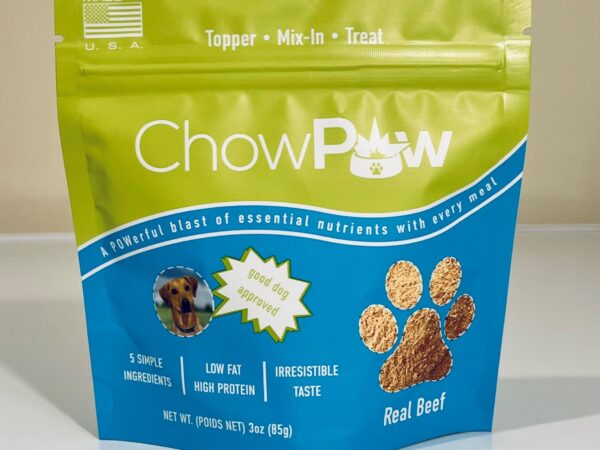 Dog Food Topper - Beef HeartOriginal price was: $14.99.$10.95Current price is: $10.95. - or subscribe and save up to 20%