

Can You Give a Dog Aspirin? A Guide to Safe Pain Relief for Dogs
It’s a heart-wrenching moment for any dog owner: seeing your best friend in pain. Your first instinct is to find something—anything—to make them feel better. But before you open your own medicine cabinet, let’s talk about a common, and dangerous, mistake: giving your dog aspirin. While it comes from a place of love, reaching for that little white pill without a vet's direct guidance is a gamble you don't want to take.
The Hidden Dangers of Giving Aspirin to Your Dog
We’ve all been there. Your dog is limping after a long hike or seems stiff and uncomfortable, and you wonder if a simple human pain reliever might help. Decades ago, some vets might have even cautiously suggested aspirin in a pinch. But veterinary medicine has come a long way since then. We now have far safer, more effective pain management options designed specifically for a dog's body.

{: alt="A man looks concerned while holding a medicine bottle, sitting next to his beagle with a large red warning sign that says 'DON'T GIVE ASPIRIN'"}
The biggest problem with aspirin is that it's a non-steroidal anti-inflammatory drug (NSAID). While that sounds technical, it just means it's in the same family as drugs like ibuprofen. These work great for us, but a dog's digestive system is a completely different ballgame. Their stomach lining is much more sensitive, and what seems like a small dose to us can cause serious internal damage to them.
Why It’s a Mismatch for Your Dog’s Body
This isn't just a "better safe than sorry" warning; the evidence is clear and alarming. A landmark study from 1996 showed just how quickly aspirin can wreak havoc. Researchers found that 100% of dogs given a standard dose of aspirin developed gastric ulcers in just five days. That’s right, every single dog. For comparison, only 11% of dogs given a vet-approved NSAID showed similar issues. You can review the studies about the impact of aspirin on dogs to see the data for yourself.
That stark difference makes one thing crystal clear: the risk of harm from aspirin simply isn't worth any potential relief it might offer. The fallout from a single "helpful" dose can be devastating.
Giving your dog aspirin can lead to:
- Severe Stomach Ulcers: Think painful, open sores inside their stomach.
- Internal Bleeding: This is a life-threatening emergency that isn't always obvious until it's too late.
- Kidney or Liver Damage: These essential organs can be permanently harmed by a drug they can't process safely.
- Masking the Real Problem: By dulling the pain, you might delay a proper diagnosis and treatment from your veterinarian.
At the end of the day, that bottle of aspirin on your shelf is a high-stakes gamble for your dog. Now, let’s dig into exactly why it’s so harmful and explore the much safer, vet-approved alternatives that can get your dog feeling better without the risk.
Why Aspirin Is So Dangerous for Your Dog
To understand why handing your dog an aspirin is a really bad idea, you have to know a little about how it works inside their body. Think of it like this: aspirin is a drug that flips the "off" switch on two very different systems, both run by enzymes called cyclooxygenase, or COX for short.
One of these systems, driven by the COX-2 enzyme, is responsible for creating the chemicals that cause pain and inflammation. Shutting this one down is what you want to do—it's how aspirin helps with aches and pains. If that's all it did, it might be a decent option for our pups.
But that’s not the whole story. Aspirin is not a very precise tool, and it shuts down another, far more important system at the same time.
The Unintended Damage to Your Dog's Defenses
The other system, run by the COX-1 enzyme, is the good guy here. It has a crucial protective job, producing substances that keep the stomach lining healthy, maintain good blood flow to the kidneys, and help blood clot properly. When aspirin barges in and blocks COX-1, these essential functions grind to a halt.
Without that protective mucus layer, your dog’s stomach is left completely exposed to its own harsh digestive acids. This is what leads directly to irritation, painful ulcers, and even life-threatening internal bleeding. Dogs are way more sensitive to this effect than we are, which is why a dose that seems small to us can cause devastating harm.
The big problem with aspirin is that it can't tell the difference between the good guys and the bad guys. By blocking the protective COX-1 enzyme, it dismantles the very systems that keep your dog's gut and kidneys safe, creating a perfect storm for severe damage.
This isn't just about getting the dose slightly wrong; the drug itself is just a bad biological match for dogs. Its entire method of action wages war on the systems that keep your dog's internal organs functioning safely.
More Than Just a Tummy Ache
The fallout from blocking COX-1 goes way beyond an upset stomach. It triggers a cascade of serious problems throughout your dog's body:
- Gastrointestinal Bleeding: This is the most immediate risk. Ulcers can form and bleed, leading to black, tarry stools (a sign of digested blood) or even vomiting blood.
- Kidney Damage: By cutting off proper blood flow, aspirin can seriously strain the kidneys, preventing them from filtering waste effectively. This can lead to long-term damage or even sudden kidney failure.
- Blood Clotting Problems: Aspirin is a blood thinner. For a dog, this means a small cut could bleed for a dangerously long time, or a routine surgery could suddenly become life-threatening.
At the end of the day, while you’re trying to solve one problem—your dog’s pain—aspirin is busy creating several more that are far more dangerous. This is precisely why vets now rely on much safer, dog-specific medications. These modern drugs are designed to target the pain-causing COX-2 enzyme while leaving the protective COX-1 enzyme to do its vital job.
Recognizing the Warning Signs of Aspirin Toxicity
If your dog somehow gets into a bottle of aspirin, or if you've given them a dose thinking it was safe, knowing the signs of toxicity can be a literal lifesaver. Every minute counts. Being able to spot the red flags quickly is your best bet for getting your pup the immediate help they need.
The first signs of aspirin poisoning almost always hit the digestive system. This is because the drug starts irritating the stomach lining right away. You might notice your dog is suddenly turning their nose up at their food or, more obviously, vomiting.
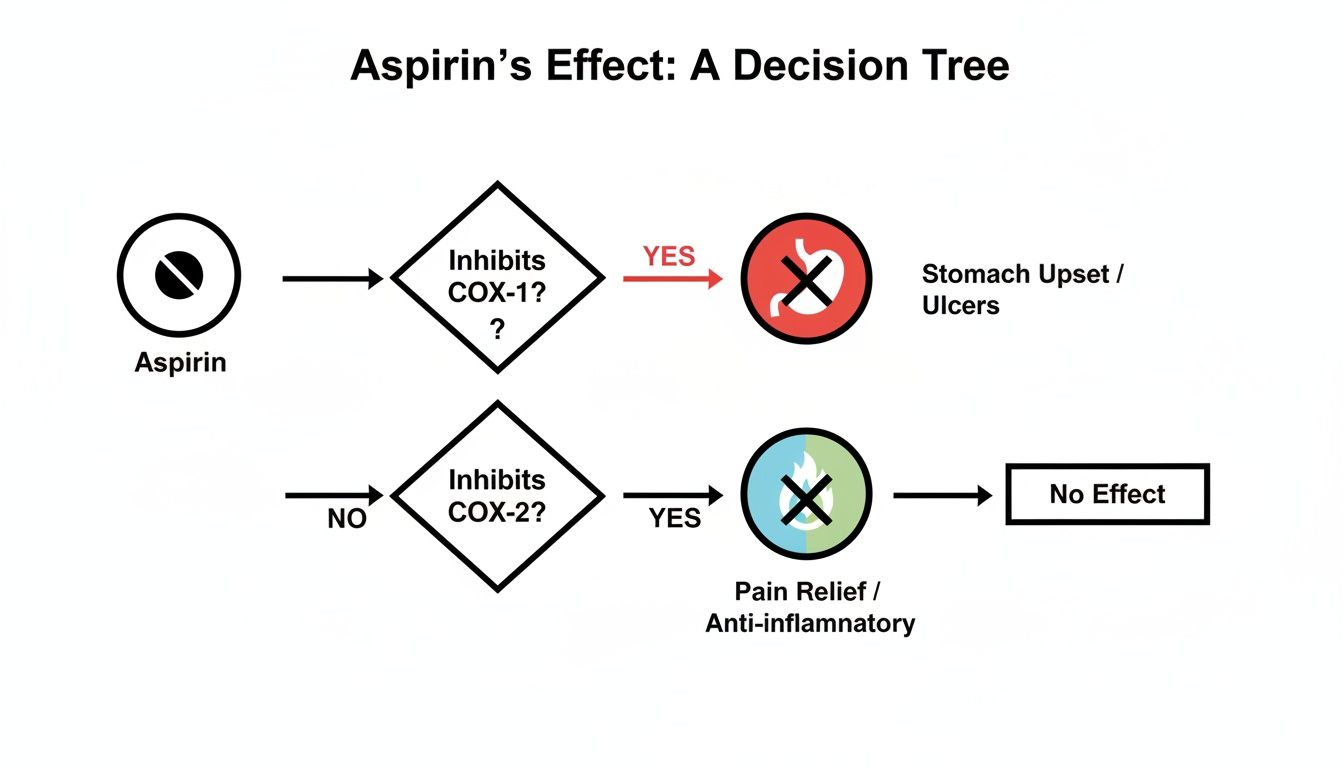
This infographic breaks down exactly how aspirin works in a dog's body, shutting down both the enzymes that cause pain and the ones that protect the stomach.
{: alt="Infographic showing how aspirin's COX-1 inhibition leads to stomach upset, while its COX-2 inhibition leads to pain relief, illustrating the dual effects."}
As you can see, while you might get some pain relief, you're also causing direct harm to their gut. That’s why an upset stomach is almost always the first warning sign.
Early and Severe Symptoms to Watch For
The signs of aspirin toxicity can show up fast and get serious even faster. Keep a close eye out for any of these indicators, which I’ve grouped from the early warnings to the full-blown emergency signs.
Initial Warning Signs (Contact a Vet Immediately):
- Vomiting: Sometimes this will have visible blood, but not always.
- Diarrhea: Stools might just be loose or watery.
- Loss of Appetite: When a dog suddenly refuses to eat, it’s a big deal.
- Lethargy: Your dog might seem unusually tired, weak, or just not themselves.
If the toxicity progresses, the symptoms become much more alarming and signal a life-threatening emergency. These signs point to serious internal bleeding and organ damage.
Critical Emergency Signs (Seek Emergency Care Now):
- Black, Tarry Stools (Melena): This is a textbook sign of digested blood coming from the stomach or upper intestines.
- Pale Gums: Check their gums. If they look pale, white, or greyish, it suggests significant blood loss and anemia.
- Collapse or Seizures: These are terrifying signs of severe shock or neurological damage.
- Difficulty Breathing: This can point to a number of critical internal problems that need immediate attention.
It's truly shocking how quickly this can happen. Veterinary toxicology data shows that signs of toxicity can appear within just 4-6 hours of a dog swallowing aspirin. The numbers are scary: vomiting happens in 80% of cases, and over 50% of those dogs end up with bloody or tarry stools. In severe overdoses, 10-20% of dogs might suffer from acute kidney failure, liver damage, or seizures.
Key Takeaway: Any sign of aspirin toxicity is an emergency. Don't wait to see if your dog gets better on their own. Call your veterinarian or the ASPCA Animal Poison Control Center right away.
Spotting these symptoms is the first step, but it’s also helpful to understand the more subtle ways dogs show discomfort. If you're ever on the fence about what you're seeing, our guide on how to tell if your dog is in pain offers a more detailed checklist. Acting fast is truly the best defense you have.
Exploring Safer Pain Management Strategies for Your Dog
So, we've established that reaching for the aspirin bottle is a bad idea. The next logical question is, "Okay, then what can I give my dog for pain?"
Thankfully, modern veterinary medicine has come a long way. There's a whole arsenal of safe, effective options designed specifically for a dog's body. Your veterinarian is your absolute best partner here—they can help you build a pain management plan that brings your buddy relief without putting them at risk.
The go-to solutions are usually vet-prescribed NSAIDs formulated just for dogs. Think of these as the next-generation, smarter version of aspirin. They're designed to zero in on the pain-causing COX-2 enzyme while mostly leaving the protective COX-1 enzyme (the one that guards the stomach and kidneys) alone.
Vet-Approved Medications
Unlike the stuff you buy over-the-counter for yourself, these prescriptions have gone through rigorous testing to prove they're safe for dogs when used correctly. Your vet will pick the right medication and calculate the precise dose based on your dog's age, weight, and overall health.
You’ll likely hear them mention one of these common vet-approved NSAIDs:
- Carprofen (Rimadyl): A real workhorse in veterinary medicine, it's widely used for managing pain and inflammation, especially from arthritis.
- Meloxicam (Metacam): Another reliable option often prescribed for joint pain. It’s known for being much gentler on the stomach than aspirin.
- Deracoxib (Deramaxx): Used to control pain from osteoarthritis and is also great for managing post-surgery discomfort.
- Firocoxib (Previcox): This is one of the newer-generation NSAIDs known for being highly selective in how it targets pain pathways.
It's worth repeating: only a veterinarian can determine the right medication and dosage for your dog. Never, ever use a prescription from another dog or try to guess the amount your dog needs.
A Holistic Approach to Comfort
Medication is often just one piece of the puzzle. A truly successful pain management strategy involves supporting your dog’s overall well-being, which can dramatically improve their quality of life and even reduce their reliance on drugs.
When you're dealing with something like joint pain, pills alone might not be enough. Many owners find incredible success by adding supportive therapies that get to the root of the discomfort. If you want to go deeper on this topic, you can learn more about managing arthritis pain in dogs in our detailed guide.
Consider adding these supportive elements to your dog's daily routine:
- Nutritional Supplements: Adding a high-quality meal enhancer with ingredients like glucosamine, chondroitin, or the natural anti-inflammatory benefits of real beef heart can support joint health from the inside out.
- Weight Management: Keeping your dog at a healthy weight is one of the single most impactful things you can do. Less weight means less stress on their joints and body. Simple as that.
- Gentle Physical Therapy: Activities like swimming or controlled leash walks can strengthen supporting muscles and improve mobility without putting a strain on sore joints.
Making Medication Time a Positive Experience
Let’s be real: giving your dog a pill can feel like an Olympic sport. There’s the wrestling match, the pleading, and that frustrating moment they spit the pill right back out. It’s stressful for both of you. But what if you could flip the script and turn this daily chore into a moment your dog actually gets excited about?

{: alt="A smiling woman happily feeds her dog kibble with a spoon, showing a positive feeding experience. A bowl of dog food is nearby."}
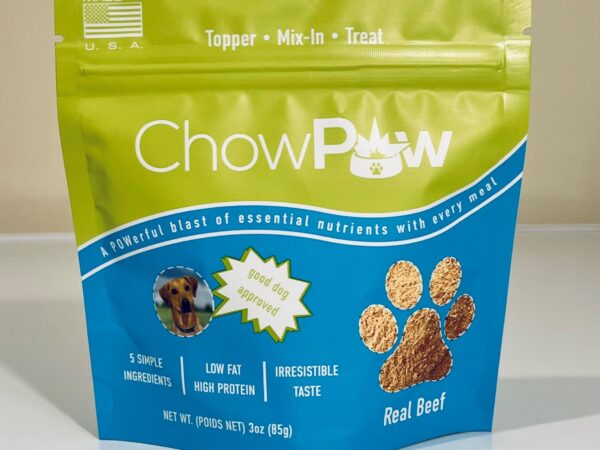
This is where a high-quality meal enhancement like ChowPow can be a total game-changer. Instead of replacing their regular food, you simply add it on top to boost the nutritional value and flavor. Its irresistible beef heart aroma can be used to your advantage to make sure your dog gets their meds without a fight.
Transforming Pills into Treats
The secret is all in the disguise. As a meal supplement, ChowPow is the perfect tool for the job. Its powerful, savory scent is more than enough to mask any weird medicinal smell that might make your dog suspicious.
You’ve got a couple of super easy options:
- Create a Tasty Paste: Crush the pill, mix it with a sprinkle of ChowPow, and add just a few drops of water. Roll it into a little meatball, and your dog will think they’ve hit the treat jackpot.
- Sprinkle and Serve: Just hide the pill in their usual kibble and sprinkle the powder over the top. The beef heart flavor will have them licking the bowl clean, medicine and all.
This trick does more than just get the medicine down. You’re also boosting their meal with high-quality protein and essential nutrients from a simple, four-ingredient formula. You’re not just solving a problem; you’re supporting their overall health and recovery. For a few more clever tricks, check out our guide on how to give a dog a pill with ease.
A dog’s overall well-being goes beyond just what’s in their food bowl. A comfortable, safe space is also key to a happy life. Making sure they have a proper den, like understanding the right dog kennel size recommendations, contributes to a low-stress environment.
Common Questions About Aspirin and Dog Pain
After diving into all the risks, it's totally normal to still have a few questions buzzing in your head. Figuring out the best way to help your dog when they're in pain can feel like a huge responsibility, but getting clear, straightforward answers is the best way to move forward. Let’s tackle some of the most common questions dog parents ask.
Sorting through the myths and facts about giving dogs aspirin is key. The right information helps you protect your best friend from an accidental and dangerous mistake.
What Should I Do If My Dog Accidentally Ate Aspirin?
First, don't panic, but act fast. If you even think your dog might have gotten into aspirin, treat it like an emergency. Call your veterinarian, the closest emergency animal hospital, or the ASPCA Animal Poison Control Center right away.
Whatever you do, don't try to make your dog throw up unless a vet specifically instructs you to. In any potential poisoning situation, time is everything. Getting professional help immediately gives your dog the best possible chance for a good outcome.
Is Baby Aspirin a Safer Option for My Dog?
That’s a hard no. Baby aspirin is absolutely not a safe choice for your dog. Even though it's a much lower dose, a dog's system is so sensitive to this drug that even a tiny amount can cause serious stomach damage, ulcers, and internal bleeding.
The danger of an accidental overdose is still incredibly high, especially for smaller dogs. You should never, ever give your dog any kind of aspirin without a direct, explicit order from your vet. They are the only ones who can weigh the risks against the potential benefits for your specific dog.
Are Other Human Painkillers Like Ibuprofen Safe for Dogs?
Absolutely not. In fact, many common over-the-counter human painkillers are even more dangerous for dogs than aspirin. Both ibuprofen (the active ingredient in Advil and Motrin) and acetaminophen (found in Tylenol) are extremely toxic to dogs.
It can take just one pill to cause devastating and irreversible kidney failure, liver damage, or even death. The rule here is simple and non-negotiable: never give your dog any pain medication made for people. Your vet has a whole arsenal of medications that were specifically designed and tested to be safe and effective for dogs.
How Can I Comfort My Dog Before Our Vet Appointment?
While you're waiting to see the vet, the best thing you can do is provide simple, supportive care. The goal is just to keep your dog calm and comfortable without reaching for any medications.
- Create a Quiet Space: Set up a soft, comfy bed in a low-traffic area of your home, away from all the noise and chaos.
- Ensure Easy Access: Make sure their water and food bowls are close by so they don't have to struggle to get to them.
- Offer Gentle Comfort: A slow, gentle massage or a warm compress on a sore joint can be very soothing, as long as your dog seems to enjoy it.
- Avoid Strenuous Activity: Keep potty breaks short and slow. Now is not the time for a game of fetch or a run at the park that could make their pain worse.
The single most important thing you can do is call your vet for advice. They can give you tips specific to your dog's situation and get them scheduled for an exam to find the real source of the pain and create a safe treatment plan.
Managing your dog's health starts with making informed choices, and that includes what you put in their bowl. ChowPow makes it easy to boost your dog's daily kibble with the nutrient-dense power of beef heart, supporting their overall wellness from the inside out. Elevate their mealtime at https://chowpownow.com.
-
Product on sale
 Dog Food Topper - Beef HeartOriginal price was: $14.99.$10.95Current price is: $10.95. - or subscribe and save up to 20%