
A Dog Owner’s Guide to the Causes of Anemia in Dogs
Hearing your vet say the word "anemia" can be really unsettling. But understanding what it actually means is the first step to getting your dog back on their paws.
Anemia isn’t a disease itself—it’s a major red flag that something else is going on inside your dog’s body. It simply means they don’t have enough healthy red blood cells circulating in their bloodstream.
Decoding Anemia in Your Dog
Think of red blood cells as a massive fleet of tiny delivery trucks. Their one and only job is to pick up oxygen from the lungs and drop it off at every single cell in the body, from the brain all the way down to the tip of the tail.
Oxygen is the fuel that powers everything, keeping organs functioning and muscles moving. When a dog becomes anemic, their "delivery fleet" is too small to keep up with the body's demands.
This shortage forces the heart and lungs to work overtime to compensate. It's why lethargy and weakness are often the first things you'll notice. Without enough oxygen, your dog's energy levels plummet, and their entire system becomes stressed.
The Three Main Pathways to Anemia
While the list of things that can cause anemia in dogs is long, they almost all trace back to one of three core problems.
This simple diagram breaks it down visually: the red blood cell count is low because the body is either losing blood, destroying existing cells too quickly, or failing to produce enough new ones. Each pathway points to a different set of potential underlying issues that your veterinarian will investigate.
To make this even clearer, here's a quick breakdown of the three main ways a dog can become anemic.
The Three Pathways to Anemia in Dogs
| Anemia Pathway | What It Means for Your Dog | Common Examples |
|---|---|---|
| Blood Loss | Red blood cells are physically leaving the body, either internally or externally. | Trauma or injury, severe flea or tick infestations, stomach ulcers, or tumors that bleed. |
| Hemolysis (Cell Destruction) | The body is actively destroying its own red blood cells faster than they can be replaced. | Autoimmune diseases (IMHA), infections from tick-borne illnesses, toxins, or hereditary conditions. |
| Decreased Production | The bone marrow, where red blood cells are made, isn't producing enough new cells. | Chronic kidney disease, certain cancers, nutrient deficiencies (like iron), or bone marrow disorders. |
This table helps show how different the root causes can be, which is why a proper diagnosis is so critical.
Key Takeaway: Anemia is a symptom, not the final diagnosis. Your vet's goal is to uncover why the red blood cell count is low, as treating the root cause is the only way to resolve the anemia itself.
As we dig deeper into these pathways, you'll get a clearer picture of the specific conditions that can lead to anemia. While we focus on the medical side of things, it's also important to be prepared for the emotional side of a serious diagnosis. For those navigating difficult times, a compassionate guide to healing from pet loss can offer valuable support.
Blood Loss Anemia: The Most Obvious Cause
When you think about why a dog might become anemic, blood loss is probably the first thing that pops into your head. It’s the most straightforward cause, really. If red blood cells are leaving the body faster than they can be made, that "delivery fleet" we talked about gets understaffed, and fast.
This type of anemia generally falls into two buckets: acute (sudden and serious) and chronic (slow and sneaky). Knowing how to spot both is a huge part of keeping your dog safe and healthy.
Acute Blood Loss: When Every Second Counts
Acute blood loss is the dramatic, scary kind that demands an immediate trip to the emergency vet. This is the bleeding you can't miss, usually triggered by some kind of trauma.
Think about a car accident, a bad fight with another animal, or even complications from a recent surgery. In these situations, a lot of blood is lost very quickly, and the signs of anemia can show up in minutes. A dog might suddenly collapse, have a racing heart, and their gums might look pale or even white as their body struggles to cope.
Internal bleeding can also be a complication after a procedure, so it’s always wise to be prepared. You can learn more about post-surgery care for dogs in our detailed guide. Another terrifying cause is a ruptured tumor, especially on the spleen or liver, which is a life-or-death emergency.
Chronic Blood Loss: The Slow, Silent Drain
If acute blood loss is a burst pipe, chronic blood loss is the tiny, slow drip behind the wall that you don’t notice until the floor is ruined. It’s far more deceptive. Over weeks or even months, a small but constant leak can slowly empty your dog’s red blood cell reserves, leading to severe anemia before you even realize something is wrong.
The culprits behind this silent drain are often hiding in plain sight.
- Pesky Parasites: A bad flea or tick infestation is a surprisingly common cause, especially for puppies and smaller dogs. One bug doesn't take much, but thousands of them add up to a significant amount of blood loss over time.
- Internal Invaders: Hookworms and whipworms are nasty little parasites that latch onto the intestinal walls and feed on blood, creating a slow, steady leak right into the digestive tract.
- Gastrointestinal Bleeding: Things like stomach ulcers or tumors can bleed slowly into the gut. One of the biggest clues here is black, tarry-looking stool, which is a sign of digested blood.
Veterinarian Insight: When a vet runs bloodwork, a low red blood cell count (PCV) paired with low total protein often points to acute blood loss. With chronic loss, the body has had time to make more protein, so they might see a low PCV but normal protein levels. This distinction is a key diagnostic clue.
Research backs this up, showing that trauma and parasites are major drivers of anemia. One study found that 79.6% of dogs with conditions causing blood loss were anemic. Another screening found a 52.06% anemia prevalence in the general dog population, highlighting just how common this issue is.
Recognizing the Warning Signs
Because blood loss anemia can be anything from a sudden crisis to a slow-burn problem, knowing the signs is your best line of defense. Keep an eye out for these red flags:
- Pale Gums: This is the classic sign. Healthy gums are a nice, healthy pink. Pale pink, white, or bluish gums mean something is wrong.
- Sudden Weakness or Collapse: A dog that suddenly can't get up or seems totally out of it needs to see a vet, period.
- Rapid Heartbeat and Breathing: The heart has to work overtime to pump the remaining oxygen-carrying cells around the body, leading to a fast pulse and panting.
- Black, Tarry Stools (Melena): This is a strong indicator of bleeding high up in the digestive system.
- Visible Blood: This is the most obvious one—blood in their vomit, urine, or feces, or coming from a wound.
Whether the blood loss is happening fast or slow, getting a vet’s diagnosis is the only way to find and fix the root cause. Once you have a treatment plan, supporting your dog's recovery is the next step. This is where top-notch nutrition really shines, helping their body rebuild what it has lost.
Hemolytic Anemia: When the Body Attacks Itself
While losing blood is a pretty straightforward cause of anemia, sometimes the problem is much stranger and happens entirely inside the body.
Picture a busy factory where perfectly good products are being smashed on the assembly line before they ever get a chance to be shipped out. That’s a good way to think about hemolytic anemia. It’s a condition where a dog's red blood cells are destroyed faster than the bone marrow can possibly replace them.
This internal destruction is called hemolysis, and it’s a dangerous form of self-sabotage. Instead of living out their normal lifespan of about 120 days, red blood cells are ruptured and cleared from the body way too soon. This rapid drop in oxygen carriers can trigger a sudden, severe anemia that leaves a dog incredibly weak and critically ill.
When the Immune System Turns Against Itself
The most frequent cause of this destructive process is a serious condition known as Immune-Mediated Hemolytic Anemia (IMHA). In a tragic case of mistaken identity, the dog’s own immune system wrongly flags its red blood cells as dangerous invaders and launches an all-out attack to eliminate them.
This autoimmune meltdown can be primary, meaning there’s no clear underlying reason, or it can be secondary—triggered by something else. Potential triggers can include infections, certain drugs, or even some types of cancer. Whatever the cause, the result is a massive and rapid destruction of red blood cells that can quickly become life-threatening.
A healthy immune system is your dog’s best defense, and knowing how to support it is key. You can learn more about boosting your dog's defenses with our guide to immune support.
Invaders That Destroy Red Blood Cells
Besides autoimmune disorders, hemolytic anemia can also be caused by outside invaders that directly target and rupture red blood cells. Some of the most common culprits include:
- Tick-Borne Diseases: Parasites transmitted by ticks, like Babesia, are notorious for causing hemolytic anemia. These microscopic organisms invade red blood cells, multiply inside, and eventually cause them to burst.
- Toxins and Poisons: Certain toxins can cause oxidative damage to red blood cells, making them fragile and easy to destroy. Everyday items like onions, garlic, and zinc (found in pennies minted after 1982) are well-known dangers.
- Inherited Conditions: Some breeds have genetic defects that impact the structure or function of their red blood cells, making them more likely to be destroyed prematurely.
Parasitic infections are a huge threat. A recent study on babesiosis, a common tick-borne illness, found that anemia was present in a staggering 77.7% of infected dogs. The research highlighted just how severe this can be, linking severe anemia to 61.1% of fatalities. It’s a stark reminder of how deadly these infections are.
Key Insight: When red blood cells are destroyed in huge numbers, they release a yellow pigment called bilirubin into the bloodstream. If the liver can't clear it fast enough, it builds up, causing the telltale yellowing of the skin, gums, and whites of the eyes—a condition known as jaundice.
Unique Warning Signs of Hemolysis
While pale gums and lethargy are classic signs of any anemia, hemolytic anemia has a few distinct and alarming symptoms you should never ignore.
- Jaundice (Icterus): As mentioned, this is a hallmark sign. Gently lift your dog’s lip or look at the whites of their eyes. Any noticeable yellow tinge is a major red flag that needs immediate veterinary attention.
- Dark, Discolored Urine: The waste products from all those destroyed red blood cells are filtered by the kidneys, which can turn urine a dark orange, reddish, or even brown color.
- Fever: The widespread inflammation and immune system chaos associated with hemolysis often causes a fever.
Recognizing these specific signs is critical because hemolytic anemia can spiral downward very, very quickly. Getting your dog to the vet at the first sign of jaundice or dark urine can make all the difference in their prognosis. Once a diagnosis is made, treatment can begin, and nutrition will play a vital supporting role in helping their body rebuild its precious red blood cell supply.
Anemia from Poor Red Blood Cell Production
Unlike the dramatic scenes of sudden blood loss or the rapid self-destruction of red cells, there's a third, much quieter cause of anemia in dogs. This type happens when the body's 'red blood cell factory'—the bone marrow—simply can't produce enough new cells to keep up.
It’s called non-regenerative anemia, and it often creeps in slowly, making its early signs incredibly easy to miss.
Think of the bone marrow as a busy factory. This form of anemia is like a massive slowdown on the assembly line. Production grinds to a halt, and the existing fleet of oxygen-carrying cells gradually dwindles as they age out and retire. Because it's so gradual, a dog might just seem a little less energetic over time, masking how serious the problem is until the anemia is quite advanced.
This slow decline is exactly why routine vet check-ups are so critical, especially for senior dogs who are more prone to the underlying conditions that cause this production failure.
The Role of Chronic Kidney Disease
One of the biggest culprits behind this production slowdown is Chronic Kidney Disease (CKD). We mostly think of kidneys as waste filters, but they have another crucial job: producing a hormone called erythropoietin.
This hormone is basically the factory foreman. It sends constant signals to the bone marrow, telling it to ramp up production and make more red blood cells.
When a dog’s kidney function declines, so does the production of this vital hormone. The bone marrow doesn't get the message to keep working, and red blood cell manufacturing grinds to a halt. This direct link makes anemia an almost unavoidable consequence of advanced kidney disease.
The data backs this up. A study of 123 dogs with CKD found that 100% of them had some degree of anemia. It gets more specific: severe anemia was found in 42.28% of the cases. For dogs over eight years old, that number jumped to 51.22%, highlighting the impact of age-related kidney decline. You can dive deeper into these findings in the full study on CKD and anemia in dogs.
Other Causes of Production Failure
While CKD is a major player, several other conditions can throw a wrench in the bone marrow's machinery. These issues can be anything from other illnesses to problems inside the marrow itself.
- Chronic Illnesses: Long-term inflammatory conditions, persistent infections, or even some cancers can suppress bone marrow function. The body is so busy fighting the main disease that it puts red blood cell production on the back burner.
- Bone Marrow Diseases: Sometimes, the factory itself is the problem. Cancers like leukemia or lymphoma can invade the bone marrow, crowding out the healthy tissue that produces new cells. In other cases, the marrow can be damaged by toxins or medications, a condition known as aplastic anemia.
- Nutritional Deficiencies: Making red blood cells requires specific building blocks. A major shortage of key nutrients—most often iron and certain B-vitamins like B12 and folate—can stop the assembly line cold. This is less common in dogs on a balanced diet, but can pop up with health issues that mess with nutrient absorption.
Important Takeaway: Non-regenerative anemia is almost always a symptom of something else going on. The real goal for your vet is to find and treat the root cause—be it kidney failure, chronic inflammation, or a nutritional gap—that has shut down the red blood cell factory.
Because the symptoms of this type of anemia are so subtle and gradual, it’s easy to mistake them for normal signs of aging. A little lethargy, a picky appetite, or general weakness might not set off alarm bells right away. This really underscores the value of being proactive with your dog's health, as catching the underlying cause early gives them the best shot at effective treatment and a better quality of life.
How Nutrition Supports Your Dog's Anemia Recovery
Once your vet has figured out what's causing your dog's anemia and started treatment, the focus shifts to getting them back on their paws. This is where nutrition becomes one of your most powerful tools, giving your dog's body the raw materials it desperately needs to heal and rebuild its red blood cell supply.
Think of it like a factory that's fallen behind on production. Your dog's bone marrow is now working overtime, trying to churn out millions of new red blood cells. That kind of massive project requires a huge shipment of high-quality materials—way more than what's needed for just day-to-day operations.
The Building Blocks of Recovery
A dog on the mend needs a diet packed with specific nutrients that are absolutely vital for creating healthy red blood cells. The big three are high-quality protein, iron, and certain B-vitamins.
- High-Quality Protein: Protein supplies the amino acids needed to build hemoglobin. Hemoglobin is the iron-rich part of a red blood cell that's responsible for carrying oxygen.
- Iron: This mineral is the undisputed MVP of hemoglobin production. Without enough iron, the body simply can't make functional red blood cells, no matter how hard it tries.
- B-Vitamins: Vitamins like B12 and folate are essential for making sure new red blood cells divide and mature properly in the bone marrow.
But just offering these nutrients isn't always enough. A dog recovering from a serious illness often doesn't feel like eating, which makes it tough to get them the calories and nutrients they need. This is where a super-tasty, nutrient-packed meal topper can make all the difference.
Expert Insight: Anemia and the illnesses that cause it often crush a dog's appetite, creating a vicious cycle. The dog needs more nutrients to heal but feels too sick to eat, which just slows down their recovery. Breaking that cycle is a huge part of the healing process.
Boosting Kibble with a Nutrient-Dense Topper
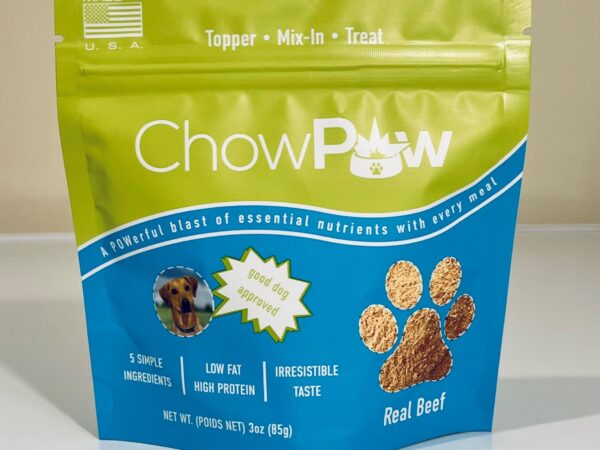
This exact challenge is why we created ChowPow. It’s critical to know that ChowPow is not a meal replacement. Think of it as a powerful nutritional booster designed to turbocharge your dog’s regular kibble and tempt even the fussiest eater.
When your dog is feeling weak and their appetite is gone, the rich, savory aroma of dehydrated beef heart can be incredibly hard to resist. Just a sprinkle of ChowPow over their usual food transforms it into something special, encouraging them to eat and take in the vital nutrients their body is screaming for.
Made from just beef heart, carrots, celery, and apple cider vinegar, ChowPow is a concentrated source of high-quality protein, naturally occurring iron, and B-vitamins. It’s a simple, clean formula that gives their body exactly what it needs to get the red blood cell assembly line running again, with zero unnecessary fillers that could bother a sensitive stomach.
Why Iron is a Recovery Superstar
Of all the nutrients, iron plays the starring role in bouncing back from many types of anemia. Its main job is to grab onto oxygen in the lungs and ferry it to every cell in the body. An iron deficiency can be one of the direct causes of anemia in dogs. You can learn more about the vital role of this mineral in our guide on iron for dogs.
By adding a nutrient-dense topper like ChowPow to your dog’s bowl, you’re doing more than just making their food taste better. You are actively giving their body the tools it needs to manufacture new red blood cells, restore their energy, and get back to being their happy, tail-wagging self. As always, talk with your veterinarian to make sure a nutritional booster is the right move for your dog’s specific treatment plan.
Got Questions About Anemia in Your Dog?
When you're dealing with a health scare like anemia, your head is probably swimming with questions. As a dog parent, you just want clear, honest answers so you can do what's best for your best friend. We get it.
This section tackles some of the most common questions we hear from worried owners. Think of it as a quick guide to help you feel a bit more prepared for the road ahead.
How Can I Check My Dog For Anemia At Home?
While only your vet can truly diagnose anemia through blood work, there are definitely some tell-tale signs you can look for at home. Catching these early can make all the difference.
The most famous at-home check is the gum test. Gently lift your dog's lip and take a look at their gums. Healthy gums should be a nice, solid bubblegum pink. If they look pale pink, white, or even have a yellowish tint, that’s a major red flag. It’s time to call the vet, no hesitation.
Beyond the gums, just watch your dog's overall vibe.
- Energy Levels: Is your normally peppy pup suddenly acting like an old soul, barely wanting to get off the couch?
- Breathing: Does their breathing seem faster or more labored, even when they’re just resting?
- Stamina: Do they tucker out after just a few minutes of play or a short walk?
These at-home checks aren’t a replacement for a professional diagnosis, but they are your first line of defense. Trust your gut—if something feels off, get it checked out.
Is Anemia In Dogs Curable?
This is the big one, and the honest answer is: it completely depends on the cause. Anemia isn't a disease itself; it's a symptom that something else is wrong. So, the outlook is tied directly to treating that underlying problem.
The good news is that when anemia is caused by something treatable, the prognosis is often fantastic. For instance, if a nasty flea infestation or a gut full of hookworms is the culprit, getting rid of the parasites stops the blood loss. Your dog's body can then get back to the business of making new red blood cells. The same goes for anemia caused by a minor, treatable injury.
However, if the anemia stems from a more serious, long-term issue like chronic kidney disease, an autoimmune disorder, or certain cancers, the goal shifts from a "cure" to management. In these situations, the focus is on controlling the main disease and ensuring your dog has the best quality of life possible. No matter the cause, early detection is always the most important factor in a positive outcome.
Can I Fix My Dog's Anemia With An Iron-Rich Diet?
While nutrition is a huge part of the recovery plan, diet alone is almost never the fix for anemia in dogs. It's so important to remember that the anemia is just a signal. Simply adding more iron to your dog's bowl won't stop internal bleeding or fix a malfunctioning organ.
That said, once your veterinarian has diagnosed the root cause and started treatment, nutrition becomes your most powerful tool for support.
Think of a recovering dog's body as a factory working overtime to produce new red blood cells. A diet packed with high-quality protein, iron, and B-vitamins is like providing that factory with all the premium raw materials it needs to get the job done right.
You have to fix the leak before you can refill the bucket. Veterinary medicine fixes the leak; a nutrient-dense diet helps refill the bucket, faster and stronger.
Should I Add ChowPow To My Dog's Food During Recovery?
Giving your dog a nutritional boost during recovery can be a game-changer, especially if their appetite has taken a nosedive. But you should always, always talk to your veterinarian before adding anything new to their diet, particularly when they're already undergoing medical treatment.
ChowPow is designed as a meal enhancement or supplement, not a replacement. Its job is to boost the nutritional value of their current kibble and, just as crucially, to make that food irresistible. The savory scent of dehydrated beef heart can be just the thing to tempt a dog who isn't feeling up to eating.
Your vet is your partner in this. They can tell you if a high-value, nutrient-dense topper like ChowPow is a good fit for your dog’s specific recovery plan. They’ll help ensure it complements the medical treatment and provides those vital building blocks to get your dog back on all four paws.
At ChowPow, we believe that targeted nutrition can play a powerful role in your dog's well-being. To learn how our simple, nutrient-dense meal topper can support your dog's health, visit https://chowpownow.com.
-
Product on sale
 Dog Food Topper - Beef HeartOriginal price was: $14.99.$10.95Current price is: $10.95. - or subscribe and save up to 20%