
Cider Vinegar for Dogs Your Complete Guide
You've likely heard the buzz around apple cider vinegar for dogs. It's often talked about as a go-to natural remedy for everything from itchy skin to an upset stomach.
While it's definitely not a magic potion, there's a reason ACV is a staple in wellness conversations for both people and their pets. The good stuff—raw, unfiltered apple cider vinegar—contains beneficial compounds that can support your dog's health. The trick is knowing what it actually is, how it works, and most importantly, how to use it safely.
What Is Apple Cider Vinegar
At its heart, apple cider vinegar (or ACV) is simply fermented apple juice. The process is pretty straightforward: apples are crushed, and the liquid is collected. Then, bacteria and yeast are added to kickstart fermentation, which turns the natural sugars into alcohol.
In a second fermentation step, that alcohol gets converted into acetic acid—the main active ingredient in any vinegar. This is what gives ACV its signature sour taste and potent smell. But not all ACV is created equal, and the difference is huge.
The Mother Makes the Difference
When you're shopping for cider vinegar for dogs, you’ll notice two types on the shelf: a clear, pasteurized version and a cloudy, raw one. You want the cloudy stuff. Why? Because it contains something called "the mother."
Think of "the mother" as a living colony of beneficial bacteria, proteins, and enzymes. It looks like wispy, strand-like sediment floating at the bottom of the bottle. This is the powerhouse of raw ACV, containing the probiotics and enzymes that are responsible for most of its health buzz. The clear, filtered ACV has had all this goodness stripped away.
Using vinegar as a health aid isn't some new fad. Its history stretches back thousands of years, with ancient civilizations using it for everything from preserving food to cleaning wounds.
This long history of use has naturally carried over to our pets, though modern veterinary research is still playing catch-up. You can learn more about the science and safety of ACV for dogs and see why so many pet owners are curious about its properties.
Beyond a Simple Condiment
Understanding where ACV comes from helps set realistic expectations. It’s not a substitute for proper veterinary care or a balanced diet, but it can be a helpful supplement. And just like any supplement, it requires a thoughtful approach.
That's where products like ChowPow come in. ChowPow uses ACV as part of a balanced, expertly crafted formula. It’s designed as a meal enhancement to boost the nutritional value of your dog's current kibble, not replace it. This makes it an easy way to add extra goodness to their daily meals without any guesswork.
So, What’s the Big Deal? Exploring the Potential Benefits for Your Dog
The buzz around apple cider vinegar for dogs can sound like a miracle cure-all. You'll hear stories from other dog owners about everything from shinier coats to happier tummies. While the hard science specifically on dogs is still playing catch-up, we can look at the most common benefits people report and the logic behind why ACV might be helping.
One of the biggest claims is for improved digestion. If you've ever looked at a bottle of raw, unfiltered ACV, you've seen "the mother"—that cloudy stuff floating around. It’s packed with probiotics and enzymes. The thinking is that these good guys can help support the healthy bacteria already living in your dog's gut, creating a better environment for breaking down food and soaking up all the good nutrients. The gentle acidity is also thought to help balance stomach pH, which could mean less gas and bloating.
For a deeper dive into how your dog's digestive system ticks, our guide on the benefits of fiber for canine digestion is a great next read. A healthy gut environment is the foundation for everything.
Skin and Coat Health
Another major reason owners reach for ACV is to tackle skin and coat problems. If you’ve got a dog who’s constantly licking their paws or dealing with dry, flaky skin, ACV is often suggested as a potential fix, both inside and out. Its antimicrobial properties may help knock back the yeast and bacteria that are often the culprits behind skin irritation.
When diluted and used as a rinse, many owners find ACV can help:
- Soothe irritated skin by helping to restore its natural pH balance.
- Dial down the itchiness that comes with allergies or minor skin flare-ups.
- Promote a shinier coat by clearing away soap residue and helping the hair cuticles lie flat.
It all connects. Many believe that a healthy gut is directly linked to healthy skin. By supporting digestion from the inside, ACV may also help address the root cause of some skin problems, leading to a calmer, happier pup with a more vibrant coat.
A Natural Pest Deterrent?
Finally, you’ll hear about people using a diluted ACV spray as a natural flea and tick repellent. The idea is that the strong smell and acidic taste make a dog a less attractive landing spot for these annoying pests. Now, this is absolutely not a substitute for your vet-prescribed prevention, but many owners like to use it as an extra, chemical-free layer of defense before a walk in the woods.
It's super important to remember these benefits are mostly based on anecdotal evidence and years of traditional use. What works wonders for one dog might not do much for another.
Think of it like adding more fresh vegetables to your own diet. It’s not a magic bullet, but it contributes to your overall well-being. ChowPow is a meal enhancement designed to boost your dog’s existing kibble, not replace it. It's a simple way to add that extra nutritional support without any of the guesswork.
How to Safely Use Cider Vinegar for Dogs
So you’re thinking about trying apple cider vinegar for your dog. Great! But before you start splashing it around, let’s talk about how to do it safely. The number one rule is simple but non-negotiable: always, always dilute it.
Undiluted ACV is highly acidic and can do some real damage to your dog's tooth enamel and their sensitive digestive tract. Think of it like adding hot sauce to a meal. You wouldn't just dump the whole bottle in; you'd start with a single drop to see how things go. We’re taking the same "start low and go slow" approach here.
Oral Use The Right Way
When you’re adding ACV to your dog’s food or water, dilution is everything. A popular guideline is about 1 teaspoon to 1 tablespoon of ACV for every 50 pounds of body weight, but honestly, I wouldn't even start there. Begin with just a few drops mixed into their food and watch how they react for a few days before slowly increasing the amount.
Important Safety Tip: If you decide to add ACV to their water, make sure you also have a separate bowl of fresh, plain water available. Some dogs really dislike the taste and might stop drinking altogether, which is a fast track to dehydration.
For pups with occasional tummy troubles, a properly diluted dose of ACV is thought to support better digestion. If that’s something you’re navigating, you might also find some helpful ideas in our guide on what to feed a dog with a sensitive stomach.
Here’s a quick reference to help you get started with the right amounts.
Safe ACV Dosing and Application Guide for Dogs
This table offers some common starting points for different-sized dogs. Remember, these are just guidelines—it’s always best to begin with the smallest possible amount and observe your dog closely.
| Dog Size | Oral Use (Diluted in Food/Water) | Topical Rinse Ratio (ACV to Water) |
|---|---|---|
| Small (Under 20 lbs) | 1/4 teaspoon per day | 1 part ACV to 3 parts water |
| Medium (20-50 lbs) | 1 teaspoon per day | 1 part ACV to 2 parts water |
| Large (50-80 lbs) | 1 tablespoon per day | 1 part ACV to 1 part water |
| Extra Large (Over 80 lbs) | Up to 2 tablespoons per day | 1 part ACV to 1 part water |
Starting with the lowest dose gives your dog’s system time to adjust and allows you to monitor for any adverse reactions before committing to a routine.
Topical Application for Skin and Coat
ACV can also be a fantastic tool for soothing itchy skin when used as a rinse or spray. A 50/50 mixture of ACV and water is a great place to start for a topical solution.
Here’s how to mix up a simple skin-soothing spray:
- Mix Well: Grab a clean spray bottle and combine equal parts raw, unfiltered ACV and water. Give it a good shake.
- Apply Carefully: Lightly mist the solution onto your dog’s coat or directly onto itchy spots. If you're working near their face, it’s safer to dab it on with a cotton ball.
- Avoid Broken Skin: This is critical. Never, ever apply ACV to open wounds, cuts, or raw hot spots. The acidity will cause serious stinging and irritation.
This infographic gives a nice visual summary of the main reasons people turn to ACV for their dogs.
As you can see, the big three are promoting digestive wellness, soothing skin issues, and giving their coat a healthy shine.
A Simpler and Safer Alternative
While DIY remedies are great, getting the dose wrong is a common concern. For a completely worry-free approach, a pre-formulated meal enhancer like ChowPow takes all the guesswork out of the equation.
It’s designed as a topper to boost your dog's regular food—not replace it—with a precise blend of beneficial ingredients, including a safe amount of ACV. This way, you know your dog is getting a consistent, beneficial lift with every single meal. Making sure our pets are safe is always priority one, which extends beyond their diet to things like travel—it never hurts to brush up on pet travel safety tips to keep them secure on the go.
Understanding the Risks and Common Myths
While it's easy to get excited about the potential perks of apple cider vinegar, we have to look at the other side of the coin. Being a responsible dog owner means getting a clear-eyed view of the potential risks and cutting through the myths. This isn't about scare tactics; it's about being smart.
The biggest hurdle with ACV is its high acidity. If you don't use it correctly, it can cause some real problems. Giving your dog undiluted ACV, for example, is a huge no-no. Over time, it can erode tooth enamel and irritate the delicate lining of their throat and stomach, leading to some serious discomfort.
The same goes for using it on their skin. Slapping on a strong, undiluted mixture can cause redness, irritation, and a painful sting, especially on any open cuts, scrapes, or hot spots. When it comes to ACV, the golden rule is that more is definitely not better.
Debunking the Cure-All Myth
One of the most stubborn myths out there is that apple cider vinegar is some kind of miracle cure. You’ll hear whispers that it can knock out infections, cure diseases, or solve complex health issues all on its own. Let’s be perfectly clear: that’s just not true.
While ACV can be a great supporting player in a balanced wellness plan, it is not a substitute for veterinary medicine. Relying on it to treat a serious condition can delay a proper diagnosis and treatment, which puts your dog’s health on the line.
Think of ACV as a helpful sidekick, not the hero of the story. It can assist with minor issues and contribute to overall health, but it absolutely cannot replace the professional medical care your veterinarian provides.
Keeping this realistic perspective is key. It lets you appreciate ACV for what it is—a handy tool in your wellness toolkit, not a magic wand.
When to Avoid Apple Cider Vinegar Completely
It's critical to know that ACV isn't for every dog. Certain health conditions can actually be made worse by it, so you have to tread carefully and always, always chat with your vet first.
Here are a few instances where you should generally steer clear of ACV:
- Dogs with Kidney Disease: Compromised kidneys can struggle to process the extra acid.
- Dogs Prone to Bladder Stones: Certain types of stones can be made worse by the changes ACV causes in urine pH.
- Dogs with Chronic Stomach Issues: While it helps some dogs, the acidity can aggravate conditions like acid reflux in others.
At the end of the day, your dog’s safety is priority number one. Instead of trying to navigate the risks of DIY remedies, a professionally formulated meal enhancer like ChowPow offers a much safer path. It’s designed to provide a consistent, balanced nutritional boost you can add right to your dog’s kibble—giving you peace of mind without all the guesswork.
Choosing Quality ACV and Enhancing Your Dog's Diet
Diving into the world of dog supplements can feel a bit like the wild west, but knowing what to look for makes all the difference. If you're considering apple cider vinegar for your dog, quality is everything. Seriously—not all vinegars are created equal.
When you're browsing the aisle, walk right past those crystal-clear, filtered bottles. You're on a mission for the good stuff: raw, organic, and unfiltered ACV. The most important thing to look for is "the mother," that murky, web-like stuff floating at the bottom. That's where all the beneficial bacteria and enzymes live, and it’s the entire reason ACV has its health-boosting reputation.
Elevating Nutrition Beyond a Single Ingredient
While a top-notch ACV is a great tool to have in your kit, it's just one piece of the wellness puzzle. To really hit those consistent health goals for your dog, a more balanced approach is usually the way to go. A single ingredient just can't cover all the nutritional bases.
This is where a thoughtfully formulated meal enhancer changes the game. It takes the guesswork out of DIY supplementation by delivering a whole spectrum of nutrients designed to work in harmony. Instead of trying to measure tiny drops of vinegar, you get a reliable, safe, and easy boost with every single meal.
A well-rounded diet is a cornerstone of your dog's health. While single ingredients like ACV can play a supporting role, a complete meal enhancer ensures you are filling nutritional gaps and building a strong foundation for vitality.
Introducing ChowPow: A Smarter Way to Supplement
We saw this exact challenge, and it’s why we created ChowPow. It’s not a replacement for your dog’s food but a powerful meal supplement designed to kick its nutritional value up a few notches. We took the guesswork completely out of the equation.
Our formula includes a carefully balanced amount of apple cider vinegar alongside other powerhouse whole foods, like nutrient-rich beef heart. With ChowPow, you don't have to stress about proper dosing or the acidity of straight vinegar.
You just sprinkle it right on top of their food for a safe, effective, and delicious nutritional lift. It’s a game-changer for picky eaters, seniors, or any dog that just needs a little extra support. If you want to take a deeper dive into how this works, you can explore more about natural dog food supplements and see what a difference a complete formula can make. It's the perfect way to give your best friend the wellness support you're looking for, with the confidence that comes from a balanced, ready-to-serve product.
Frequently Asked Questions
Diving into the world of natural supplements like apple cider vinegar can feel a bit overwhelming. To help clear things up, we've put together answers to the questions we hear most often from dog parents just like you.
Should I Talk to My Vet Before Giving My Dog Apple Cider Vinegar?
Yes, and this is non-negotiable. Before adding anything new to your dog’s routine—especially a supplement like ACV—a chat with your vet is the most important first step. They know your dog's complete health history, from a sensitive tummy to any underlying kidney issues.
ACV can also interact with certain medications, like diuretics, so it isn't a safe bet for every dog. Your vet is the only one who can give you a green light and offer personalized advice on whether it’s a good idea and how to start safely.
Can I Use Any Type of Vinegar for My Dog?
Definitely not. If you and your vet decide to give it a try, you need to be very specific. The only kind you should ever consider is raw, organic, unfiltered apple cider vinegar that contains "the mother." That cloudy stuff floating at the bottom is where all the beneficial bacteria and enzymes live.
Don't even think about using white distilled vinegar. It’s far too acidic and lacks any of the good stuff, making it dangerously harsh for your dog. Wine vinegars and other flavored types are also a hard no, as they can contain ingredients that are downright toxic to dogs.
What Are the Signs ACV Is Not Agreeing with My Dog?
It’s so important to be a detective whenever you introduce a new food or supplement. If apple cider vinegar isn't sitting right with your pup, their body will give you clues.
Keep a close eye out for these red flags:
- Digestive Upset: Vomiting, diarrhea, or a sudden disinterest in food are all clear signs to hit the brakes.
- Stomach Pain: Does your dog seem uncomfortable? Are they hunched over or whining? That’s a bad sign.
- Skin Irritation: If you’re using it topically, watch for any new redness, frantic scratching, or signs of skin discomfort.
If you spot any of these symptoms, stop using the ACV immediately and give your vet a call. Every dog is an individual, and what’s great for one might be all wrong for another.
While ACV is a single-ingredient option with some potential benefits, it also comes with risks if not used perfectly. A professionally formulated supplement removes the guesswork and ensures a balanced approach to your dog's health.
Is ChowPow a Safer Alternative to Using Apple Cider Vinegar?
For many dog owners, the answer is a resounding yes. ChowPow is a scientifically formulated meal supplement built from the ground up to provide a complete nutritional boost to your dog's existing food. It completely eliminates the risks that come with trying to get DIY dosing right.
Each scoop of ChowPow provides a precise, balanced blend of nutrients designed to support digestion, skin, coat, and overall vitality—all without the guesswork. Because it's made under strict quality controls, you can trust its consistency and safety. So, while ACV might be a possibility with your vet's okay, ChowPow offers a reliable and worry-free way to boost your dog's daily meals.
Ready to give your dog a safe and effective nutritional boost without the guesswork? ChowPow makes it easy to enhance every meal.
-
Product on sale
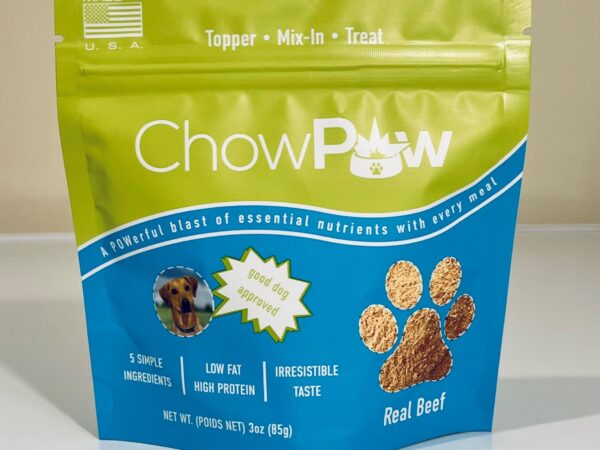 Dog Food Topper - Beef HeartOriginal price was: $14.99.$10.95Current price is: $10.95. - or subscribe and save up to 20%