

What to Feed a Dog with a Sensitive Stomach: A Simple Guide
When your dog’s stomach is acting up, the solution is usually pretty simple: go back to basics. The best foods for a sensitive tummy are easy to digest, low in fat, and made with just a few, simple ingredients. Think of it like comfort food for your pup—things like plain boiled chicken and rice are perfect for getting them through a temporary upset. For a more permanent fix, commercial foods with limited ingredients are often the best choice.
Understanding Your Dog’s Sensitive Stomach
It’s tough to watch your best friend when they’re not feeling well. If you’re seeing frequent gas, loose stools, or the occasional vomiting, you’re likely dealing with a sensitive stomach. This isn’t a specific disease, but more of a heads-up that their digestive system gets thrown off balance easily—kind of like a person who can’t handle super rich or spicy meals.
Picture your dog’s gut as a finely-tuned machine. When all the parts are working together, everything runs smoothly. But if one little thing is off, the whole system can get out of whack, leading to those uncomfortable symptoms. Pinpointing what’s causing the disruption is your first step toward getting them back on track.
Common Triggers for Digestive Upset
A dog’s stomach can be thrown for a loop for all sorts of reasons, from what’s in their bowl to how they eat it. You’ll need to put on your detective hat to figure out the cause. Some of the usual suspects include:
- Sudden Diet Changes: Switching your dog’s food too quickly can be a shock to their system. The good bacteria in their gut need time to adjust to new ingredients.
- Food Intolerances or Allergies: Yep, dogs get them too! They can have reactions to certain proteins or grains that just don’t agree with them. In fact, studies suggest that roughly 8% of dogs have food allergies that mess with their digestion.
- Eating Too Fast: If your dog gulps down their food, they’re also swallowing a lot of air. That can lead to gas, bloating, and even throwing it all back up.
- Stress and Anxiety: A worried mind can lead to a worried gut. Emotional stress can directly impact a dog’s digestive tract, sometimes causing an upset stomach or diarrhea.
Temporary Issue or Long-Term Sensitivity?
It’s really important to know if you’re dealing with a one-off problem or a more long-term issue. A single bad day might just mean they got into something they shouldn’t have (hello, trash can!). But if these symptoms are a regular occurrence, it points to an ongoing sensitivity that needs a closer look.
A huge clue to your dog’s digestive health is what’s coming out the other end. You can learn a ton just by paying attention to their poop! For a little help, check out our guide, The Scoop on Poop: Your Dog’s Digestive Health Report Card, to see what you should be looking for.
Knowing the difference helps you figure out what to do next. A temporary upset can often be fixed with a bland diet for a day or two. But if it’s a chronic problem, it’s probably time to explore long-term food options, ideally with some guidance from your vet. This is the first step toward a happier gut and a happier dog.
The Best Ingredients for a Calm Tummy
When you’re trying to figure out what to feed a dog with a sensitive stomach, think of their food bowl as a peace treaty for their gut. The goal is to choose ingredients that are gentle, nourishing, and easy for their body to process. This helps avoid flare-ups and keeps them feeling their best.
Getting comfortable reading dog food labels is the first step toward achieving that digestive harmony.
This isn’t just about dodging bad ingredients; it’s about actively choosing beneficial ones. The right mix of proteins, carbs, and gut-supporting nutrients can make a world of difference for a dog prone to digestive upset.
Gentle Proteins and Soothing Carbs
The foundation of any good diet for a sensitive pup starts with a high-quality protein source. You’ll want to stick with lean, easily digestible options that provide those essential amino acids without putting a heavy load on their system.
- Lean Proteins: Think boiled chicken, turkey, or white fish. These are often very well-tolerated and give your dog the building blocks for a healthy body.
- Soothing Carbohydrates: Easily digestible carbs like plain pumpkin, sweet potatoes, or white rice provide energy and, just as importantly, soluble fiber.
Fiber is a true superstar for digestive health. It helps firm up loose stools by soaking up excess water and can also add bulk to prevent constipation, promoting great overall regularity. To get a deeper understanding of its impact, you can learn more about the benefits of fiber for canine digestion in our detailed guide.
The Gut’s Best Friends: Prebiotics and Probiotics
Inside your dog’s gut is a bustling community of bacteria—some good, some bad. This whole community is called the gut microbiome, and it’s absolutely crucial for good digestion. Prebiotics and probiotics are the key to keeping this community thriving with good bacteria.
Probiotics are the “good bacteria” themselves, helping to maintain a healthy balance in the gut. Prebiotics, on the other hand, are the food that nourishes these beneficial bacteria, helping them flourish. Simple ingredients like pumpkin and carrots can act as wonderful natural prebiotics.
A balanced gut microbiome is the cornerstone of digestive wellness. When the good bacteria are in charge, it helps keep inflammation down, improves nutrient absorption, and supports a strong immune system.
To make things a bit clearer, here’s a quick-reference table of the top foods that can help soothe a sensitive digestive system.
Top Foods for Dogs with Sensitive Stomachs
| Food Component | Examples | Primary Benefit |
|---|---|---|
| Lean Protein | Boiled Chicken, Turkey, White Fish | Easily digestible, provides essential amino acids without stressing the gut. |
| Simple Carbs | White Rice, Oatmeal | Provides a quick source of energy that is gentle on the stomach. |
| Soluble Fiber | Pumpkin, Sweet Potato | Helps regulate bowel movements by absorbing water and firming up stool. |
| Probiotics | Yogurt (plain, unsweetened), Fermented Foods | Introduces beneficial bacteria to support a healthy gut microbiome. |
| Prebiotics | Carrots, Asparagus, Bananas | Feeds the good bacteria in the gut, helping them thrive. |
This table isn’t exhaustive, of course, but it gives you a solid starting point for building a diet that works with your dog’s system, not against it.
What to Avoid on the Ingredient List
Just as important as what you add to their bowl is what you leave out. Many commercial dog foods contain irritants that can be a trigger for a sensitive stomach. Always be on the lookout for:
- Artificial Fillers: Ingredients like corn, wheat, and soy are common allergens and can be tough for some dogs to digest.
- Excessive Fat: High-fat foods can be hard on the pancreas and often lead to gastrointestinal upset.
- Vague Ingredients: Watch out for terms like “meat by-products” or “animal digest.” These are red flags. You always want to see named protein sources.
The growing awareness among pet owners has fueled a massive demand for specialized diets. In fact, the digestive health dog food market is projected to reach an estimated value of $9 billion by 2033. This is a testament to how many owners are wisely investing in their dog’s gut health.
By choosing foods with simple, high-quality ingredients, you’re actively supporting your dog’s long-term comfort and well-being.
How to Choose the Right Commercial Dog Food
Walking down the pet food aisle can feel like a pop quiz you didn’t study for. With so many bags, cans, and claims, trying to find the best food for a dog with a sensitive stomach can be overwhelming. The secret is to cut through the noise and focus on what really matters: simple, high-quality ingredients.
This isn’t about finding some magical formula. It’s about learning to read labels with a detective’s eye. Once you understand a few key types of diets and what to look for, you can confidently pick a food that will help your dog feel their best.
The Power of Limited Ingredient Diets
One of the best strategies for managing a tricky gut is to go with a Limited Ingredient Diet (LID). Think of it this way: if you don’t know what’s causing the upset, the easiest way to figure it out is to remove as many potential suspects as possible. That’s exactly what LIDs do.
These diets usually stick to a single source of animal protein (like salmon or turkey) and one easily digestible carbohydrate (like sweet potato). This minimalist philosophy has two huge advantages:
- Reduces Irritation: Fewer ingredients mean fewer chances for something to disagree with your dog’s system.
- Identifies Triggers: If you suspect a food intolerance, LIDs make it much easier to pinpoint the problem ingredient through a process of elimination.
This approach gives your dog’s digestive tract a much-needed break, allowing it to function more calmly and do its job without working overtime.
Reading Labels Like an Expert
The ingredient list on a bag of dog food is your roadmap. Ingredients are always listed by weight, so whatever you see first is what makes up most of the food. You want to see whole, recognizable ingredients right at the top.
A quality food will always list a specific, named protein first, like “deboned chicken” or “lamb meal.” If you see vague terms like “meat by-products” or “animal digest,” consider it a red flag. Those lower-quality formulas can be really tough on a sensitive system.
Just as important is what isn’t on the list. When you’re choosing a food for a dog with a sensitive stomach, you want to avoid fillers, artificial colors, and preservatives. These additives bring zero nutritional value to the bowl and can be major triggers for digestive upset.
Hypoallergenic and Prescription Options
For dogs with more severe sensitivities or confirmed allergies, your vet might recommend moving on to a hypoallergenic or prescription diet. Hypoallergenic foods often use “novel” proteins—ones your dog probably hasn’t eaten before, like duck or venison. Others use hydrolyzed proteins, which are broken down into such tiny pieces that the immune system doesn’t even recognize them as potential allergens.
This corner of the pet food world is growing fast. The global hypoallergenic dog food market is projected to hit $25,040 million by 2035, which shows just how many pet parents are turning to these premium, clean-label diets. You can explore the full market analysis on Fact.MR to see how the trend is shaping up.
Prescription diets are the gold standard for complex digestive issues and are only available through a veterinarian. They are precisely formulated to manage specific medical conditions, offering targeted nutritional support you can’t get off the shelf.
Boosting Meals with Toppers and Homemade Food
When your dog’s gut is acting up, taking direct control of their food can feel like a game-changer. For many of us, this means looking into homemade diets or finding simple ways to supercharge their current meals. Both are great ways to give your pup some much-needed relief.
A homemade diet gives you the ultimate say over every single ingredient, which is perfect when you’re trying to pinpoint what’s bothering your dog’s stomach. But be careful—creating a nutritionally complete meal from scratch isn’t just cooking; it’s a science. It takes careful planning to make sure you’re not accidentally creating nutritional gaps. For short-term tummy troubles, a simple, vet-approved bland diet of boiled chicken and plain white rice can work wonders to get things settled down.
If you’re thinking about a permanent switch to homemade food, always talk to your veterinarian or a canine nutritionist first. They can help you build a recipe that covers all of your dog’s specific needs, ensuring they get the right mix of proteins, fats, vitamins, and minerals for the long haul.
Getting the Best of Both Worlds with Nutritional Toppers
If becoming a full-time dog food chef feels like a bit much, don’t worry. There’s a much simpler—but still incredibly effective—way to support your dog’s digestion: a nutritional topper. This lets you stick with your dog’s current food while adding a concentrated blast of gut-friendly support right on top.
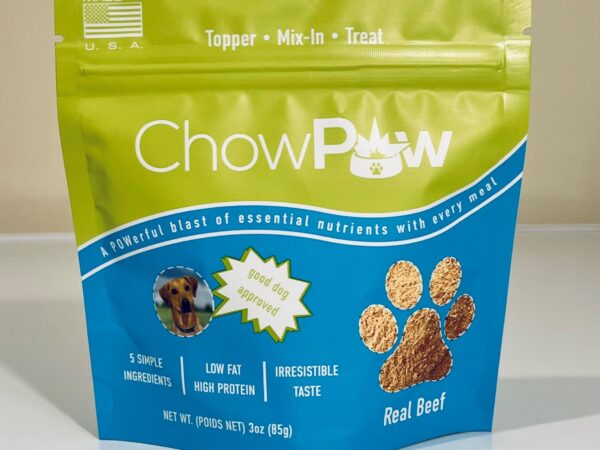
This is exactly where ChowPow comes in. Our formula was created to be a simple, powerful meal enhancer. Just by sprinkling a scoop onto their food, you’re adding a potent blend of digestive enzymes and targeted nutrients that help their system break down meals more efficiently and pull more goodness from every bite. To get a deeper look at how this works, check out our article on the power of toppers for dogs with sensitive stomachs.
ChowPow is the perfect bridge between regular kibble and specialized digestive care. It lets you keep the food your dog knows and loves while adding the specific gut-friendly ingredients they need to feel their best. It’s a win-win.
This simple flow chart gives you a great visual for how to approach your dog’s diet when they have a sensitive stomach.
The main takeaway here is that improving your dog’s diet is a journey. It starts with getting some professional advice and can end with something as simple and effective as a daily nutritional boost.
Making the Right Choice for Your Dog
The “pets are family” mindset has truly changed how we think about what goes into their bowls. We’re more tuned in than ever to the link between food and health. In fact, around 60% of dog owners now actively look for specific health benefits when they buy pet food. That shows a real demand for functional ingredients that can support a happy gut.
So whether you choose a carefully planned homemade diet or the simple addition of a topper like ChowPow, you’re taking a fantastic step toward better digestive health for your best friend. You’re giving them the support they need for a comfortable, happy life.
Mastering the Switch to a New Food
So, you’ve found a new food that you think will be perfect for your dog’s sensitive stomach. That’s a huge step! But just plopping a bowl of the new stuff down can be a recipe for disaster. Think of your dog’s gut as a delicate ecosystem; a sudden, drastic change can throw everything out of whack.
A quick switch can easily shock their digestive system, leading to the exact tummy troubles—like gas, bloating, or diarrhea—you’re trying so desperately to solve. The secret to success isn’t just what you feed, but how you introduce it.
The Gentle Transition Plan
The key is to give the good bacteria in your dog’s gut time to get used to the new ingredients. A slow and steady approach is your best friend here.
A 7 to 10-day transition period is the gold standard for safely making the switch. This timeframe lets your dog’s digestive system adjust without getting overwhelmed. You’ll be mixing the new food with their old food, gradually increasing the amount of the new stuff each day. It’s a simple, seamless way to make the change without upsetting their stomach.
To make it even easier, here’s a sample schedule you can follow. This plan helps gently guide your dog’s system from their old food to the new one over seven days.
7-Day Food Transition Schedule for Sensitive Dogs
| Day | Percentage of New Food | Percentage of Old Food |
|---|---|---|
| 1 | 25% | 75% |
| 2 | 25% | 75% |
| 3 | 50% | 50% |
| 4 | 50% | 50% |
| 5 | 75% | 25% |
| 6 | 75% | 25% |
| 7 | 100% | 0% |
Remember, this is just a guideline. You know your dog best. If they’re extra sensitive, feel free to stretch this schedule out over 10 days or even longer.
The Golden Rule of Food Transition: Go slow and observe. Your dog’s reaction is the best indicator of whether the pace is right. If you see any signs of digestive upset, simply take a step back and slow the process down even more.
Watching for Warning Signs
During this transition period, you need to put on your detective hat. Pay close attention to your dog’s appetite, their energy levels, and—most importantly—their poop. A few minor changes can be totally normal, but keep an eye out for anything that seems off.
If you notice persistent loose stools, a sudden lack of interest in their food, or if they seem unusually tired, that’s a clear signal to hit pause. Just go back to the previous food ratio for a few days until their system calms down. This gentle, responsive method ensures their journey to a healthier, tummy-friendly diet is a positive and comfortable experience from start to finish.
Supercharge Your Dog’s Digestion with ChowPow
You’ve put in the work to find the perfect diet for your dog, but what if you could give their gut an extra boost? This is where ChowPow comes in. It’s a simple yet powerful nutritional topper that supercharges their meals and provides targeted support right where it’s needed most.
A topper isn’t a food replacement; it’s a dedicated digestive health partner for your dog. A high-quality one like ChowPow can turn any meal—whether it’s premium kibble or a carefully prepared homemade diet—into a gut-soothing powerhouse.
Why ChowPow is the Perfect Partner for Your Dog’s Food
A great topper does a lot more than just add a little flavor. ChowPow was specifically designed as a functional boost, delivering key ingredients that actively support the whole digestive process. Every single scoop is packed with a focused blend of components that work together to create a healthier gut environment.
This simple addition is one of the easiest answers to the question of what to feed a dog with a sensitive stomach. Why? Because it enhances the food they already do well on. It’s all about improving how their body processes that food so they can get the most nutrition out of every bite.
Think of ChowPow as your dog’s personal digestive support team. It provides the tools their gut needs to break down food efficiently, absorb more nutrients, and maintain a harmonious balance, which naturally leads to fewer tummy troubles.
The ChowPow Advantage: What’s Inside Matters
Each scoop of ChowPow contains a potent mix built for optimal gut health. It’s a completely effortless way to help knock down common issues like gas, bloating, and unpredictable stools. This gives you peace of mind and gives your dog the foundation for a vibrant, comfortable life.
Here’s what makes ChowPow so effective:
- Prebiotics: These are essentially food for the good bacteria already living in your dog’s gut, helping them thrive and multiply. A healthy colony of good bacteria is the first line of defense against digestive upset.
- Probiotics: These are the beneficial bacteria themselves. Adding them to the mix helps maintain a healthy, balanced gut microbiome, which is essential for smooth digestion.
- Digestive Enzymes: These little helpers are crucial for breaking down fats, proteins, and carbs, making sure your dog gets every last bit of nutritional value from their food.
By simply sprinkling ChowPow onto their existing meal, you’re providing comprehensive support that makes every bite easier to digest. You can learn more about how to give your dog this digestive edge by visiting ChowPowNow.com.
Got Questions About Your Dog’s Sensitive Tummy?
When you’re trying to figure out what to feed a dog with a sensitive stomach, it’s natural to have a million questions pop into your head. It can feel a little overwhelming, but you’re not alone. We’re here to tackle some of the most common concerns we hear from dog parents just like you.
How Quickly Will I See a Change?
This is the big one, right? You might see some quick wins, like less gas or firmer stools, within just a few days of switching to a more agreeable diet. That’s a great sign!
But for the more stubborn, long-term tummy troubles, you’ll need a bit more patience. It can take several weeks for their digestive system to truly calm down, adapt, and begin to heal. Consistency is your best friend here. Before you make a final call on whether a new food is working, give it a fair shot—at least 4 to 6 weeks.
Can My Sensitive Dog Have Treats?
Yes, they absolutely can! You just have to be a bit of a detective when choosing them. The safest bet is to stick with single-ingredient or limited-ingredient treats that look a lot like what’s in their main meal.
Steer clear of treats loaded with artificial junk, mystery fillers, or common culprits like wheat or soy. Think simple: small pieces of boiled chicken, a few carrot sticks, or commercial treats made specifically for sensitive pups are all solid choices. Just remember to introduce any new treat by itself so you can easily spot a reaction if one occurs.
Is Grain-Free a Better Option?
Not necessarily. While it’s true that some dogs have a hard time with grains like wheat or corn, plenty of others do perfectly fine with high-quality, easily digestible grains like rice. The term “grain-free” doesn’t automatically mean “better.”
What truly matters is the overall quality and digestibility of all the ingredients in the bag. A well-made, limited-ingredient diet that includes a single, quality grain source is often a much better choice for a sensitive dog than a poorly formulated grain-free food packed with other potential irritants.
Ready to give your dog the ultimate digestive support? Add a scoop of ChowPow to their next meal. It’s the easiest way to turn their food into a gut-friendly powerhouse. Visit https://chowpownow.com to learn more.
-
Product on sale
 Dog Food Topper - Beef HeartOriginal price was: $14.99.$10.95Current price is: $10.95. - or subscribe and save up to 20%