
Dog Has Diarrhea and Vomiting: A Practical Care Guide
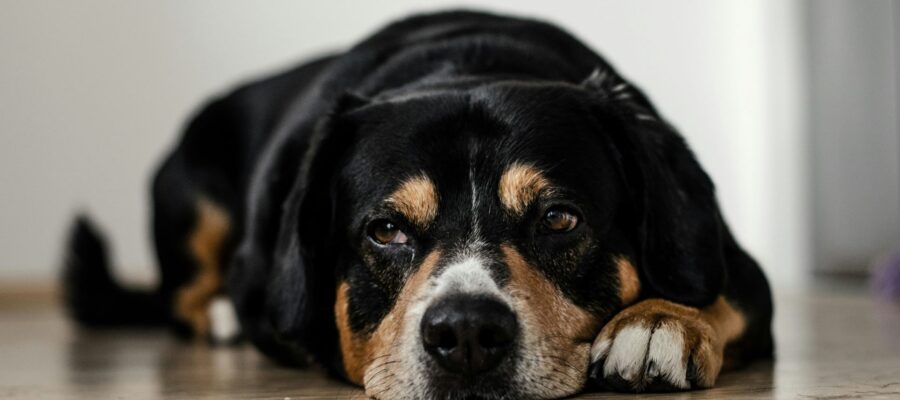
You walk into the kitchen half awake, and your dog looks up at you with that guilty, miserable face. There's a puddle on the floor, loose stool by the door, and suddenly your mind goes straight to the worst-case scenario. If your dog has diarrhea and vomiting at the same time, it's alarming. I've been there, and the hardest part is staying calm long enough to figure out what matters first.
Most stomach upsets pass with careful home care, but some don't. The key is to sort out the urgent signs, protect your dog from dehydration, and ease food back in gently once their stomach settles. That sounds simple, but when you're cleaning up a mess and your dog won't eat, it's easy to second-guess every step.
A Messy Situation What To Do First
The first job is simple. Pause and observe before you react. When a dog has diarrhea and vomiting, owners often rush to offer treats, change foods, or give random home remedies. That can make things worse if the stomach is already irritated.
Look at your dog, not just the mess. Are they alert? Do they come when you call? Are they able to walk normally? A dog who feels lousy but still responds to you is different from a dog who seems weak, glazed over, or painful.
Start with these practical steps:
- Move your dog to an easy-to-clean area. This helps you keep track of any new vomiting or diarrhea.
- Pick up access to food for the moment. A short break can help a churned-up stomach settle.
- Leave fresh water available. Small sips matter more than a big gulp.
- Check the environment. Look for chewed wrappers, tipped trash, missing socks, or anything unusual they may have eaten.
- Clean up and save your energy. If you're also dealing with pet messes elsewhere in the house, this guide on how to clean cat vomit from carpet is surprisingly useful for the same kind of stain-and-odor problem.
First priority: Your dog needs a calm human more than a panicked one.
If you like being prepared for moments like this, keep basic supplies together ahead of time. A simple dog emergency kit checklist can save you from scrambling for towels, gloves, or a thermometer when your dog is already sick.
What confuses a lot of people is the word “temporary.” A stomach bug can be temporary. Eating greasy leftovers can be temporary. Swallowing part of a toy is not temporary. That's why the next step isn't treatment. It's triage.
Immediate Triage When To Call The Vet
Before you settle into home care, decide whether your dog is stable enough to be watched at home. Some signs mean you shouldn't wait.

Red flags that mean go now
Call your vet or an emergency clinic right away if you notice any of these:
- Blood or very dark material. Blood in vomit or stool, or stool that looks black and tarry, needs prompt attention.
- Repeated vomiting. If your dog keeps trying to vomit and can't stop, they can get weak fast.
- Retching with nothing coming up. This can point to a dangerous blockage or severe stomach problem.
- Marked weakness. If your dog is limp, unusually sleepy, wobbly, or hard to rouse, don't wait.
- Belly pain or swelling. A tense stomach, whining when touched, pacing, or a bloated look can signal a more serious issue.
- Possible toxin exposure. Chocolate, xylitol products, medications, household chemicals, and some plants all raise the stakes.
- Higher-risk dogs. Puppies, seniors, and dogs with chronic illness have less room for fluid loss and stress.
One point that gets missed a lot is how your dog acts between episodes. A dog who vomits once and then wants to follow you around is one picture. A dog who stares into space, won't stand up, and refuses water is another.
What to do if your dog seems stable
If none of those red flags are present, home triage usually starts with rest and observation.
- Remove food briefly. This gives the stomach a chance to stop reacting to every swallow.
- Offer water in small amounts. Big gulps can trigger more vomiting.
- Watch the pattern. Note when your dog vomits, what the stool looks like, and whether they perk up or fade.
- Keep them quiet. Rough play, treats, and car rides can all stir the stomach back up.
If your dog seems “off” in a way you can't quite explain, trust that feeling and call your vet.
Dehydration is the part owners often underestimate because it can creep up while they're focused on the vomiting or the diarrhea itself. If you're not sure what to look for, review these common signs of dehydration in dogs so you can judge the situation more clearly.
A useful home rule
Home care is for the dog who is uncomfortable but still reasonably bright, able to keep down tiny amounts of water, and not showing signs of pain, collapse, or poisoning. If your dog slips out of that category, switch from monitoring to calling.
Managing Hydration And A Bland Diet
Once you've ruled out an immediate emergency, two things matter most. Fluids first, food second. Dogs can miss a meal more safely than they can lose too much water.

How to help your dog drink without upsetting the stomach
A thirsty dog may drink too fast, then bring it right back up. That's why slow, steady hydration works better than filling a giant bowl and hoping for the best.
Try this:
- Offer small sips often. A few laps at a time are easier on the stomach.
- Use ice chips if needed. Some dogs tolerate licking ice better than drinking.
- Refresh the water frequently. Sick dogs can become picky about stale or warm water.
- Keep the room calm. Excitement makes gulping more likely.
If your dog vomits even after tiny sips, that's a sign to call the vet. Water should help, not restart the cycle.
Why a short food break helps
Food stimulates the stomach and intestines to keep working. That's fine when the system is healthy. It's not fine when everything is inflamed and moving too fast.
A short rest from food can reduce nausea and give the gut time to settle. Owners sometimes worry they're being cruel by not feeding right away, but in the short term it can be kinder than asking an upset stomach to handle a meal.
Practical rule: Don't rush food back in just because your dog looks hungry. Hunger can return before the stomach is ready.
When you do bring food back, keep it plain, soft, and boring. Rich food, fatty treats, and sudden switches can undo your progress. If you want a fuller walkthrough, this guide to a bland diet for dogs lays out the basics in a simple format.
Safe Bland Diet Foods for Dogs
| Food Item | Preparation | Notes |
|---|---|---|
| Plain chicken | Boiled, skinless, unseasoned, shredded | Easy to digest when served plain |
| White rice | Cooked soft in plain water | Often paired with lean protein for a gentle meal |
| Plain turkey | Boiled or baked, no skin or seasoning | Use only if very lean and simply prepared |
| Plain pumpkin | Pure pumpkin only, not pie filling | A small amount may help firm stool for some dogs |
| Plain scrambled egg | Cooked without butter, oil, or seasoning | Best used in small portions if tolerated |
| Boiled potato | Plain, peeled, soft, no butter or salt | Mild and filling, but keep portions modest |
How to reintroduce food
Start with a small amount. Then wait and watch. If your dog keeps it down and doesn't rush back outside with urgent diarrhea, you can offer another small meal later.
A lot of owners get stuck here because they expect one bland meal to fix everything. Recovery usually looks uneven. Your dog may seem interested in food, then walk away. They may eat a little and need more time before the next meal. That's normal.
Use these guidelines:
- Keep meals small. Smaller portions put less strain on the gut.
- Feed more often, not heavier. Gentle repetition is easier than one large serving.
- Skip extras. No chews, table scraps, or training treats during recovery.
- Watch the response. Appetite, stool quality, energy, and comfort tell you more than the clock.
If symptoms return as soon as food comes back, stop experimenting and call your veterinarian.
Boosting Recovery And Encouraging Appetite
The hardest stretch often comes after the worst of the vomiting stops. Your dog seems a bit brighter, the diarrhea is easing, and yet they still turn their head away from the bowl. That can worry owners more than the first messy night.
Loss of appetite after a stomach upset makes sense. Dogs can connect food with nausea. Their belly may still feel tender, and dry kibble can seem unappealing after a rough day or two.
Why appetite can lag behind recovery
Dogs don't always bounce back in a straight line. The stomach may be calmer, but the desire to eat can stay low for a while. That matters because healing takes energy, protein, and regular nourishment.
A picky phase after illness can create a second problem. The dog feels weak because they're not eating well, then they eat even less because they feel weak. Breaking that cycle usually depends on making regular food smell better, taste better, and feel easier to accept.

A gentle way back to normal meals
Instead of flipping straight from bland food to a full bowl of plain kibble, transition slowly. Mix a small amount of your dog's usual food into the bland diet and increase it over time if they stay comfortable.
What helps most here is not replacing the main meal. It's enhancing it.
A meal topper can be useful during recovery because it adds aroma and taste without forcing a major food change. That's especially helpful for dogs who've become suspicious of food after vomiting. The topper changes the eating experience while letting you keep the base diet steady.
Here's why that matters:
- Stronger smell can trigger interest. Dogs often decide whether food is worth eating by scent before taste.
- Small changes are easier on the gut. A topper can support intake without a complete diet overhaul.
- Nutritional support helps recovery. When a dog finally starts eating again, every bite matters more.
A dog recovering from stomach upset doesn't always need a brand-new diet. Often they need a reason to eat the food their body can already handle.
If your dog accepts food better when it's lightly moistened, warmed a bit, or topped with something flavorful, that's not “spoiling” them. It's practical recovery support. The key is keeping changes simple and intentional.
What not to do during the comeback phase
Owners sometimes sabotage recovery by getting impatient.
- Don't pile on treats. Rich rewards can restart stomach trouble.
- Don't rotate foods rapidly. Too many changes make it hard to tell what's helping.
- Don't force-feed unless your vet tells you to. That can create more stress around meals.
- Don't ignore a flat appetite. If your dog still won't eat, your vet needs to know.
A dog who eats less for a short while may just need time. A dog who keeps refusing food, seems nauseated, or backslides needs a professional check.
Common Causes And What To Expect At The Vet
Once the floor is clean and your dog is resting, the next question is obvious. Why did this happen? Sometimes the answer is simple. Sometimes it isn't.

Common causes that range from mild to serious
A lot of dogs get sick because they ate something they shouldn't have. Trash, greasy leftovers, table scraps, spoiled food, mulch, and random things found on walks are classic triggers. Owners often call this “garbage gut,” and it fits more cases than people realize.
Other possibilities include:
- Parasites. These are more likely if your dog has exposure to contaminated soil, feces, wildlife, or standing water.
- Infections. Viral or bacterial illness can irritate the digestive tract and cause fast fluid loss.
- Food sensitivity. Some dogs react poorly to a new treat, sudden diet switch, or certain ingredients.
- Pancreatitis or organ-related illness. These usually come with a dog that seems more miserable overall.
- Foreign body blockage. Socks, bones, toy parts, corncobs, and similar items can partly or fully obstruct the gut.
One thing that throws owners off is that very different problems can look similar at the start. A minor scavenging mistake and a dangerous blockage can both begin with vomiting and loose stool. That's why pattern, pain, and behavior matter so much.
What the vet is trying to figure out
Your veterinarian is sorting through a short list of big questions. Is this irritation, infection, inflammation, or obstruction? Is your dog mainly uncomfortable, or are they becoming dehydrated and systemically unwell?
At the visit, the vet may ask:
- What did your dog get into
- When did the vomiting start
- What does the stool look like
- Is your dog drinking and urinating
- Have there been recent food changes
- Any chance of toxin exposure
Bring useful details if you can. A photo of the vomit or stool can help more than a vague description. So can a list of anything your dog may have eaten.
Here's a helpful overview of the kind of veterinary thinking that goes into digestive cases:
Tests and treatments that are commonly used
A fecal test can look for parasites or clues from the stool itself. Blood work helps the vet assess hydration, organ stress, and the bigger picture inside the body. X-rays may be used if a blockage, swallowed object, or unusual abdominal shape is a concern.
Treatment depends on the cause and the severity. Some dogs need fluids, anti-nausea medication, gut-soothing support, or a prescription diet. Others need more urgent intervention because the problem isn't “just an upset stomach.”
The vet visit isn't only about stopping the vomiting. It's about making sure you're not missing the reason behind it.
That usually feels less scary once you understand what the tests are for. They're not random. Each one helps narrow down what your dog's body is struggling with.
Prevention And Supporting Long Term Gut Health
One rough stomach episode can be bad luck. Repeated episodes usually mean your dog needs more support and more consistency.
Long-term gut care starts with boring habits, and boring habits work. Keep trash secured. Don't switch foods abruptly. Be cautious with fatty leftovers and unfamiliar treats. If your dog is a scavenger outside, supervise more closely than you think you need to.
Habits that protect the gut over time
A resilient digestive system usually comes from routine rather than rescue.
- Keep meals consistent. Dogs with sensitive stomachs often do better when the core diet stays stable.
- Change food gradually. Slow transitions give the gut time to adjust.
- Limit risky extras. Human foods, rich chews, and surprise snacks cause more trouble than owners expect.
- Stay current on preventive care. Parasite control and regular veterinary check-ins matter for gut health too.
Why nutrition support matters after the crisis
Dogs recovering from illness, senior dogs, and picky eaters often need more than “just eat your kibble.” Their bodies benefit from meals that are both steady and appealing. Nutrient-dense meal support can help maintain appetite, make regular food more inviting, and reinforce daily nutrition without replacing the base diet.
That last point matters. A topper or supplement should boost what your dog already eats, not become a substitute for a balanced main food unless your vet directs otherwise. The best long-term plan is usually simple: dependable meals, fewer digestive surprises, and smart nutritional support when your dog needs a little extra help.
If your dog has diarrhea and vomiting once, think triage. If it keeps happening, think pattern. Patterns are what help you prevent the next episode instead of just surviving it.
If your dog is recovering, eating less than usual, or just needs extra encouragement at mealtime, ChowPow is an easy way to boost the nutritional value of their current food without replacing it. It's a meal enhancer made to sprinkle over kibble or bland meals, so you can support appetite and add gentle, nutrient-dense value when every bite counts.
-
Product on sale
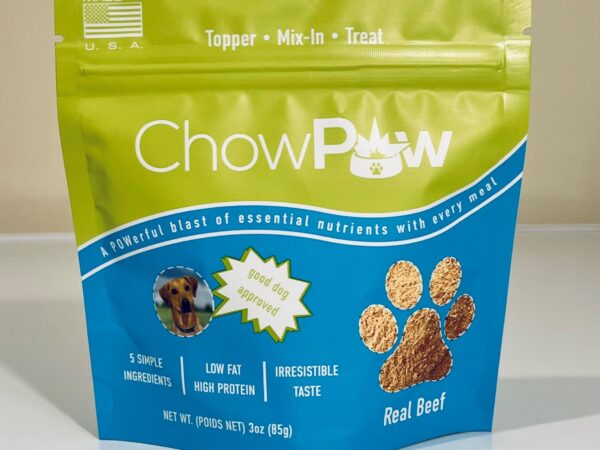 Dog Food Topper - Beef HeartOriginal price was: $14.99.$10.95Current price is: $10.95. - or subscribe and save up to 20%