
Dog Powder Supplement: A Guide to Boosting Your Pup’s Bowl
Some nights, you set down a bowl of kibble and wait. Your dog sniffs it, looks at you, and walks away. If you live with a picky eater, a senior dog, or a dog coming back from illness, that moment can feel bigger than it looks. You're not just dealing with a missed meal. You're wondering whether your dog is getting enough nutrition, enough energy, and enough support.
That's where a dog powder supplement can make sense. Not as a replacement for your dog's main food, and not as a magic fix. Think of it more like a meal enhancer that helps ordinary food do a better job. A well-made powder can improve flavor, add concentrated nutrients, and make the bowl more inviting without forcing you to overhaul your dog's whole diet.
Why Your Dog's Kibble Might Need a Boost
A lot of owners start looking at toppers after the same pattern repeats for days. Their dog used to eat with no fuss. Then age, stress, recovery, boredom, or dental sensitivity changes things. Dry food that once worked fine suddenly feels hard to finish or easy to ignore.

A powder topper helps because it works with the food you already feed. You sprinkle it on, mix it in, or stir it with a little water. Instead of replacing kibble, you're upgrading it. That matters because most dogs still need their regular complete diet as the foundation of the bowl.
When the problem is not the whole diet
Sometimes the issue isn't that the kibble is “bad.” It's that your dog needs a little more help to engage with it. A stronger aroma can spark appetite. A softer texture can make eating easier. Added nutrient density can support dogs whose needs have changed.
Practical rule: A supplement should make the main meal more useful, not push it out of the bowl.
This is also much more common than many owners realize. According to a large-scale study, approximately 52% of dogs in the United States are regularly given some form of dietary supplement, which shows supplement use is mainstream rather than unusual (Dog Aging Project discussion).
Why owners turn to powders
Owners usually reach for a powder when they want one or more of these things:
- Better meal interest: A topper can make a plain bowl smell and taste more appealing.
- Gentler support: Powders are easy to mix into kibble, wet food, or water.
- Targeted nutrition: Many people use supplements to support digestion, coat quality, or joint comfort.
- Consistency: If your dog already eats meals, adding something to the bowl can be easier than introducing a separate routine.
That's the primary role of a product like this. It's not a meal swap. It's a boost.
What Exactly Is a Dog Powder Supplement
A dog powder supplement is a concentrated powder you add to your dog's food to increase flavor, nutritional density, or functional support. The simplest way to think about it is this: it's like a nutrient-packed seasoning for the bowl. You're not changing dinner into something else. You're making the meal already there more useful and more appealing.
That distinction matters. A powder supplement isn't meant to stand in for a balanced daily diet. It sits on top of that diet and adds something the base meal may not provide enough of, or makes the food easier for your dog to accept.
Powder compared with soft chews
The format changes how a supplement is used and what gets into the dog. Some owners prefer chews because they look convenient. But powders have some practical advantages, especially for dogs who reject treat-like products or need a supplement mixed directly into food.
According to independent testing, powder supplements achieve a 100% acceptance rate when mixed into food, while soft chews average 85% acceptance. The same source states that powders deliver 100% active ingredients, while comparable soft chews may contain only 44% active ingredients (pet powder supplement market analysis).
| Attribute | Powder Supplements (like ChowPow) | Soft Chews |
|---|---|---|
| How they're given | Mixed into food | Offered like a treat |
| Acceptance | 100% acceptance when mixed into food | 85% acceptance on average |
| Active ingredient share | 100% active ingredients | 44% active ingredients in comparable products |
| Good fit for picky eaters | Often yes, because it blends into the meal | Sometimes no, if the dog rejects the chew |
| Role in feeding | Meal enhancement | Separate supplement format |
Why form matters in daily life
If your dog already has a meal routine, powder can feel more natural. You aren't asking them to do something extra. You're just improving what's already in the bowl. That's especially helpful when your dog is suspicious of tablets, ignores chews, or needs a topper that can also be mixed with water.
If you want a practical look at storage and handling, ChowPow's guide to meat powder freshness and FAQs walks through the questions owners usually have once they start using this format.
A useful powder should disappear into the feeding routine, not turn mealtime into another struggle.
Decoding the Label Powerful Ingredients to Look For
The front of the bag tells a story. The ingredient panel tells the truth. If you want to choose a better powder, start there.
A strong label usually gives you recognizable ingredients and a clear reason they're included. Instead of looking for a long list of buzzwords, look for ingredients that do a specific job in the bowl.

Nutrient-dense animal ingredients
A meat-based powder often works well because dogs usually respond to smell first. One standout example is beef heart. Despite the name, beef heart is technically classified as muscle meat rather than organ meat, which is one reason many owners like it as a daily meal enhancer. It provides high-quality protein, taurine, and B vitamins without carrying the same vitamin A concern associated with feeding too much liver (beef heart explainer).
That makes a beef heart powder easier to understand. You're adding a concentrated meat ingredient with a clear nutritional role, not a mystery blend of vague “animal by-products.”
Gut support ingredients
Digestive support often shows up on labels as probiotics, prebiotics, or antioxidant-rich blends. These terms can blur together, so here's the simple version:
- Probiotics are beneficial microbes.
- Prebiotics feed those beneficial microbes.
- Antioxidant-rich supporting ingredients may help shape the gut environment.
One published study found that specific antioxidant-rich powder supplements induced a measurable shift in the canine gut microbiome within four weeks, increasing beneficial genera such as Bifidobacterium and Lactobacillus without disrupting overall microbiome diversity (canine microbiome study).
That doesn't mean every powder will do the same thing. It does mean the ingredient category deserves attention. If a product claims digestive support, the label should show you what is providing it.
Keep the label readable
When I scan a powder label, I look for a few simple signals:
- Named ingredients: Beef heart is clearer than “meat blend.”
- Functional purpose: If it says gut support, can you identify the probiotic or prebiotic ingredients?
- No filler fog: The more time you spend decoding the label, the less transparent it probably is.
If you're comparing meat-based options, this guide to the best protein powder for dogs gives a helpful framework for evaluating ingredient quality and use cases.
Is a Powder Supplement Right for Your Dog
A powder supplement isn't necessary for every dog. Some dogs clean their bowl, maintain weight, and do well on their regular diet alone. But there are a few situations where this format fits naturally.
The picky eater
You shake the kibble bag. Your dog comes over, then loses interest once the bowl is down. That's often less about stubbornness and more about appeal. Dry food can smell flat, especially after a bag has been open for a while. A meat-based powder changes the aroma right away and can make the food more rewarding to start eating.
For these dogs, a supplement works like a bridge. It helps the dog return to the meal they were already supposed to eat.
The senior dog
Older dogs often need softer routines. Their teeth may be more sensitive. Their appetite may be less predictable. Their digestion may be less forgiving. Powder is useful here because you can mix it into kibble with warm water and create a softer, more aromatic meal without changing the whole feeding plan.
This is one place where a product such as ChowPow's natural dog food supplements can fit. It's used as a topper or meal enhancer, not a kibble replacement, which is exactly how many senior dogs do best.
Older dogs often don't need a dramatic diet change. They need a bowl that's easier to enjoy and a little more rewarding to finish.
The recovering dog
Recovery changes appetite. A dog coming back from illness, surgery, or hard physical exertion may eat less enthusiastically even when nutrition matters more than ever. Published research has shown that dietary supplements containing specific amino acids and vitamins reduced heart rate recovery time and biomarkers of muscle damage after physical exercise in working dogs, offering a useful benchmark for energy metabolism and recovery support in dogs that are rebuilding strength (working dog recovery research).
For a home dog in recovery, the lesson is practical. Supportive nutrition can matter, but the dog still has to eat it. Powder helps by making the meal easier to accept.
Smart Dosing and Choosing a Safe Supplement
Many owners spend all their time comparing flavors and almost none looking at processing, testing, and dosing. That's backwards. The front of the package can sound impressive while leaving out the details that matter.

Don't stop at words like natural or raw
“Natural” is appealing, but it doesn't verify purity or label accuracy by itself. A 2025 industry analysis reported that 60% of pet owners prefer natural powders, yet fewer than 15% check for third-party certifications like the NASC seal that help verify contaminant levels and label accuracy (hidden ingredients analysis).
That gap matters because pet supplements can be hard to judge from packaging alone. If a brand talks about clean ingredients, look for evidence that someone outside the company has checked quality standards.
A short video can help you think through supplement safety in a more practical way.
A simple quality checklist
Use this when you compare products:
- Look for third-party verification: Seals and testing statements help you confirm the label matches the contents.
- Check processing transparency: If a company highlights low-heat handling or small-batch production, it should explain what that means.
- Read the full ingredient list: The shorter and clearer the list, the easier it is to evaluate.
- Match the form to the dog: A powder only works if your dog will eat meals with it mixed in.
For store owners or brands trying to present health products more clearly across marketplaces, this overview of Amazon and Walmart ad strategies is useful because it shows how supplement claims need clear framing and trust signals, especially in crowded categories.
Dosing should fit the dog, not the scoop
One scoop for every dog sounds convenient, but it can be misleading. A small dog and a large dog don't have the same needs. Weight matters. Food intake matters. The concentration of the powder matters.
That's why I always tell owners to treat the scoop as a measuring tool, not as the full instruction. Read the serving guidance carefully. Start on the lower end when introducing a new powder. Then watch stool quality, appetite, and meal acceptance.
Key check: If the label makes dosing sound one-size-fits-all, slow down and read more closely.
Your Dog Supplement Questions Answered
Can puppies have a dog powder supplement
Sometimes, but it depends on the product and the puppy. Puppies have different nutritional needs than adult dogs, so check the label and ask your veterinarian before adding anything new.
How long does it take to notice a difference
That depends on why you're using it. Some owners notice improved meal interest quickly because aroma and taste change right away. Other goals, such as digestive support or coat support, usually take more consistent daily use.
Can I mix powder with water or wet food
Yes, in many cases that's one of the easiest ways to use it. Mixing with a little water can help the powder coat kibble better, and wet food can make it even more appealing for picky dogs.
How much is too much
Owners may encounter trouble. A topper should stay a topper. If you're using a meat-based enhancer like beef heart, it should be fed in moderation and make up about 10% of a dog's total dietary intake so you don't create nutrient imbalances or accidentally replace the core diet (beef heart feeding guidance).
What should I look for when shopping online
Look past the headline claims. Read ingredients, feeding directions, and quality statements. If you run a pet retail business or you're curious how stores are starting to organize product guidance more intelligently, AI for pet product stores is an interesting example of how digital tools can help shoppers find products that match real feeding needs instead of just popular keywords.
Can a powder replace my dog's kibble
No. A powder supplement is there to enhance the main diet, not replace it. That's especially important with products designed as toppers. They can add flavor and nutrients, but your dog still needs a complete primary food unless your veterinarian directs otherwise.
If you want a simple way to make your dog's regular meals more appealing and more nutrient-dense, ChowPow is one option to consider. It's a dehydrated beef heart topper made to sprinkle over your dog's current food, mix with water, or use as a meal enhancement for picky eaters, senior dogs, and dogs that need gentle support.
-
Product on sale
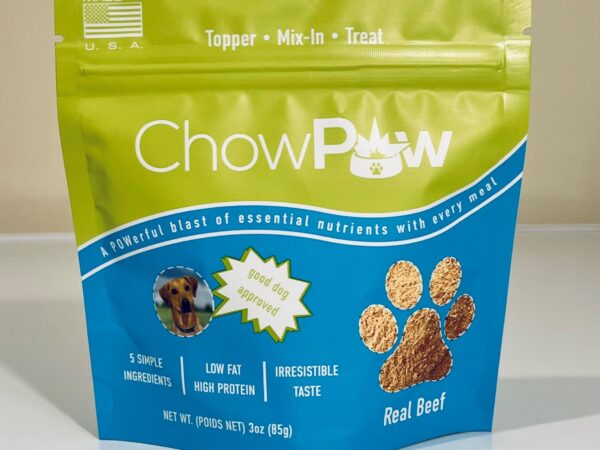 Dog Food Topper - Beef HeartOriginal price was: $14.99.$10.95Current price is: $10.95. - or subscribe and save up to 20%