

Essential Amino Acids for Dogs: A Complete Guide
Just like a house is built brick by brick, your dog's body is built with tiny but powerful materials called amino acids. Think of them as the fundamental 'building blocks' for literally everything—from strong muscles to a shiny coat. They're absolutely critical for your dog's health and energy.
Why Your Dog Needs Nutritional Building Blocks
Imagine your dog's body is a bustling construction site. Every single day, projects are underway: repairing muscles after a wild run at the park, building new cells, creating hormones, and keeping the immune system on high alert.
None of this work can happen without the right supplies. Amino acids are those essential supplies—the lumber, steel, and concrete needed to keep the whole operation running smoothly.
When your dog eats protein, their body gets to work breaking it down into individual amino acids. These are then reassembled to handle thousands of specific jobs. Some might be dispatched to grow healthy fur, while others are sent to support organ function or create enzymes for digestion. Without a steady stream of these building blocks, the entire construction site grinds to a halt.
The Two Types of Amino Acids
It's helpful to know that not all amino acids are the same from a dietary perspective. They fall into two main categories:
- Non-Essential Amino Acids: Your dog's body is a clever little factory and can manufacture these all on its own. While they're still vital for health, you don’t need to stress about providing them directly through food.
- Essential Amino Acids: This is where you, the pet parent, play a starring role. There are specific amino acids that your dog's body simply cannot produce on its own, or at least not in the amounts needed to stay healthy. These must come from their diet. Every single day.
A deficiency in even one of these essential amino acids can create a weak link in their body's foundation, leading to noticeable health issues. This is precisely why the quality of the protein in your dog’s diet is so important. When these needs aren't met, you might start seeing some of the common signs of malnutrition in dogs.
Think of it like a recipe that calls for ten specific ingredients. If you're missing even one, the final dish just won't turn out right. It's the same for your dog—their body needs a complete set of essential amino acids to function at its best.
For dogs, there are 10 of these critical building blocks they have to get from their food. Let's take a quick look at the team.
The 10 Essential Amino Acids Your Dog Cannot Make
| Arginine | Histidine | Isoleucine | Leucine | Lysine |
|---|---|---|---|---|
| Methionine | Phenylalanine | Threonine | Tryptophan | Valine |
Because a dog’s body can't synthesize these compounds quickly enough on its own, their inclusion in the diet is non-negotiable for proper health and growth. Making sure your dog's meals are rich in these components is a cornerstone of responsible pet care.
A Closer Look at the 10 Essential Amino Acids
So, we know your dog absolutely needs a full set of essential amino acids. But what exactly are they, and what do they do?
Think of them as a highly specialized work crew. Each of the ten members has a critical, non-negotiable job to do. If one calls in sick (isn't present in their diet), the whole project—your dog's health—can grind to a halt.
Let's meet the team and see what happens if someone is missing from the job site.
The Muscle Builders and Repair Crew
First up, we have the heavy lifters. This trio is famous for building and maintaining strong muscles, giving your dog the power they need to run, jump, and wrestle.
- Leucine: This is the foreman of the muscle-building site. It doesn't just help construct muscle tissue; it actually flips the switch that tells the body to start repairing and growing muscles after a good run or play session. It's incredibly important for preventing muscle loss, especially as dogs get older.
- Isoleucine: Working side-by-side with Leucine, Isoleucine acts as the energy manager. It helps manage blood sugar and makes sure the muscles have the fuel they need to keep going. It’s a key player in healing and recovery.
- Valine: As the support specialist, Valine helps with smooth muscle coordination and kicks in some extra energy during physical exertion. This group of three (Leucine, Isoleucine, and Valine) is famously known as the Branched-Chain Amino Acids, or BCAAs, and they're the dream team for a strong, athletic body.
When this crew is short-staffed, you might start to see things like fatigue, poor muscle tone, or a much slower recovery after a big day at the park.
The Foundation and Framework Specialists
Next are the architects and engineers. These amino acids are responsible for creating the body's core structures, building everything from healthy skin and a shiny coat to the very enzymes that make digestion possible.
- Lysine: Think of Lysine as the calcium manager. It’s vital for helping the body absorb calcium to build strong bones and teeth. It also has a huge role in producing collagen—the stuff that keeps skin elastic—and helps keep the immune system in top shape.
- Threonine: This one is the collagen and enamel expert. It partners with Lysine to make collagen and elastin, keeping skin supple and joints moving smoothly. It's also a building block for tooth enamel and supports the central nervous system.
- Methionine: This amino acid is the master detoxifier. It helps the body process fats, keeps the liver protected, and is essential for forming cartilage. As a bonus, it contains sulfur, a key ingredient for a healthy, glossy coat.
A shortage in this group can show up as a dull coat, flaky skin, or even joint stiffness.
This diagram helps visualize how essential amino acids, which must come from food, are different from the non-essential ones a dog's body can make on its own.
It’s a great reminder that your dog's diet is the direct pipeline for the critical building blocks they need for overall health.
The System Regulators and Messengers
Finally, we have the project managers and communication experts. This group doesn't build structures directly, but they make sure all the body's complex systems run smoothly and talk to each other correctly.
- Arginine: This is the plumber of the amino acid world. Arginine is absolutely critical for producing nitric oxide, which helps relax blood vessels. This promotes healthy circulation and supports heart health by ensuring nutrients get delivered everywhere they need to go.
- Histidine: Think of Histidine as the chief of communications. It's used to create histamine, a neurotransmitter that's involved in immune responses, digestion, and even sleep-wake cycles. It also helps protect delicate nerve cells.
- Phenylalanine: Meet the mood and focus coordinator. The body converts this into other important molecules like dopamine and adrenaline—key for brain function, alertness, and how your dog handles stress.
- Tryptophan: Often called the calming coach, Tryptophan is the precursor to serotonin, the famous "feel-good" neurotransmitter. It helps regulate mood, appetite, and sleep, contributing to a happy, well-adjusted pup.
Deficiencies here can lead to a whole range of issues, from poor wound healing and anxiety to digestive problems.
Understanding what each amino acid does makes it clear why protein quality matters so much more than just the protein percentage on the bag.
When you look at the best protein sources for dogs, you’ll see that animal-based proteins—especially organ meats like beef heart—deliver the complete and most usable profile of all ten essential amino acids.
That's exactly why a simple meal enhancement like ChowPow can be so powerful. It's not about replacing your dog's current food; it's about boosting it to fill any nutritional gaps. Made from nutrient-dense beef heart, it ensures the entire "specialist crew" is on the job, every single day.
Where Modern Dog Food Can Fall Short
You do your best, buying what looks like a quality bag of kibble, trusting it has everything your dog needs. So it can be a real shock to learn that even premium, well-regarded brands might have hidden nutritional gaps—especially when it comes to the essential amino acids for dogs.
A big part of the problem goes back to how most kibble is made. The process, known as extrusion, flash-cooks ingredients at incredibly high temperatures to form those familiar crunchy bits. While this makes the food last on the shelf, that intense heat can be a real bully to sensitive nutrients.
This high heat can damage, or "denature," some of the amino acids, making them harder for your dog's body to actually absorb and use. Think of it like overcooking a beautiful steak until it’s tough and gray. Sure, it's still steak, but a lot of the good stuff has been cooked right out of it.
The Challenge of Plant-Based Proteins
The protein source itself is another piece of the puzzle. To keep costs down while pumping up the protein percentage on the label, many commercial dog foods lean heavily on plant-based proteins.
You’ll often see ingredients like:
- Corn gluten meal
- Soybean meal
- Pea protein
While these ingredients are technically high in protein, they just don't offer the complete amino acid profile that animal sources do. For example, they might be running low on crucial amino acids like lysine or methionine. A dog’s digestive system is primed to get its nutrients from meat. Animal proteins, particularly from powerhouse organ meats like beef heart, deliver all ten essential amino acids in a form their bodies instantly recognize and put to work.
A diet that relies too much on incomplete plant proteins is like trying to build a sturdy brick wall when you're missing half the right kinds of bricks. You can stack something up, but it’s never going to be as strong or stable as it ought to be.
Why Bioavailability Matters
This all comes down to a crucial concept called bioavailability. It’s not just about what’s in the food, but what your dog’s body can actually absorb and use. A protein source might look great on paper, but if heat damage or its plant-based structure makes it tough to digest, its real-world nutritional value plummets.
This is exactly where a nutritional gap can sneak in. Your dog is eating every day, but their body might still be missing some of the fundamental building blocks it needs for true health. The goal here isn't to demonize your dog's current food, but to be aware that modern processing has its downsides.
Luckily, bridging that potential gap is surprisingly simple, and you don’t have to overhaul your dog's entire diet. By adding a high-quality meal enhancement, you can make sure their nutritional foundation is rock solid. A supplement like ChowPow acts as a concentrated nutritional boost, adding a rich source of highly bioavailable, animal-based amino acids right on top of their existing kibble. It's an easy way to level up their bowl and ensure they're not just getting by, but truly thriving.
Boosting Your Dog’s Bowl with Whole Foods
Let's be honest—realizing that your dog's expensive kibble might have some nutritional holes is the first step. The next, and most important, is figuring out how to easily and effectively fill those gaps. The good news is, you don't have to toss out their current food. The real magic happens when you elevate it with the power of simple, whole-food ingredients.
This is the exact reason we created ChowPow. It’s not another complicated kibble or a full meal replacement. Think of it as a nutritional supercharger for your dog’s bowl—a way to boost their daily diet with the high-quality building blocks they might be missing out on.
The Power of Beef Heart
The star of the show in ChowPow is dehydrated beef heart. We didn’t pick it by accident. Beef heart is one of nature’s most complete sources of essential amino acids for dogs, period. Unlike many processed plant proteins you'll find in kibble, beef heart delivers all ten essential amino acids in a form a dog's body is built to use.
This is all about a concept called bioavailability. It’s a simple but critical idea: it means the nutrients aren’t just in the food; they're ready for your dog’s body to absorb and put to work immediately. No waste, just pure fuel.
A single scoop of ChowPow gives their meal a concentrated dose of key players like:
- Leucine, Isoleucine, and Valine: The powerhouse trio for building and maintaining strong, lean muscle.
- Arginine: Absolutely crucial for supporting healthy circulation and overall heart function.
- Taurine: While technically not one of the ten essential amino acids for dogs, taurine is vital for cardiac health. Beef heart happens to be one of its richest natural sources.
By sticking to a single-ingredient, animal-based protein, we ensure your dog gets a complete, highly usable amino acid profile. It's how nature intended them to eat.
Making Good Food Even Better
The best part about a meal enhancement is its simplicity. You keep feeding your dog's regular food, but with one easy scoop, you bridge the nutritional gaps that high-heat processing can create. It’s a no-fuss way to make sure every single meal is working hard for your dog's long-term health.
By sprinkling a whole-food supplement over their kibble, you are directly reintroducing the delicate, high-quality nutrients that processing can diminish. You’re not just adding flavor; you’re adding foundational health back into their bowl.
This whole approach is gaining serious traction. The global feed amino acids market was valued at a whopping USD 8.4 billion in 2024. That’s a huge number, and it points to a growing understanding of just how important it is to supplement diets with high-quality, bioavailable protein building blocks. It’s a proven way to improve protein efficiency and support healthy growth—benefits that are just as important for our dogs as they are in the wider animal nutrition world.
To see the difference visually, let's break down what's happening in your dog's bowl.
Boosting Your Dog's Diet: Common Kibble vs Meal Enhancement
| Nutritional Aspect | Standard Kibble | Kibble + ChowPow Meal Enhancement |
|---|---|---|
| Amino Acid Source | Often reliant on plant proteins (corn, soy) & rendered meat meals. | Adds a premium, single-ingredient animal protein source (beef heart). |
| Bioavailability | Potentially reduced due to high-heat processing damaging delicate aminos. | High bioavailability; gently dehydrated to preserve nutrient integrity. |
| Completeness | Formulated to meet minimum AAFCO standards, but may lack optimal levels. | Provides a complete profile of all 10 essential amino acids plus taurine. |
| Palatability | Often uses artificial flavors or "sprayed-on" fats to entice eating. | Naturally irresistible meaty aroma and taste that dogs love. |
| Ingredient Integrity | Can contain fillers, by-products, and multiple processed components. | One simple ingredient: 100% dehydrated beef heart. No fillers or additives. |
Adding a supplement like ChowPow isn't about replacing their food; it's about completing it. You're ensuring the foundational nutrients are not just present, but powerful.
More Than Just a Supplement
We designed ChowPow to be a real problem-solver for dog parents. It’s more than just daily nutritional insurance; it’s a handy tool for tackling some common canine challenges. Because it's so tasty and nutrient-packed, it works wonders for:
- Picky Eaters: That rich, meaty smell is often all it takes to convince even the fussiest dogs to finish their dinner.
- Senior Dogs: The fine powder is easy on aging teeth and simple to digest, delivering those crucial amino acids needed to help maintain muscle mass in their golden years.
- Recovering Pups: It gives them an extra boost of nutrition needed for tissue repair and getting their strength back after an illness or surgery.
You can learn more about how our dehydrated dog food toppers can support dogs with a variety of needs. Our goal is to make top-tier nutrition simple and accessible. By boosting what’s already in their bowl, you give them everything they need to build a healthy, vibrant life.
Meeting the Needs of Puppies, Seniors, and Active Dogs
A dog's nutritional needs aren't static. Just like us, their dietary requirements change pretty dramatically as they go through life. Age, activity level, and health all play a huge role.
What fuels a bouncy puppy is worlds away from what sustains a graceful senior or a high-drive canine athlete.
But one thing remains constant at every stage: the critical need for a complete profile of essential amino acids for dogs. The amount they need might shift, but the fundamental requirement for these protein building blocks never disappears. Understanding these shifts is the key to giving your dog the targeted support they need to thrive.
Fueling Rapid Growth in Puppies
Puppies are basically little construction zones on four legs. In their first year, they go through an incredible transformation, building everything from strong bones and lean muscle to a healthy immune system. This intense growth spurt demands a constant supply of high-quality building materials.
Essential amino acids are the non-negotiable blueprints for all this construction. Puppies need them in abundance to:
- Build Muscle and Bone: Amino acids like lysine are absolutely vital for developing a strong musculoskeletal frame.
- Support Organ Development: Every organ, from their heart to their liver, relies on a steady stream of amino acids to form and function correctly.
- Strengthen the Immune System: A young immune system is still learning the ropes. Amino acids help create the antibodies and cells needed to fight off illness.
A puppy’s diet is the foundation for their entire adult life. Providing a rich, bioavailable source of essential amino acids during this critical window is one of the most important investments you can make in their long-term health.
Because they’re growing so fast, puppies need significantly more protein and amino acids than adult dogs. Adding a scoop of a nutrient-dense supplement like ChowPow to their meals is a simple way to give them an extra supply of these crucial building blocks right when they need them most.
Supporting Seniors Through Their Golden Years
As dogs move into their senior years, their bodies start to change. Their metabolism can slow down, and they often become less efficient at processing and synthesizing protein. This can lead to a common problem in older dogs called sarcopenia—age-related muscle loss.
Keeping lean muscle mass is incredibly important for seniors. It supports their mobility, protects their joints, and helps them stay active and engaged. For this reason, giving them a highly digestible protein source becomes more important than ever.
A gentle, easy-to-digest meal enhancement ensures senior dogs can get the amino acids they need without putting extra strain on their system. The fine powder of ChowPow is perfect for older dogs who might have dental issues, offering a concentrated source of amino acids to help preserve muscle and support their overall wellness.
Powering Active and Recovering Dogs
For the canine athlete, the weekend warrior, or the dog recovering from an illness or surgery, the demand for essential amino acids just skyrockets. Intense activity creates tiny tears in muscle fibers, and amino acids—especially the BCAAs (leucine, isoleucine, and valine)—are the repair crew that rebuilds them stronger than before.
Likewise, a dog bouncing back from being sick needs a nutritional surge to support tissue repair and immune function. Their body is working overtime, and giving them an easily absorbed source of protein building blocks provides the fuel for a faster, smoother recovery.
For these dogs, their regular kibble might not be enough to keep up. A simple boost from a whole-food supplement ensures their body has a ready supply of the specific amino acids required for repair, energy, and resilience, helping them get back on their paws and back to doing what they love.
Your Questions About Amino Acids Answered
Diving into canine nutrition always sparks a few questions. That’s a good thing! It means you're digging deep to do what’s best for your dog. To help you feel completely confident, we've pulled together some of the most common questions we hear from dog owners about amino acids.
Here are some clear, straightforward answers to help you understand why these nutritional building blocks are so vital.
Is It Possible to Give My Dog Too Many Amino Acids?
For the most part, a healthy dog’s body is incredibly good at managing protein. When your dog gets protein from whole-food sources, like a beef heart supplement, their body takes exactly what it needs for energy and repair. Any extra amino acids are simply broken down by the liver and filtered out by the kidneys.
Of course, moderation is always key. The real concern isn't about "too many amino acids" from a quality source, but rather a consistently excessive amount of total protein that could put a strain on the kidneys over time—especially for dogs who already have kidney issues. A meal enhancement like ChowPow is designed to supplement, not overload. It provides a balanced, safe boost in just the right amount.
Can My Dog Get All Their Essential Amino Acids from Plants?
Technically, yes, you could combine a whole bunch of different plant proteins to create a "complete" amino acid profile on paper. But for a dog's digestive system, this is far from ideal. Dogs are biologically built to get their nutrients most efficiently from animal sources. It's just how they're wired.
Animal-based proteins, especially from organ meats, offer what's known as superior bioavailability. This just means the amino acids are in a form that's incredibly easy for a dog’s body to absorb and put to work immediately. Plant proteins often come bundled with other compounds that can be tough to digest, so even if the right amino acids are listed on the label, your dog might not be getting the full benefit.
It's a common myth that all protein is created equal. For dogs, the source matters—a lot. Animal-based proteins deliver the full set of essential amino acids in a package their bodies are primed to use, ensuring nothing goes to waste.
How Quickly Can I Expect to See a Difference After Supplementing?
The timeline for seeing visible changes really depends on your dog's age, current health, and what they need most. Some owners tell us they notice a difference in their dog's appetite and energy levels within just a few days of adding a high-quality meal enhancement.
Other benefits, like a glossier coat or better muscle tone, are the result of steady cell repair and growth. Those kinds of changes usually become more obvious after several weeks of consistent, daily use. The real magic is in the consistency. Providing those essential building blocks every day gives their body the fuel it needs to make steady, lasting improvements.
Is a Meal Enhancement Necessary if I Feed a "Premium" Kibble?
This is a great question. Even the highest-end kibbles have to go through high-heat processing. As we've touched on, this cooking process can damage the delicate amino acid structures in the food, which unfortunately reduces their nutritional power. A "premium" label doesn't always guarantee optimal bioavailability.
Think of a meal enhancement like ChowPow as nutritional insurance. It’s not meant to replace your dog's food, but to fill in any potential gaps left behind by processing. By adding a fresh, highly digestible source of essential amino acids for dogs, you’re making their already good food even better.
Adding a simple, whole-food supplement is one of the easiest and most effective ways to elevate your dog's daily meals. You're not just adding flavor; you're adding the fundamental tools for long-term health and vitality, giving you a little extra peace of mind with every scoop.
Ready to give your dog's bowl the nutritional boost it deserves? ChowPow makes it simple to add the power of bioavailable, animal-based amino acids to any diet. Try it today and see the difference a little sprinkle can make. Learn more at https://chowpownow.com.
-
Product on sale
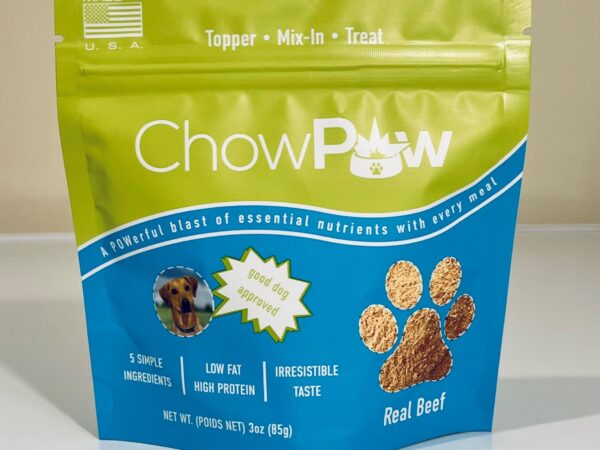 Dog Food Topper - Beef HeartOriginal price was: $14.99.$10.95Current price is: $10.95. - or subscribe and save up to 20%