
Old Dog Losing Muscle Mass A Pet Owner’s Guide to Strength and Vitality
It's tough watching your loyal friend start to weaken. Seeing your old dog losing muscle mass is one of the more unsettling changes many of us face as our companions enter their golden years. But while this process is often a natural part of aging, it's something you can absolutely manage with the right game plan. Aging itself isn't optional, but you can be proactive and support their strength and vitality through smart nutrition and the right kind of exercise.
Understanding Why Your Old Dog Is Losing Muscle Mass
When a once-bouncy companion starts to slow down, it can really pull at your heartstrings. You might notice their back legs look a bit weaker, their spine seems more prominent, or they just don't have that same solid, powerful build anymore. This is often due to a natural, age-related process called sarcopenia.
Think of your dog's muscles like a sturdy bridge they've built over years of running, jumping, and playing. As they get older, the body's ability to repair and maintain that bridge just isn't as efficient. The "construction crew"—the biological processes that patch up wear and tear—starts working a bit slower, and the materials, especially protein, aren't used as effectively. This leads to a gradual, but noticeable, weakening of those support structures.

The Two Pillars of Senior Muscle Support
Here’s the good news: you are not powerless against this process. You can actively help reinforce that "bridge" and help your dog hold onto their strength.
The two most powerful tools in your arsenal are:
- Targeted Nutrition: Giving their body high-quality, easily digestible protein provides the essential building blocks needed for muscle maintenance.
- Appropriate Exercise: Gentle, consistent movement sends the signal to the body to actually use those nutritional building blocks and preserve existing muscle.
This isn't about turning your senior dog into a bodybuilder. It's about providing the resources they need to stay strong, stable, and comfortable for as long as possible.
Reinforcing Their Diet With a Simple Boost
One of the most effective first steps is to boost the nutritional value of their current diet. Research shows that muscle loss in dogs can begin as early as 6-7 years of age, with some dogs losing between 15-20% of their muscle mass between the ages of 7 and 12. This makes nutritional support incredibly important for maintaining their quality of life. You can discover more insights about these findings on dogsinmotion.com.au.
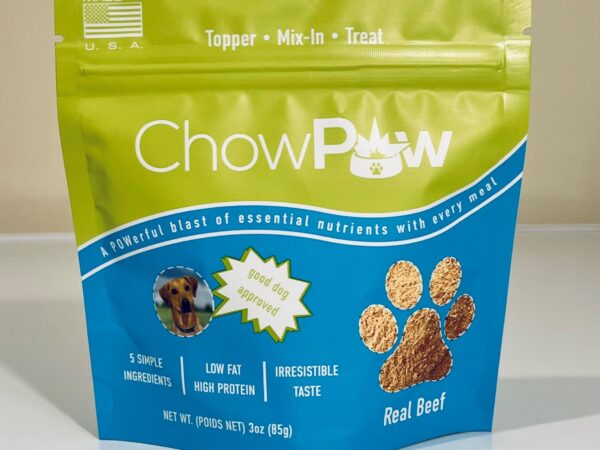
A simple yet powerful way to help is by adding a nutritional boost to their regular meals. A meal enhancement like ChowPow acts as a concentrated source of high-quality protein, making their existing kibble more effective. It’s an easy way to give their body the extra support it needs without the hassle of a complete diet change.
To make things even clearer, let's break down the core components of a solid support plan. Think of this as your quick-reference guide to keeping your senior strong.
Your Senior Dog Support Blueprint At a Glance
| Area of Focus | Why It's Critical | Your First Actionable Step |
|---|---|---|
| High-Quality Protein | Seniors need more protein, not less, to fight muscle loss. It provides the essential amino acids for muscle repair. | Add a high-protein, easily digestible meal enhancement like ChowPow to their current kibble. |
| Gentle, Consistent Exercise | "Use it or lose it" is very real for aging muscles. Movement stimulates muscle maintenance and strength. | Start with short, gentle walks (5-10 minutes) on level surfaces, twice a day. |
| Regular Vet Check-ups | Underlying health issues like arthritis or kidney disease can accelerate muscle loss and must be managed. | Schedule a senior wellness exam with your vet to rule out other causes and get a baseline. |
This table lays out the foundational strategy. By focusing on these three pillars, you create a powerful, proactive approach to helping your dog stay as mobile and comfortable as possible in their later years.
How to Spot the Early Signs of Muscle Wasting
It’s a sneaky process, this muscle wasting in senior dogs. It doesn't happen overnight. Instead, the changes creep in so gradually that they're easy to brush off as just "old age" if you don't know what you’re looking for. But it's so much more than your dog just "getting skinny."
Learning to spot these subtle shifts early on is one of the most powerful things you can do. It allows you to step in sooner, make changes that matter, and become a true advocate for their health.
This visual points out the key areas where muscle loss tends to show up first.

As the image suggests, your hands are your best diagnostic tool here. Changes in muscle tone around the spine, hips, and hind legs are often the first tell-tale signs that something is changing.
What to Look For: Physical Clues
Get in the habit of running your hands gently all over your dog’s body, not just for a friendly pat but with a purpose. You’re feeling for changes in their very shape and definition. A well-muscled dog feels firm and solid, but as that muscle recedes, their body can start to feel softer, even bonier in places.
Here are the specific visual cues to keep an eye out for:
- A Sharpened Rear End: The hips and pelvic bones might become more obvious, giving them a "pointy" or angular look where they used to be rounded and full.
- Less Powerful Thighs: The big, powerful muscles of the hind legs can start to look thinner or less defined. You might even notice a gap developing between their thighs when they stand.
- A Prominent Spine: As the muscles supporting the spine shrink, you may find it easier to see or feel the individual vertebrae along their back.
- A "Tucked-Up" Look: Their belly might seem to slope upward more steeply from their chest to their hind legs. This is often a sign of muscle loss in their core and rear.
What to Watch For: Behavioral Shifts
Often, the very first clues aren't about how your dog looks, but how they move. Their behavior can tell you a story about their declining strength long before the physical changes become obvious. Simply put, muscle loss makes everyday activities a lot harder.
Pay close attention to any new hesitation or difficulty with familiar tasks. A dog struggling to rise from their bed isn't being lazy; they are likely showing you that their muscles are no longer strong enough to perform the action easily.
Look for these key behavioral red flags:
- Hesitation to Jump: Does your dog now pause and seem to calculate the effort before jumping onto the couch or into the car, a leap they once made without a thought?
- Difficulty Getting Up: Do they struggle to push themselves up from a lying position, maybe scrabbling for purchase, especially on slick floors?
- A Slower or Wobbly Walk: Their gait might become less stable. You might notice a slight wobble in their hind end that wasn't there before.
- Reduced Stamina: Are your usual walks getting shorter? A dog that suddenly starts stopping halfway or lagging behind is sending a clear signal.
By becoming a keen observer of both their body and their behavior, you can catch the earliest signs of muscle wasting. This empowers you to tweak their care routine, provide better nutritional support, and know exactly when it’s time to loop in your veterinarian for guidance.
The Power of Protein for Rebuilding Senior Muscles
As our loyal friends get older, their bodies just don't work the same way they used to. One of the biggest changes happens behind the scenes, at a cellular level, and it directly impacts their strength and mobility. When it comes to an old dog losing muscle mass, protein isn't just a part of their diet—it's the single most critical tool for rebuilding what's been lost.
Think of your dog's muscles like a brick wall. In their younger days, their body could take any protein you gave them and efficiently build and repair that wall. As they age, their body becomes less efficient at this job. To be effective, they need a steady supply of high-quality protein delivered right to where it's needed. This is why just any protein won't do; senior dogs need highly digestible and bioavailable protein to stand a fighting chance against muscle loss.
Not All Protein Is Created Equal
This is where protein quality becomes so important. A high-quality protein source has all the essential amino acids—the individual building blocks of muscle—in a form their body can actually absorb and use right away. Lower-quality proteins are less effective, meaning much of the protein passes through their system without being used.
This is where a targeted meal enhancement can make a huge difference. A simple supplement like ChowPow, made from a single, high-quality source like beef heart, adds a concentrated protein boost to their existing food. It's not a meal replacement; it's a way to fortify their regular kibble and make it more powerful, one bite at a time. By adding ChowPow, you ensure they get the premium, ready-to-use protein their aging body is desperate for, making sure it gets exactly where it's needed most.
This image shows just how simple it is to add this powerful boost to your dog's daily meal.
By simply sprinkling the meal enhancement over their regular food, you’re fortifying their diet with the specific, high-impact nutrients needed to support muscle maintenance.
Why Senior Dogs Need More Protein, Not Less
It sounds a bit backward, but older dogs actually need more protein than younger, more active dogs just to maintain the status quo. Their metabolism has become less efficient, meaning they need a higher quantity just to prevent their body from breaking down existing muscle tissue for energy.
Veterinary research is pretty clear on this: older dogs need a lot more protein to preserve their muscle mass. In fact, some studies show that senior dogs may need a recommended daily allowance of protein that is roughly 50% higher than that of a young adult dog just to stay even. As you can learn more about these important nutritional findings, not getting enough protein can unfortunately accelerate muscle wasting.
This is especially critical for picky seniors whose appetites might be fading. A nutrient-dense supplement not only adds that crucial protein but also makes their food smell and taste better, encouraging them to clean their bowl and get the calories they need. You can also dive deeper into figuring out how much protein your dog might need based on their unique situation.
Providing this elevated level of high-quality, delicious protein is a foundational step. It gives their body the resources it needs to slow down muscle loss, support their mobility, and ultimately maintain a better quality of life.
When Muscle Loss Signals a Deeper Health Issue
While a gradual slowdown is a normal part of your dog’s golden years, it's crucial to know the difference between typical aging and a sign of a more serious health problem. The key difference often boils down to the speed and severity of the changes. An old dog losing muscle mass slowly over several years is one thing; rapid muscle wasting over a few weeks is a definite red flag.
Knowing what to watch for helps you act quickly and get veterinary care when it really matters. Think of it this way: if a sturdy old tree gradually thins its leaves over many autumns, that's just part of its life cycle. But if that same tree suddenly drops all its leaves in the middle of summer, you'd know something is seriously wrong at the root level.
This simple decision tree can help you figure out when it's time to call the vet.

As you can see, the main factor that separates normal sarcopenia from a potential medical issue is the rate of change. Sudden, noticeable muscle wasting is a clear signal that a vet visit is needed right away.
Red Flags That Warrant a Vet Visit
Beyond just how fast the muscle loss is happening, other symptoms can point to an underlying medical condition. If you notice muscle wasting along with any of the following signs, it’s time to make that appointment.
- Sudden or severe weakness: This might look like collapsing, being unable to stand up, or dragging the back legs.
- One-sided muscle loss: If the muscle wasting is way more obvious on one side of the body or in just one leg, it’s not typical age-related loss.
- Visible signs of pain: Your dog might be yelping when touched, hesitating to move, or showing changes in posture like a hunched back.
- Changes in appetite or thirst: A sudden spike or drop in how much they're drinking and eating often points to bigger health problems.
- Lethargy or depression: A major drop in energy levels or a sudden lack of interest in their favorite activities is a huge warning sign.
Think of these signs as your dog’s way of telling you something more than just aging is going on. It's easy to feel alarmed, but viewing these observations as valuable information for your vet can help you feel more in control.
Common Conditions Linked to Muscle Atrophy
Your veterinarian is the only one who can diagnose your dog, of course, but knowing about potential causes can help you have a more informed conversation. This isn't for self-diagnosis, but to help you understand why that vet visit is so critical.
Several medical issues can cause or speed up muscle loss in senior dogs, including:
- Arthritis: When joints are in a lot of pain, a dog will use their muscles less, causing them to weaken and shrink over time—a classic "use it or lose it" situation.
- Cushing's Disease: This hormonal disorder causes the body to produce way too much cortisol, which can lead to major muscle breakdown, especially in the belly and hind legs.
- Degenerative Myelopathy (DM): A progressive disease of the spinal cord, DM often starts with muscle loss and weakness in the back legs.
- Kidney Disease: Chronic kidney problems can mess with the body's ability to process protein, which directly leads to muscle wasting.
- Hypothyroidism: An underactive thyroid can slow down metabolism and contribute to both muscle weakness and lethargy.
Spotting these red flags doesn't mean the worst-case scenario is a given. It just means you're being a careful and caring owner, ready to team up with your vet to get your dog the care they need to feel their best.
Safe and Effective Exercises for Your Senior Dog
When you see your old friend slowing down, it's natural to think they just need more rest. And while rest is definitely part of the equation, the right kind of movement is one of the best tools we have to fight muscle loss in senior dogs.
For our older pups, exercise isn't about chasing balls for an hour straight. It's about consistency. It's about preserving mobility and sending a clear signal to their body that those muscles are still very much needed. The goal is to swap out those high-intensity bursts of their younger years for low-impact, high-reward movements.
Think of it like a human athlete shifting from heavy powerlifting to something like yoga or Pilates. Both build and maintain strength, but one is designed for sustainable, long-term health—exactly what your senior companion needs now.

This picture says it all—exercise for a senior should be calm, focused, and something you both enjoy. A gentle, sustainable routine doesn't just support their physical strength; it keeps them sharp and happy, reinforcing that incredible bond you've built over the years.
Building a Low-Impact Routine
The best exercises for senior dogs are the ones that keep their muscles toned without hammering their aging joints. Sudden, jarring movements are out; slow, controlled motions are in. And remember, a little bit of activity every day is far better than one exhausting marathon on the weekend.
To help your dog stay comfortable and mobile during these activities, it's also worth looking into effective joint supplements for dogs to provide that extra support.
Here are a few gentle but powerful exercises to fold into your dog's daily life:
- Short, Leisurely Walks: Instead of one long haul, try two or three shorter 10-15 minute walks. If you can, stick to softer surfaces like grass or dirt trails. They’re much kinder on the joints than hard pavement.
- Controlled Sit-to-Stands: This is basically a doggy squat and it’s fantastic for their hind legs. Ask your dog to sit, then immediately encourage them to stand back up. Repeating this 5-10 times is a simple but mighty way to strengthen those crucial rear muscles.
- Simple Cavaletti: You don't need fancy equipment for this. Just lay a few broomsticks or pool noodles on the ground, spaced about one dog-length apart. Then, slowly walk your dog over them, encouraging them to pick up their feet. It does wonders for their coordination and body awareness.
The Power of Zero-Impact Workouts
For dogs dealing with significant arthritis or joint pain, even a slow walk can be tough. This is where zero-impact exercises are a total game-changer, allowing them to move their muscles through a full range of motion without any painful pressure.
The gold standard for senior dog fitness is swimming or hydrotherapy. The water's buoyancy supports their entire body, taking all the pressure off their joints while their muscles work against the gentle resistance. It’s a full-body workout that’s incredibly safe and effective.
If you have safe access to a clean lake or a dog-friendly pool, fantastic! If not, many veterinary rehab centers offer hydrotherapy sessions on underwater treadmills. These are perfect, controlled environments for building strength with professional supervision.
For more ideas on keeping your dog active, you can explore our other guide on top indoor and outdoor options to exercise your dogs.
The most important thing is to watch your dog. If you see heavy panting or a noticeable slowdown, it's time to stop. Always end the session on a positive, happy note. When you pair a gentle, consistent exercise plan with the right nutrition, you give your senior dog the absolute best shot at staying strong, mobile, and happy for years to come.
Your Senior Dog's Daily Meal Plan for Muscle Support
Knowing what to do is one thing, but putting all that knowledge into practice is what really counts. Creating a supportive daily plan for your senior dog doesn’t need to feel like a huge project. The real goal is to make small, consistent changes that pack a big nutritional punch, turning every meal into a chance to fight back against muscle loss.
Of course, senior dogs often bring their own set of challenges to the dinner table. A once-enthusiastic appetite might have faded, or sensitive teeth can turn crunchy kibble into an unwelcome chore. This is where we need to be adaptable, and it’s why a versatile meal enhancement can make all the difference. It’s not about replacing their entire diet, but simply boosting what’s already there to meet their changing needs.
Addressing the Picky Eater
A fussy senior dog can be maddening, especially when you know just how critical good nutrition is for their strength. An old dog losing muscle mass often has a weaker sense of smell and taste, which can make their regular food seem boring and unappealing.
This is the perfect moment for a simple, high-impact solution. Sprinkling a bit of ChowPow over their food adds a rich, meaty aroma that can instantly spark their interest again. Because it’s made from pure dehydrated beef heart, its scent is often irresistible to even the most particular pups, encouraging them to finish their bowl and get the protein they so desperately need.
Soothing Sensitive Teeth and Gums
Dental problems are another common hurdle in the golden years. If you notice your dog hesitating to eat, dropping food, or shying away from their bowl, it could be a sign of sore teeth or gums. Forcing them to crunch through a painful meal is a surefire way to create a negative association with food.
Here, a meal enhancement offers a fantastic fix that goes beyond just taste. By mixing the ChowPow powder with a little warm water, you can whip up a delicious, savory gravy. Pouring this over their kibble not only adds that irresistible flavor but also softens the hard pellets, making them much easier and more comfortable to chew. Plus, it’s a great way to sneak some extra hydration into their diet—a win-win for their overall health.
Your goal is to transform their current food from "just enough" to "optimally supportive." A simple nutritional boost makes it easy to deliver the powerful protein and amino acids they need to stay strong and vital in their golden years.
This approach helps make mealtime a positive, pain-free experience again, giving your senior companion something to get excited about. For more advice on choosing the right base diet, check out our guide on finding healthy dog food for senior dogs.
Sample Daily Feeding Plan for a Senior Dog
This sample plan gives you a simple roadmap for putting these strategies into action. Think of it as a flexible starting point that you can easily adjust to fit your dog's unique preferences and health needs.
| Meal | Base Food | Nutritional Boost | Pro Tips for Special Needs |
|---|---|---|---|
| Breakfast | Your dog's regular senior-formula kibble | One serving of ChowPow sprinkled directly on top to entice picky eaters. | For dogs with dental pain, mix the ChowPow with warm water to create a soft, hydrating gravy and pour over the kibble. |
| Dinner | Your dog's regular senior-formula kibble or wet food | One serving of ChowPow mixed in thoroughly. | If you need to give medication, the strong flavor of the supplement is excellent for masking the taste of pills hidden in the food. |
By sticking to a simple and consistent schedule, you give their body a steady supply of the high-quality protein it needs for muscle maintenance. This two-part strategy—closing the nutritional gap while also solving common senior eating problems—makes it incredibly simple to give your aging friend the best possible support, day in and day out.
Frequently Asked Questions About Senior Dog Muscle Loss
Watching your best friend slow down brings up a lot of new questions and worries. When you're dealing with an old dog losing muscle mass, you're not alone in wanting clear, straightforward answers. Let's tackle some of the most common concerns head-on.
Can I Completely Reverse My Old Dog's Muscle Loss?
Realistically, we can't turn back the clock on age-related muscle loss, also known as sarcopenia. But that absolutely doesn't mean we're helpless. Think of it less like a cure and more like proactive management to keep them strong and happy.
Your goal is to slow it way down and even help them rebuild some of that lost strength. A consistent supply of high-quality protein gives their body the essential building blocks, and gentle, regular exercise tells their muscles, "Hey, we need to use these!"
Is a Special Senior Dog Food Enough?
Many senior dog foods are great for things like joint support and keeping calories in check. The catch is, they don't always pack the powerful protein punch an aging body desperately needs to fight off muscle wasting. As dogs get older, their ability to process protein becomes less efficient, meaning they actually need more of it, not less.
A meal enhancement like ChowPow is designed specifically to bridge this gap. It lets you supercharge their current food with the protein and nutrients they need for their muscles, without the drama of a full diet switch. It’s not a replacement for their kibble, but a way to boost its nutritional power.
How Quickly Will I See Results After Making These Changes?
Patience is your best friend here. Every dog’s body is different, but with consistent nutritional support and the right exercise, you might start noticing little boosts in their energy and stability within just a few weeks.
More significant changes in muscle tone and overall strength can take a bit longer, often between one and three months. Remember to celebrate the small wins—getting up from their bed with a little less effort or showing more enthusiasm on your daily walk. Those are the signs that you're making a real difference. If you have other questions about caring for your pup, you can also check these general dog care FAQs.
At ChowPow, we know that supporting your senior dog's strength starts in their food bowl. Our dehydrated beef heart meal enhancement is a simple, powerful way to boost the protein in their daily meals, making every bite count in the fight against muscle loss. See how easy it is to enhance their diet at https://chowpownow.com.
-
Product on sale
 Dog Food Topper - Beef HeartOriginal price was: $14.99.$10.95Current price is: $10.95. - or subscribe and save up to 20%