
Senior Dog Health Problems: A Simple Guide to Supporting Your Aging Friend
Just like people, our dogs slow down as they get older. You might start noticing new health quirks pop up—things like arthritis, cancer, dental disease, and even cognitive decline are, unfortunately, common companions in a dog's golden years. As their bodies change, paying closer attention to their care and nutrition becomes one of the most important things we can do to keep them happy and comfortable.
Navigating Your Dog's Golden Years
Watching your best friend become a senior is a special kind of bittersweet. It’s a time filled with quiet moments, deep companionship, and a whole lot of love. It's easy to worry about what health issues might be around the corner, but this stage is really about being proactive and compassionate. The goal isn't to stop aging—it's to help them navigate it with comfort and grace.
Many of the changes you'll see are just a normal part of getting older. Your dog isn't the same bouncy puppy they once were, and that’s okay! Understanding that their physical and mental needs are shifting is the first real step in giving them the best support possible.
Embracing Proactive Senior Care
The real key to a happy senior dog is switching your mindset from reactive to proactive. Instead of waiting for a problem to become obvious, you can take small, meaningful steps right now to support their health for the long haul. This approach puts you in the driver's seat, making their later years as joyful and comfortable as they can be.
A few simple things form the foundation of great senior care:
- Regular Vet Check-ups: Senior dogs should ideally see the vet twice a year. These visits are perfect for catching potential issues before they become big problems.
- Gentle, Consistent Exercise: Keeping them moving is crucial, but it has to be modified. Think shorter, more frequent walks to maintain muscle and keep joints from getting too stiff.
- A Comfortable Home Environment: Simple tweaks can make a world of difference. Adding a few rugs to slippery hardwood floors or investing in an orthopedic bed can seriously boost their comfort.
- Targeted, High-Quality Nutrition: An older dog's dietary needs are completely different. They need nutrient-dense foods that are easy on their digestive system.
The Foundational Role of Nutrition
As your dog gets older, their nutritional requirements change big time. Their metabolism isn't what it used to be, their appetite might fade, and dental problems can make chewing that crunchy kibble a real chore. This is where nutrition becomes one of your most powerful tools for managing their health.
A well-designed diet for a senior dog should be built around high-quality, easily digestible protein to keep their muscles strong, along with the right blend of vitamins and minerals to support their immune system and overall energy.
This is exactly why a meal enhancement like ChowPow can be so helpful. It’s not a replacement for their current food—it's a powerful boost to make the food they already eat better. Just sprinkling this simple, dehydrated beef heart topper on their kibble adds an irresistible flavor and a punch of top-notch protein, tempting even the fussiest seniors to clean their bowl.
This simple addition ensures they're getting the vital nutrients they need to feel their best. Just like with people, where things like fitness testing for seniors helps monitor physical function, paying close attention to your dog's diet and energy levels is crucial for adapting their care as they age.
Understanding Joint Pain and Mobility Issues
Of all the challenges our senior dogs face, a gradual decline in mobility is one of the most common. Think of your dog's joints like the suspension system in a well-loved truck. After years of joyful sprints, epic ball-chasing, and enthusiastic jumps, the parts naturally start to show some wear and tear.
This process often leads to conditions like osteoarthritis, a degenerative disease where the protective cartilage cushioning their joints thins out. When that cushion wears away, bone can start rubbing against bone, sparking inflammation, stiffness, and pain. Unfortunately, this isn't a rare thing—it's a significant hurdle for our aging best friends.
In fact, musculoskeletal woes affect a huge slice of the senior dog population. Global studies show that osteoarthritis is a top health concern, impacting roughly one in three senior dogs. That nagging stiffness can turn a playful trot into a tentative shuffle, slowly chipping away at their joy and independence.
Spotting the Subtle Signs of Discomfort
Dogs are absolute masters at hiding pain, a survival instinct passed down from their wild ancestors. Because of this, the first hints of joint trouble are often incredibly subtle and easy to miss. You need to become a bit of a detective, keeping a sharp eye out for small shifts in their daily behavior.
Not sure what to look for? Here's a quick reference guide to help you tune into the signs, from the quiet whispers to the more obvious cries for help.
Signs of Joint Pain in Senior Dogs
| Subtle Signs You Might Miss | Obvious Signs of Discomfort |
|---|---|
| Hesitating before jumping onto the couch or into the car | A noticeable limp or favoring one leg |
| Taking longer to get up after a nap or sleeping | Yelping or whimpering when touched on the hips or back |
| Lagging behind on walks that they used to lead | Visible muscle loss, especially in the hind legs |
| Seeming irritable or less interested in playtime | Difficulty posturing to go to the bathroom |
| Slipping more frequently on slick floors like tile or hardwood | Swelling around the joints |
Recognizing these signs early is the absolute first step toward helping your dog feel better. If you start noticing a pattern, it’s definitely time to schedule a chat with your veterinarian.
How Vets Diagnose and Manage Joint Issues
When you bring your dog in, your vet will likely start with a thorough physical exam. They'll gently move your dog’s limbs to check for pain, listen for clicks, feel for swelling, and assess their range of motion. To get a definitive look at what's happening inside, they might also recommend X-rays.
Once there’s a diagnosis, managing joint pain is rarely about a single fix. It’s usually a multi-pronged approach that can include pain medication, physical therapy, or a weight management plan to take stress off the joints. Gentle, consistent exercise like short walks or swimming is also key to keeping the remaining cartilage healthy and muscles strong. For a deeper dive, you can read our guide on joint health for dogs.
The Critical Role of Nutrition in Supporting Joints
This is where your dog's diet becomes a real game-changer. Maintaining lean muscle mass is incredibly important for seniors with achy joints, as strong muscles act like a natural brace, providing stability and support. The secret to this is high-quality, easily digestible protein.
A nutrient-dense diet helps manage weight, reduce inflammation, and provide the building blocks needed to support aging muscles and connective tissues, directly impacting your senior dog's comfort and mobility.
But there's a catch. Older dogs with sore joints or dental pain often struggle to chew crunchy kibble. This is where a simple meal enhancement can make a world of difference. Adding ChowPow to their food is an incredibly easy way to boost their protein intake and overall nutrition without causing discomfort.
As a dehydrated beef heart topper, it’s packed with the essential amino acids needed to maintain that all-important muscle. Since it's a soft powder, you can sprinkle it right onto their kibble or mix it with a little water to create a savory gravy. It's not a substitute for their regular food, but a way to make it more powerful. This simple addition makes their meal more delicious and easier to eat, ensuring they get the vital nutrients needed to support their aging body.
Spotting the Warning Signs of Cancer
No dog owner ever wants to hear the word "cancer." It's one of the most serious health issues our senior dogs can face, but being an informed and watchful parent is your single greatest tool. Much like with people, the risk of cancer climbs as dogs get older, making early detection your most powerful ally.
Talking about cancer is tough, but the goal isn't to cause worry—it's to empower you. It's about knowing what's normal for your dog and recognizing the subtle signals that mean it's time for a vet visit.
The hard truth is that cancer is a major concern for our aging friends. Research hammers this home, showing that cancer is the leading cause of death in senior dogs, responsible for nearly half of all losses in geriatric pups worldwide. One comprehensive study on elderly dogs found that malignant tumors accounted for a staggering 46.3% of deaths. You can read the full research about these findings to really grasp why spotting signs early is so critical.
Common Signs to Keep on Your Radar
Cancer can show up in a lot of different ways, and its symptoms often look a lot like other, less serious age-related problems. That’s why you have to look for persistent changes, not just a one-off weird day.
Here are some general warning signs to watch for:
- New Lumps or Bumps: Make a habit of feeling your dog all over during cuddle time. Any new lump, bump, or swollen spot that doesn't go away or keeps getting bigger needs to be checked by a vet.
- Sores That Just Won't Heal: A little cut or scrape should heal up in a reasonable amount of time. If you spot a sore that's still there weeks later, that's a red flag.
- Sudden Weight Loss: If your dog is losing weight but you haven't changed their diet, it's a common symptom of several serious conditions, including cancer.
- Changes in Appetite: Sure, some senior dogs get a little picky. But a total refusal to eat or a dramatic loss of interest in food is a real cause for concern.
- Lasting Low Energy: Seniors naturally slow down, but a sudden, lasting drop in energy or stamina is more than just "getting old." It's worth getting a professional opinion.
Your Vet is Your Partner in This
You can't diagnose cancer at home, which is why regular vet check-ups are absolutely non-negotiable for senior dogs. During these visits, your vet does a full physical exam, feeling for anything unusual and talking through any changes you've seen at home.
Think of your vet as your co-pilot in proactive care. They can spot subtle signs you might miss and can recommend tests like bloodwork or a biopsy if something seems off, giving your dog the best possible shot at a good outcome.
If a diagnosis is made, your vet will walk you through the options, which could range from surgery to medication. The number one goal through it all is always maintaining your dog's quality of life.
Supporting Your Dog from the Food Bowl
From a nutritional standpoint, helping a senior dog through any serious health challenge means focusing on a diet that shores up their body's defenses and helps them keep their strength. A diet packed with high-quality nutrients is vital for giving them the energy and building blocks they need for healthy cells and a strong immune system.
The biggest hurdle, though, is often a dwindling appetite. This is where a simple meal enhancement can be a game-changer. A high-quality topper like ChowPow can make a huge difference. It’s not a meal replacement, but a powerful booster designed to make their regular food irresistible.
Just sprinkling the dehydrated beef heart powder over their kibble adds a rich, meaty aroma that can tempt even the most reluctant eater. This simple step helps ensure they're getting the vital calories and high-quality protein needed to hold onto muscle mass and strength. It's one of the most direct ways you can support their well-being, right from their food bowl.
When Your Dog's Behavior Changes
Is your once-sharp senior dog suddenly seeming a little lost in your own home? Maybe they get stuck in a corner, forget a command they’ve known for a decade, or just seem anxious for no clear reason. These small shifts can be easy to brush off as just "getting old," but sometimes, they're pointing to something more specific.
These changes can be signs of Canine Cognitive Dysfunction (CDS), a condition that’s a lot like Alzheimer's disease in people. It’s a gradual decline in their cognitive abilities, chipping away at their memory, learning, and overall awareness. Knowing what's happening is the very first step toward helping your loyal friend navigate their golden years more comfortably.
CDS is far more common than most dog owners realize. It quietly affects between 14.2% and 22.5% of dogs over eight years old. That number jumps to a staggering 68% in dogs aged 15 to 16. In fact, studies show that 28% of dogs between 11 and 12 years old are already showing at least one sign of impairment. You can discover more insights about these findings on the AVMA website.
Using DISHA to Spot the Signs
To help us owners make sense of these changes, veterinarians often use the acronym DISHA. It’s a handy framework that breaks down the common behavioral shifts into categories we can actually observe at home. Seeing a consistent pattern across these areas can help you figure out if you're dealing with normal aging or something more.
- Disorientation: This is when your dog seems lost in familiar places, like your house or yard. They might stare blankly at walls or struggle to get around furniture they’ve known their whole life.
- Interaction Changes: You might notice a shift in how they engage with you or other pets. Some dogs become more withdrawn and less interested in being petted, while others can become extra clingy and anxious.
- Sleep-Wake Cycle Changes: Their internal clock gets all mixed up. This often looks like restlessness at night—pacing, whining, or waking you up—and then sleeping much more during the day.
- House Soiling: A perfectly house-trained dog might start having accidents inside. This isn't defiance; it’s often because they forget to signal they need to go out or can't quite remember where the back door is.
- Activity Level Changes: This can go one of two ways. You might see a general lack of interest in their favorite things, like walks or playing fetch. Or, you might see an increase in aimless pacing and wandering.
Management Strategies for a Confused Mind
If you think your dog is showing signs of CDS, the first stop is always the vet. They need to rule out other medical issues that can cause similar symptoms. Once CDS is confirmed, the goal becomes all about support, comfort, and management.
One of the best things you can do is maintain a predictable daily routine. Sticking to set times for feeding, walks, and bedtime provides a sense of security for a confused mind.
Keeping your senior dog's mind engaged is crucial for their cognitive health. Simple enrichment activities can help slow the progression of CDS and improve their quality of life.
Simple puzzle toys, short training sessions to refresh old skills, and gentle scent games can provide fantastic mental stimulation. For a deeper dive, you can learn more about the importance of mental stimulation for canine cognitive health in our article.
Brain-Supporting Nutrition from Their Bowl
Nutrition also plays a huge part in supporting brain function. Think of your dog’s brain as an engine—it needs high-quality fuel to run smoothly. Certain nutrients, like essential amino acids and antioxidants, are vital for supporting healthy brain cells and cognitive processes.
This is another area where a simple tweak to their meals can make a real difference. Sprinkling ChowPow on your dog's regular food is an incredibly easy way to fortify their diet with brain-supporting nutrients. It’s not meant to replace their food, but to enhance it.
The high-quality beef heart protein is packed with the amino acids their brain needs to function at its best, helping you support your aging companion from the inside out.
Caring for Your Senior Dog's Internal Health
While creaky joints and a graying muzzle are easy to spot, some of the most significant health challenges our senior dogs face are happening on the inside. These internal issues can be incredibly subtle at first. That's why paying close attention to the smallest shifts in your dog’s daily habits is the key to catching them early.
Let's walk through three of the most common internal health concerns that affect our aging best friends.
These problems often require a team effort with your vet, but supportive nutrition at home plays a massive role in managing your dog's comfort and overall well-being. This is where a simple enhancement to their meals can provide powerful, targeted support exactly where they need it.
Keeping an Eye on Kidney Health
Think of your dog’s kidneys as a super-advanced filtration system, working around the clock to clear waste from their blood. As dogs get older, this system can start to wear down, leading to chronic kidney disease. It’s a gradual loss of function over time and, unfortunately, a very common issue for seniors.
The first signs are often so subtle they're easy to write off as normal aging. You might notice your dog is suddenly drinking a lot more water or needs to go outside to pee more often. This happens because their kidneys are losing the ability to concentrate urine, so your dog has to drink more just to flush out the same amount of toxins.
If your senior dog is having urinary troubles, looking into dog incontinence natural remedies can also offer some extra comfort alongside your vet's plan.
Your vet will diagnose kidney problems with simple blood and urine tests. Management usually involves a special prescription diet and making sure your dog stays incredibly well-hydrated. This can be a real struggle, but a simple nutritional boost can make all the difference. Sprinkling ChowPow into their food and mixing it with a little extra water creates a savory gravy that entices them to drink more, supporting their kidney function with every single bite.
The Connection Between Dental and Overall Health
Dental disease is ridiculously common in senior dogs, but it's so much more than just stinky breath. A dog's mouth is full of bacteria. Over time, this bacteria builds up into plaque and tartar, causing gum inflammation, serious pain, and eventually, tooth loss.
The real danger, though, is that this bacteria doesn't just stay in the mouth. It can sneak into the bloodstream through those inflamed gums and travel to vital organs. This hidden threat can cause severe damage to the heart and kidneys, turning a simple dental issue into a body-wide health crisis.
Maintaining good oral hygiene isn't just about fresh breath; it's a fundamental part of protecting your senior dog's heart, kidneys, and overall internal health from the silent spread of harmful bacteria.
For seniors with a painful mouth, chewing hard kibble can be torture. This is where a soft, powdered meal enhancer like ChowPow becomes an absolute lifesaver. It’s not a replacement for their main diet, but a powerful booster that makes their existing food easier and more nutritious to eat. It ensures they get the high-quality protein and nutrients they need without the pain of chewing, making mealtime a happy, comfortable experience again.
Supporting an Aging Heart
Just like in people, a dog's heart can weaken with age. Conditions like congestive heart failure become more common in their golden years, where the heart just struggles to pump blood effectively through the body.
Symptoms can be quiet at first. You might notice a persistent, dry cough, especially after they’ve been resting or during the night. Other signs include getting tired more easily on walks, having less stamina, or even labored breathing.
Veterinary care is non-negotiable for managing heart conditions, and often involves medication to help the heart work more efficiently. Nutrition also plays a critical supporting role here. One of the biggest challenges with heart conditions is a poor appetite. An enticing meal topper can be the key to making sure your dog eats their prescribed food and gets the energy they need to feel their best.
The irresistible beef heart aroma of ChowPow can tempt even the most reluctant senior to clean their bowl. By simply sprinkling it over their regular kibble, you make their meal more appealing while boosting its nutritional value. This simple step helps them maintain their strength and get the full benefit of their special diet, providing complete support for their aging heart.
A Proactive Nutrition Plan for a Happy Senior
We've covered a lot of ground in this guide, walking through the common health hurdles that can pop up in a dog's golden years. If there's one thing to take away from all this, it's that being proactive beats being reactive every single time. You have an incredible amount of power to make their later years comfortable, happy, and full of the same companionship you've always cherished.
This proactive mindset really boils down to three simple, but powerful, cornerstones. First, regular vet visits are non-negotiable—ideally every six months to catch things early. Second, appropriate, gentle exercise is key for keeping muscles toned and joints moving. And finally, creating a comfortable, safe home with things like orthopedic beds and non-slip rugs gives them the physical support they desperately need.
Nutrition: The Ultimate Foundation
While all those things are crucial, the true foundation for a vibrant senior life really starts in the food bowl. As your dog gets older, their nutritional needs change—sometimes dramatically. Their appetite might fade, their digestion can get a bit touchy, and dental pain can turn chewing their usual kibble into a real chore.
This is exactly where a smart meal enhancement can make a world of difference. The goal isn't to completely overhaul their diet, but to give their current food a serious nutritional boost and make it a whole lot more exciting for them.
A proactive nutrition plan for a senior dog is all about nutrient density, high palatability, and ease of eating. It’s a direct response to the challenges of aging—from muscle loss to a dwindling appetite—and it's one of the best ways to support their overall well-being.
Making Senior Nutrition Simple and Effective
This is where ChowPow becomes such an essential tool in your senior care toolkit. It was specifically designed to solve the exact problems so many older dogs run into, making it incredibly easy for you to give them the nutritional leg-up they need.
- Tempts Picky Eaters: That rich, natural aroma of beef heart is almost impossible for most dogs to ignore. It’s a great way to encourage even the fussiest seniors to clean their bowl.
- Helps Maintain Muscle: It’s a powerhouse of high-quality, easily digestible protein. This is absolutely vital for maintaining the muscle mass that supports their aging joints.
- Perfect for Tender Mouths: The fine powder format completely sidesteps the challenge of chewing hard kibble. You can sprinkle it right on their food or mix it with a little water to create a soft, savory gravy that’s gentle on sore teeth and gums.
By simply adding ChowPow to their existing food, you’re not replacing their kibble, but you are elevating its nutritional value and making sure your loyal friend gets the support they need to thrive. For more ideas on what makes a great meal, check out our guide to healthy dog food for senior dogs. Your proactive care, combined with powerful nutrition, is truly the best gift you can give your aging companion.
Frequently Asked Questions About Senior Dogs
Caring for a dog as they enter their golden years brings a whole new set of questions. Here are some quick, straightforward answers to the things we hear most often from owners of senior pups.
How Often Should My Senior Dog See the Vet?
For older dogs, we strongly recommend a wellness check-up every six months. It might seem frequent, but these visits are absolutely key for catching things like kidney disease, arthritis, or cancer in their earliest, most manageable stages. Think of it as staying one step ahead of potential problems to keep your friend comfortable and healthy for as long as possible.
What Can I Do for My Senior Dog's Bad Breath?
That less-than-fresh breath is often a big red flag for underlying dental disease, which can impact a dog's health far beyond their mouth. The first step is always a dental exam with your vet to find out what's really going on.
At home, vet-approved dental chews or special water additives can help maintain oral hygiene between professional cleanings. If your dog's mouth is already sore, chewing hard kibble can be painful. A soft meal topper like ChowPow can be a game-changer. As a supplement, it turns their usual food into a soft, easy-to-eat meal so they can get their nutrients without the ouch.
My Senior Dog Has Become a Picky Eater. What Should I Do?
It’s pretty common for older dogs to lose some interest in their food. Their sense of smell might not be as sharp as it once was, or dental pain could be making mealtime a chore.
Once you’ve talked to your vet to make sure there isn’t a more serious medical issue at play, the goal is to make their food irresistible again.
This is where adding a super-tasty and nutritious meal topper like ChowPow really shines. Its natural beef heart aroma is a powerful appetite stimulant for most dogs, grabbing their attention and adding a boost of high-quality protein to their regular kibble. It's a simple way to enhance their current food, not replace it.
Is It Normal for My Old Dog to Sleep So Much?
Yes, it's completely normal for senior dogs to clock more nap time. Just like people, they slow down and have less energy as they age. An extra snooze here and there is usually just a standard part of getting older.
However, keep an eye out for sudden, dramatic shifts. If your dog seems overwhelmingly lethargic or suddenly has no interest in their absolute favorite things (like walks or car rides), it's time for a vet visit. Big changes like that can signal underlying senior dog health problems like arthritis pain, a heart condition, or even cognitive decline.
Here at ChowPow, we're all about supporting dogs through every stage of life, especially their senior years. Our dehydrated beef heart topper is designed to make meals both delicious and nutrient-packed, giving your loyal friend the boost they need. Give their kibble—and their well-being—a lift by visiting us at https://chowpownow.com.
-
Product on sale
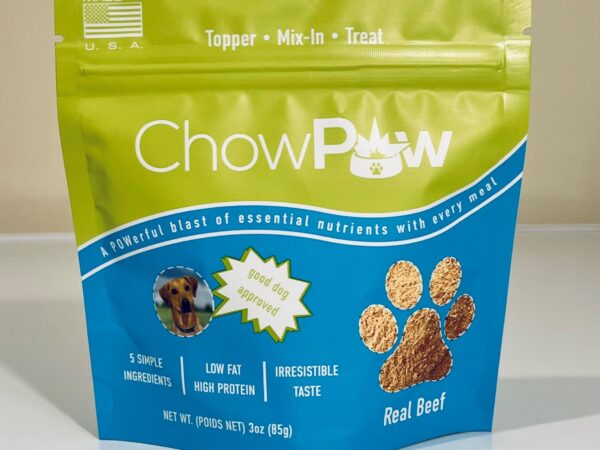 Dog Food Topper - Beef HeartOriginal price was: $14.99.$10.95Current price is: $10.95. - or subscribe and save up to 20%