Soft Food for Dogs After Dental Surgery: A Care Guide
Seeing your dog looking a bit woozy after their procedure is never easy. Your first thought is probably, “What on earth can they eat right now?” With a tender mouth, a diet of soft food for dogs after dental surgery isn’t just a suggestion—it’s an absolute must for a smooth and comfortable recovery. This temporary diet swap is key to protecting stitches and keeping your pup out of unnecessary pain while they heal.
Your Dog’s First Meals After Dental Surgery
Bringing your dog home post-op can feel a little daunting. They’re still shaking off the anesthesia and their mouth is definitely sore. Your job in these first crucial hours and days is to be the master of comfort, care, and of course, providing the right kind of food to kickstart the healing process.
Hard, crunchy kibble is a definite no-go for now. Imagine trying to munch on potato chips after you’ve had dental work—it would be agonizing and could easily damage the sensitive surgical sites. A soft diet avoids all that trouble by minimizing irritation and making sure delicate stitches stay right where they’re supposed to be.
What to Expect Right Away
It’s totally normal for a dog to have a poor appetite for the first 24 hours. Don’t panic if they turn their nose up at food at first. The goal is to gently encourage them to eat once they feel up to it, since good nutrition is the fuel for recovery. Many dogs will also seem tired or withdrawn, which is a standard reaction to the anesthesia and discomfort. If you’re getting worried because your dog won’t eat after surgery, we have some great tips in our detailed guide on that very topic.
A gentle, easy-to-eat meal does more than just help with physical healing; it’s a huge psychological comfort. It reassures your dog that mealtime is still a good, safe experience, even when they aren’t feeling 100%.
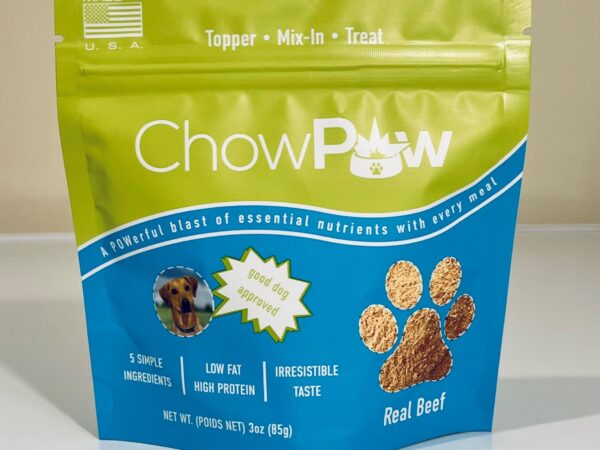
This is where a ready-to-serve, nutritionally complete option can be a real lifesaver for a stressed-out pet parent. A product like ChowPow, when mixed with a bit of water to create a soft pâté, is the perfect solution because it’s designed for exactly this situation.
- Gentle Consistency: Its super-smooth texture is made for sensitive mouths and requires zero chewing.
- Nutrient-Dense: It packs a punch with the vital protein and vitamins they need for tissue repair, without any junk fillers.
- Highly Palatable: The tasty aroma is often enough to entice even a dog with a low appetite to take a few bites.
Choosing a prepared option like ChowPow takes the stress of meal prep completely off your plate. That frees you up to focus on what really matters: cuddling your recovering buddy and keeping a close eye on their progress. This guide will arm you with the confidence you need to ace this critical healing period.
Why a Soft Diet Is Critical for Healing
After your dog comes home from dental surgery, their mouth is a very delicate place. Think of it like a construction zone—everything needs time to set properly. Feeding your dog hard, crunchy kibble too soon is like sending a fleet of trucks over wet cement. It’s going to cause serious damage.
This isn’t just a friendly suggestion; it’s a non-negotiable part of the recovery process that your vet will emphasize. A soft diet is absolutely essential for protecting those sensitive surgical sites. Hard foods can easily dislodge the tiny blood clots that are crucial for healing, tear out delicate stitches, and even push bacteria deep into fresh wounds. That’s a recipe for painful infections and a much longer, tougher recovery.
Protecting the Healing Process
To mend properly, your dog’s mouth needs a calm, protected environment. The typical healing window after most dental procedures is about 10 to 14 days. During this critical time, the gums are working hard to regenerate tissue and close up the spots where teeth were removed.
A diet of soft food for dogs after dental surgery is the best way to help. It works in two key ways:
- It Minimizes Physical Stress: Soft, mushy food requires almost no chewing. This takes the pressure off your dog’s sore jaw and tender gums.
- It Prevents Irritation: Smooth food glides right over sutures and extraction sites without scraping or poking them, which is vital for preventing pain and complications.
Sticking to this plan ensures the body’s natural healing powers can do their job without being disturbed, leading to a faster and much more comfortable recovery for your best friend.
Understanding the Need for Extractions
Many dog owners are surprised to learn just how common dental extractions are, which really drives home why proper aftercare is so important. One study looking at 130 dogs found that a staggering 78.32% of them needed extractions. The average dog in the study had almost six teeth removed.
For older dogs between 10 and 16 years old, that number jumped to an average of 8.4 teeth pulled. This shows just how widespread dental disease becomes with age. You can read the full research about these dental findings to see the data for yourself. These aren’t small procedures, and a gentle diet afterward is an absolute must.
Providing the right food is one of the most direct and impactful ways you can contribute to your dog’s healing. It’s an act of care that protects the veterinarian’s work and ensures your dog’s comfort.
When it comes down to it, choosing a food with a smooth, pâté-like consistency is your safest bet. It completely removes the risks that come with hard edges and makes sure your dog gets the nutrition they need without putting their recovery at risk. A balanced, easy-to-eat meal like ChowPow (when mixed with water) is designed for this exact situation, giving you peace of mind while your dog’s mouth heals up correctly.
Choosing the Right Post-Surgery Food
When you bring your dog home after dental surgery, one of the first things on your mind is, “What do I feed them?” It can feel overwhelming trying to figure out the best recovery diet. You’re basically facing a big decision: do you roll up your sleeves and make homemade meals, or do you grab a convenient commercial soft food?
Each path has its own pros and cons, and understanding them is key to making sure your pup’s healing is as smooth as possible.
Weighing Your Options
The idea of making homemade soft food for dogs after dental surgery is really appealing. You get total control over every single ingredient that goes into their bowl, which is a huge plus if your dog has allergies or sensitivities. The catch? It takes a lot of time and effort, especially when you’re already stressed and focused on nursing your furry patient.
But there’s a bigger issue. Whipping up a nutritionally complete meal from scratch is a real science. It’s surprisingly easy to create a meal that’s perfectly soft but misses the mark on the essential vitamins and minerals your dog’s body is crying out for to repair itself. An unbalanced diet can actually slow down their recovery.
On the flip side, standard canned dog foods are undeniably convenient. They’re ready to go and are formulated to be nutritionally balanced. The problem is that the quality, consistency, and ingredients can be all over the map. Some are packed with fillers and preservatives you’d probably rather your dog didn’t eat, especially while they’re healing.
This is the exact problem we created ChowPow to solve. We saw that dog owners needed a better option and aimed to create the perfect middle ground—a food that gives you the wholesome, human-grade ingredients of a homemade meal combined with the guaranteed nutritional science and perfect texture of a premium commercial food.
The ideal recovery food shouldn’t make you choose between quality and convenience. It should give you both, taking the guesswork out of the equation so you can focus on what really matters: your dog’s comfort.
ChowPow bridges this gap beautifully. Just mix our dehydrated beef heart formula with a little warm water, and it transforms into a smooth, savory pâté. This consistency is not just vet-approved for post-op care; it’s also incredibly tempting for dogs whose appetites might be a little low.
The Ideal Post-Surgery Solution
Choosing the right meal isn’t just about making it soft—it’s about delivering the actual building blocks for healing. A dog’s nutritional needs spike during recovery, and a high-quality protein source like beef heart is crucial for repairing damaged tissue. Recognizing the signs that your dog needs a meal supplement can help you understand just how critical proper nutrition is during this time.
To help you see the differences more clearly, here is a simple comparison of your options.
Comparing Post-Surgery Food Options
| Feature | Homemade Meals | Standard Canned Food | ChowPow |
|---|---|---|---|
| Ingredient Control | 100% control over all ingredients | Varies widely; may contain fillers | 100% human-grade, limited ingredients |
| Nutritional Balance | Difficult to achieve without expert help | Generally balanced (AAFCO standards) | Formulated for complete nutrition |
| Convenience | Time-consuming; requires daily prep | Very convenient; open and serve | Quick and easy; just add water |
| Texture for Healing | Can be controlled, but requires blending | Often chunky or contains hard bits | Mixes into a perfectly smooth pâté |
| Palatability | Depends on the recipe | Hit or miss, can be inconsistent | Highly palatable, savory beef heart |
As you can see, each option has its place, but a specifically designed food like ChowPow really stands out when it comes to supporting recovery. We made sure it provides everything your dog needs to heal.
- Nutrient-Dense: It’s packed with protein and essential amino acids to fuel the healing process.
- Perfect Texture: Mixes into a lump-free pâté that won’t irritate a sore mouth or stitches.
- Ingredient Transparency: Made with just four simple, human-grade ingredients. You know exactly what’s in the bowl.
- Stress-Free: It takes away the risk of nutritional imbalance and frees you from cooking every day.
Ultimately, choosing a carefully formulated food is the loving, responsible choice that gives your dog exactly what their body needs to mend. It offers peace of mind, knowing their meals are actively helping them get back on their paws.
Simple Homemade Recipes for Recovery
Making your dog’s meals from scratch during recovery can feel like the most loving thing to do. It gives you complete control over what they’re eating, which is a big comfort when they’re feeling low. If you decide to go this route, the absolute top priority is safety. The goal is a simple, bland, smooth meal that won’t cause any irritation to their sensitive mouth.
A classic, vet-approved choice is a simple purée of boiled chicken and sweet potato. This combo delivers lean protein to help with tissue repair and easy-to-digest carbs for a bit of energy. The real secret to success here is in the prep—it has to be incredibly basic to be safe.
Crafting a Safe Recovery Meal
When you’re making soft food for a dog after dental work, there are some hard-and-fast rules. This isn’t the time for culinary creativity; your dog’s healing mouth is way too delicate for that.
Here are the non-negotiables:
- No Seasonings: Don’t even think about it. Absolutely no salt, pepper, or other spices. It’s especially important to avoid toxic ingredients like onion and garlic powder.
- Proper Temperature: The food must be served at room temperature. Anything hot could burn their tender gums, while food that’s too cold can be just as uncomfortable.
- Smooth Consistency: Blend everything until it’s completely smooth and free of lumps, almost like a thin baby food. Any small chunks could get lodged in extraction sites or aggravate stitches.
This quick infographic breaks down just how simple the process needs to be.
As you can see, even a basic recipe involves a few steps. You’re looking at around 30 minutes of prep time for every single meal, which can add up fast when you’re already stressed about your recovering pup.
The Nutritional Caveat of Homemade Diets
While a simple meal of boiled chicken and sweet potato is fine for a day or two, it’s critical to understand its limits. This kind of diet is not nutritionally complete for anything more than the short term. It’s missing the full spectrum of vitamins, minerals, and fatty acids your dog needs to thrive—and more importantly, to fuel a strong recovery. You can get a better sense of these complexities by navigating the dos and don’ts of human foods for your dog in our detailed guide.
Important Reminder: Always, always check with your vet before feeding a homemade diet, even for a short while. They can tell you if it’s the right call for your dog’s specific situation and healing process.
Honestly, the effort and nutritional risks of DIY meals are precisely why a balanced, ready-made option is often the safer, more reliable path. A product like ChowPow, mixed with water to form a smooth pâté, takes all the guesswork out of the equation. It provides guaranteed, complete nutrition in a perfect texture, freeing you from kitchen duty so you can focus on what really matters: cuddling your companion back to health.
What to Expect During Your Dog’s Recovery
Bringing your dog home after dental surgery can feel a little daunting. Knowing what to expect day by day turns a stressful situation into a totally manageable one. This guide will walk you through the typical 10- to 14-day healing period, so you’ll know what’s normal and when you might need to give your vet a call. Your role here is huge, and having a roadmap makes it so much easier to give them the best care.
The first 24 to 48 hours are the weirdest. The anesthesia is still wearing off, so expect your pup to be groggy, maybe a little wobbly, and probably not super interested in food. This is completely normal! Just focus on giving them a quiet, cozy spot to sleep it off.
The First Week of Healing
As you get into the first week, you should start seeing your old dog peek through again. Their energy will slowly come back, and their appetite should pick up. During this time, a diet of soft food for dogs after dental surgery is absolutely non-negotiable. It’s the only way to protect their healing mouth.
A great approach for the first few days is to offer smaller meals more often. Think four small portions of a smooth, pâté-style food throughout the day instead of two big meals. This is much gentler on their sore mouth and their tummy, ensuring they get the calories they need to heal without any extra stress.
The entire healing process usually takes about 10 to 14 days. Your dog was under general anesthesia for the procedure and didn’t feel a thing, but they’ll definitely be sore for two or three days afterward. Your vet will send you home with pain meds to manage this. The soft diet is your other main tool—it reduces pressure on the extraction sites, preventing problems and making recovery much smoother. If you want to dive deeper, you can discover more insights about canine post-op dental care to see the full scope of veterinary advice.
Knowing the Red Flags
While a bit of grogginess and a temporary hunger strike are normal, some signs mean you should call your vet right away. Staying vigilant helps you catch any potential issues before they become big problems.
Your eyes are the most powerful tool in your dog’s recovery. You know your dog better than anyone, so if something seems off, it probably is.
Keep an eye out for these warning signs:
- Persistent Bleeding: A little oozing on the first day is fine. Continuous bleeding from the mouth is not.
- Refusing All Food: If your dog won’t eat or drink anything for more than 24 hours, it’s time to check in with the vet.
- Significant Facial Swelling: Minor swelling can happen, but if you notice it getting worse or becoming really obvious around their face or jaw, that’s a red flag.
- Pawing at the Mouth: This is a classic sign of major pain or discomfort that needs to be addressed.
- Foul Odor: A really bad smell coming from your dog’s mouth could point to an infection.
This timeline is here to help you feel confident and in control. By understanding the stages of healing and knowing what to watch for, you can make sure your furry friend has a steady, comfortable recovery.
Easing Your Dog Back to Their Regular Diet
After a solid 10 to 14 days of healing, your dog is likely ready to graduate from their soft food diet. But hold on—don’t just dump a bowl of crunchy kibble in front of them just yet. Rushing back to their old food can be a real shock to the system.
Think about it: their mouth is still healing and tender, and their gut has grown accustomed to super easy-to-digest meals. A sudden switch can easily lead to an upset stomach or even make them wary of eating if their gums are still a bit sore. The trick is a slow and steady transition that gives their body time to adjust, making the final leg of their recovery just as smooth as the first.
The 7-Day Kibble Comeback Plan
To avoid any digestive issues, we’ve found a simple seven-day plan works wonders. The idea is to slowly reintroduce their regular kibble by mixing it into their soft food, increasing the amount of hard food a tiny bit each day.
Here’s a sample schedule you can follow:
- Days 1-2: Start with a mix of 75% soft food and just 25% of their regular kibble.
- Days 3-4: Move to an even 50/50 split of soft food and regular kibble.
- Days 5-6: Tip the scales to 25% soft food and 75% regular kibble.
- Day 7: Go for it! Serve 100% of their regular kibble.
This gentle reintroduction gives your dog’s digestive system plenty of time to adapt. It helps prevent any tummy troubles while letting their mouth get used to chewing again without causing any discomfort.
By the way, if your dog fell in love with the taste and extra nutrition of ChowPow during their recovery, you don’t have to say goodbye! It also makes for a fantastic long-term meal topper. Just a sprinkle over their regular kibble can boost the flavor and nutritional value, supporting their health long after the recovery period is over. You can explore ChowPow on our website to see how it can become a staple in their wellness routine.
Common Questions About Post-Surgery Care
It’s completely normal to have a million questions running through your head when your dog is recovering from surgery. You just want to do everything right. To help you feel more confident and prepared, we’ve put together some quick, vet-informed answers to the most common worries we hear from pet parents.
Let’s walk through the practical side of things so you can focus on what matters most: helping your furry friend heal.
How Long Should My Dog Eat Soft Food After Dental Surgery?
Most vets will tell you to stick with a soft food diet for about 10 to 14 days. This gives the gums plenty of time to heal up without being disturbed by anything hard or crunchy.
That said, always follow your own vet’s specific advice. The timeline can change depending on how extensive your dog’s procedure was.
What if My Dog Is Not Eating After Surgery?
Don’t panic if your dog isn’t interested in food right away. It’s incredibly common for them to have a low appetite for the first 24 hours or so as the anesthesia wears off.
A good trick is to gently warm up their soft food. This makes it smell much more enticing and can often tempt them to eat. If your dog still refuses all food and water for more than a day, it’s time to call your vet. A prolonged lack of appetite could be a sign of a problem that needs a professional look.
A food with a uniform, smooth texture is a much safer bet to prevent pain and ensure a smooth recovery. Even softened kibble can have hard edges that might irritate healing gums or stitches.
Can I Just Soak My Dog’s Regular Kibble in Water?
While soaking kibble is definitely a step up from feeding it dry, it’s not the best solution. Even when it feels soft to you, the individual pieces can still have sharp or hard edges that could easily poke or scrape your dog’s sensitive gums and stitches.
For true peace of mind, a food that mixes into a consistently smooth, pâté-like texture is a much safer choice to avoid causing any unnecessary discomfort.
Are There Any Foods I Should Absolutely Avoid?
Yes, for sure. For at least two weeks, you’ll need to keep all the hard stuff away. That means no hard treats, bones, chew toys, or crunchy kibble.
You’ll also want to stick to bland, simple foods to avoid an upset stomach. Human foods seasoned with salt, garlic, onions, or other spices can be harmful and should be kept completely off the menu during recovery.
For a stress-free, nutritionally complete soft food option that ensures a perfect texture every time, trust ChowPow. Just add water to create a smooth, delicious pâté that supports healing and tempts even the pickiest post-op eaters. Give your dog the gentle care they deserve by visiting https://chowpownow.com to learn more.
-
Product on sale
 Dog Food Topper - Beef HeartOriginal price was: $14.99.$10.95Current price is: $10.95. - or subscribe and save up to 20%