
Uncovering Vitamin Deficiency Symptoms in Dogs
Is your dog acting a bit sluggish? Does their coat look dull and flaky, or have they suddenly become a picky eater? These can be worrying signs for any pet parent, and often, they're the first clues of vitamin deficiency symptoms in dogs. It could be a signal that their diet is missing some of the key nutrients they need to really feel their best.
Is Your Dog's Diet Missing Something Important?
Think of your dog’s daily kibble like the standard fuel you put in a car. It gets them where they need to go, but it might not be the high-octane stuff needed for peak performance. Even those premium foods labeled "complete and balanced" can sometimes fall short.
Here's why: the high-heat process used to make most kibble can unfortunately destroy some of the delicate vitamins and minerals before they even make it into your dog's bowl.
This means nutritional gaps can exist even if you're buying good-quality food. These gaps can become a bigger deal for certain dogs who naturally have higher nutritional needs. Knowing if your dog is in a high-risk group is the first step to making sure they get everything they need to thrive.
Who Is Most at Risk?
Some dogs are just more prone to nutritional shortfalls because of their age, health, or even their quirky personality. If your dog falls into one of these categories, it pays to be a little more proactive about their diet.
- Picky Eaters: If your dog regularly turns their nose up at their food, they might not be eating enough to get all the vitamins and minerals they require.
- Senior Dogs: As dogs get older, their digestive systems can become less efficient at pulling nutrients from food. They often need more nutrient-dense meals to stay healthy.
- Active and Working Dogs: Pups with high energy levels burn through calories and nutrients much faster. They need a richer diet to keep up with their demanding lifestyle.
- Dogs Recovering from Illness: When a dog is healing from an illness or surgery, their body is working overtime and needs extra nutritional support to get back on its paws.
A "complete" diet really just sets the minimum standard. It doesn't always account for what an individual dog needs. Things like age, activity level, and overall health can dramatically change their requirements for specific vitamins and minerals.
This is where a simple addition to their bowl can make a huge difference. Instead of overhauling their entire diet, you can boost the nutritional value of their current kibble with a high-quality meal enhancement. ChowPow is a whole-food supplement designed to elevate their meal, not replace it.
By adding a simple scoop of nutrient-rich powder, you're filling in those potential gaps and ensuring every meal is packed with the vibrant, easy-to-absorb vitamins they need. For a deeper look at this, you can learn more about canine wellness and nutritional bliss in our detailed guide. ChowPow helps turn a good diet into a great one.
Decoding Common Vitamin Deficiency Symptoms in Dogs
Spotting the subtle signs of a nutritional gap in your dog can feel like trying to solve a puzzle. One day your pup is a ball of energy, and the next, they seem just a bit… off. These tiny changes—maybe a duller coat, itchy skin, or lower energy—are often the very first clues that something important is missing from their diet.
Learning to read these signals is one of the most powerful things you can do for your dog's health. Forget the dense scientific jargon; let's connect the dots between specific vitamins and the real-world symptoms you can actually see. This isn't about self-diagnosing, but about empowering you to notice when something isn't quite right.
This simple visual shows how a meal enhancer can complement your dog's regular kibble to fill in nutritional gaps and support their overall health.
The key takeaway? You don’t have to overhaul their entire diet. You can simply boost its nutritional power to help them thrive.
The Role of Vitamin A
Vitamin A is a true powerhouse nutrient, absolutely crucial for sharp vision, healthy skin, a robust immune system, and proper cell growth. Think of it as the body's internal maintenance crew, constantly on the job repairing and building. When levels get low, the first signs often show up on the outside—in their eyes and on their skin.
A deficiency here can seriously impact your dog’s sight. It often starts with night blindness and can progress to severe issues like dry eyes, conjunctivitis, and even corneal ulcers if left unaddressed. Unbalanced homemade diets are a common culprit, putting some dogs at a higher risk for skin lesions and a weakened ability to fight off infections.
The B-Complex Vitamins
The B vitamins aren't a single nutrient but a team of eight that work together like a well-oiled machine. They are essential for turning food into fuel, supporting brain and nerve function, and keeping their metabolism humming. Because these vitamins are water-soluble, the body doesn't store them for long, which means your dog needs a steady supply every single day.
A shortage in any of the B-vitamins can trigger a surprisingly wide range of issues.
- Low Energy: Since B vitamins are central to energy production, one of the most common signs of a deficiency is lethargy or a general lack of get-up-and-go.
- Poor Appetite: A dog lacking certain B vitamins might turn their nose up at their food, which only makes the problem worse by creating a cycle of poor nutrition.
- Skin and Coat Problems: A dull, brittle coat or flaky, irritated skin can often be traced back to insufficient B vitamins, especially biotin (B7).
A lack of B vitamins can even show up as changes in behavior. Things like increased anxiety or confusion can sometimes be linked to poor neurological health stemming from a nutritional gap.
If you think a B12 deficiency might be the issue, it’s worth digging a little deeper. You can learn more about B12 for dogs in our comprehensive guide.
The Sunshine Vitamin D
Here's a fun fact: unlike us, dogs can't make meaningful amounts of Vitamin D just from soaking up the sun. They have to get it from their diet. This vitamin is critical for managing calcium and phosphorus levels—the literal building blocks for strong bones and teeth. It also plays a massive role in keeping their immune system in fighting shape.
When Vitamin D runs low, it can lead to serious skeletal problems. In growing puppies, it can cause rickets, a heartbreaking condition that results in soft, deformed bones. In adult dogs, a deficiency can contribute to bone pain, muscle weakness, and a higher risk of fractures.
Vitamins E and K
Vitamin E is a potent antioxidant that acts as a bodyguard for your dog's cells, protecting them from damage. It’s essential for a strong immune system, healthy muscles, and a well-functioning circulatory system. A deficiency can lead to muscle weakness, vision problems, and a reduced ability to fend off illness.
Vitamin K, on the other hand, is the clotting vitamin. Its main job is to help blood clot properly after an injury. While a deficiency is less common, it can be incredibly dangerous, leading to excessive bleeding or bruising from even minor bumps or scrapes.
Quick Guide to Vitamin Deficiency Symptoms in Dogs
To help you keep track of everything, we've put together this simple reference table linking these key vitamins to their most common deficiency symptoms.
| Vitamin | What It Does for Your Dog | Common Deficiency Symptoms to Watch For |
|---|---|---|
| Vitamin A | Supports vision, skin health, and immune function. | Night blindness, dry eyes, skin infections, poor coat quality, and a weakened immune response. |
| B-Complex | Crucial for energy metabolism and nervous system health. | Lethargy, poor appetite, weight loss, skin issues, anemia, and neurological problems like confusion. |
| Vitamin D | Regulates calcium for strong bones and teeth. | Bone pain, muscle weakness, fractures, and skeletal deformities in growing puppies (rickets). |
| Vitamin E | Acts as an antioxidant to protect cells from damage. | Muscle weakness or degeneration, reproductive issues, and a compromised immune system. |
| Vitamin K | Essential for normal blood clotting. | Uncontrolled bleeding, easy bruising, or blood in the urine or stool. |
Recognizing these vitamin deficiency symptoms in dogs is the first, most important step. When you know what to look for, you can be a better partner with your veterinarian to ensure your dog's diet isn't just "complete," but truly optimal for them.
Adding a whole-food meal enhancement like ChowPow is an easy way to boost the nutritional value of their existing food, helping to fill any potential gaps and support their vibrant health from the inside out.
Why Some Dogs Are More Prone to Nutritional Gaps
Ever wonder why one dog seems to be the picture of health while another, eating a pretty similar diet, just lacks that certain spark? It's a common puzzle for dog owners. The truth is, not all dogs absorb and use nutrients the same way. A few key factors can put certain pups at a much higher risk for developing the nutritional gaps that lead to vitamin deficiency symptoms in dogs.
Figuring out these risk factors is the first step toward giving your dog the targeted support they need. It helps explain why a food labeled "complete and balanced" might not be the whole story for your best friend.
The Challenge of Picky Eaters
A finicky eater isn't just a frustrating habit—it's a direct pipeline to poor nutrition. When a dog consistently turns their nose up at meals or eats just enough to get by, they're missing out on the essential vitamins and minerals packed into their food.
This creates a slow-burning nutritional deficit. Even the most expensive, high-quality kibble does zero good if it stays in the bowl. Over time, this makes picky dogs prime candidates for a range of deficiencies. The first mission is always to make their meal simply too good to refuse.
Senior Dogs and Changing Needs
As our dogs enter their golden years, their bodies change right along with their muzzles turning grey. One of the biggest shifts happens in their digestive system, which often becomes less efficient at pulling nutrients out of their food.
This means even if they're eating the same food they've had for years, their body is likely absorbing fewer vitamins from it. This dip in absorption efficiency puts senior dogs squarely in the high-risk category for nutritional gaps. They need more nutrient-dense, easy-to-digest foods just to maintain their joints, immune health, and energy levels.
Think of a senior dog’s digestive system like an older engine that can't quite get the same mileage out of a gallon of gas. To go the same distance, it needs a more concentrated, higher-quality fuel.
For these older companions, gently cooked, whole-food nutrition becomes absolutely critical. A simple powder-form supplement can be a lifesaver, especially for seniors with sensitive teeth or a delicate gut.
Dogs on the Road to Recovery
A dog bouncing back from an illness, injury, or surgery is a body in overdrive. Think of it like a construction site working 24/7 to heal tissues, fight off lingering infections, and rebuild strength. That healing process burns a massive amount of energy and demands a much bigger supply of specific vitamins and minerals.
A few key players are needed for a solid recovery:
- B-Complex Vitamins: These are the spark plugs for energy production, fueling the entire healing process.
- Vitamin E: A powerhouse antioxidant that helps protect cells from the stress and damage of recovery.
- High-Quality Protein: This provides the essential amino acid "bricks" needed to repair and rebuild tissue.
During this critical period, their regular diet often can't keep up with the intense nutritional demands. Giving their food a boost with extra, easy-to-absorb nutrients provides their body with the right tools to get back on its paws.
How Commercial Kibble Plays a Role
Finally, it's worth looking at how most commercial kibble is made. The process, known as extrusion, uses extremely high heat to cook ingredients and form those crunchy pellets. It's great for making food shelf-stable, but not so great for nutrition.
That intense heat can degrade or even destroy many of the delicate, heat-sensitive vitamins in the food. So, the nutrient profile you see on the bag might not be what your dog's body is actually getting.
This is where a whole-food meal topper like ChowPow can make a real difference. It’s not meant to replace your dog's food, but to fill in the gaps. By sprinkling a nutrient-dense topper over their regular meal, you’re reintroducing those vital nutrients that might be missing due to picky eating, age, or high-heat processing. ChowPow makes food more enticing for finicky pups and delivers easily absorbed vitamins that give seniors and recovering dogs the support they truly need.
The Critical Role of Vitamin D in Your Dog's Health
When you scan a dog food label, Vitamin D might seem like just another nutrient on the list. But it's so much more than that. Think of it as a foundational pillar for your dog's long-term health, directly managing everything from their immune response to how strong their bones are.
Here's the catch: unlike us, dogs can't just go soak up some sun to make their own Vitamin D. They have to get almost all of it from what they eat. This dietary dependence makes them incredibly vulnerable to falling short, and the consequences can be pretty serious.
Spotting the Subtle Signs
Often, the first clues of a Vitamin D deficiency are sneaky and easy to write off. You might just notice your dog is a bit more tired than usual, less excited for playtime, or maybe a small cut seems to take forever to heal.
Because these signs don't set off alarm bells, a deficiency can simmer under the surface for a long time, quietly chipping away at their health.
This problem is far more common than most of us realize. It's pretty shocking to learn that a staggering 75% of dogs across various studies have insufficient vitamin D levels. Researchers have been connecting low vitamin D to higher cancer rates since 2014, when a landmark study showed dogs with cancer had significantly lower levels than healthy dogs.
The symptoms creep in slowly. At first, it's just fatigue, but over time it can lead to weakened bones (osteomalacia or osteoporosis) in adult dogs. In growing puppies, it can cause full-blown rickets, a serious condition where their ribs become knobby and enlarged—a clear signal of a nutritional crisis. You can learn more about the study linking vitamin D and canine cancer rates on Dog's Naturally Magazine.
Hidden Causes of Vitamin D Deficiency
So why is this deficiency so widespread? The causes are often things we don't even think about. Everyday environmental factors and even routine vet procedures can play a surprisingly big role in draining your dog's vitamin D stores.
Some of the main culprits include:
- Environmental Toxins: Everyday chemicals like glyphosate (a common weed killer) and flame retardants found in furniture and carpets can mess with how a dog's body processes and uses vitamin D.
- Low Magnesium: Many processed kibbles are low in magnesium, a mineral that’s absolutely essential for activating vitamin D in the body. Without enough magnesium, the vitamin D your dog eats might as well not be there.
- Spaying or Neutering: Research has found a surprising link. Neutered males can have levels 30% lower than their intact buddies, while spayed females might see a 10% drop.
These factors add up over time, which makes proactive nutritional support a really smart move for keeping your dog healthy and full of life.
A dog’s body can't make something from nothing. For a vitamin to work, it needs to be in a form the body can recognize and absorb. It's not just about what's in the food, but what their system can actually use.
Why Bioavailable Nutrients Matter
This brings us to a crucial point about nutrition and supplements: where the vitamins come from matters. A lot.
Synthetic vitamins, the kind made in a lab, can be tough for a dog's digestive system to break down and absorb. It's like trying to use a poorly copied key—it might fit in the lock, but it won’t turn smoothly.
On the other hand, nutrients from whole-food sources are "bioavailable." This just means they come in a form that your dog's body already knows how to handle. Foods like beef heart aren't just great protein; they also provide food-based vitamin D that their system can process and put to work right away.
That's the whole idea behind ChowPow. It’s not a replacement for your dog’s kibble. Instead, it acts as a powerful meal enhancement, boosting their meal with highly bioavailable, whole-food ingredients. By simply sprinkling it over their kibble, you’re giving them an easily digestible boost of essential nutrients like vitamin D. It helps fill the gaps left by food processing or environmental factors, ensuring your dog gets the full benefit of every single bite.
How to Enhance Your Dog's Diet the Right Way
Once you start spotting the potential signs of a nutritional gap, the next logical step is to do something about it. But improving your dog's diet isn't about throwing a bunch of synthetic pills at the problem. The best approach is always a "food-first" philosophy—the simple idea that nutrients are most powerful when they come from whole, natural sources.
A dog’s body is built to recognize and use nutrients from real food. It’s a lot like the difference between eating an orange and popping a vitamin C tablet. The orange gives you vitamin C, sure, but it also comes packaged with fiber, antioxidants, and other good stuff that all work together. Synthetic additives can be tougher for a dog's system to break down and may not deliver the same bang for your buck.
Introducing a Powerful Meal Enhancer
This food-first mindset is exactly why we created ChowPow. It's really important to understand that ChowPow is not a substitute for your dog’s current food. Instead, it’s a powerful meal enhancer designed to work with their kibble, filling in the nutritional holes that can lead to vitamin deficiency symptoms in dogs.
By simply sprinkling this powder over their existing meal, you're boosting its nutritional value with real, recognizable ingredients. It’s an incredibly easy way to make sure their diet is more than just "complete"—it's truly optimized for their best health. For a more targeted approach to gut health and vitality, some owners also look into a specialized Pawbiotix health supplement for dogs.
Your dog's kibble provides the foundation, but a whole-food topper acts as the nutritional insurance policy. It ensures that even on days when their appetite is off or their digestion isn't at its best, they're still getting a potent boost of essential vitamins and minerals.
ChowPow is built on two simple principles: simplicity and quality. It contains just a few human-grade ingredients, and each one was chosen for what it brings to the bowl. You'll know exactly what you're getting and why it's important for your dog.
- Beef Heart: This is the star of the show. It's a nutrient-dense powerhouse packed with high-quality protein, essential amino acids, and a natural source of B vitamins and taurine for heart health.
- Carrots: A fantastic source of beta-carotene, which your dog’s body converts into Vitamin A for sharp vision and a strong immune system. They also add a nice bit of fiber for healthy digestion.
- Celery: This humble veggie adds another layer of vitamins and minerals, including Vitamin K, and provides antioxidants that help protect your dog's cells from daily wear and tear.
These simple, dehydrated ingredients deliver nutrition in its most natural and easy-to-absorb form.
Practical Tips for Everyday Challenges
Beyond just boosting nutrition, a meal enhancer like ChowPow is a handy tool for solving those common headaches every dog owner faces. Its delicious, meaty smell can turn a boring bowl of kibble into something special.
Here are a few practical ways to use it:
- Entice a Picky Eater: A light sprinkle over their food is often all it takes to convince a fussy dog to finally clean their bowl. That savory scent makes their meal irresistible.
- Create a Hydrating Gravy: Mix a scoop of ChowPow with a little warm water to create a tasty, savory gravy. This is perfect for senior dogs with sensitive teeth and is also a great way to sneak in extra hydration.
- Disguise Medication: Hiding a pill can be a daily struggle. Mixing medication into a small amount of ChowPow gravy makes dosing a stress-free experience for both of you.
By adding a whole-food topper to your dog’s bowl, you’re not just preventing deficiencies; you’re actively supporting their energy, digestion, and overall well-being with every single meal. If you'd like to learn more, feel free to explore some of the best nutritional supplements for dogs in our other articles.
Your Top Canine Nutrition Questions, Answered
Navigating the world of dog food and supplements can feel overwhelming. As a dog parent, you're constantly trying to do the right thing, but with so much conflicting information out there, it's easy to second-guess yourself. Let's clear up a few of the most common questions we hear so you can feel confident in what you're putting in your dog's bowl.
Getting these details right is a huge step in preventing the vitamin deficiency symptoms in dogs we’ve been talking about.
Can I Just Give My Dog a Human Multivitamin?
This is one of the most frequent questions we get, and the answer is a hard no. Human multivitamins are designed for our unique biology, not a dog's. Worse yet, they often contain ingredients that are perfectly safe for us but highly toxic to dogs, like the artificial sweetener xylitol.
Even if you avoid toxic ingredients, the dosage levels are completely wrong for a dog's weight and metabolism. You could easily cause vitamin toxicity, which is just as dangerous as a deficiency. It's always best to stick with products formulated specifically for our canine friends.
My Dog's Food Is Labeled "Complete and Balanced." Isn't That Enough?
That "complete and balanced" label is a good starting point—it means the food meets the bare minimum nutritional requirements set by regulators. But it doesn't account for your dog's individual needs, and the high-heat processing used to make most commercial kibble can destroy many of the sensitive vitamins before the food even gets to your dog.
Think of that label as the baseline, not the finish line. For many dogs, especially picky eaters, seniors, or those needing extra support, this minimum standard simply isn't enough to help them thrive.
A whole-food nutritional booster like ChowPow doesn't replace their food; it enhances it. It fills in the gaps, ensuring they get a potent, bioavailable dose of the nutrients that might be missing from their main diet.
How Soon Will I See Improvements in My Dog?
Every dog is an individual, so the timeline can vary. That said, many owners tell us they see a difference in their dog's appetite and energy levels within the first week or two of adding a high-quality meal enhancer.
More dramatic improvements, like a glossier coat or healthier skin, take a bit longer. These changes typically become noticeable after a few weeks to a month as their body has time to replenish its nutrient stores and begin healing from the inside out.
Is ChowPow a Good Choice for My Senior Dog?
Absolutely. ChowPow is an excellent choice for senior dogs, and not just for the nutritional boost. Its soft powder form is incredibly gentle on aging teeth and gums, which can often be a source of discomfort for older pups.
You can sprinkle it right on their food or, even better, mix it with a bit of warm water to create a savory gravy. This makes their meal more enticing and helps boost their hydration—a crucial and often overlooked concern for seniors. It's a simple way to add both flavor and function to their daily routine.
Give your dog the whole-food boost they deserve. ChowPow is designed to fill the nutritional gaps in your dog's diet with simple, human-grade ingredients, making every meal more delicious and nutritious. Try it today and see the difference it can make.
-
Product on sale
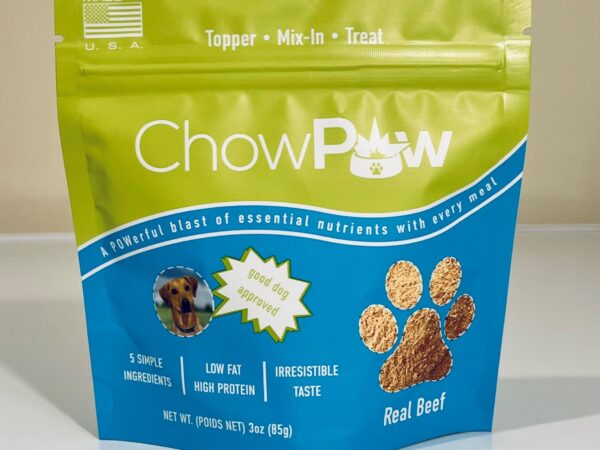 Dog Food Topper - Beef HeartOriginal price was: $14.99.$10.95Current price is: $10.95. - or subscribe and save up to 20%