

What Causes Dog Food Allergies and How to Solve Them
When your dog is dealing with relentless itching or constant stomach trouble, food often gets the blame. A true food allergy is essentially the immune system overreacting to a common food protein, like chicken or beef, that it suddenly flags as a threat. Getting to the bottom of this is the first real step toward getting your furry friend some relief.
Decoding Your Dog's Food Allergy
So, what's really going on inside your dog's body during an allergic reaction? It's a question many worried pet parents ask when they see their dogs scratching themselves raw. Simply put, a true food allergy is a case of mistaken identity by the immune system.
Picture your dog’s immune system as a dedicated security team, always on patrol for genuine dangers like viruses and bacteria. In a dog with food allergies, this team gets its signals crossed. It mistakenly labels a harmless protein—often from a food they've eaten for ages without issue—as a dangerous invader.
This false alarm sends the body into defense mode, unleashing a flood of chemicals like histamines. That's what triggers all the misery: the itchy skin, recurring ear infections, and digestive chaos that leave your pup feeling awful.
Allergy vs. Intolerance: What's the Difference?
It's really important to know that a food allergy and a food intolerance are two completely different things, even though the symptoms can sometimes look similar.
- Food Allergy: This is an immune system response. The body is literally launching an attack against a food protein, causing widespread inflammation.
- Food Intolerance: This is purely a digestive issue. The dog’s gut just can’t process a certain ingredient properly, similar to how a lactose-intolerant person reacts to dairy.
An intolerance might cause some gas or a loose stool after a rich meal, but it doesn't involve that full-blown immune system meltdown. A true allergy is a much more serious problem that requires a careful, long-term approach.
How Common Are Food Allergies, Really?
While food is an easy thing to point a finger at, it's not always the real cause of your dog's issues. In reality, allergies to things in the environment (like pollen and dust mites) and flea bite allergies are far more common culprits for itchy dogs.
Statistics from veterinary research show that diagnosed food allergies only affect about 0.2% of all dogs. That number jumps to as high as 40% for dogs who are brought to the vet specifically for skin issues, but that still leaves a lot of room for other causes.
This is a crucial point. Before you turn your life upside down changing your dog's diet, it’s vital to work with your vet. They can help you rule out the more likely suspects first. Sometimes, a single flea bite is all it takes to make a sensitive dog miserable.
Figuring out the "why" behind your dog's symptoms is the foundation for finding a real solution. Once an allergen is identified and removed, the next step is making sure their food is still exciting and packed with nutrients. This is where a meal enhancement supplement can help. ChowPow is not a replacement for your dog's kibble, but a nutritional booster designed to add flavor and value to their new, safe diet, making mealtime something to look forward to again.
Recognizing the Telltale Signs of a Food Allergy
Trying to figure out if your dog's food is the culprit behind their discomfort can feel like you’re solving a mystery. The clues they give you aren't always obvious, but they generally fall into two main categories: skin-related issues and digestive troubles.
Learning to spot these signs is the first, most critical step in getting to the bottom of what might be bothering your pup and getting them on the path to feeling better.
Many owners first realize something’s off when their dog just can't seem to get comfortable. That immune system overreaction we talked about often explodes on the outside, turning your dog’s skin into a battleground of irritation and inflammation.
Constant Itching and Skin Problems
One of the most common signs of a food allergy is pruritus—the official term for severe, relentless itching. This isn't just a quick scratch behind the ears; we're talking about persistent, obsessive behavior that can disrupt their sleep (and yours!). You might see your dog rubbing against furniture, rolling all over the carpet, or biting at their skin just to get some relief.
This constant irritation often leads to other, more visible problems:
- Paw Licking and Chewing: If your dog is relentlessly going after their paws, it's a major red flag. This can stain the fur a reddish-brown color from their saliva and even lead to nasty secondary yeast or bacterial infections between their toes.
- Chronic Ear Infections: Does it feel like you're always at the vet for another ear infection? Food allergies can cause inflammation deep in the ear canals, creating the perfect warm, moist environment for yeast and bacteria to thrive. You’ll probably notice a foul odor, redness, or a waxy discharge.
- Hot Spots and Skin Rashes: These are angry, inflamed patches of infected skin (acute moist dermatitis) that can appear out of nowhere and grow alarmingly fast. They are often quite painful and are a direct result of the dog’s intense scratching or chewing at an itchy spot.
Digestive System Clues
While skin issues tend to be more common, a dog's digestive system can also send up some serious warning flares. These signs can be messy and unpleasant, for sure, but they provide crucial feedback on how your dog is processing their food. Think of it as their gut telling you directly that an ingredient just isn't sitting right.
Research backs this up, showing just how often both skin and gut symptoms pop up. In fact, paw licking and chewing is the most prevalent sign, seen in about 72% of dogs with food allergies. On top of that, 48% suffer from ear infections on both sides, while digestive issues like excessive gas (46%) and soft stools (44%) are also incredibly common.
Key digestive signs to watch for include:
- Vomiting or Diarrhea: An occasional upset stomach can happen to any dog, but if it becomes a regular event right after meals, it could be tied to an allergic reaction.
- Excessive Gas: All dogs get a bit gassy, but a noticeable increase in flatulence can be another symptom of a food allergy or intolerance.
- Increased Bowel Movements: Some dogs may suddenly need to go outside far more frequently or have consistently soft, messy stools.
It's crucial to remember that these symptoms are notorious copycats. They can mimic a whole host of other health issues, from environmental allergies to parasites. This overlap is exactly why trying to self-diagnose can be so misleading; your veterinarian is your most important partner in uncovering the true cause.
Once you and your vet have pinpointed an allergen, the goal is simple: provide a safe, nutritious, and appealing diet. A meal enhancement supplement like ChowPow can be an excellent addition here. It’s not a food replacement; it’s designed to boost the nutritional value and flavor of their kibble, ensuring they love their food while staying healthy and symptom-free.
For a deeper dive, you can also check out our guide on the hidden reasons behind paw licking in dogs for more insights.
Identifying the Most Common Canine Food Triggers
When your dog starts itching, scratching, and looking miserable, it's only natural to start eyeing their food bowl with suspicion. You’ve probably heard the usual culprits blamed—beef, chicken, dairy, and maybe even wheat. And while it’s true these are common triggers, the real reason isn’t what most people think.
It’s not because these foods are somehow "bad" for dogs. The problem is often just a simple matter of overexposure. For decades, these specific ingredients have been the foundation of the overwhelming majority of commercial dog foods. This constant, day-in-day-out exposure can push a dog's immune system into a state of over-sensitivity.
Imagine listening to your favorite song on repeat for five years straight. You'd probably get pretty tired of it, right? In a similar way, a dog's immune system can eventually start to see a protein it encounters every single day as an unwanted invader, setting off a full-blown allergic reaction.
The Most Frequent Protein Offenders
When we talk about true food allergies in dogs, we’re almost always talking about proteins. The immune system makes a mistake and flags these large protein molecules as a threat. Over the years, a clear pattern has emerged showing which proteins are most likely to cause trouble, mainly because they're the ones dogs eat the most.
The top protein triggers usually include:
- Beef: For a long time, beef was the king of kibble. Its historical prevalence in dog food formulas puts it at the top of the allergen list in many studies.
- Dairy Products: Many dogs struggle with the proteins found in milk, cheese, and yogurt. This can lead to classic allergic reactions (like itching) as well as digestive upset.
- Chicken: Just like beef, chicken's widespread use in everything from kibble and wet food to treats has made it a very common trigger for sensitive dogs.
- Lamb: Lamb used to be considered a "novel" protein—something new for a dog's system. But it became so popular as an alternative that now it's also a frequent cause of allergies.
It’s crucial to remember that any protein can potentially cause an allergy. Less common, but still notable, triggers include fish, eggs, and even other meats like pork or turkey.
What About Grains and Carbohydrates?
Grains and carbs like wheat, corn, and soy often get a bad rap, but statistically, they are far less likely to cause a true, immune-system-driven allergic reaction compared to animal proteins. When a dog reacts poorly to these ingredients, it’s often a food intolerance—a digestive issue, not an immune one.
The most important thing to understand is this: A food allergy is highly specific to the individual dog. One dog might live their best life on a chicken-based diet, while the dog next door develops severe itching from a single chicken treat. The goal isn't to demonize certain ingredients, but to become a detective and figure out what your unique dog's body can't handle.
Once you’ve uncovered your dog’s trigger, the next challenge is making sure their new diet is still tasty and nutritionally complete. This is where a simple meal enhancement supplement can make all the difference.
ChowPow is not a substitute for your dog's kibble; it’s a nutritional booster designed to make their food more appealing. By sprinkling this simple, beef heart-based supplement onto their new food, you can make safe meals exciting again. It's a game-changer for picky eaters who might be hesitant about switching diets, ensuring they get the vital nutrients they need to stay healthy and happy.
How Vets Uncover Food Allergies with an Elimination Diet
If you're pretty sure your dog’s food is the source of their misery, getting a real answer is the next crucial step. But how do you prove it? Just guessing and switching foods on a whim can often make things worse. This is where your veterinarian comes in to lead the investigation, and their best tool is the elimination diet.
Think of it as detective work for your dog’s dinner bowl. It's a careful, methodical process designed to pinpoint exactly which ingredient is causing the trouble. It’s definitely not a quick fix—it takes patience and a serious commitment—but it's the gold standard for accurately diagnosing a food allergy.
The whole process works on a simple idea: take away all the potential troublemakers from your dog's diet and see if the symptoms clear up. If they do, you slowly reintroduce old ingredients one by one to see which one makes the symptoms flare up again.
The First Step: The Elimination Phase
The first and longest part of the journey is the elimination phase. Your vet will prescribe a special diet that your dog will eat exclusively for about 8 to 12 weeks. This isn't just any old bag of kibble from the pet store; it's a very specific diet designed to be completely new to your dog's system.
This special food will usually be one of two types:
- Novel Protein and Carbohydrate Diet: This food is made with ingredients your dog has almost certainly never had before. For instance, if your dog has spent their life eating chicken and rice, your vet might suggest a diet of kangaroo and oats, or maybe venison and sweet potato. The goal is to use ingredients their immune system hasn't met and, therefore, won't react to.
- Hydrolyzed Protein Diet: This is a prescription food where the proteins are broken down into such tiny pieces that the immune system doesn't even recognize them as potential threats. It’s like the protein is wearing an invisibility cloak—it can sneak right past the body's security system without setting off any alarms.
During these 8 to 12 weeks, you have to be incredibly strict. This means no other foods, no treats, no table scraps, and not even flavored medications unless your vet gives the okay. A single stolen cracker or a well-meaning treat from a guest can completely ruin the trial, forcing you to start all over again.
Watching for Improvement and the Rechallenge
As the weeks go by, you'll be keeping a close eye on your dog. While tummy troubles might start to improve within a couple of weeks, skin issues like chronic itching and inflammation take much longer to heal. It often takes the full 8 to 12 weeks for the skin to really calm down.
If your dog’s symptoms get significantly better or disappear completely by the end of the trial, that’s a huge clue that a food allergy was the culprit. But to be 100% sure, there's one last, critical step: the rechallenge.
During the rechallenge, you’ll deliberately reintroduce one single ingredient from your dog’s old food back into their diet while they continue eating the special elimination food. For example, if you suspect chicken was the problem, your vet will have you add a small amount of plain, cooked chicken to their meals.
If the old symptoms—the itching, the ear infections, the upset stomach—come roaring back within a few days or weeks, you’ve got your answer. You’ve successfully unmasked the trigger.
What About Blood and Saliva Tests?
You've probably seen ads for allergy blood tests (serology) or even saliva tests that promise a quick and easy diagnosis. While these tests can sometimes be helpful for identifying environmental allergies like pollen or dust mites, they are notoriously unreliable for food allergies.
Many vets find them inaccurate for this purpose because they can produce both false positives (flagging an ingredient that's perfectly fine) and false negatives (missing the real culprit). This is why the elimination diet, though it takes more time and effort, remains the most trusted and accurate method. It gives you concrete, real-world proof of how your dog’s body reacts to specific foods.
The elimination diet is a journey you and your vet take together. Once the hard work is over and you know what to avoid, the focus shifts to creating a safe, healthy, and delicious long-term diet. A meal enhancement supplement like ChowPow can be a fantastic way to boost the flavor and nutrition of their new kibble. It's not a food replacement, but an addition that makes sure your dog still gets excited for dinner without any of the ingredients that cause them harm.
Managing Your Dog's Diet and Enhancing Nutrition
Getting a food allergy diagnosis for your dog isn't the end of the world—it's actually the start of a much healthier, more comfortable life for them. Now that you know exactly what’s causing the problem, you can build a diet that lets them thrive, free from that constant itching or stomach upset. Long-term success really boils down to two things: strict avoidance and smart nutrition.
The absolute number one rule is to become a vigilant gatekeeper for every single thing your dog eats. This means getting into the habit of reading ingredient labels on everything—not just their main kibble, but also their treats, dental chews, and even flavored medications. It only takes a tiny amount of the offending protein to trigger a reaction and undo all your hard work.
The Foundation of a Healthy Allergy Diet
Strictly avoiding the problem ingredient is one half of the battle. The other half is making sure their new, more limited diet is still exciting and nutritionally complete. Let's be honest, a specialized diet can feel a bit bland to a dog used to variety, which is a real struggle if you have a picky eater or a senior dog whose appetite isn't what it used to be.
This is where you can get creative and strategically enhance their meals to be both safe and completely irresistible. The idea is to build on their safe kibble, not replace it, giving its nutritional value and flavor a serious boost to keep them excited for dinner.
A successful allergy management plan isn't just about removing the bad stuff; it's about adding in the good stuff. Your dog’s diet should still be a source of joy and nourishment, not a boring necessity.
Making mealtime a happy experience is so important, especially for dogs who might have started to associate food with feeling unwell. A delicious, nutrient-packed addition can totally change their outlook.
Boosting Nutrition and Making Meals Exciting
This is where a high-quality meal enhancement supplement like ChowPow can make all the difference. Think of it as a nutritional booster, not a meal replacement, designed to work with your dog’s existing food. Just sprinkling a small amount over their kibble adds a powerful punch of flavor and vital nutrients, without any of the common allergens or unnecessary fillers.
Made from simple, limited ingredients like dehydrated beef heart, ChowPow is a powerhouse of top-notch protein and essential amino acids. It’s the perfect nutritional "plus-one" for their specialized diet, giving them extra support for their energy and overall health.
- For Picky Eaters: That rich, savory taste can convince even the fussiest dog to lick their bowl clean.
- For Senior Dogs: Older pups often need a little extra encouragement to eat. A flavorful topper makes their food much more appealing.
- For All Dogs on Special Diets: It turns a medically necessary (but potentially boring) meal into the highlight of their day.
The visual below shows the straightforward process your vet uses to pinpoint the very allergens you now need to avoid.
This methodical approach—eliminating, observing, and then carefully rechallenging—is the gold standard for confirming exactly what's behind your dog's food allergies.
Long-Term Success and What to Expect
Once you settle into a new routine, managing your dog's food allergy will become second nature. You’ll become an expert at scanning ingredient lists and discovering safe, delicious treats they absolutely love. Just remember, a food allergy is a lifelong condition, so consistency is your best friend in keeping your dog happy and symptom-free.
While ChowPow uses beef heart—which can be a common allergen for some dogs—it's a fantastic option if your dog's trigger is something different, like chicken or grains. It’s a perfect example of how you can customize your dog’s diet once you know their specific needs. By adding a simple, clean supplement, you're not just feeding them; you're actively boosting their health and happiness.
Finding the right mix of a safe base food and nutritious toppers is a huge part of this journey. To check out more options, you can explore the best foods for dogs with allergies in our detailed guide, which dives into different protein sources and dietary strategies.
Got Questions About Your Dog's Food Allergies?
It's completely normal to have a few questions spinning in your head after diving into the world of dog food allergies. The more you understand what’s going on with your furry friend, the better you can help them.
Let’s clear up some of the most common questions that pop up for pet parents on this journey. Getting these answers can give you the confidence you need to make the best choices for your dog’s health and happiness.
Can a Dog Suddenly Get an Allergy to a Food They’ve Eaten for Years?
Yes, absolutely. It’s not just possible—it’s actually how most food allergies develop. It sounds strange, but it all comes down to repeated exposure.
An allergy doesn't happen overnight. It builds up as the immune system gets overly sensitive to a specific protein over time. Think of it like a bucket slowly filling with water; each meal adds another drop. Eventually, the bucket overflows, and the immune system finally triggers an allergic reaction. This is exactly why a food that was perfectly fine for years can suddenly become the source of all that itching and discomfort.
Is a Grain-Free Diet Better for Dogs with Allergies?
Not necessarily. "Grain-free" has become a huge marketing buzzword, making a lot of pet parents think grains are the bad guys. But the science and what vets see every day tells a different story: protein sources like beef, chicken, and dairy are the most common culprits.
Going grain-free only helps if your dog has a confirmed allergy to a specific grain, like wheat. If your dog is allergic to chicken, switching to a grain-free kibble that’s still packed with chicken won't solve a thing. The best path forward is always to pinpoint the specific trigger with an elimination diet, not just cut out an entire food group on a hunch.
How Long Until I See Improvement on an Elimination Diet?
Patience is probably the toughest part of a successful elimination diet. You might see digestive issues like diarrhea clear up in just a couple of weeks, which is great! But skin problems? Those take a lot longer to fade.
It can take a full 8 to 12 weeks for the deep-seated inflammation in the skin to calm down and for the itching to finally stop. It's so important to be incredibly strict during this period. Just one stolen treat or a lick of something off the floor can reset the clock and send you right back to square one.
Can I Use a Supplement Like ChowPow During an Elimination Diet?
During the strict diagnostic phase, the answer is no. For the trial to work, you have to feed only the special novel or hydrolyzed protein diet your vet prescribed. The whole point is to create a clean slate, and adding anything else—even a healthy supplement—can muddy the waters and ruin the test.
But here’s the good news: once the trial is over and you know exactly what to avoid, ChowPow can be a fantastic part of your dog's long-term plan.
As long as beef isn't the problem, ChowPow is a perfect meal enhancement supplement. It's designed to make their new, safe kibble way more exciting. This is a game-changer if all the diet changes have turned your dog into a picky eater, ensuring they get the vital nutrients they need while actually enjoying their food again.
At ChowPow, we believe a special diet shouldn't mean a boring one. Once you’ve figured out your dog's triggers, our beef heart topper can bring the excitement back to mealtime with a simple, powerful boost of flavor and nutrition. Discover how to make your dog’s food irresistible at https://chowpownow.com.
-
Product on sale
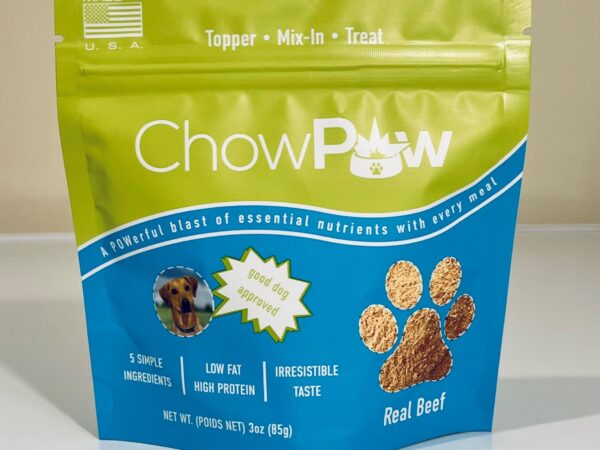 Dog Food Topper - Beef HeartOriginal price was: $14.99.$10.95Current price is: $10.95. - or subscribe and save up to 20%